
You want your home to be a safe place for your children, but those deadbolt locks can be tricky. They’re designed to keep intruders out, but what about keeping little hands from accidentally locking themselves in—or out?
If you’re wondering how to childproof a deadbolt lock without compromising your security, you’re in the right place. This guide will show you simple, effective ways to protect your child and your home, giving you peace of mind every time you close the door.
Keep reading, because a small change can make a big difference in your family’s safety.

Credit: www.reddit.com
Why Childproof Deadbolts Matter
Childproofing deadbolt locks is a key part of home safety. Small children are curious. They often try to open doors and explore. This can lead to dangerous situations. Childproof deadbolts help stop accidents before they start.
Keeping children safe means controlling their access to the outside. Deadbolts are strong and secure. But children can sometimes open them easily. Adding childproof features makes these locks safer and more reliable.
Preventing Accidental Lockouts
Children can lock themselves out by turning deadbolt knobs. This causes panic and worry for parents. Childproof deadbolts reduce this risk. They make it harder for kids to lock doors from the inside.
Stopping Unauthorized Exit
Young children may leave the house without telling adults. This creates safety concerns. Childproof deadbolts block easy exit. They help keep children inside until an adult is present.
Reducing Injury Risks
Deadbolts can pinch fingers or cause injuries. Childproof locks often have smooth designs. This helps protect children from harm while handling doors.
Enhancing Overall Home Security
Childproof deadbolts add an extra layer of safety. They prevent children from giving access to strangers. This strengthens home security for all family members.
Common Risks With Deadbolt Locks
Deadbolt locks provide strong security for homes. Still, they can pose risks for children. Understanding these risks helps parents keep kids safe around doors.
Children can get their fingers caught in the lock or door. They might also try to open the lock and wander outside alone. These dangers need attention to prevent accidents.
Finger Pinching Hazards
Deadbolts have moving parts that can pinch small fingers. Kids often do not realize the danger. Pinched fingers can cause pain and injury.
Easy Access To Outdoors
Children might learn how to turn the deadbolt. They can open the door and leave the house. This creates a risk of getting lost or hurt outside.
Choking On Small Parts
Some deadbolt locks have small screws or pieces. Kids may remove these parts and put them in their mouths. This can lead to choking hazards.
Difficulty In Emergency Exit
Deadbolts can be hard for young children to unlock quickly. In emergencies, this delay can cause danger. Children may panic if they cannot open the door fast.
Choosing The Right Childproofing Device
Choosing the right childproofing device for a deadbolt lock is important. It keeps children safe and gives parents peace of mind. Different devices suit different needs and types of locks. Some are easy to install, while others offer stronger protection. Understanding the options helps pick the best fit for your home.
Lock Covers
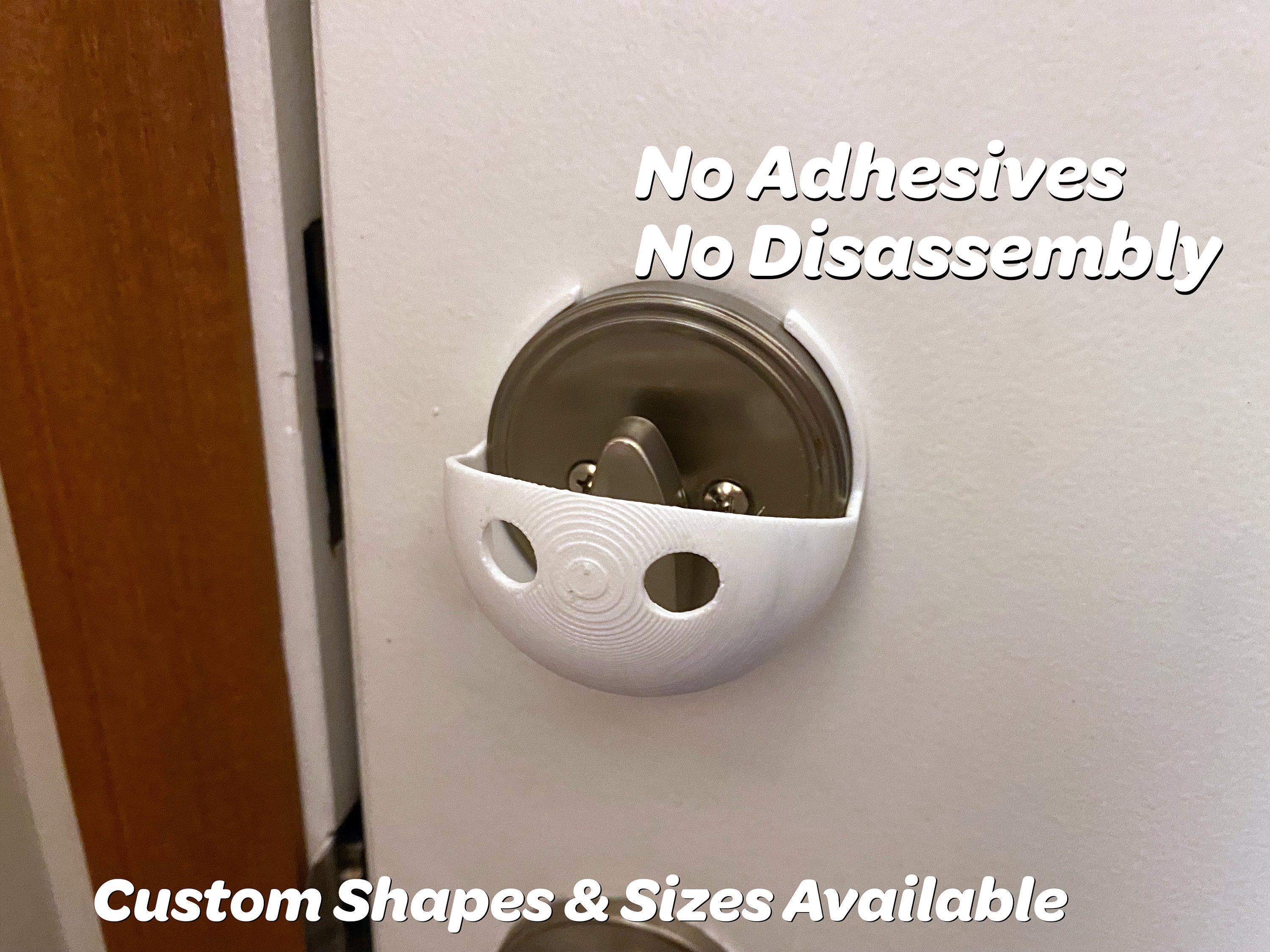
Lock covers are simple devices that fit over the deadbolt. They block access to the keyhole or turning mechanism. These covers make it hard for children to turn the lock. Installation is quick and does not damage the door. Lock covers are a budget-friendly choice for basic childproofing.
Keyless Deadbolts
Keyless deadbolts use codes instead of keys. They eliminate the risk of lost or copied keys. Parents can set and change codes easily. These locks prevent children from opening doors without permission. They add convenience and security in one device.
Deadbolt Lock Guards
Deadbolt lock guards are metal plates that cover the lock area. They stop children from reaching or tampering with the deadbolt. These guards are sturdy and offer strong protection. Installation may need screws and tools. Deadbolt lock guards work well for extra safety.
Credit: www.etsy.com
Step-by-step Childproofing Methods
Childproofing a deadbolt lock keeps children safe from opening doors alone. Simple steps can stop accidents. These methods help parents protect their homes effectively. Each step focuses on easy and clear actions. Follow these steps to secure deadbolt locks around your house.
Installing Lock Covers
Lock covers hide the deadbolt keyhole and thumb turn. These covers make it hard for children to reach the lock. Choose covers made of strong plastic or metal. Install them by snapping over the deadbolt. Some covers need screws for extra security. Lock covers are affordable and easy to use.
Switching To Smart Locks
Smart locks use codes or smartphones to open doors. They remove the need for keys. Parents can control access remotely. Many smart locks have child safety features. Installing a smart lock reduces the risk of children opening doors. Choose a model with simple controls and alerts.
Using Safety Straps And Barriers
Safety straps block the door from fully opening. Attach straps to the door and frame. This stops children from opening doors wide. Use barriers like baby gates near doors too. Barriers create a physical space children cannot cross. Together, straps and barriers add strong extra protection.
Tips For Teaching Kids About Door Safety
Teaching kids about door safety is a key step in childproofing your home. Kids must learn how to use doors safely. This helps prevent accidents and keeps them secure. Understanding door safety also teaches respect for home rules.
Clear and simple lessons make it easier for kids to remember safety tips. Repetition helps them build good habits. Use everyday moments to remind children about door safety.
Explain Why Deadbolt Locks Are Important
Tell kids that deadbolts keep the house safe. Explain that these locks stop strangers from entering. Use simple words to describe how the lock works. This helps children understand its role in safety.
Show How To Use The Lock Correctly
Demonstrate how to lock and unlock the deadbolt. Let children practice under your supervision. Praise their efforts to encourage careful use. This builds their confidence and responsibility.
Set Clear Rules About Door Use
Make rules about when kids can open the door. Teach them to ask an adult before unlocking. Explain why these rules protect them from danger. Consistent rules help children follow safety guidelines.
Use Role-playing To Reinforce Safety
Practice different door scenarios with your child. Role-play what to do if someone knocks. Teach them to check with an adult first. This prepares kids for real-life situations.
Keep Communication Open And Simple
Answer questions your child has about door safety. Use easy words to explain any concerns. Encourage them to share feelings about safety at home. Open talks build trust and understanding.
Credit: www.etsy.com
Maintenance And Regular Safety Checks
Keeping a deadbolt lock childproof requires ongoing care. Regular maintenance and safety checks help ensure the lock works properly. Faulty locks can create safety risks for children and adults. Simple checks save time and money by avoiding repairs later.
These steps help maintain the lock’s security and function. Regular reviews catch issues before they become big problems. A well-kept deadbolt adds peace of mind to your home safety.
Inspecting The Lock Mechanism
Check the lock for any signs of wear or damage. Turn the key and knob several times to test smoothness. Look for rust, dirt, or loose parts. Clean debris around the lock with a soft brush. Replace parts that look broken or worn out.
Lubricating The Deadbolt
Apply a small amount of graphite or silicone lubricant. Avoid oil-based products that attract dirt. Lubricate the keyhole and moving parts inside the lock. This keeps the deadbolt turning easily without sticking. Repeat lubrication every six months or after heavy use.
Testing The Childproof Features
Try the childproof lock settings regularly. Make sure the lock prevents children from opening the door. Check that any safety covers or guards stay in place. Adjust or tighten parts if the lock is easy for kids to open. Confirm all safety features work as intended.
Checking The Door Frame And Strike Plate
Inspect the door frame and strike plate for damage. Ensure the strike plate is securely fastened with long screws. A loose strike plate weakens the lock’s effectiveness. Repair or replace damaged parts to keep the door secure. Proper alignment helps the deadbolt latch correctly every time.
Frequently Asked Questions
How Can I Childproof A Deadbolt Lock Effectively?
Use a deadbolt lock cover or a keyless lock with a childproof mechanism. Keep keys out of children’s reach and educate kids about lock safety. Regularly check the lock to ensure it remains secure and child-resistant.
What Tools Are Needed To Childproof A Deadbolt Lock?
You typically need a screwdriver, deadbolt lock cover, or childproof lock guard. Some installations require a drill or adhesive strips. Always follow product instructions for safe and secure fitting.
Are Keyless Deadbolt Locks Safer For Children?
Yes, keyless deadbolt locks reduce risks since no physical key is needed. They often feature childproof keypads or biometric options, making it harder for children to unlock doors without permission.
Can I Install A Deadbolt Lock Cover Myself?
Yes, most deadbolt lock covers are easy to install with basic tools. Follow the manufacturer’s instructions carefully to ensure a secure fit and effective childproofing.
Conclusion
Childproofing a deadbolt lock keeps your home safer for children. Simple steps, like adding covers or using special locks, make a big difference. Remember to choose products that fit your lock type well. Test everything to ensure it works smoothly for adults.
Stay consistent with safety checks to avoid accidents. Small changes can protect your family from harm. Keep your home secure without making it hard for adults to enter. Safety and ease can go hand in hand.


