If you’re planning to install precast concrete veneer on your foundation wall, you probably want it done right the first time. Anchoring these heavy panels securely is key to making sure your walls stay strong and look great for years.
But how exactly do you attach precast concrete veneer to a concrete foundation wall without risking cracks or instability? You’ll discover simple, step-by-step methods to anchor your veneer safely and effectively. Keep reading, and you’ll gain the confidence to tackle this project with ease and get professional results.

Credit: www.masonryandhardscapes.org
Choosing The Right Veneer Materials
Choosing the right veneer materials is key to a strong, lasting finish on your concrete foundation wall. The material affects how well the veneer sticks, looks, and holds up over time. It also helps protect the wall from weather and wear.
Picking good materials makes installation easier and ensures your wall stays safe and beautiful for years. Understanding the types of precast concrete veneer and their benefits helps you make smart choices.
Types Of Precast Concrete Veneer
Precast concrete veneers come in many styles and sizes. Some common types include thin panels, brick-like pieces, and stone-look slabs. Each type has a different texture and thickness.
Thin panels are lightweight and easy to handle. Brick-like veneers offer a classic look. Stone-look slabs give a natural, rugged appearance. Choose the type that fits your design and wall needs.
Benefits Of Quality Materials
Quality materials last longer and resist damage better. They hold their shape and color even in harsh weather. Using strong veneers helps prevent cracks and breaks.
Good materials also make the anchoring process more secure. They fit tightly against the foundation, reducing gaps and moisture problems. This saves time and money on repairs later.
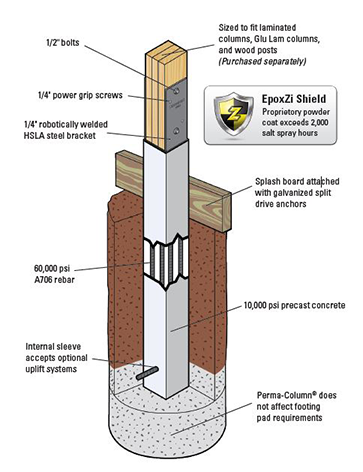
Credit: www.graberpost.com
Preparing The Foundation Wall
Preparing the foundation wall is the first step to secure precast concrete veneer properly. A clean, solid wall ensures the veneer sticks well and lasts long. Taking time to prepare helps avoid future problems and keeps the installation safe and strong.
Cleaning And Inspecting The Surface
Start by removing dirt, dust, and loose materials from the wall. Use a wire brush or pressure washer for best results. Check the wall carefully for cracks, holes, or old paint. These issues can stop the veneer from attaching correctly. A clean, smooth surface helps the adhesive or anchors hold tight.
Repairing Foundation Imperfections
Fill cracks and holes with concrete patch or mortar. Smooth the surface with a trowel to make it even. Let repairs dry completely before attaching veneer. Fixing these imperfections prevents water leaks and strengthens the wall. A strong base supports the weight of the precast panels safely.
Selecting Anchoring Systems
Choosing the right anchoring system is key to securing precast concrete veneer to a foundation wall. Anchors hold the veneer in place and prevent movement. The right system improves safety and durability. It also ensures the veneer stays level and aligned over time.
Several options exist, each with strengths and limits. Factors like wall type, load needs, and environmental conditions affect anchor selection. Understanding these helps pick the best fit for your project.
Common Anchor Types
Mechanical anchors are popular for their strong hold. Examples include wedge anchors and sleeve anchors. They expand inside drilled holes for a tight grip.
Epoxy anchors use resin to bond bolts to concrete. This method offers high strength and resists corrosion well. It suits heavy loads and uneven surfaces.
Cast-in-place anchors are set during concrete pouring. They embed directly into the foundation for secure attachment. These are ideal for new construction projects.
Adjustable anchors allow slight movement after installation. They help maintain veneer alignment and accommodate settling.
Factors Influencing Anchor Choice
The foundation wall material affects anchor type. Solid concrete accepts most anchors. Hollow or block walls may need special fasteners.
Load requirements guide anchor strength. Heavy veneers need stronger, more secure anchors. Light veneers allow simpler options.
Environmental exposure impacts anchor durability. Outdoor walls require corrosion-resistant anchors. Stainless steel or coated anchors work best.
Installation ease and cost also influence the choice. Some anchors need special tools or skills. Budget limits may favor simpler anchors.
Installing The Anchors
Installing anchors is a key step for securing precast concrete veneer to a foundation wall. It ensures the veneer stays firmly in place and resists movement. Careful installation leads to a strong, durable connection between the veneer and the wall.
Follow the right process to place anchors correctly. This helps avoid common problems like loose panels or cracks. The next steps explain how to mark anchor locations and set them properly.
Marking Anchor Locations
Start by measuring the veneer panel and foundation wall. Use a pencil or marker to mark anchor spots on the wall. Place marks where the panel’s anchor points align with the foundation.
Keep marks evenly spaced to balance the load. Check that marks match the panel’s anchor holes exactly. Accurate marking prevents misalignment during installation.
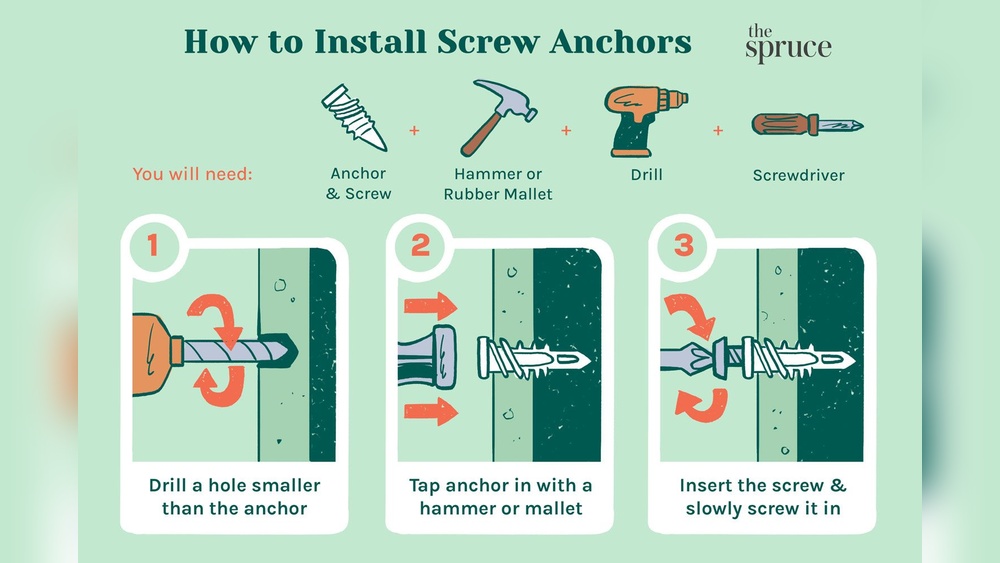
Drilling And Setting Anchors
Select the right drill bit size for the anchor type and size. Drill holes at the marked spots on the foundation wall. Drill straight and clean holes for strong anchor grip.
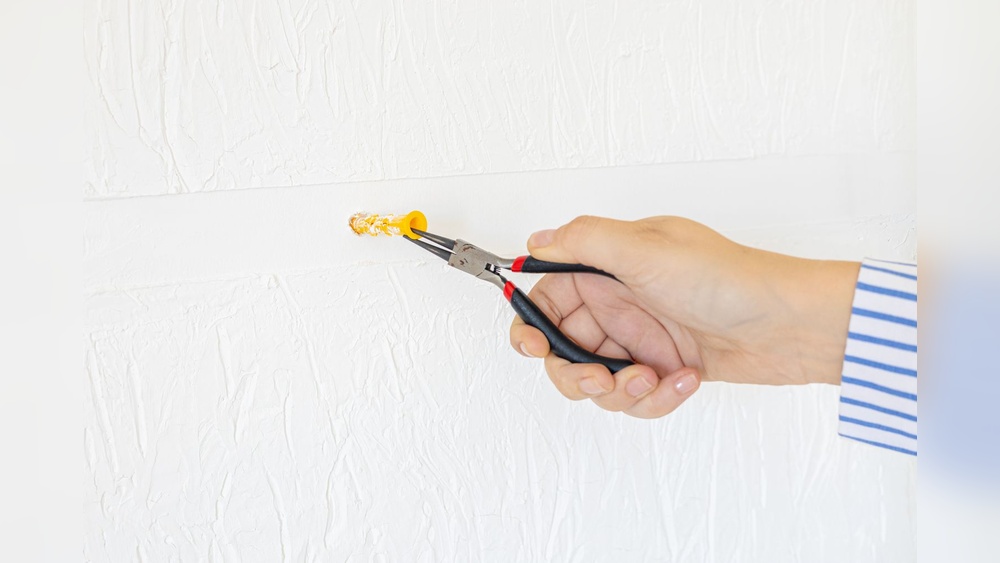
Insert anchors into drilled holes carefully. Use a hammer or setting tool to fix anchors firmly. Check each anchor is secure before attaching the veneer panel.
Mounting The Precast Veneer Panels
Mounting precast concrete veneer panels on a foundation wall requires careful steps. Each panel must fit perfectly and attach securely. Proper mounting ensures strength and long-lasting appearance. Follow clear steps for best results.
Aligning Panels Accurately
Start by positioning the first panel on the foundation. Use a level to check it is straight vertically and horizontally. Adjust the panel until it lines up with the design marks. Keep consistent spacing between panels. This helps the veneer look even and neat. Use shims or spacers if needed to keep gaps uniform. Double-check alignment before moving to the next panel.
Securing Panels To Anchors
Attach each panel firmly to the anchors fixed on the foundation wall. Use bolts or screws designed for precast concrete. Tighten fasteners carefully to avoid cracking the panels. Check each connection to ensure it holds the panel tightly. Secure all panels one by one, maintaining the correct alignment. Proper anchoring prevents shifting and improves wall stability.
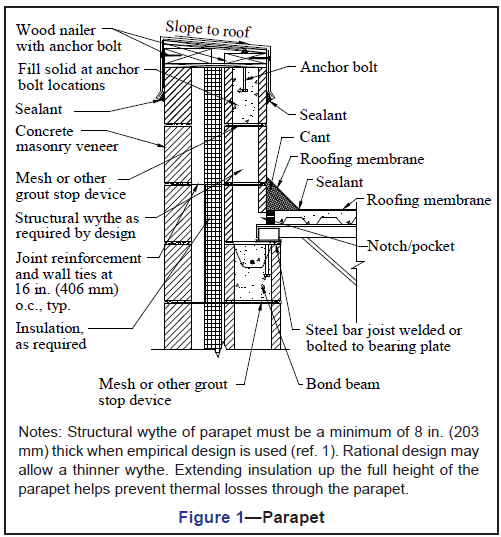
Credit: www.masonryandhardscapes.org
Sealing And Finishing
Sealing and finishing are key steps after anchoring precast concrete veneer to a foundation wall. These steps protect the structure from water damage and improve its appearance. A proper seal keeps moisture out and stops cracks from forming over time.
Careful finishing creates a clean look and helps the veneer last longer. Both processes require attention to detail and the right materials. This section explains how to apply sealants and ensure weather resistance effectively.
Applying Sealants
Select a high-quality sealant suitable for concrete surfaces. Use a caulking gun to apply the sealant evenly along all joints and edges. Fill gaps completely to stop water from seeping in. Smooth the sealant with a putty knife or finger for a neat finish. Let the sealant cure as per manufacturer instructions before exposure to weather.
Ensuring Weather Resistance
Check all sealed areas for any missed spots or thin layers. Apply a waterproof membrane or coating over the sealant for extra protection. Use flashing tape at vulnerable points like corners and joints. Inspect the veneer regularly and reapply sealant if cracks or gaps appear. Proper weatherproofing prevents damage and keeps the wall strong for years.
Common Challenges And Solutions
Anchoring precast concrete veneer to a concrete foundation wall brings some common challenges. These issues can affect the strength and durability of the installation. Knowing how to handle these problems helps achieve a secure and lasting bond. This section covers common challenges and practical solutions.
Dealing With Uneven Surfaces
Concrete foundation walls often have uneven surfaces. This makes it hard to attach precast veneer flatly. Uneven surfaces can cause gaps and weak spots. Use a grinder or chisel to smooth rough areas. Apply a leveling mortar to fill dips and low spots. Check the wall with a level before attaching the veneer. This ensures proper alignment and a tight fit.
Preventing Moisture Issues
Moisture can damage both the veneer and foundation over time. Water trapped behind the veneer causes cracks and mold. Install a waterproof membrane or barrier on the foundation wall. Use weep holes or drainage channels to let moisture escape. Seal all joints and edges with quality sealant. These steps keep water from causing long-term damage.
Maintenance Tips For Longevity
Maintaining precast concrete veneer on a concrete foundation wall helps extend its life. Proper care keeps the structure strong and attractive. Simple maintenance prevents costly repairs later. Focus on regular checks and prompt cleaning to protect your investment.
Regular Inspections
Check the veneer often for cracks or loose sections. Look closely at the anchors and joints. Early detection of damage stops problems from growing. Inspect after storms or heavy rain for any new issues. Use a flashlight to see hard-to-reach spots clearly.
Cleaning And Repairs
Clean the veneer gently with water and a soft brush. Avoid harsh chemicals that can harm the surface. Remove dirt and moss to prevent moisture buildup. Repair small cracks quickly with appropriate sealants. Replace damaged anchors to maintain strong attachment. Keep the foundation dry to avoid water damage.
Frequently Asked Questions
What Materials Are Needed To Anchor Precast Veneer?
You need anchor bolts, metal ties, masonry anchors, and sealant. These materials ensure a secure attachment to the concrete wall. Proper selection prevents shifting and moisture penetration.
How Do You Prepare The Foundation Wall For Anchoring?
Clean the wall surface thoroughly and check for cracks. Mark anchor locations accurately and drill holes as required. Preparation ensures a strong bond and proper alignment.
What Is The Best Method To Attach Precast Veneer?
Use metal ties or anchor bolts embedded into the foundation. Secure connections prevent movement and enhance stability. Follow manufacturer guidelines for spacing and installation.
How Do You Prevent Moisture Issues Behind The Veneer?
Install a waterproof membrane or drainage plane between veneer and wall. Ensure proper flashing and sealant application around edges. This prevents water damage and mold growth.
Conclusion
Anchoring precast concrete veneer to a foundation wall takes care and attention. Use the right tools and follow steps carefully. Secure attachments keep the veneer strong and stable. Proper installation helps avoid cracks and damage later. Always check measurements before drilling or fixing anchors.
This simple guide can help you build a lasting wall. Safety and precision matter most during the process. Take your time for best results and a solid finish.