Are you struggling to hang something heavy on your wall but worried it won’t hold? You’re not alone.
Knowing how to put a drywall anchor in your wall can make all the difference between a secure fixture and a frustrating fall. Whether it’s a shelf, a picture frame, or a mirror, using the right anchor can save you time, effort, and damage to your walls.
In this guide, you’ll learn simple, step-by-step instructions that anyone can follow. By the end, you’ll feel confident tackling your next project and keeping everything firmly in place. Let’s get started and make your walls work for you!
Choosing The Right Anchor
Choosing the right drywall anchor is key to a strong hold. The anchor must fit the weight of the item and the wall type. A poor choice can cause damage or failure. Understanding different anchors helps pick the best one.
Types Of Drywall Anchors
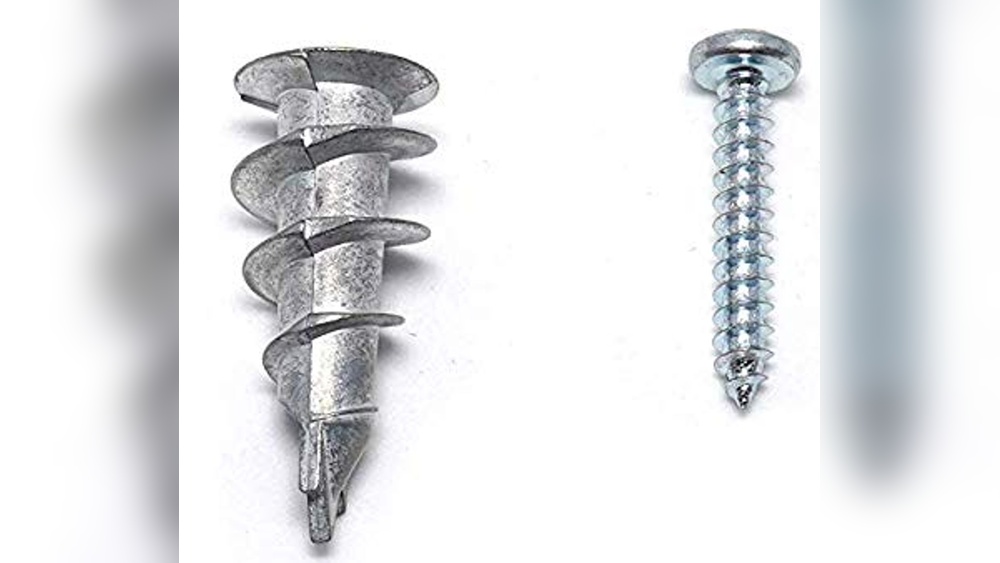
Plastic expansion anchors are common and easy to use. They work for light items like picture frames. Metal anchors hold heavier objects. They expand behind the wall for extra support. Toggle bolts spread the load over a wide area. They are great for heavy shelves or mirrors. Self-drilling anchors screw directly into drywall. No pre-drilling needed and good for medium weight.
Matching Anchors To Wall Weight
Light anchors hold up to 10 pounds. Use these for small decorations or clocks. Medium anchors support up to 25 pounds. Good for curtain rods or small shelves. Heavy anchors carry 50 pounds or more. Perfect for large mirrors or TV mounts. Always check the weight of the item first. Choose an anchor with a higher weight rating for safety.
Tools Needed
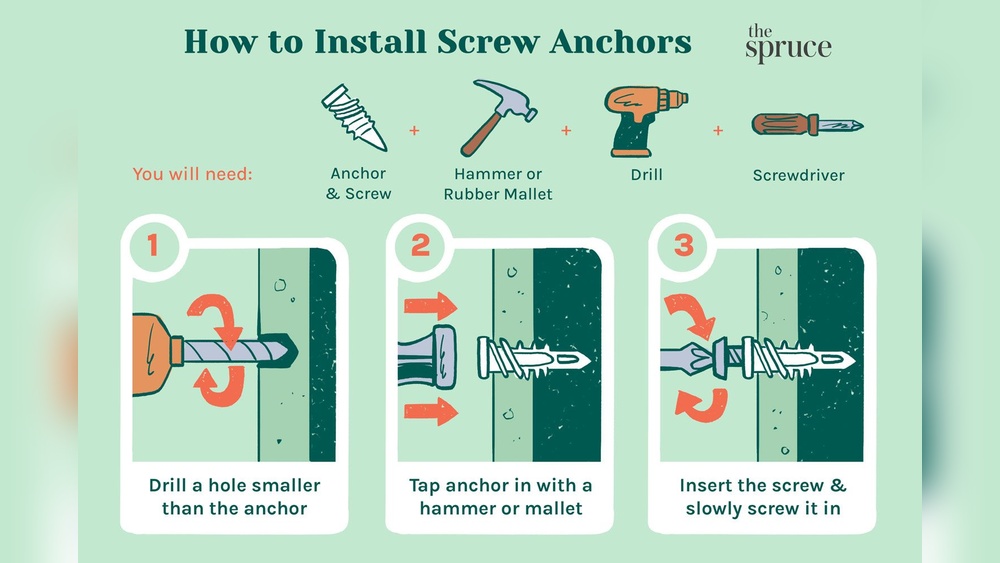
You need a drill or screwdriver to install anchors. A drill bit matching the anchor size helps. A hammer may be needed to tap in some anchors. A level keeps items straight on the wall. A tape measure ensures correct placement. Gather these tools before starting the project.
Preparing The Wall
Preparing the wall is the first step to successfully install a drywall anchor. A well-prepared wall ensures the anchor will hold firmly and safely. Taking time to prepare avoids mistakes and saves effort later.
Locating Studs And Marking Spots
Use a stud finder to locate wooden studs behind the drywall. Anchors work best between studs where drywall is hollow. Mark the exact spots with a pencil where you want to place anchors. Clear marks make drilling easier and precise.
Checking For Obstacles
Look inside the wall for electrical wires, pipes, or plumbing. Use a wire detector or stud finder with wire detection. Avoid drilling near obstacles to prevent damage or danger. Safe placement protects your home and tools.
Cleaning The Surface
Remove dust, dirt, and grease from the wall area. Use a dry cloth or a mild cleaner for better adhesion. A clean surface helps the anchor stick firmly and lasts longer. Clean walls make the job neat and professional.
Drilling The Hole
Drilling the hole is a key step to install drywall anchors securely. A well-drilled hole holds the anchor tight and supports the weight properly. Take your time to prepare and drill carefully. This helps avoid mistakes and wall damage.
Selecting Drill Bit Size
Choose a drill bit that matches the anchor size exactly. Too big, and the anchor will be loose. Too small, and the anchor won’t fit. Check the anchor package for the right drill bit size. Use a bit sharp and clean for smooth drilling.
Drilling At The Correct Angle
Hold the drill straight against the wall. The hole must be perpendicular to the wall surface. Drilling at an angle can cause the anchor to sit unevenly. Keep a steady hand and slow speed. This helps make a clean, precise hole.
Avoiding Wall Damage
Start drilling slowly to avoid cracking the drywall. Use light pressure; let the drill do the work. Stop as soon as the hole reaches the right depth. Avoid pushing too hard or fast. This prevents dents and crumbling around the hole.

Credit: www.wikihow.com
Inserting The Anchor
Inserting the drywall anchor correctly is key for a strong hold. This step requires care and the right technique. The anchor must fit tightly and sit flush with the wall surface. Doing this prevents damage and ensures your fixture stays secure.
Pushing Or Screwing The Anchor In
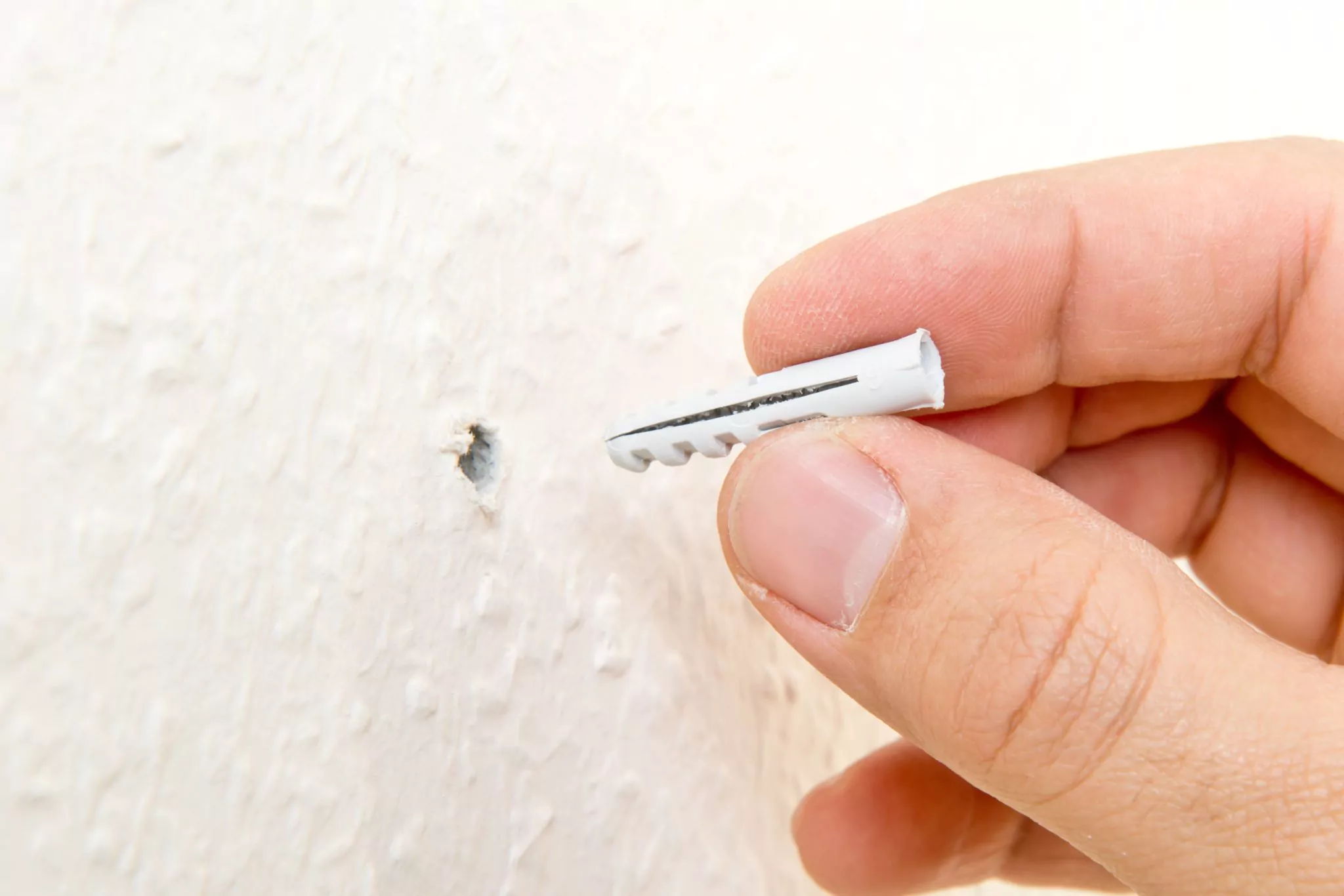
Some anchors can be pushed directly into the hole. Use steady pressure with your thumb or a tool. Other anchors require screwing in. Turn the anchor clockwise using a screwdriver. The anchor expands inside the drywall, locking in place. Stop when it feels tight but do not force it.
Ensuring A Flush Fit
The anchor should sit level with the wall surface. If it sticks out, the fixture will not hold well. Gently tap the anchor with a hammer if needed. Avoid pushing too hard to prevent wall damage. A flush fit helps spread the weight evenly.
Dealing With Difficult Anchors
Some anchors are hard to insert. This can happen if the hole is too small or the anchor is stiff. Widen the hole slightly with a drill bit. Lubricate the anchor with a little soap to ease insertion. Patience and slow turns help avoid breaking the anchor.
Securing The Screw
Securing the screw is a key step in installing a drywall anchor. It holds the anchor firmly in place. This step ensures your item stays safe on the wall. You must handle it carefully for the best results.
Choosing the right screw size and type matters. Driving the screw correctly prevents damage. Testing the screw’s stability guarantees a strong hold. Each part plays a role in a secure fit.
Choosing The Right Screw
Pick a screw that fits the anchor size. Too long screws can damage the wall. Too short screws won’t hold the weight. Use screws made for drywall anchors. This match keeps everything tight and steady.
Driving The Screw Properly
Start by turning the screw slowly. Use a screwdriver or drill with low speed. Stop when the screw head is flush with the anchor. Avoid over-tightening to prevent cracking. A steady hand helps keep the wall safe.
Testing For Stability
Gently wiggle the screw after installation. It should feel firm and not move. If loose, tighten a little more carefully. Test by hanging the item lightly first. This step confirms the anchor holds well.

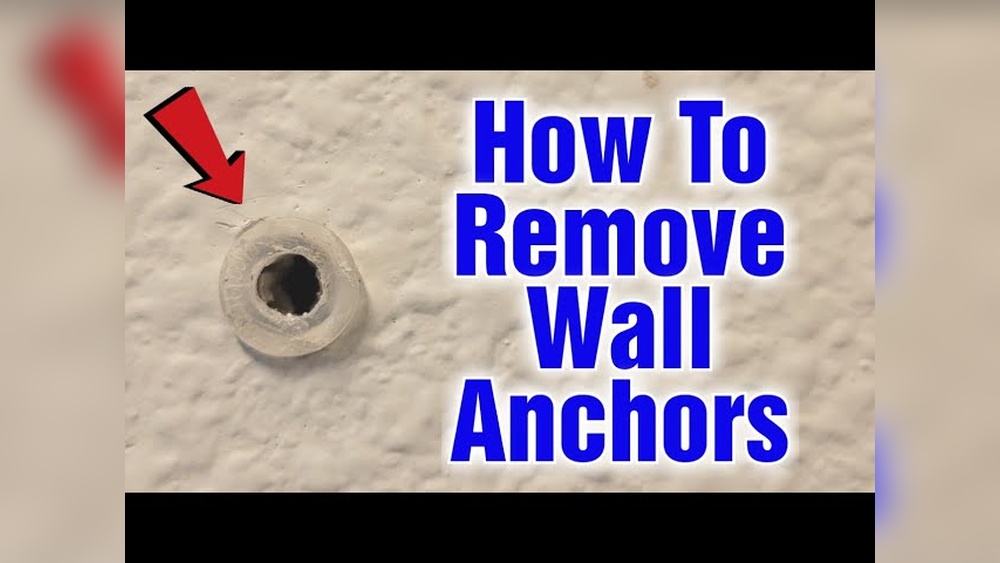
Credit: www.youtube.com
Tips For Stronger Support
Strong support is key when installing drywall anchors. It helps hold heavy items safely on your walls. Simple steps can improve how well anchors hold. These tips ensure your anchors stay secure and last longer.
Using Multiple Anchors
Spread the weight across several anchors. This reduces stress on each anchor point. Use two or more anchors for heavy objects. Space them evenly for better balance and strength.
Avoiding Over-tightening
Tighten screws just enough to hold the item firmly. Over-tightening can damage the drywall and anchor. It can cause anchors to lose grip or break. Stop turning the screw when it feels tight.
Maintaining Wall Integrity
Check the wall condition before installing anchors. Avoid placing anchors near damaged or crumbly areas. Use anchors suited for drywall, not plaster or brick. Keep the wall strong for better anchor support.
Credit: www.moneypit.com
Frequently Asked Questions
What Tools Do I Need For Drywall Anchors?
You need a drill, drywall anchors, screwdriver, and a pencil. These tools ensure accurate placement and secure installation of anchors. Always choose the right anchor type for your wall’s weight and material.
How Do I Choose The Right Drywall Anchor?
Select anchors based on the wall type and item weight. Plastic anchors work for light loads, while metal anchors suit heavier items. Check the packaging for weight limits to ensure safety and stability.
Can I Install Drywall Anchors Without A Drill?
Yes, some anchors can be installed by hand using a screwdriver. However, a drill makes the process faster and more precise. For larger anchors, pre-drilling a hole is usually necessary to avoid wall damage.
How Deep Should I Drill For Drywall Anchors?
Drill a hole slightly smaller than the anchor’s diameter. This ensures a tight fit and better holding power. Avoid drilling too deep to prevent weakening the drywall or causing anchor slippage.
Conclusion
Putting a drywall anchor in the wall is simple with the right steps. Start by choosing the correct anchor type for your needs. Drill a hole carefully, then insert the anchor firmly. Tighten the screw to secure your item safely.
This method holds pictures, shelves, and more without damage. Practice helps improve your skill and confidence. Now, you can hang items securely and avoid wall problems. Try it yourself and see how easy it can be.