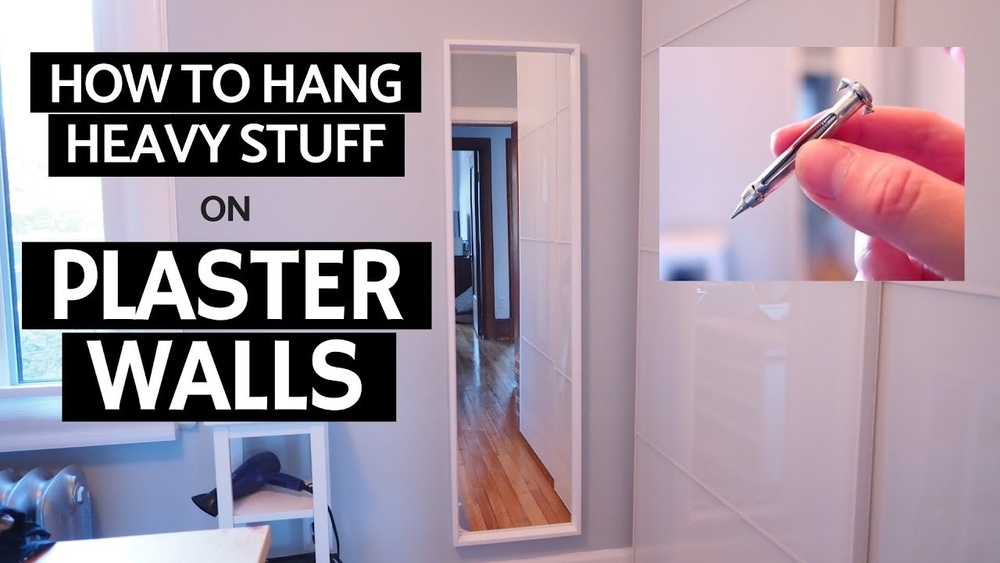
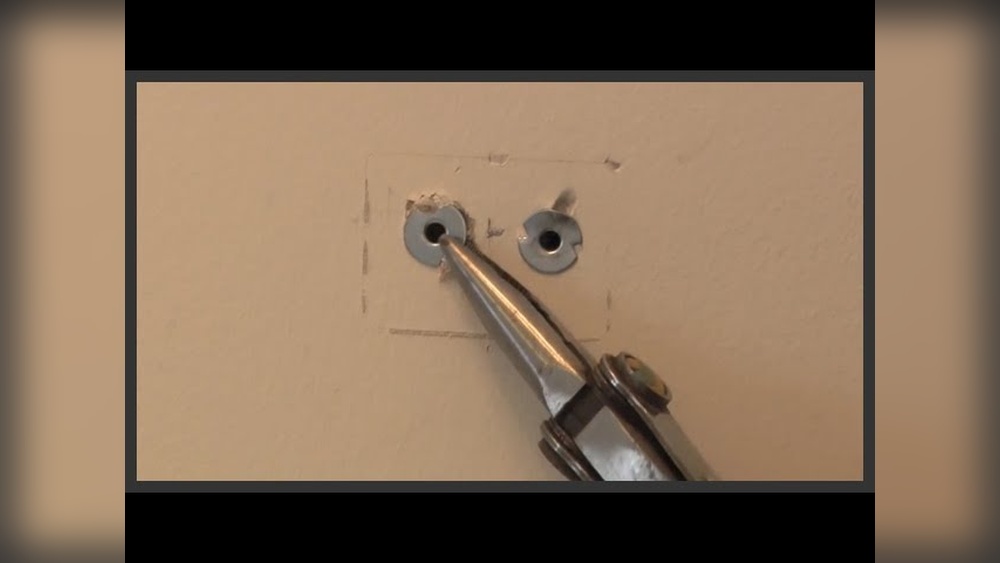
Are you tired of your towel rack falling off the wall every time you hang a towel? Anchoring a towel rack securely into a sheetrock wall can be tricky, but it doesn’t have to be.
In this guide, you’ll learn simple, step-by-step techniques to make sure your towel rack stays put—no more loose screws or shaky racks. Whether you’re a DIY newbie or just want a reliable fix, this article will give you the confidence and know-how to get the job done right.
Keep reading, and say goodbye to wobbly towel racks for good.

Credit: diy.stackexchange.com
Choosing The Right Anchor
Choosing the right anchor is key to secure your towel rack in a sheetrock wall. The anchor holds the rack steady and prevents damage. Picking the wrong one can cause the rack to fall or the wall to crack. Understand the types of anchors and their strength before starting your project. Consider the weight your towel rack will carry to choose the best fit.
Types Of Wall Anchors
There are many types of wall anchors for sheetrock. Plastic expansion anchors are common and easy to use. They work well for light loads like small towel racks. Metal anchors, like molly bolts, expand inside the wall for a stronger hold. Toggle bolts have wings that open behind the wall, giving extra support for heavy items. Each type fits different needs and wall thicknesses.
Best Anchors For Sheetrock
Plastic anchors suit light-duty towel racks and small towels. For medium weight, metal molly bolts work better. Toggle bolts are the strongest and best for heavy racks or multiple towels. They spread the load across a larger area behind the wall. Choose anchors that match your towel rack size and expected use. Proper anchors protect your wall and keep the rack stable.
Weight Capacity Considerations
Check the weight your towel rack will hold before picking an anchor. Light anchors support up to 10 pounds safely. Metal anchors hold 25 to 50 pounds or more. Toggle bolts can support even heavier loads. Think about wet towels and extra weight added over time. Choosing an anchor with enough capacity ensures safety and durability for your towel rack.
Tools And Materials Needed
Anchoring a towel rack in a sheetrock wall requires specific tools and materials. Using the right items makes the installation safe and sturdy. Having everything ready will save time and avoid mistakes.
Essential Tools
Start with a drill to make holes in the wall. A screwdriver will help tighten screws securely. Use a tape measure for accurate placement. A pencil marks the spots for drilling. A level ensures the rack is straight. A stud finder helps locate wall studs for stronger support.
Recommended Anchors And Screws
Choose anchors designed for sheetrock walls. Plastic expansion anchors work for light loads. Toggle bolts provide extra strength for heavier racks. Use screws that fit the anchors tightly. Make sure the screws are long enough to hold the rack firmly.
Safety Gear
Wear safety goggles to protect your eyes from dust. Gloves protect your hands from sharp tools and edges. Use a dust mask to avoid inhaling wall debris. Keep a first aid kit nearby for minor injuries. Safety first keeps the project trouble-free.
Locating The Mounting Spot
Finding the right spot to mount your towel rack is important for strong support. A secure location keeps the rack steady and holds weight without falling. This section guides you through choosing the best place on your sheetrock wall for installation.
Finding Wall Studs
Wall studs are wooden beams behind the sheetrock. Screwing into studs gives the towel rack strong support. Use a stud finder tool to locate these beams. Move the tool slowly across the wall. Mark the edges of each stud to find its center. Mounting on a stud is the best option.
Marking Anchor Points
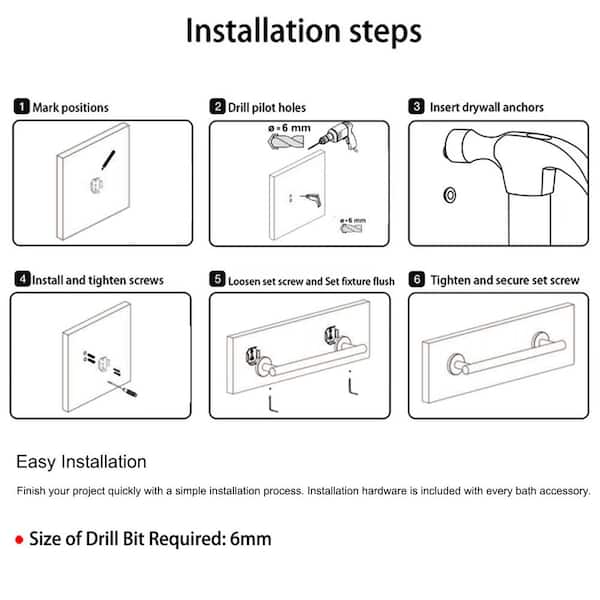
Measure the towel rack’s mounting holes. Transfer these measurements to the wall. Use a pencil to mark the exact spots. Double-check the marks to ensure they are level. Accurate marks help drill holes in the right place. This step prevents unnecessary damage to the wall.
Avoiding Electrical And Plumbing
Behind sheetrock, wires and pipes run through walls. Drilling into them can cause damage or danger. Use a wire detector or check building plans for hidden wires and pipes. Avoid mounting near switches, outlets, or plumbing fixtures. Choose a safe spot to protect your home and yourself.
Credit: www.homedepot.com
Preparing The Wall
Preparing the wall is the first step to secure your towel rack properly. A well-prepared wall ensures strong support and prevents damage. Take your time to do this right. This will make the installation smooth and the rack stable.
Focus on the surface and measurements. Check the wall condition and mark the spots carefully. These simple tasks help avoid mistakes later.
Drilling Pilot Holes
Mark the points where you want to place the towel rack. Use a pencil for clear marks. Choose a drill bit smaller than your screws. Drill slowly and straight. Pilot holes guide the screws and reduce wall damage. This step makes screwing easier and stronger.
Cleaning The Area
Remove dust and debris from the drilled holes. Use a brush or cloth to wipe the surface clean. A clean wall helps anchors stick better. Dust can weaken the hold and cause the rack to fall.
Ensuring Level Alignment
Use a level tool to check your marks. Make sure they are perfectly horizontal. A crooked rack looks bad and may cause towels to slide off. Adjust the marks before drilling. This simple check saves time and frustration.
Installing The Anchors
Installing anchors is key to securing a towel rack on a sheetrock wall. Sheetrock alone cannot hold much weight. Anchors spread the load and keep the rack stable. Choose the right anchor type for your wall and towel rack size. Follow these steps to install anchors properly.
Inserting Plastic Anchors
Plastic anchors are common and easy to use. First, drill a hole in the sheetrock. The hole size should match the anchor diameter. Push the plastic anchor into the hole until it sits flush with the wall. Tap gently with a hammer if needed. Screw the towel rack bracket into the anchor. The plastic expands inside the wall, holding firmly.
Using Toggle Bolts
Toggle bolts offer strong support for heavier racks. Drill a hole larger than the toggle wings. Fold the wings and push the bolt through the hole. The wings open inside the wall, creating a wide grip. Pull back gently on the bolt to lock it in place. Tighten the screw to secure the towel rack bracket.
Expanding Molly Bolts
Molly bolts work well for medium-weight loads. Drill a hole matching the molly bolt size. Insert the molly bolt into the hole. Tighten the screw slowly. This action expands the sleeve behind the wall. The expanded sleeve grips the sheetrock firmly. Remove the screw, mount the bracket, and reinsert the screw to finish.
Mounting The Towel Rack
Mounting the towel rack on a sheetrock wall needs care. Proper steps help the rack hold weight without damage. Follow these simple instructions to install your towel rack securely and neatly.
Aligning The Rack
Start by holding the towel rack against the wall. Use a level to make sure it is straight. Mark the spots for the screws on the sheetrock. These marks guide you to drill in the right places.
Securing Screws
Drill holes at the marked points. Insert wall anchors into these holes to support the screws. Screw the towel rack firmly into the anchors. Tighten the screws but avoid over-tightening to prevent damage.
Checking Stability
After securing, gently pull the towel rack. It should not move or wobble. If it feels loose, tighten the screws more. A stable rack will hold towels without falling or bending.
Tips For Long-lasting Installation
Securing a towel rack to a sheetrock wall requires care for it to last long. Small steps taken during installation and after help keep it sturdy and safe. Follow simple tips to avoid common problems and keep your towel rack firm.
Here are key points to ensure your towel rack stays strong and reliable over time.
Regular Maintenance
Check the towel rack often for any loose screws or parts. Tighten screws as needed to keep it secure. Clean the rack with a soft cloth to avoid rust or damage. Regular checks stop small problems from becoming big issues. This care extends the rack’s life and safety.
Weight Limit Recommendations
Do not hang heavy items on the towel rack. Follow the weight limits given by the manufacturer. Overloading the rack can pull it out of the wall. Use the rack only for towels or light items. Respecting weight limits helps avoid wall damage and accidents.
Avoiding Common Mistakes
Do not skip using wall anchors made for sheetrock. Anchors spread the weight and prevent holes from widening. Avoid drilling holes too close to edges or studs. Use a level to keep the rack straight. Avoid using weak screws or nails. These errors cause the rack to loosen or fall.

Credit: www.youtube.com
Frequently Asked Questions
What Tools Are Needed To Anchor A Towel Rack In Sheetrock?
You need a drill, screwdriver, level, tape measure, anchors, and screws. These tools ensure a secure and level installation on sheetrock walls.
How Do You Find Studs For Towel Rack Installation?
Use a stud finder to locate studs behind the sheetrock. Anchoring into studs provides the strongest support for the towel rack.
What Type Of Anchors Work Best For Sheetrock Walls?
Toggle bolts or molly bolts are ideal. They provide strong hold and prevent the towel rack from pulling out under weight.
Can I Install A Towel Rack Without Studs?
Yes, using heavy-duty wall anchors allows installation without studs. Anchors distribute weight evenly to keep the towel rack stable on sheetrock.
Conclusion
Anchoring a towel rack in sheetrock walls is simple with the right steps. Use proper anchors to hold the rack firmly in place. Measure and mark carefully before drilling any holes. This keeps the rack stable and prevents damage to your wall.
Taking time to do it right saves you from future repairs. Now, enjoy a sturdy towel rack that lasts. A small effort brings big results in your bathroom setup.