Are you struggling to hang heavy items on your wooden walls without worrying they might fall? Installing wall anchors in wood is the simple solution you need.
With the right technique, you can secure shelves, mirrors, or artwork safely and confidently. In this guide, you’ll learn easy steps to install wall anchors perfectly every time—no guesswork, no damage, just strong support. Keep reading, and soon you’ll have the skills to tackle any wall project like a pro.
Credit: www.do-it-yourself-help.com
Types Of Wall Anchors For Wood
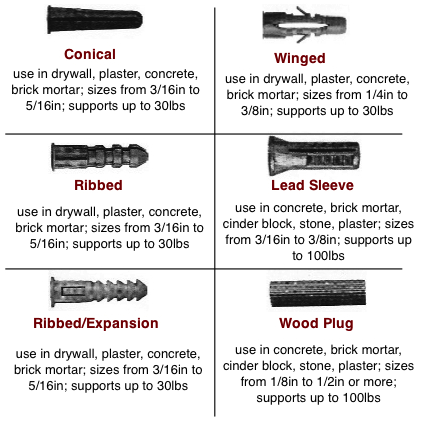
Choosing the right wall anchor is key for strong, secure attachments in wood. Different anchors work best for different weights and types of loads. Knowing the types helps you pick the right one for your project. Below are common wall anchors used in wood.
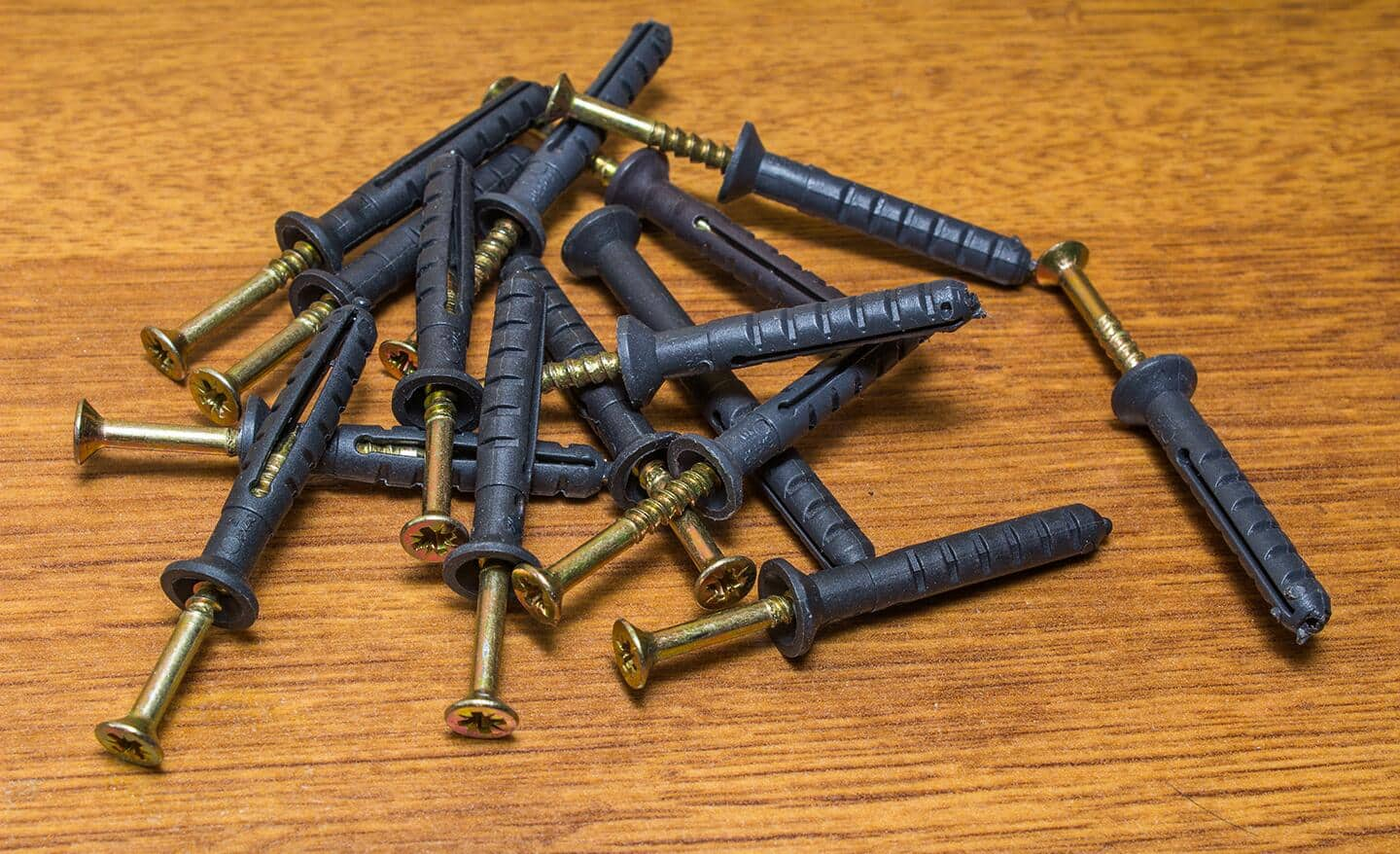
Plastic Expansion Anchors
Plastic expansion anchors are simple and easy to use. You drill a hole, push the anchor in, then screw into it. The anchor expands in the hole, gripping the wood tightly. They work well for light loads like picture frames.
Threaded Drywall Anchors
Threaded drywall anchors screw directly into the wood without pre-drilling. They create strong hold by threading into the wood fibers. Ideal for medium-weight items like shelves or hooks. They resist pulling out better than plastic anchors.
Toggle Bolts
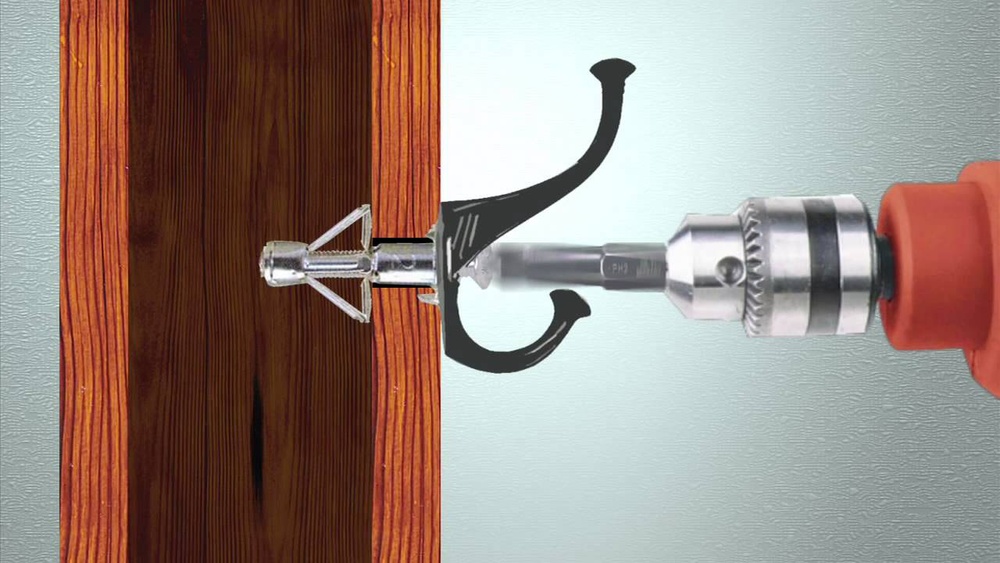
Toggle bolts have wings that open inside the wall for extra grip. Insert them through a drilled hole, then tighten the screw. They spread the load over a larger area. Best for heavy items that need strong support.
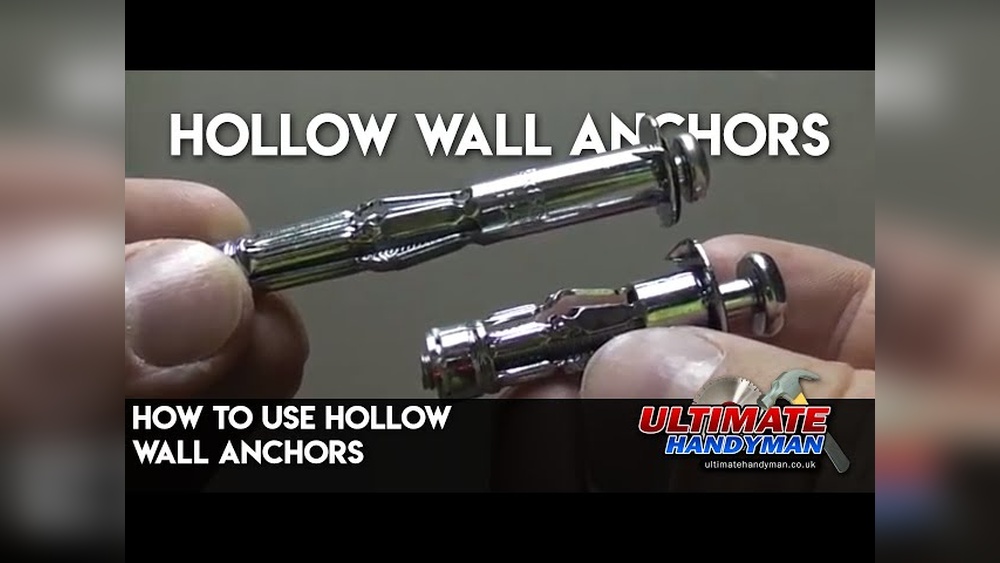
Molly Bolts
Molly bolts expand behind the wood when you tighten the screw. This creates a solid anchor point inside the wall. Good for medium to heavy items, such as cabinets or mirrors. They hold firmly without damaging the wood.
Tools And Materials Needed
Before installing wall anchors in wood, gather the right tools and materials. Having everything ready makes the job easier. It helps you work faster and with better results.
Drill And Drill Bits
A drill is essential for making holes in the wood. Choose drill bits that match the size of the wall anchors. This ensures a snug fit and strong hold. Use a drill with variable speed for better control.
Screwdriver
A screwdriver is needed to insert screws into the anchors. Select a screwdriver that fits the screw heads perfectly. A manual or electric screwdriver both work well. This tool helps secure the anchors tightly.
Measuring Tape
Measuring tape helps you mark the exact spot for the anchors. Accurate measurements prevent mistakes and keep things level. Measure twice before drilling to avoid errors. It ensures a neat and professional finish.
Wall Anchors And Screws
Choose wall anchors designed for wood surfaces. Pick anchors and screws that fit together properly. The right size supports the weight of your items. Quality anchors prevent damage and keep everything secure.
Preparing The Wood Surface
Preparing the wood surface is a key step before installing wall anchors. It ensures the anchor holds firmly and stays secure over time. Taking time to prepare the surface can save effort later. It helps avoid damage to the wood and keeps your project safe and sturdy.
Locating The Anchor Spot
Find the exact spot where the anchor will go. Choose a place with enough wood around it. Avoid edges or weak spots that may crack. Use a ruler or tape to measure and pick the best location.
Marking Drill Points
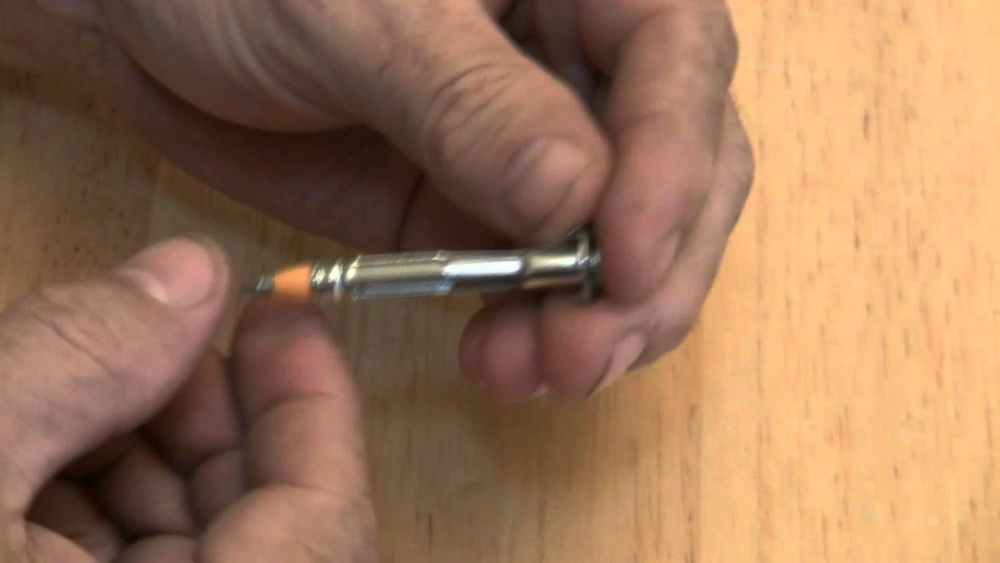
Mark the spot clearly with a pencil. Make a small dot to guide the drill bit. Ensure the mark is visible but not too large. This helps drill the hole in the right place. Accurate marking prevents mistakes and weak fixing.
Checking For Obstructions
Look inside the wood for nails, screws, or wires. Use a stud finder or metal detector to check. Avoid drilling where there are hidden objects. Drilling into obstructions can cause damage or injury. Clear the area to keep your project safe.

Credit: www.confast.com
Step-by-step Installation Process
Installing wall anchors in wood is a simple task with the right steps. Follow each part carefully for a strong hold. The process includes drilling, inserting, securing, and testing the anchor. This guide breaks down each step clearly.
Drilling The Pilot Hole
Start by marking the spot on the wood. Use a drill bit that fits the anchor size. Drill a straight hole to the right depth. Keep the drill steady to avoid splintering the wood. Clean out any debris from the hole.
Inserting The Anchor
Push the anchor gently into the hole. If needed, tap it lightly with a hammer. The anchor should fit snugly without bending. Do not force it too hard to avoid damage. Ensure the anchor sits flush with the wood surface.
Securing The Screw
Choose a screw that matches the anchor size. Insert the screw into the anchor carefully. Use a screwdriver or drill with a low speed. Tighten the screw until it feels secure. Avoid over-tightening to prevent stripping the anchor.
Testing Anchor Stability
Gently pull on the screw to check firmness. The anchor should not move or wiggle. If it shifts, try tightening the screw again. For loose anchors, consider using a larger size. Confirm the anchor holds well before hanging anything.
Tips For Stronger Support
Strong wall anchors hold heavy items safely and prevent damage. Follow simple tips to improve anchor support in wood. Small details make a big difference in strength and durability.
Choosing The Right Anchor Size
Select anchors sized for your wall thickness and weight needs. Too small anchors may fail under pressure. Too large anchors can split the wood. Match the anchor size to the screw size for best grip.
Avoiding Over-tightening
Tighten screws just enough to hold the anchor firmly. Over-tightening can crack the wood or strip the anchor’s grip. Stop turning the screw when you feel resistance. This keeps the anchor secure without damage.
Spacing Multiple Anchors
Place anchors at least 6 inches apart to share the load. Crowding anchors weakens the wood and reduces support. Proper spacing prevents splitting and holds heavier objects safely. Plan anchor placement before drilling to ensure even support.
Credit: www.homedepot.com
Common Mistakes To Avoid
Installing wall anchors in wood seems simple but often goes wrong. Many mistakes cause weak holds or damage. Avoid these common errors to ensure a strong, safe fit.
Using Incorrect Drill Bit Size
Choose the right drill bit size for the anchor. Too large a hole makes the anchor loose. Too small, and it won’t fit properly. Measure carefully before drilling. This step ensures a secure hold and prevents wood damage.
Ignoring Weight Limits
Each wall anchor has a weight limit. Exceeding this limit risks failure and damage. Check the anchor’s specifications before use. Match anchors to the object’s weight for safety.
Skipping Pilot Holes
Pilot holes guide the anchor and prevent wood splitting. Skipping this step can crack or weaken the wood. Always drill a small pilot hole first. It makes inserting anchors easier and safer.
Frequently Asked Questions
What Types Of Wall Anchors Work Best For Wood?
Plastic expansion anchors and self-drilling anchors work best for wood. They provide strong hold without damaging the wood fibers. Choose anchors rated for the weight you plan to support to ensure safety and durability.
How Do I Prepare Wood For Wall Anchor Installation?
Start by drilling a pilot hole slightly smaller than the anchor diameter. This prevents wood splitting and ensures a tight fit. Clean out any debris from the hole before inserting the anchor.
Can I Install Wall Anchors In Hardwood?
Yes, but use anchors designed for hardwood or pre-drill a pilot hole. Hardwood is denser, so proper preparation prevents cracking and ensures strong anchoring.
How Do I Know The Right Size Anchor For Wood?
Match the anchor size to the screw and the weight of the item. Check manufacturer guidelines for maximum load ratings to avoid overloading and failure.
Conclusion
Installing wall anchors in wood is simple with the right steps. Choose the correct anchor size for your project. Drill a pilot hole carefully to avoid splitting the wood. Insert the anchor firmly and tighten the screw slowly. This ensures a strong hold for your items.
Taking your time helps avoid mistakes and damage. Now, your wall can support shelves, pictures, or hooks safely. Practice makes the process easier and faster. Give it a try and see the difference yourself.