Is your deadbolt lock feeling loose and unreliable? A shaky lock isn’t just annoying—it can put your home’s security at risk.
But don’t worry, fixing it is easier than you think. In this guide, you’ll discover simple steps to tighten your deadbolt lock quickly and keep your door secure. Keep reading, and you’ll have your lock working like new in no time.
Signs Of A Loose Deadbolt
A loose deadbolt lock can cause many problems at home. It may not secure your door properly. This can lead to safety risks and frustration. Knowing the signs of a loose deadbolt helps fix the issue early. It saves time and keeps your home safe.
Identifying Common Issues
A deadbolt that moves too much is a clear sign. The lock might wiggle or feel loose when you turn the key. You may hear rattling sounds inside the door. The bolt may not slide smoothly into the strike plate. Sometimes, the key gets stuck or turns with difficulty. These issues show the deadbolt is not tight enough.
Risks Of Ignoring The Problem
A loose deadbolt weakens your door’s security. It becomes easier for someone to force it open. This puts your home and family at risk. The lock may break completely over time. Repair costs increase if ignored. It also causes inconvenience and stress. Fixing the deadbolt early avoids these risks.
Credit: www.doityourself.com
Tools Needed For Repair
Fixing a loose deadbolt lock requires a few basic tools. These tools help tighten screws and adjust the lock parts. Having the right tools saves time and makes the job easier. Below is a list of tools you need for the repair.
Essential Tools List
- Screwdriver (flathead and Phillips) – for removing and tightening screws
- Allen wrench – needed for some deadbolt models
- Adjustable wrench – to hold or turn nuts
- Flashlight – to see inside the lock area clearly
- Replacement screws – in case old ones are stripped or damaged
Optional Tools For Better Results
- Wood filler – to fix any worn or enlarged screw holes
- Drill with bits – to make new holes if needed
- Lubricant spray – to ease lock movement and prevent rust
- Measuring tape – to check lock alignment
- Small hammer – to tap parts gently into place
Preparing The Deadbolt
Preparing the deadbolt is the first step to fix a loose lock. This stage helps you understand the problem clearly. A clean and well-prepared deadbolt works better and lasts longer.
Removing The Lock Hardware
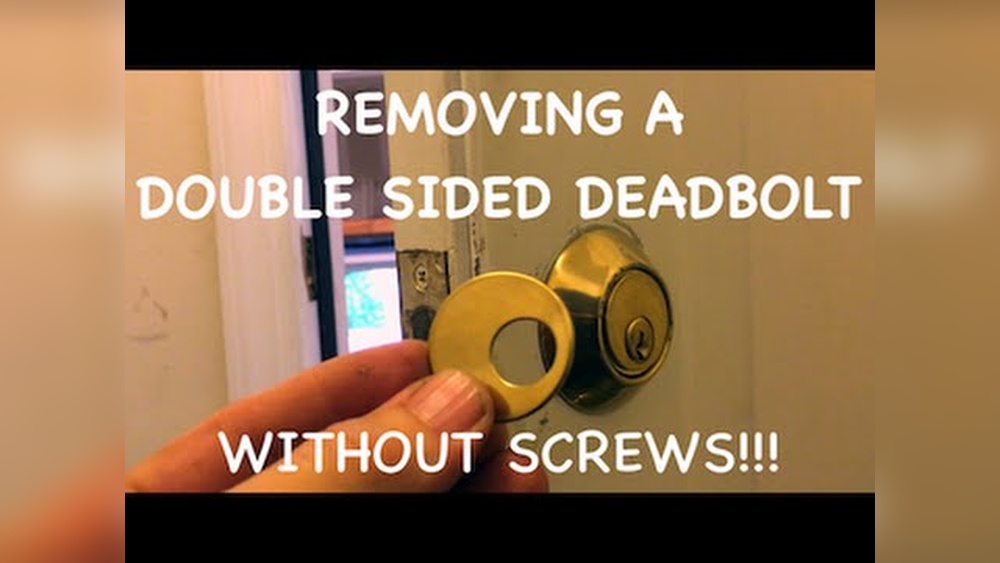
Start by unscrewing the lock from the door. Use a screwdriver that fits the screws well. Keep the screws safe to avoid losing them. Gently pull the lock parts away from the door. Take care not to force anything. This makes the next steps easier and safer.
Cleaning The Components
Use a soft cloth to wipe dust and dirt from the parts. Check for old grease or rust on the metal pieces. Clean these areas with a little rubbing alcohol or soapy water. Dry all parts completely before putting them back. Clean parts help the deadbolt move smoothly and fit tightly.
Tightening The Deadbolt
Tightening the deadbolt is a key step to ensure your door stays secure. A loose deadbolt can make your home less safe and cause the lock to fail over time. By tightening the parts, you improve the lock’s function and feel.
This process involves adjusting screws and securing parts. Both tasks are simple and require only basic tools. The goal is to make sure the deadbolt fits snugly and moves smoothly.
Adjusting Screws And Plates
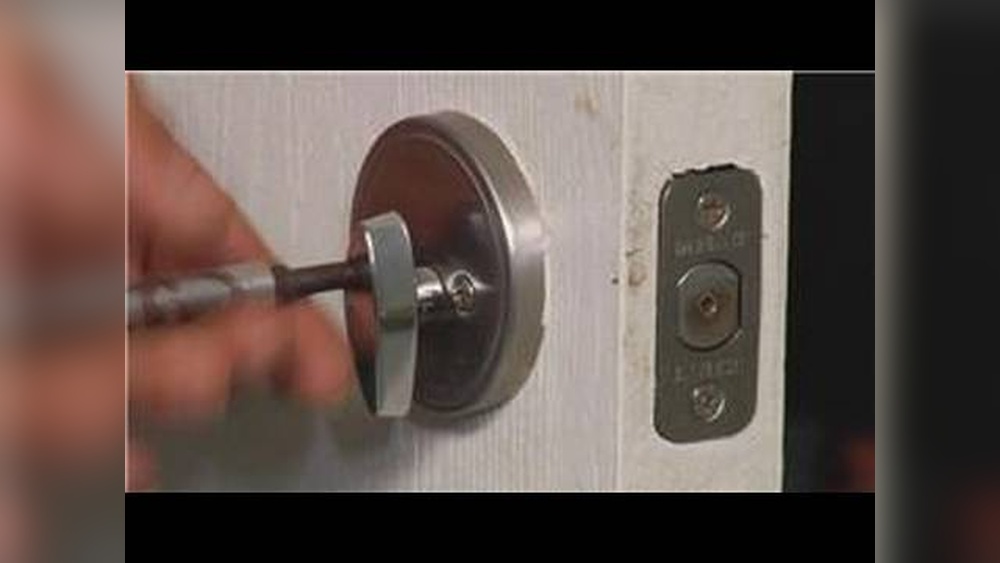
Start by checking the screws on the lock faceplate. These screws hold the lock to the door. Use a screwdriver to tighten each screw firmly. Do not overtighten to avoid stripping the screw holes.
Next, look at the strike plate on the door frame. This plate catches the deadbolt when it closes. Tighten the screws here as well. If the plate is loose, the deadbolt won’t lock properly.
Securing Loose Parts
Inspect the deadbolt cylinder and the thumb turn inside. Loose parts can cause the lock to wobble. Tighten any screws holding these parts in place.
Check the bolt itself. It should slide in and out smoothly. If it feels loose, tighten the screws on the bolt housing. This will keep the bolt stable and secure.
Replacing Worn Parts
Replacing worn parts is a key step to fix a loose deadbolt lock. Over time, parts inside the lock wear out. This causes the lock to feel loose or not work well. Changing these parts can make your lock secure again. It also saves money compared to buying a new lock. Understanding which parts need replacement helps you fix the deadbolt quickly and safely.
Identifying Damaged Components
Start by removing the deadbolt from the door. Check the screws and faceplate for signs of wear. Look for cracks or bends in the latch bolt. Test the turning mechanism inside the lock. If it feels loose or sticks, those parts might be damaged. Springs and small pins can break over time. Note any parts that look rusty or worn out. This helps you know exactly what needs replacing.
Choosing Replacement Parts
Use the lock’s model number to find correct parts. Choose parts made from strong materials like brass or steel. Avoid cheap or generic parts that may break fast. Pick parts that match the size and shape of your old components. Check if the new parts come with instructions. This makes installation easier. Buy parts from trusted stores or online shops. Quality parts improve your lock’s life and safety.
Testing The Lock
Testing the lock is a key step after fixing a loose deadbolt. It shows if the lock works well and keeps your door safe. Careful testing helps find small issues early. This way, you avoid bigger problems later. Follow these simple checks to test your deadbolt lock properly.
Checking Alignment
Start by closing the door slowly. Watch the bolt as it moves into the strike plate. The bolt should slide in easily without rubbing or sticking. Check if the bolt lines up with the hole in the strike plate. Misalignment can cause the lock to feel loose or jam. Adjust the strike plate if needed for better fit and security.
Ensuring Smooth Operation
Turn the key or thumb turn smoothly. The bolt should move without force or hesitation. Listen for any grinding or unusual sounds. These signs mean the lock parts may not fit well. Lubricate the lock with a graphite spray if it feels stiff. Test the lock several times to confirm it works well every time.
Preventing Future Looseness
Preventing future looseness in your deadbolt lock saves time and keeps your home safe. Loose locks can make your door less secure and cause damage over time. Regular care helps your lock stay tight and work well. Small steps taken often make a big difference in lock performance.
Regular Maintenance Tips
Check your deadbolt lock every few months. Tighten any loose screws with a screwdriver. Use a dry cloth to clean dirt and dust from the lock. Avoid using oil or grease; these can attract dirt and cause problems.
Turn the key and knob to make sure they move smoothly. If you feel resistance, spray a small amount of graphite lubricant inside. Replace worn or damaged parts quickly to avoid bigger issues. Keep the door and frame aligned so the lock fits well.
When To Call A Professional
Some lock problems need expert help. Call a locksmith if the lock stays loose after tightening screws. If the key gets stuck or the lock jams often, it needs a professional’s touch. A locksmith can check for hidden damage or parts that need replacement.
Do not force the lock; this can cause more damage. Professionals have tools and skills to fix locks safely. Regular checks by a locksmith can keep your deadbolt strong and reliable.

Credit: www.reddit.com

Credit: www.youtube.com
Frequently Asked Questions
How Do I Tighten A Loose Deadbolt Lock?
To tighten a loose deadbolt, first remove the screws on the faceplate. Then, realign the lock and securely fasten the screws. Check for any worn parts and replace if necessary to ensure the lock functions properly.
What Tools Are Needed To Fix A Loose Deadbolt?
You typically need a screwdriver, replacement screws, and possibly a drill. A flashlight helps see inside the lock. These tools allow you to tighten or replace parts safely and efficiently.
Why Is My Deadbolt Lock Still Loose After Tightening?
If the deadbolt remains loose, internal parts may be worn or broken. The strike plate might be misaligned. Inspect all components and consider replacing damaged parts for a secure fit.
Can A Loose Deadbolt Compromise Home Security?
Yes, a loose deadbolt weakens door security. It makes it easier for intruders to force entry. Fixing it promptly ensures your home remains safe and secure.
Conclusion
Fixing a loose deadbolt lock keeps your home safe and secure. Tighten screws and check the strike plate often. Small adjustments can stop the lock from wobbling. Regular care helps your lock last longer. Taking these simple steps saves time and money.
Keep your door steady and your mind at ease. A secure lock means a safer home for everyone. Try these tips today and feel the difference.