You want your home to feel safe, but what if someone tries to get in by picking your deadbolt lock? Understanding how thieves pick locks can help you choose the right deadbolt to protect your home.
You’ll discover simple yet powerful insights about how deadbolt locks work and what makes some easier to pick than others. By the time you finish reading, you’ll know exactly what to look for to keep your door secure and your mind at ease.
Ready to learn how to stop a lockpicker in their tracks? Let’s dive in.

Credit: www.youtube.com
Types Of Deadbolt Locks
Deadbolt locks provide strong security for doors. They come in different types. Each type suits different needs and door types. Understanding these types helps you choose the right one for your home or office.
Single Cylinder Deadbolts
Single cylinder deadbolts have a keyhole outside. Inside, they use a thumbturn to lock and unlock. They are easy to use and common for many homes. Best for doors with glass far from the lock area.
Double Cylinder Deadbolts
Double cylinder deadbolts need a key on both sides. No thumbturn inside. This adds extra security for doors with glass near the lock. It stops intruders from breaking glass and opening the door. Use carefully for safety in emergencies.
Lockable Thumbturn Deadbolts
Lockable thumbturn deadbolts combine features of single and double cylinders. They have a thumbturn inside that can lock with a key. You can lock or unlock the thumbturn as needed. Good for homes needing flexible security options.
Keyless And Smart Deadbolts
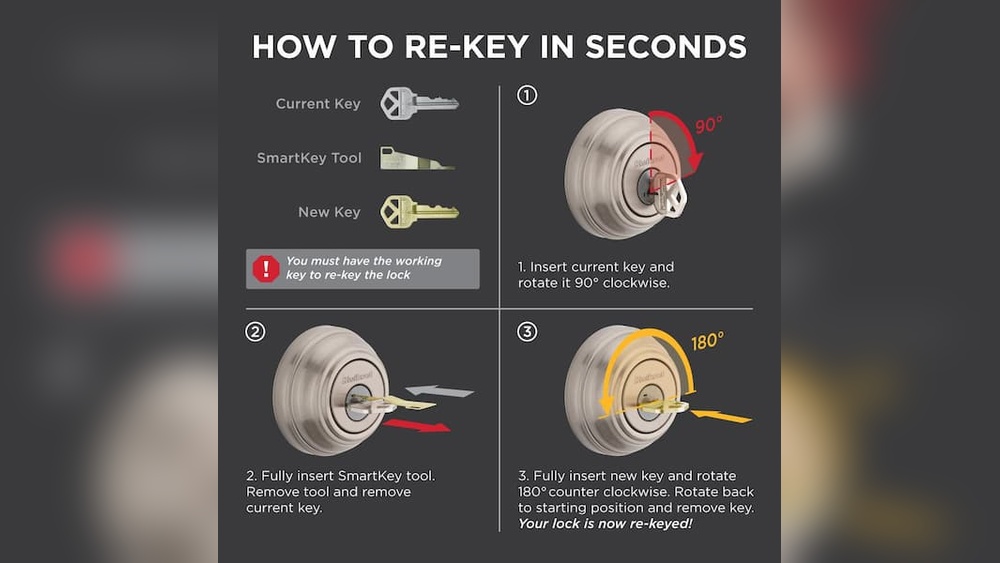
Keyless deadbolts use codes instead of keys. Smart deadbolts connect to phones or smart home devices. They offer convenience and remote control. Some models track who enters and leaves. Great for tech-friendly users who want easy access.
Credit: www.youtube.com
Materials And Build Quality
Choosing a deadbolt lock means paying close attention to its materials and build quality. These factors decide how strong and durable the lock will be. A well-built lock can protect your home better and last longer.
Steel Vs. Brass Vs. Zinc
Steel is very strong and hard to break. It is the best choice for security. Brass looks nice and resists rust well. It is good for outdoor use. Zinc is cheaper but not as strong. It can wear out faster over time.
Bolt And Housing Strength
The bolt must be thick and sturdy. A strong bolt stops forced entry. The housing, the part around the bolt, should be solid metal. Weak housing can be broken easily. Look for locks with reinforced bolts and housing.
Weather Resistance Features
Outdoor locks face rain, snow, and heat. Rust can damage the lock parts. Choose locks with rust-resistant coatings. Some have special seals to keep water out. These features help the lock work well for years.
Security Ratings And Certifications
Security ratings and certifications help you choose a strong deadbolt lock. They show how well a lock can protect your home. These marks come from tests done by experts. They tell you which locks resist break-ins and last longer. Understanding these ratings helps you pick the right lock for safety.
Ansi/bhma Grading System
The ANSI/BHMA grading system rates deadbolt locks from Grade 1 to Grade 3. Grade 1 means the lock is the strongest and toughest. It is used in commercial buildings and high-security homes. Grade 2 is good for residential use and offers solid protection. Grade 3 is the basic level, suitable for low-risk areas. Choosing a lock with a higher grade improves your home security.
Ul And Other Certifications
UL certification shows that a lock meets safety and fire standards. It tests how locks perform under harsh conditions. Other certifications include tests for forced entry resistance. These marks prove the lock can handle real attacks. Look for UL or similar certifications to ensure quality and safety.
Pick And Bump Resistance
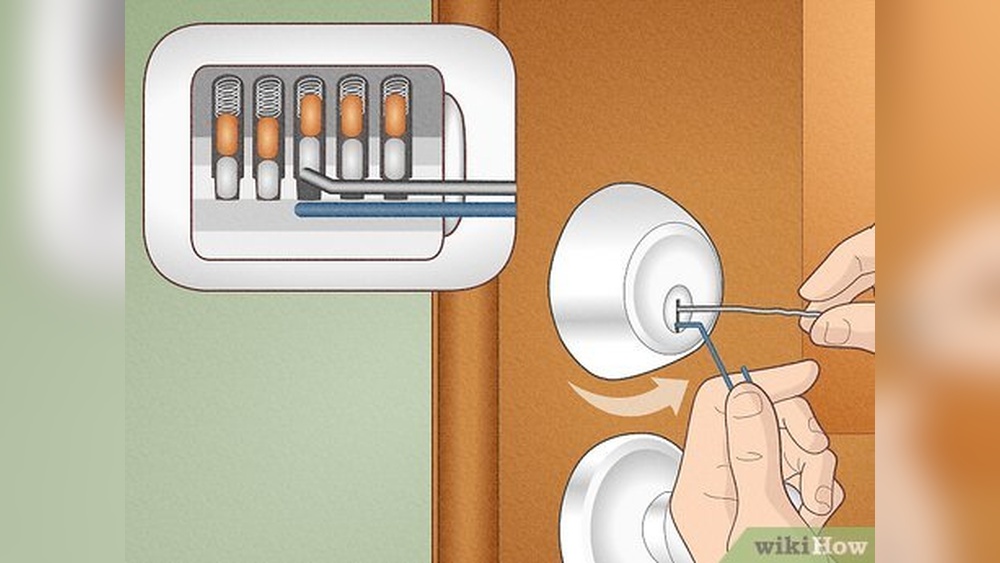
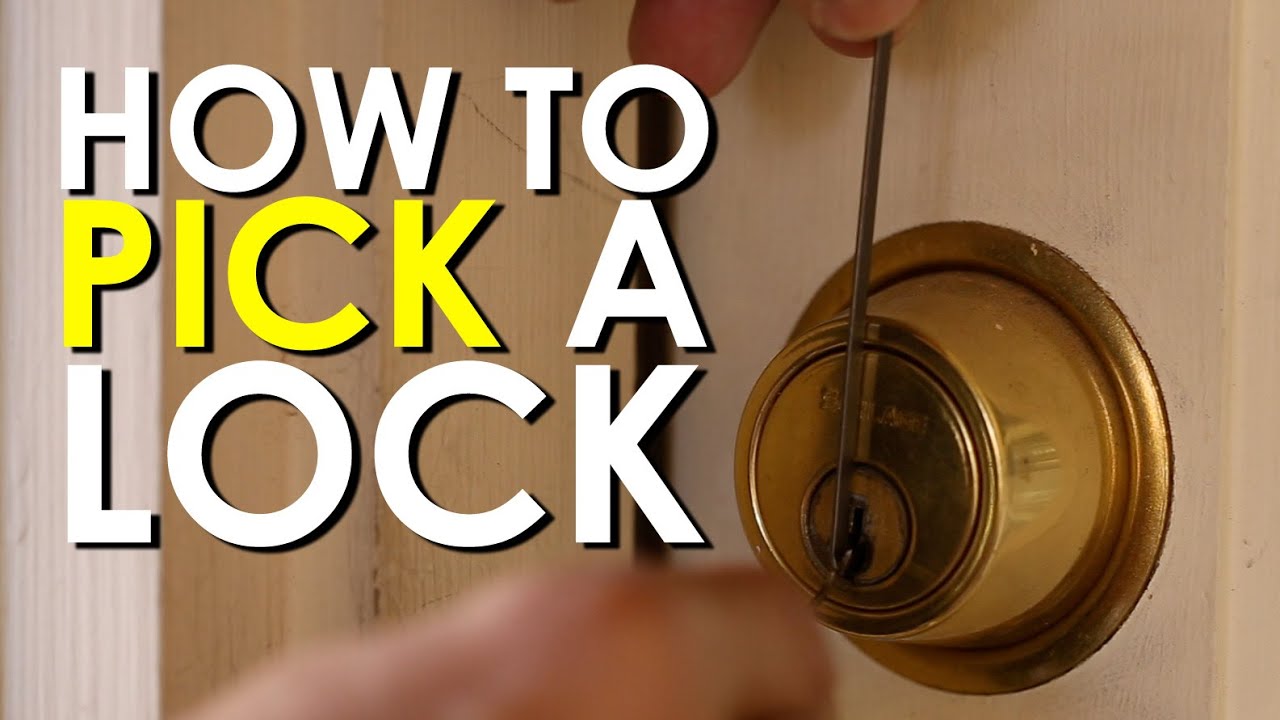
Pick and bump resistance means the lock is hard to open without the key. Picking uses tools to unlock the lock quietly. Bumping uses a special key to force it open quickly. Locks with high resistance protect against these tricks. Check for this feature to keep intruders out.

Credit: www.wikihow.com
Installation Considerations
Installing a deadbolt lock is not just about choosing the right model. Consider the door and the lock’s fit. Proper installation ensures better security and longer lock life. Think about the type of door, bolt length, and extra support options. These factors help the lock work well and keep your home safe.
Door Compatibility
Not all deadbolts fit every door. Check the door material first. Wood, metal, and fiberglass doors may need different locks. Measure door thickness carefully. Most deadbolts fit doors 1 3/8 to 1 3/4 inches thick. Make sure the lock’s design matches your door’s style. This avoids installation problems and weak spots.
Bolt Throw Length
Bolt throw length is how far the bolt extends into the door frame. Longer throws provide better security. Standard bolts extend about one inch. Some locks offer 1 1/2 inch or more. Match bolt length with door frame strength. A longer bolt needs a strong frame to resist force. Choose a bolt length that fits your security needs and door frame.
Reinforcement Options
Reinforcing your door helps deadbolts work better. Strike plates and door jamb reinforcements add strength. Use heavy-duty strike plates with extra long screws. These screws reach deep into the wall studs. Reinforcement kits are easy to install. They reduce the chance of the door being forced open. Consider reinforcement for weak or old doors.
Convenience And Usability
Choosing a deadbolt lock involves more than just security. Convenience and usability matter a lot. A lock should be easy to use every day without hassle. It should fit your lifestyle and needs. This section covers key points about convenience and usability to help you pick the right deadbolt.
Ease Of Locking And Unlocking
Look for a deadbolt that locks and unlocks smoothly. The mechanism should not stick or jam. A good lock works well with little effort. Some locks have thumb turns inside for quick locking. This is helpful when you are inside and want to lock fast. Check if the lock fits your hand size comfortably. Simple operation saves time and stress.
Key Control And Spare Keys
Consider how many keys come with the lock. Having spare keys is important for family members or guests. Some locks offer key control features to prevent unauthorized key copying. This adds an extra layer of security. Think about where you will keep your spare keys. Easy access to keys helps in emergencies. Make sure the lock brand offers replacement keys easily.
Smart Features And Connectivity
Smart deadbolts connect to your phone or home system. They allow keyless entry through codes or apps. Some models send alerts when the door is locked or unlocked. This can improve convenience and safety. Check battery life and ease of app use. Choose a smart lock that works with your devices. Simple setup and clear instructions save frustration.
Budget And Warranty
Choosing a deadbolt lock involves thinking about your budget and the warranty offered. These two factors help you pick a lock that fits your needs and lasts long. You want a lock that keeps your home safe without costing too much.
Cost Vs. Security Balance
Finding the right balance between cost and security is key. Cheaper locks may save money but can be less secure. Higher-priced locks often have better materials and stronger protection. Choose a deadbolt that offers good security within your budget. Spend a bit more for important doors or high-risk areas.
Manufacturer Warranty Terms
Check the warranty details before buying. A good warranty shows the maker trusts their product. Look for locks with at least a one-year warranty. Some brands offer lifetime coverage on parts or finish. Understand what the warranty covers and for how long. This helps avoid extra costs if the lock breaks.
Long-term Value
Think about how long the lock will last. A durable lock saves money over time. Repairs and replacements add extra expenses. Choose a deadbolt with strong materials and a solid warranty. This gives peace of mind and better protection for years.
Expert Buying Tips
Choosing the right deadbolt lock takes more than just picking the first model you see. It requires careful thought and some expert tips. These tips help ensure you select a lock that truly protects your home. Below are three key points to guide your choice.
Prioritize High Security Features
Focus on locks with strong materials like hardened steel. Look for locks with anti-drill and anti-pick technology. A lock with a long bolt gives better protection. Make sure the lock meets recognized security standards. These features reduce the chance of break-ins.
Check Customer Reviews
Read what other buyers say about the lock. Look for consistent praise or complaints. Pay attention to reviews about durability and ease of use. Real user experiences reveal how well a lock performs over time. Avoid products with many negative comments.
Consult Professional Locksmiths
Ask locksmiths for their recommendations. They know which locks resist tampering best. Locksmiths can suggest brands and models suited for your door type. Their advice helps avoid costly mistakes. Professionals also provide installation tips for better security.
Frequently Asked Questions
What Factors Should I Consider When Choosing A Deadbolt Lock?
Consider security grade, lock type, key control, and ease of installation. Also, check compatibility with your door and budget. These factors ensure you pick a durable and effective deadbolt lock for your needs.
How Do Single-cylinder And Double-cylinder Deadbolts Differ?
Single-cylinder deadbolts use a key outside and a thumb turn inside. Double-cylinder locks require a key on both sides, offering extra security but may hinder quick exit during emergencies.
Why Is The Deadbolt Lock’s Grade Important?
Deadbolt grades (1, 2, or 3) indicate security strength and durability. Grade 1 offers the highest protection, ideal for commercial or high-risk areas. Grades 2 and 3 suit residential use with moderate security needs.
Can I Install A Deadbolt Lock Myself?
Yes, many deadbolts come with DIY installation kits and instructions. Basic tools like a drill and screwdriver are needed. However, professional installation is recommended for complex doors or added security assurance.
Conclusion
Choosing the right deadbolt lock keeps your home safe and secure. Focus on strong materials and easy installation. Pick a lock with good reviews and simple keys. Think about your door type and budget too. A proper deadbolt adds peace of mind every day.
Take your time, compare options, and make a smart choice. Safety starts with a reliable lock you trust.