Have you ever found yourself locked out, staring at a stubborn deadbolt that just won’t budge? It can be frustrating and even a little scary.
You might wonder, how do locksmiths open deadbolts so quickly and without damage? Understanding their methods can help you feel more in control during such moments. You’ll discover the clever techniques locksmiths use to unlock deadbolts, why those methods work, and what you can do if you’re ever stuck.
Keep reading—you’ll learn secrets that might save you time, money, and stress when you need it most.
Types Of Deadbolts
Deadbolts come in different types, each with unique features. Understanding these types helps explain how locksmiths open them safely and efficiently. Knowing the differences aids in choosing the right deadbolt for security needs.
Single Cylinder Deadbolts
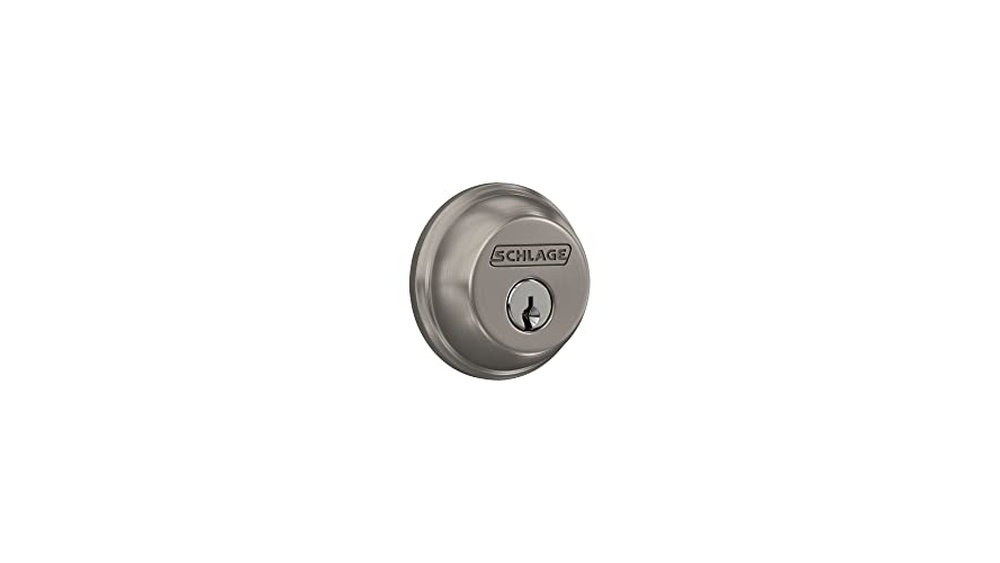
Single cylinder deadbolts have a keyhole on the outside. Inside, there is a thumb turn to lock or unlock. These deadbolts are common in homes and easy to use. Locksmiths pick or bump the keyhole to open single cylinder deadbolts.
Double Cylinder Deadbolts
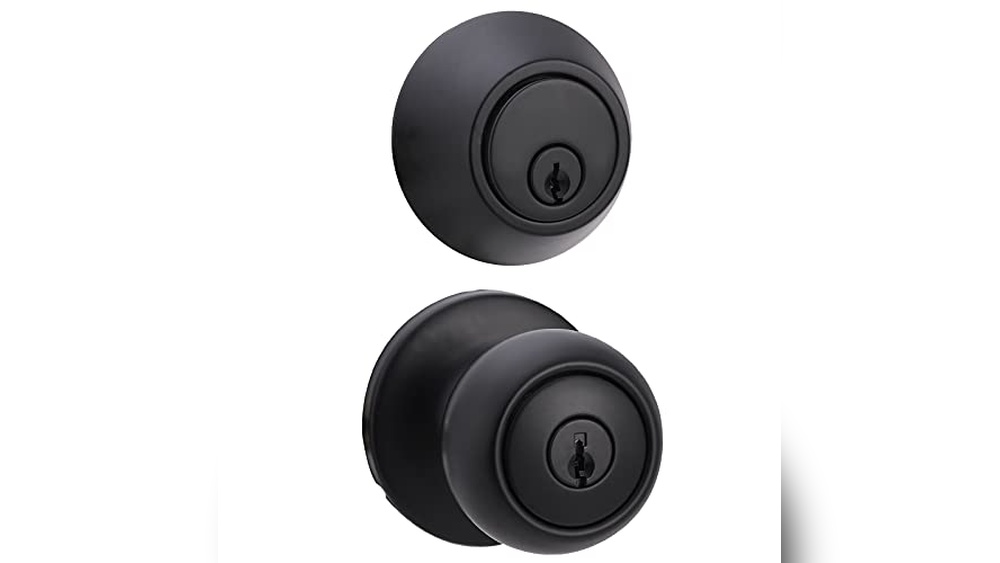
Double cylinder deadbolts need a key on both sides. They offer extra security for doors with glass nearby. Locksmiths use special tools to carefully pick or decode these locks. Opening double cylinder deadbolts requires more skill and time.
Electronic Deadbolts
Electronic deadbolts work with codes, cards, or apps. No physical key is needed for many models. Locksmiths use electronic devices to reset or bypass these locks. Opening electronic deadbolts involves knowledge of technology and lock systems.
Common Tools Used
Locksmiths use several special tools to open deadbolts. These tools help them work quickly and safely. Each tool serves a different purpose and fits a specific lock type. Understanding these tools shows how locksmiths solve lock problems efficiently.
Lock Picks And Rakes
Lock picks and rakes are basic tools for opening deadbolts. Picks lift the small pins inside the lock one by one. Rakes move pins more quickly by scraping them. These tools require skill and practice to use well. Locksmiths use them for most pin tumbler locks.
Bump Keys
Bump keys are special keys cut to fit many locks. They work by tapping the lock to move pins quickly. Locksmiths insert the bump key and tap it gently with a tool. This method works fast but needs careful control. Bump keys are useful for common deadbolt locks.
Tension Wrenches
Tension wrenches apply pressure inside the lock cylinder. This pressure holds pins in the right place while picking. Without tension, pins will not stay set. Locksmiths twist the wrench slightly to feel the lock’s reaction. It is a small but crucial tool for picking deadbolts.
Electric Pick Guns
Electric pick guns use fast, sharp movements to set lock pins. They create a vibration that pushes pins to the correct height. This tool speeds up the picking process greatly. Locksmiths use electric pick guns for tough or worn-out locks. It saves time and effort on tricky deadbolts.
Picking Techniques
Picking techniques are common ways locksmiths open deadbolts without keys. These methods require skill and the right tools. Each technique targets the pins inside the lock to mimic the action of a key. Understanding these methods shows how locksmiths work efficiently and safely.
Single Pin Picking
Single pin picking is precise and careful. The locksmith lifts one pin at a time using a pick tool. Each pin must reach the shear line to turn the lock cylinder. This method takes patience and a steady hand. It works well on most standard deadbolts.
Raking Method
Raking uses a different tool called a rake pick. The locksmith moves the rake back and forth quickly inside the lock. This action bounces the pins to the shear line faster than single pin picking. It is faster but less precise. Many locksmiths use raking for simple locks.
Using A Bump Key
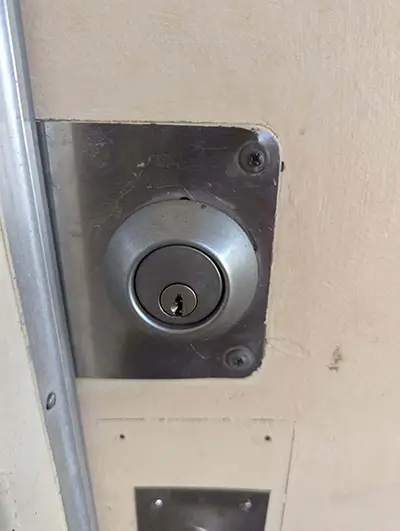
A bump key is a special key cut to fit many locks. The locksmith inserts the bump key into the deadbolt. Then, they tap the key to jolt the pins upward. This bumping allows the lock to turn easily. It works best on older or less secure deadbolts.
Credit: www.bulletfastlocksandkeys.co.uk
Non-picking Methods
Locksmiths use different ways to open deadbolts without picking the lock. These methods focus on mechanical techniques that do not require manipulating the pins inside the lock. Non-picking methods are useful for locks that are hard to pick or when speed is important. They also help when the key is lost or broken.
Bumping
Bumping uses a special key called a bump key. The locksmith inserts the bump key into the lock. Then, they tap or bump the key sharply. This causes the pins inside the lock to jump. When the pins move, the locksmith can turn the key and open the deadbolt. Bumping works on many pin tumbler locks.
Drilling
Drilling is a forceful method. The locksmith uses a drill to bore into the lock cylinder. This destroys the pins inside the lock. After drilling, the locksmith can turn the lock with a tool. Drilling damages the lock, so it needs replacement. Locksmiths use drilling only if other methods fail or the lock is very old.
Impressioning
Impressioning creates a new key for the lock. The locksmith inserts a blank key into the lock. They turn and move the key gently. This leaves marks where the pins touch the key. The locksmith files the key based on the marks. They repeat the process until the key works perfectly. Impressioning takes time but does not damage the lock.
Handling Electronic Deadbolts
Electronic deadbolts offer more security than traditional locks. They use digital codes or cards instead of keys. Locksmiths need special skills and tools to open them.
Each type of electronic lock has its own way to be handled. Professionals know how to work with these systems without damage. They follow safe and legal methods to help you regain access.
Bypassing Keypads
Many electronic deadbolts have keypads for code entry. Locksmiths can bypass the keypad by using electronic tools. These tools simulate the correct code to unlock the door.
This method does not harm the lock. It is quick and effective for most keypad locks. Locksmiths also check for backup options in case the bypass fails.
Using Override Keys
Some electronic deadbolts come with physical override keys. These keys allow manual unlocking if the electronics fail. Locksmiths use these keys to open the lock safely.
Override keys are hidden or kept with the owner. Locksmiths may help find or use these keys during emergencies. This method is simple and prevents lock damage.
Resetting Electronic Locks
Resetting is another way to handle electronic deadbolts. Locksmiths reset the lock to its factory settings. This clears old codes and lets owners set new ones.
Resetting requires access to the lock’s control panel. Professionals use special tools or codes from the manufacturer. This process restores lock function without breaking it.

Credit: www.youtube.com
Legal And Ethical Considerations
Locksmiths face important legal and ethical rules when opening deadbolts. These rules protect property owners and ensure locksmiths work responsibly. Following these guidelines builds trust between locksmiths and clients. It also keeps locksmiths safe from legal trouble.
Obtaining Proper Authorization
Locksmiths must confirm they have permission before opening any deadbolt. This usually means checking ID or paperwork. Permission ensures locksmiths only help rightful owners or agents. Without authorization, opening a lock is illegal and can cause serious problems.
Avoiding Damage
Locksmiths aim to open deadbolts without harming the door or lock. Careful work keeps the lock intact and safe for future use. Damaging property can lead to extra costs and unhappy clients. Skilled locksmiths use tools that minimize damage and speed up the process.
Protecting Client Privacy
Clients trust locksmiths with access to their homes or businesses. Locksmiths must keep all client information private. They should avoid sharing details about clients or their property. Respecting privacy builds strong reputations and long-term relationships.
Tips For Homeowners
Homeowners should know simple tips about deadbolts to keep their homes safe. Understanding deadbolts helps avoid common problems like lockouts. It also helps you choose the best locks for your doors. These tips will guide you on choosing strong deadbolts, knowing when to call a locksmith, and preventing lockouts.
Choosing Secure Deadbolts
Pick deadbolts with a high security rating. Look for locks made from strong metals like steel. Choose deadbolts with a long bolt that goes deep into the door frame. Avoid cheap locks that are easy to break or pick. Check if the deadbolt has anti-pick and anti-drill features. These features make the lock harder to open without a key. Always match the deadbolt size to your door thickness.
When To Call A Locksmith
Call a locksmith if the key breaks inside the lock. Also, call if the lock is jammed or does not turn smoothly. Locksmiths help when you lose your keys or lock yourself out. Avoid trying to force the lock open. This can cause damage and make repairs costly. A professional locksmith knows how to open deadbolts without harm.
Preventing Lockouts
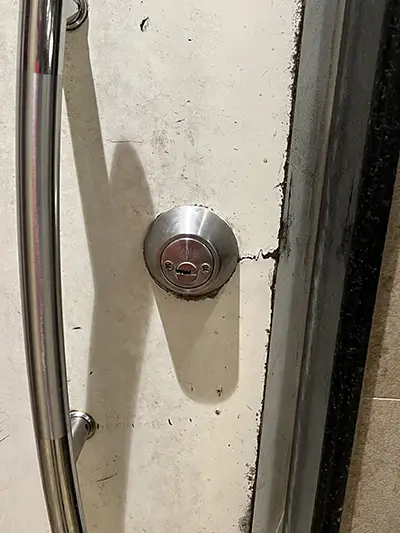
Keep spare keys in safe places outside your home. Give a trusted neighbor or family member a spare key. Use key holders or lockboxes for extra keys. Always check you have your keys before leaving home. Avoid leaving keys in obvious spots like under mats. Consider smart locks that use codes or apps. These reduce the chance of getting locked out.
Credit: www.bulletfastlocksandkeys.co.uk
Frequently Asked Questions
How Do Locksmiths Pick A Deadbolt Lock?
Locksmiths use specialized tools like picks and tension wrenches. They manipulate the lock’s pins to align and turn the cylinder, opening the deadbolt without damage.
Can Locksmiths Open Deadbolts Without Keys?
Yes, locksmiths can open deadbolts without keys using techniques like lock picking or bumping. They also use drills as a last resort to avoid damage.
How Long Does It Take To Open A Deadbolt Lock?
Opening a deadbolt lock usually takes a locksmith between 5 to 15 minutes, depending on the lock type and complexity of the mechanism.
Are All Deadbolts Easy For Locksmiths To Open?
No, some high-security deadbolts have advanced features that make them difficult to pick. Locksmiths may need extra time or tools for these locks.
Conclusion
Deadbolts are tough but locksmiths use smart tools and skills. They study the lock’s design to find the best way in. Sometimes they pick the lock; other times they use special drills. Their goal is to open the door without damage.
Understanding this helps you appreciate their work more. Next time you face a locked deadbolt, remember how they handle it. Trust the process, stay calm, and call a professional if needed. Safety and care always come first.