Are you struggling to hang shelves, pictures, or heavy items on metal stud walls? You’re not alone.
Metal studs are tricky because they don’t hold anchors the same way wood does. If you try the wrong method, your items could fall and cause damage or injury. But don’t worry—this guide will show you exactly how to anchor to metal stud walls safely and securely.
By the end, you’ll have the confidence to mount anything without fear of it coming loose. Keep reading to discover simple, effective techniques that work every time.

Credit: www.amazon.com
Types Of Metal Studs
Metal studs come in different types to fit various building needs. Knowing these types helps you choose the right anchor for your project. This knowledge ensures strong, safe walls and better results.
Metal studs vary in size, material, and thickness. Each factor affects how you anchor into them. Understanding these details makes your work easier and more effective.
Common Metal Stud Sizes
Metal studs usually come in widths of 1 5/8, 2 1/2, 3 5/8, and 6 inches. The 3 5/8 inch size is the most common for interior walls. Lengths range from 8 to 16 feet depending on the wall height. Choose the size that fits your wall design and weight needs.
Stud Materials And Thickness
Most metal studs are made of galvanized steel. This material resists rust and lasts long. Thickness varies from 20 to 25 gauge. Thicker studs hold more weight but are harder to cut. Thinner studs are lighter and easier to handle. Pick the right thickness based on the load and wall type.
Choosing The Right Anchor
Choosing the right anchor for metal stud walls is important. Metal studs are thin and hollow, so regular anchors often fail. Using the correct anchor ensures strong support and safety. It also prevents damage to the wall and the item you hang.
Toggle Bolts
Toggle bolts are strong anchors for metal studs. They have spring-loaded wings that open inside the wall. The wings spread the load over a large area. This makes them good for heavy items. You drill a hole, insert the bolt, and tighten it. The wings hold the bolt firmly in place.
Self-drilling Anchors
Self-drilling anchors do not need a pre-drilled hole. They screw directly into the metal stud. These anchors are easy and quick to install. They work well for medium-weight objects. Their sharp tip cuts through metal without extra tools. Tighten the screw to expand the anchor inside the stud.
Molly Bolts
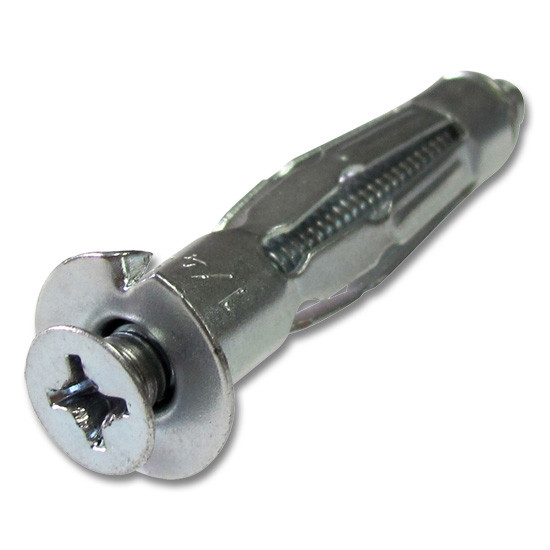
Molly bolts expand inside the wall when tightened. They have a sleeve that spreads behind the metal stud. This creates a secure hold for medium to heavy items. You start by drilling a hole for the molly bolt. After inserting, tighten the bolt to expand the sleeve. This locks the anchor in place.
Threaded Stud Anchors
Threaded stud anchors screw directly into metal studs. They have sharp threads that grip the metal tightly. These anchors are strong and reusable. Perfect for light to medium loads. Installation is simple: drill a small pilot hole, then screw in the anchor. Attach your item with a matching screw or bolt.
Tools Needed For Anchoring
Anchoring to metal stud walls needs the right tools. Using proper tools makes the job easier and safer. It helps to place anchors correctly and hold objects firmly.
Drill And Drill Bits
A power drill is essential for making holes in metal studs. Choose drill bits designed for metal to avoid damage. These bits cut through metal smoothly and prevent slipping. Using the right drill bits saves time and effort.
Screwdrivers And Wrenches
Screwdrivers help tighten screws into the anchors. Use a screwdriver matching the screw head type. Wrenches are useful for bolts or nuts in some anchor types. These tools provide control and ensure a tight fit.
Stud Finder
A stud finder locates metal studs behind the wall surface. It helps avoid drilling in empty spaces or electrical wires. Using a stud finder improves accuracy and reduces mistakes. This tool is simple but very important for safe anchoring.
Measuring Tape And Level
Measuring tape helps mark exact spots for anchors. It ensures consistent spacing and correct placement. A level checks if anchors are straight and even. These tools keep your project neat and professional-looking.

Credit: www.youtube.com
Locating Metal Studs
Finding metal studs inside walls is the first step to secure anchors properly. Metal studs differ from wooden studs. They are thinner and made of steel, so traditional methods may not work well.
Knowing the exact location helps avoid damage to pipes or wires. It also ensures your screws hold firmly in place. Use simple tools and techniques to find metal studs quickly.
Using A Stud Finder
A stud finder is a small electronic tool. It detects changes in wall density. Move it slowly across the wall surface. The tool signals when it passes over a metal stud. Some models have metal detection mode. This mode is best for metal studs. Mark the spot with a pencil for drilling later.
Tapping And Listening Method
Tap the wall lightly with your knuckles. Listen carefully to the sound produced. Hollow sounds mean no stud behind the wall. A dull or solid sound indicates a metal stud is present. Move along the wall and tap every few inches. Mark the solid sound spots. This method is free and simple to try.
Measuring From Corners
Metal studs usually follow standard spacing. They are often placed 16 or 24 inches apart from each other. Start measuring from a corner of the room. Use a tape measure and mark these distances on the wall. Check these marks with a stud finder or tapping method. This technique helps confirm stud locations faster.
Step-by-step Anchoring Process
Anchoring to metal stud walls requires a clear, careful process. Follow each step closely to ensure strong and secure attachments. This guide breaks down the essential actions to help you anchor with confidence. Understanding each step makes your work easier and safer.
Marking Anchor Points
Start by identifying where to place your anchors. Use a pencil to mark the exact spots on the wall. Measure carefully to keep the marks level and evenly spaced. Double-check your marks before moving to the next step.
Drilling Pilot Holes
Choose a drill bit that fits your anchor size. Drill small pilot holes at the marked points. Drill straight into the metal stud to avoid damage. Clean out any debris from the holes to ensure a good fit.
Installing Anchors
Select the correct anchors for metal studs, such as toggle bolts or self-drilling anchors. Insert the anchors into the pilot holes gently. Make sure each anchor is flush with the wall surface. Do not force anchors, as this may damage the stud.
Securing Fixtures
Place your fixture over the installed anchors. Use screws that match the anchor type and size. Tighten screws evenly to avoid bending or loosening. Check that the fixture is stable and firmly attached to the wall.
Tips For Strong Fixings
Strong fixings are key to secure anchors in metal stud walls. Proper techniques prevent damage and ensure safety. Follow these tips to improve your wall anchor strength.
Avoiding Over-tightening
Do not tighten screws too much. Over-tightening can strip the metal stud or damage the anchor. Tighten screws just enough to hold firmly. Check the fit by gently wiggling the fixture.
Distributing Weight Evenly
Spread the load across several anchors. Use multiple fixings for heavy items. Even weight prevents stress on one point. This keeps the wall stable and safe over time.
Checking Anchor Stability
Test anchor strength after installation. Pull or push lightly on the fixture. Look for any movement or looseness. Secure anchors improve safety and prevent accidents.
Common Mistakes To Avoid
Anchoring to metal stud walls can be tricky. Many people make common mistakes that weaken the hold. Avoiding these errors makes your project stronger and safer. Pay attention to details and follow best practices.
Ignoring Stud Location
Finding the metal stud is crucial before drilling. Anchors placed between studs do not hold well. Use a stud finder or tap the wall to locate studs. Mark the stud positions clearly. Drilling without knowing stud location leads to weak support and wall damage.
Using Wrong Anchor Types
Not all anchors work well with metal studs. Plastic anchors often fail in thin metal. Use anchors designed for metal studs like toggle bolts or metal self-drilling anchors. Check the anchor’s weight rating and size before use. The wrong anchor reduces holding power and causes failures.
Overloading Anchors
Each anchor can hold only a certain weight. Putting too much weight on one anchor causes it to pull out. Spread heavy loads across multiple anchors. Know the anchor’s weight limit and do not exceed it. Overloading leads to accidents and damage to the wall.
Credit: cshardware.com
Frequently Asked Questions
What Tools Are Needed To Anchor To Metal Stud Walls?
You need a drill, metal drill bits, a stud finder, and appropriate anchors. Using self-tapping screws or toggle bolts ensures strong attachment to metal studs.
Can You Use Regular Screws On Metal Stud Walls?
Regular screws often fail because metal studs are thin. Use self-tapping or metal-specific screws designed to grip metal securely for reliable anchoring.
How Do Toggle Bolts Work On Metal Studs?
Toggle bolts expand behind the metal stud, creating a secure hold. They distribute weight evenly, ideal for heavy items on metal stud walls.
Are Plastic Anchors Suitable For Metal Stud Walls?
Plastic anchors are usually ineffective on metal studs because they don’t grip metal well. Use metal anchors or toggle bolts for better support.
Conclusion
Anchoring to metal stud walls is easier with the right tools and steps. Choose the correct anchor type for strong support. Drill carefully to avoid damaging the studs. Tighten anchors just enough to hold firmly. This simple process keeps your items secure on metal walls.
Practice patience and take your time during installation. Soon, you will hang shelves, pictures, or TVs with confidence. Trust these tips for safe and steady wall anchors every time.