Choosing the right floor jack weight can feel confusing. You want to make sure it’s strong enough to lift your vehicle safely, but not so heavy that it’s hard to handle.
If you pick the wrong one, you risk damage to your car or even injury to yourself. But don’t worry—this guide will help you figure out exactly what you need. By the end, you’ll know how to pick a floor jack that fits your vehicle and your work style perfectly.
Keep reading to make your next lift safe and easy.
Types Of Floor Jacks
Choosing the right floor jack means knowing the types available. Each type suits different jobs and vehicles. Understanding them helps pick the right jack weight and style.
Hydraulic Floor Jacks
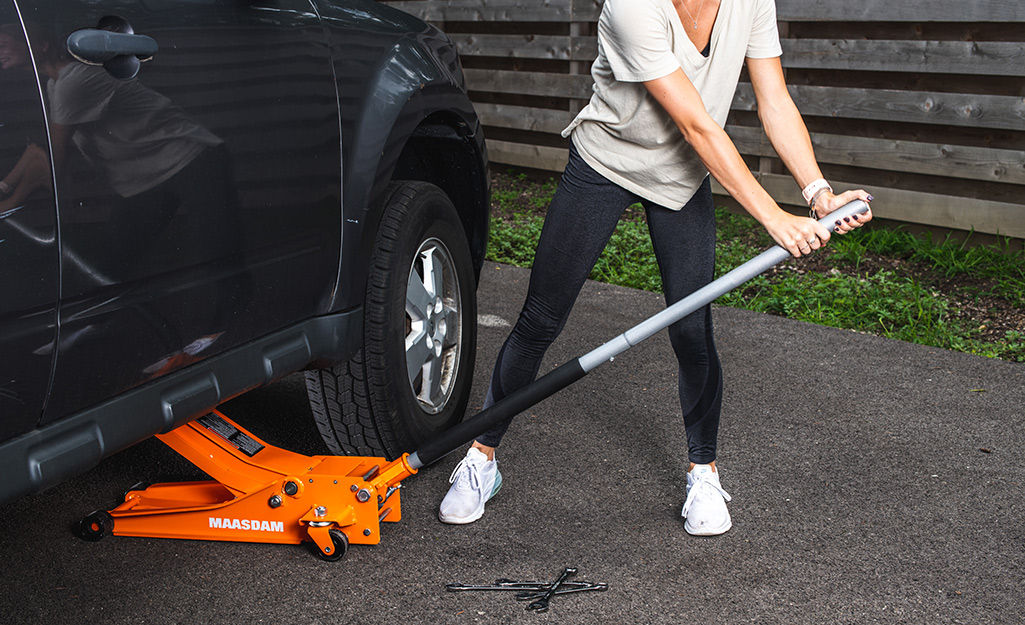
Hydraulic floor jacks use fluid pressure to lift heavy loads easily. They have a wide base and long handle for stability. These jacks lift cars smoothly and quickly. They work well in garages and workshops.
Scissor Jacks
Scissor jacks have a compact design and use a screw mechanism. They lift by turning the screw to raise the car. These jacks are lightweight and easy to store. They are common in car trunks for emergencies.
Bottle Jacks
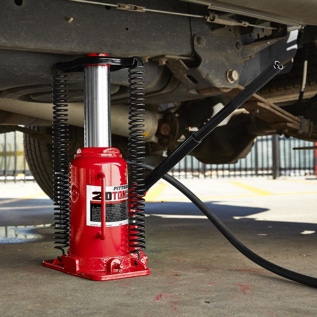
Bottle jacks look like small cylinders and use hydraulic power. They have a small base and lift vertically. These jacks handle heavy loads but need stable ground. They are good for trucks and larger vehicles.
Weight Ratings Explained
Understanding weight ratings is key to choosing the right floor jack. These ratings tell you how much weight the jack can safely lift. Using a jack with the wrong weight rating can be dangerous. It might fail or cause damage to your vehicle or yourself. Let’s break down what these weight ratings mean and how to pick a jack that fits your needs.
Gross Vehicle Weight Vs. Jack Capacity
Gross Vehicle Weight (GVW) is the total weight of your vehicle. This includes passengers, cargo, and fuel. The jack capacity is the maximum weight the jack can lift safely. Always check your vehicle’s GVW before buying a floor jack. Your jack’s capacity should be more than half of your vehicle’s GVW. This ensures the jack can handle lifting one side of your vehicle without strain.
Safety Margins To Consider
Safety margins add extra protection when lifting your vehicle. Choose a jack with a higher weight rating than your vehicle’s GVW. A good rule is to pick a jack with at least 25% more capacity. This helps prevent accidents caused by overloading the jack. Always follow the manufacturer’s guidelines for safe use. This keeps you safe and your vehicle secure during lifting.
Calculating Your Vehicle’s Weight
Calculating your vehicle’s weight is the first step to choosing the right floor jack. Knowing this weight helps you pick a jack that can safely lift your vehicle. It also prevents accidents and damage.
Vehicles have different weights based on size, make, and model. Understanding how to find and estimate this weight is key to making a smart choice.
Finding Vehicle Weight Information
The easiest way to find your vehicle’s weight is to check the owner’s manual. It usually lists the Gross Vehicle Weight Rating (GVWR). This is the maximum weight your vehicle can safely carry, including passengers and cargo.
If you do not have the manual, look for a sticker inside the driver’s door frame. This sticker shows the GVWR and other useful weight details. You can also find weight information on the manufacturer’s website or vehicle registration documents.
Estimating Weight Distribution
Weight distribution means how the vehicle’s weight spreads between the front and rear axles. This affects which jack points you should use.
Most cars have about 60% of their weight in the front. Trucks and SUVs might be more balanced or rear-heavy. Knowing this helps to select a jack that supports the weight at the lifting point.
When lifting one end of the vehicle, use half the GVWR as a guide. For example, if your vehicle’s GVWR is 4,000 pounds, a 2,000-pound jack capacity is needed for one end.
Choosing The Right Jack Capacity
Choosing the right jack capacity is important for safety and efficiency. The jack must hold the vehicle’s weight without risk. A jack that is too small can fail and cause injury. A jack that is too big may be heavy and hard to use. Knowing the right size helps you work with confidence and ease.
Matching Jack Capacity To Vehicle Weight
Check your vehicle’s weight before buying a floor jack. Find this in the owner’s manual or on a sticker inside the door. The jack capacity should be higher than the vehicle’s weight. For example, a car weighing 3,000 pounds needs a jack with at least 3,500 pounds capacity. This extra capacity gives a safe margin to avoid overload. Always round up to the next standard capacity size.
Considering Future Needs
Think about other vehicles or projects you may have later. A jack with a higher capacity can handle heavier vehicles. This avoids buying another jack soon. Also, consider if you will lift parts of the vehicle separately. A stronger jack can lift one side easily. Planning ahead saves money and time in the long run.
Key Features To Look For
Choosing the right floor jack depends on several important features. These features ensure safety, ease of use, and efficiency. Understanding them helps you select a jack that fits your needs and vehicle type. Let’s explore the key features to focus on.
Lift Range And Height
Check the lift range to match your vehicle’s height. The jack should lift your car high enough for repairs or tire changes. Also, consider the minimum height. It must fit under your vehicle’s low clearance areas. A good range gives flexibility for different vehicles.
Durability And Build Quality
Choose a floor jack made of strong materials like steel or aluminum. Strong build ensures safety and long life. Look for solid welding and quality parts. A durable jack resists rust and wear. This saves money over time and prevents accidents.
Portability And Storage
Consider how easy it is to move and store the jack. Lightweight jacks are easier to carry. Compact design helps save space in your garage or car trunk. Some jacks come with wheels or handles for better mobility. This makes using and storing the jack much simpler.

Credit: www.ebay.com
Common Mistakes To Avoid
Choosing the right floor jack is important for safety and effectiveness. Many people make mistakes that can cause damage or accidents. Understanding these common errors helps you pick and use the right jack.
Underestimating Weight Capacity
Many buyers pick a jack with too low weight capacity. This can cause the jack to fail or break under heavy loads. Always check your vehicle’s weight before choosing a jack. Pick a jack that can handle at least 25% more than your vehicle’s weight. This extra capacity keeps you safe and prevents damage.
Ignoring Jack Maintenance
Neglecting regular maintenance reduces the jack’s lifespan and safety. Dirt, rust, and old oil affect its performance. Clean the jack after every use. Check for leaks and rust often. Change the hydraulic oil as recommended by the manufacturer. Proper care ensures smooth operation and prevents accidents.
Testing And Safety Tips
Testing and safety are key when using a floor jack. The right floor jack weight must match your vehicle’s load. This ensures safe lifting and prevents accidents. Follow simple steps to test your jack and use safety gear correctly.
Performing Load Tests
Start by checking the jack’s weight capacity. Use a scale or known weight to test it. Slowly lift the weight and watch for any signs of strain. Listen for unusual sounds from the jack. If it feels unstable or creaks, do not use it. Repeat the test a few times to confirm its strength. This process helps confirm the jack can handle your vehicle safely.
Using Jack Stands Properly
Never rely on the jack alone to hold your vehicle up. Always place jack stands under the car after lifting. Position the stands at strong points on the frame. Lower the vehicle slowly onto the stands. Check that the stands do not wobble or shift. Use stands rated for the vehicle’s weight. This practice keeps you safe while working under the car.
Credit: www.harborfreight.com
Credit: www.homedepot.com
Frequently Asked Questions
What Weight Capacity Do I Need For My Floor Jack?
Choose a floor jack with a weight capacity exceeding your vehicle’s gross weight. Typically, a 2-3 ton jack suits most cars. For trucks or SUVs, consider jacks rated 4 tons or higher. This ensures safety and prevents jack failure during lifting.
How To Calculate The Right Floor Jack Weight Capacity?
Check your vehicle’s curb weight and add a safety margin. Multiply your vehicle’s weight by 1. 5 to 2 times. This helps select a floor jack with adequate lifting capacity for safe operation.
Can I Use A Floor Jack For Heavier Vehicles?
Yes, but only if the floor jack has the required weight rating. Using an underrated jack risks accidents and damage. Always verify the jack’s maximum capacity before lifting heavy vehicles.
Why Is Floor Jack Weight Capacity Important?
Weight capacity ensures the jack can safely lift your vehicle. Overloading a jack leads to mechanical failure and injury risks. Proper capacity maintains stability and protects both user and vehicle.
Conclusion
Choosing the right floor jack weight keeps you safe and your work easy. Check your vehicle’s weight and add extra for safety. Pick a jack that can handle that total weight well. A proper jack lasts longer and works better.
Take your time to compare options and read labels. This small step saves big trouble later on. Stay smart, stay safe, and lift with confidence every time.


