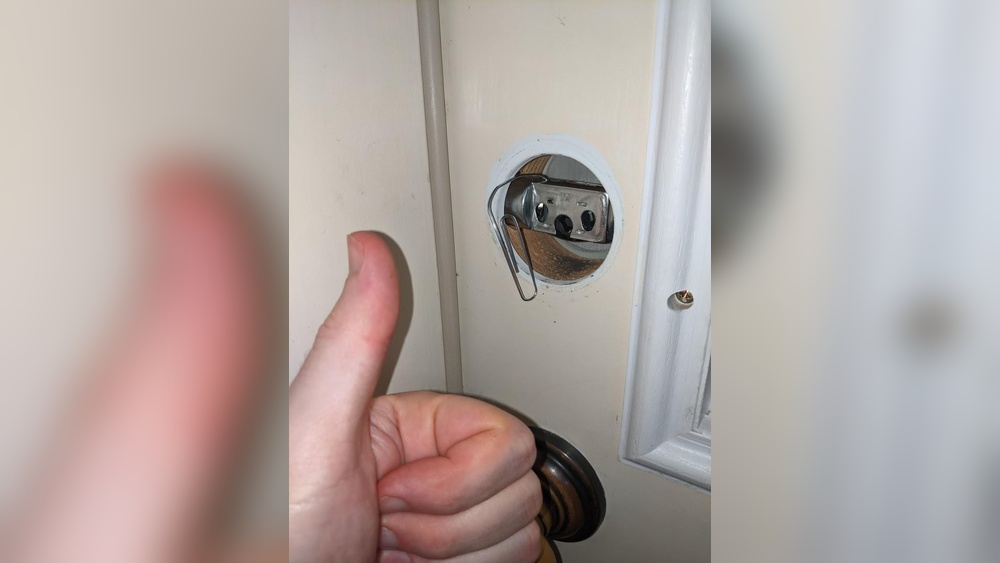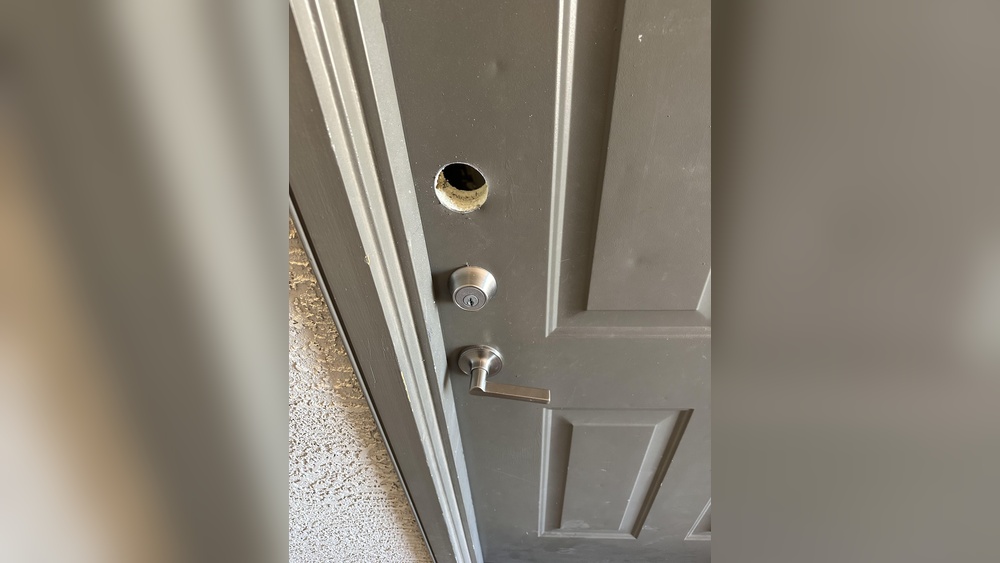
Have you ever looked at the hole left behind after removing a deadbolt and wondered how to fix it? Whether you’re upgrading your door or simply want a clean, smooth surface, filling that deadbolt hole is easier than you think.
In this guide, you’ll discover simple, step-by-step methods to make your door look flawless again. Keep reading, and you’ll learn how to save time, avoid costly repairs, and get professional-looking results—all on your own.

Credit: www.reddit.com
Tools And Materials Needed
Filling a deadbolt hole requires certain tools and materials. Having the right items makes the task easier and neater. Prepare everything before starting the job to save time and avoid mistakes.
Each tool and material has a specific role. Some help remove old parts. Others fill the hole securely. Using quality supplies ensures a durable finish.
Wood Filler Or Epoxy Putty
Wood filler or epoxy putty fills the hole smoothly. Choose a type that dries hard and can be sanded. Epoxy putty works well for larger holes or deeper gaps.
Putty Knife Or Spatula
A putty knife spreads the filler evenly inside the hole. It helps press the filler deep and shape the surface. Use a small spatula for better control on tight spots.
Sandpaper
Sandpaper smooths the dried filler. Use medium grit first, then fine grit for a clean finish. Sanding makes the surface ready for painting or staining.
Drill And Screwdriver
A drill removes any loose wood or old screws. A screwdriver helps take out the deadbolt hardware. These tools prepare the area for filling and future installations.
Cleaning Cloth
A clean cloth wipes away dust and debris. Keeping the area clean helps the filler stick better. Use a damp cloth before applying the filler.
Assessing The Deadbolt Hole
Before filling a deadbolt hole, careful assessment is crucial. This step helps ensure a proper fit for the filler material. It also prevents future problems with door security and function. Assessing the hole involves checking its size and the door material. These details guide you to choose the right filling method and products.
Measuring The Hole Size
Start by measuring the hole’s diameter. Use a tape measure or ruler for accuracy. Measure across the widest part of the hole. Note the depth of the hole as well. Accurate measurements help select the correct filler. A hole too large or too small can cause issues. Write down the measurements for reference during the repair.
Checking Door Material
Identify the door material next. Common types include wood, metal, or fiberglass. Each material reacts differently to fillers. Wood may absorb some fillers, while metal needs special adhesives. Fiberglass requires fillers that bond well without cracking. Knowing the material ensures you pick a compatible filler. This step improves the repair’s strength and appearance.
Filling Small Deadbolt Holes
Small deadbolt holes are common after removing old locks. These holes need to be filled properly. Filling them makes your door smooth and ready for a new lock or paint. The right materials help to fix these holes quickly and cleanly. Below are two simple ways to fill small deadbolt holes.
Using Wood Filler
Wood filler is a popular choice for small deadbolt holes. It comes in a paste form that you press into the hole. First, clean the hole to remove dust and loose wood. Then, apply the wood filler with a putty knife. Press it firmly and fill the hole completely. Let it dry as per the instructions on the package. After drying, sand the area smooth. Wood filler blends well with wooden doors and can be painted over.
Applying Epoxy Putty
Epoxy putty is a strong, durable option for filling holes. It comes as two parts that you mix together. Knead the putty until it has a uniform color. Press the putty into the hole, shaping it to match the door’s surface. Epoxy putty hardens quickly, usually within minutes. Once dry, sand it lightly to smooth the surface. This method works well for both wood and metal doors. Epoxy putty is water-resistant and lasts a long time.

Credit: diy.stackexchange.com
Fixing Larger Holes
Fixing larger deadbolt holes requires a different approach than small holes. Large holes need strong and secure filling methods. This section explains two simple and effective ways to fix big deadbolt holes. Both methods give your door a clean, finished look.
Installing A Wood Plug
Start by measuring the hole’s diameter carefully. Choose a wood plug that fits snugly into the hole. Use wood glue around the edges of the plug before inserting it. Push the plug firmly inside the hole. Let the glue dry fully, usually for a few hours. Once dry, sand the plug surface until smooth and level with the door. Finish by painting or staining the plug to match the door color. This method provides a sturdy and neat repair.
Using A Door Hole Cover Plate
Door hole cover plates are metal or plastic discs made to cover large holes. Pick a cover plate that matches your door’s style and size. Place the cover plate over the hole and mark screw positions. Drill pilot holes if needed to avoid wood splitting. Attach the plate using screws or adhesive, depending on the product. The cover plate hides the hole instantly and adds a decorative touch. It’s a quick and easy fix without much sanding or painting.
Sanding And Smoothing
Sanding and smoothing are key steps to fix a deadbolt hole. These steps help make the surface even and ready for painting or patching. A smooth surface ensures the repair looks clean and lasts longer. Good sanding removes rough edges and blends the patch with the door.
Choosing The Right Sandpaper
Select sandpaper with the correct grit for your job. Start with medium grit, around 120, to level the surface. Then use fine grit, like 220, to smooth it out. Coarse sandpaper can leave scratches, so avoid it on finished areas. Use a sanding block for even pressure and better control.
Techniques For A Smooth Finish
Sand in small, circular motions to avoid lines. Check your work often by touching the surface. If it feels rough, keep sanding gently. Use light pressure to prevent removing too much material. Clean dust off with a damp cloth before the next step.

Credit: diy.stackexchange.com
Painting And Staining
Painting and staining are key steps after filling a deadbolt hole. They help the repair blend with the door. A well-matched finish hides the patch and keeps the door looking good. Proper painting or staining also protects the wood from damage.
Matching Door Color
Start by finding the door’s exact color. Use a small paint chip or stain sample. Take it to a paint store for a close match. Test the color on a piece of scrap wood. Compare it to the door in different lights. Adjust the mix if the color does not match well.
Applying Paint Or Stain
Clean the patched area before applying paint or stain. Use a soft cloth to remove dust and dirt. Apply a thin coat of paint or stain with a brush. Let it dry completely before adding more coats. Add several light coats to avoid drips and uneven color. Finish with a clear sealant for extra protection. This keeps the patch strong and less visible.
Preventing Future Damage
Preventing future damage to your door after filling a deadbolt hole is important. Taking steps now can save time and money later. Protect your door and lock area from wear and tear. Simple actions help keep the door strong and secure.
Proper Deadbolt Installation
Install the deadbolt carefully to avoid extra damage. Use the right size and type of deadbolt for your door. Make sure the hole is clean and fits the lock perfectly. Tighten screws evenly to prevent the lock from loosening. Check alignment between the lock and strike plate. Misalignment causes stress and can damage the door over time.
Regular Door Maintenance
Keep your door in good shape by checking it often. Look for cracks, chips, or signs of wear around the lock. Clean the lock and door surface to remove dirt and dust. Lubricate the deadbolt mechanism with a proper lock lubricant. Avoid harsh chemicals that can weaken the door material. Fix small problems quickly before they become bigger issues.
Frequently Asked Questions
How Do I Measure The Deadbolt Hole Size?
Measure the hole diameter and depth using a tape measure or caliper. Standard deadbolt holes are 2 1/8 inches in diameter. Accurate measurements ensure the deadbolt fits securely without gaps or misalignment.
What Tools Are Needed To Fill A Deadbolt Hole?
You need wood filler or a wood plug, sandpaper, a putty knife, and paint or stain. These tools help fill, smooth, and finish the hole for a seamless repair.
Can I Fill A Deadbolt Hole Without Replacing The Door?
Yes, you can fill the hole with wood filler or a plug. Sand and paint the area after filling to restore the door’s appearance without replacement.
How Long Does It Take To Fill A Deadbolt Hole?
Filling and drying usually takes 1 to 4 hours depending on the filler used. Additional sanding and painting may add extra time for a smooth finish.
Conclusion
Filling a deadbolt hole is easier than it seems. Choose the right materials for a smooth finish. Take your time and follow each step carefully. A well-filled hole keeps your door strong and secure. Small repairs can save you money and effort later.
Try it yourself and see the difference it makes. Simple fixes like this help maintain your home’s safety. Keep your tools ready for quick repairs anytime. You don’t need to hire a professional for this task. Just a little patience and care will do.