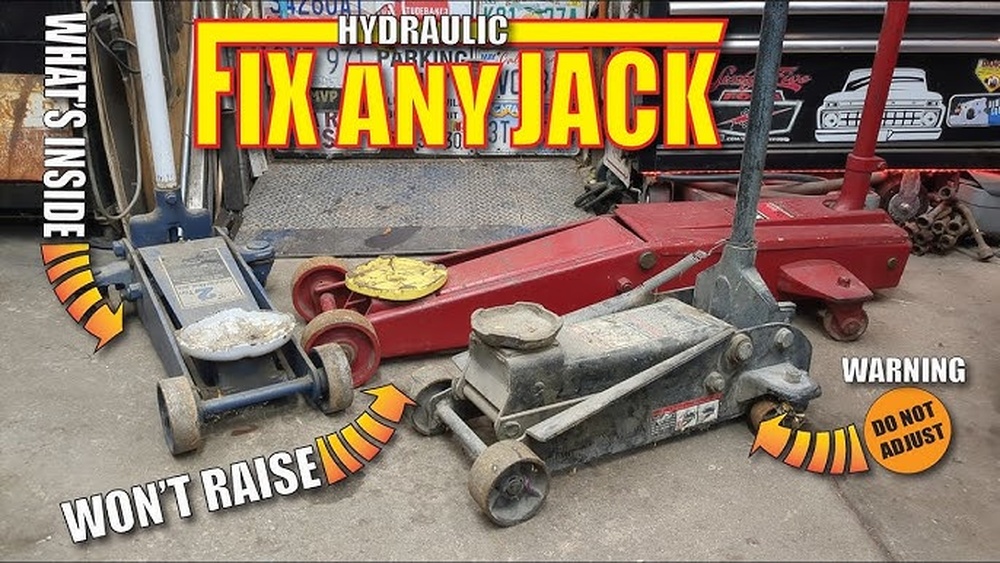
If your floor jack ram isn’t working like it used to, you don’t have to replace the whole jack just yet. Fixing it yourself can save you money and keep your tools in top shape.
But rebuilding a floor jack ram might sound tricky or confusing. Don’t worry—this guide breaks it down into simple, clear steps that anyone can follow. By the end, you’ll have your jack working smoothly again, ready to lift with confidence.
Keep reading to learn exactly how to rebuild your floor jack ram and get back to work without hassle.

Credit: www.instructables.com
Tools And Materials Needed
Rebuilding a floor jack ram needs the right tools and materials. Having these ready makes the process smooth and safe. This section lists all essentials for your project.
Essential Tools
A sturdy wrench set is vital for loosening bolts. Screwdrivers in flathead and Phillips types help remove small screws. A hammer assists in tapping parts gently. Pliers grip and pull components easily. A clean cloth wipes off dirt and grease. A small container holds tiny parts safely. A lubricant spray ensures smooth movement of parts.
Replacement Parts
Start with a new rubber seal to prevent leaks. A fresh O-ring fits tightly around the ram. Hydraulic fluid restores the jack’s lifting power. A new piston or ram tube may be required. Check for any worn springs or valves to replace. Keep spare bolts and nuts handy for secure assembly.
Safety Gear
Wear safety gloves to protect your hands from sharp edges. Safety glasses shield your eyes from dust and fluid splashes. A work apron keeps your clothes clean. Work in a well-lit area to avoid mistakes. Keep a fire extinguisher nearby when handling hydraulic fluid.

Credit: www.instructables.com
Preparing The Floor Jack
Preparing the floor jack is the first step to rebuild the ram safely and correctly. Careful preparation helps avoid damage and ensures smooth work. Follow these steps to get your floor jack ready for the repair process.
Cleaning The Jack
Remove dirt and grease from the jack’s surface. Use a clean cloth and mild cleaner for best results. Clean parts are easier to handle and check for damage. Avoid harsh chemicals that can harm the metal or paint.
Draining Hydraulic Fluid
Drain the old hydraulic fluid to prevent spills during disassembly. Place a container under the jack’s reservoir. Open the drain valve or remove the fill plug to let the fluid flow out. Dispose of the fluid properly according to local rules.
Disassembling The Ram
Use the correct tools to remove the ram carefully. Release any pressure by pumping the handle slowly. Unscrew bolts and keep them organized for reassembly. Handle parts gently to avoid bending or breaking them.
Inspecting The Ram Components
Inspecting the ram components is a crucial step in rebuilding a floor jack ram. It ensures the jack works safely and efficiently. Careful inspection helps find hidden problems early. This saves time and money later.
Each part of the ram must be checked closely. This includes seals, the piston, and other components. A thorough check helps prevent leaks and mechanical failures. Let’s break down the inspection process into clear steps.
Checking For Wear And Damage
Start by looking at all visible parts of the ram. Check for cracks, dents, or rust on the metal surfaces. Worn parts can cause the jack to lose pressure. Use a flashlight to see hard-to-reach spots. Replace any parts showing signs of wear to ensure safety.
Identifying Faulty Seals
Seals keep the hydraulic fluid inside the ram. Look for cracks, tears, or hardening on the seals. Damaged seals cause leaks and reduce jack performance. Gently press the seals to check for flexibility. Replace any seals that feel brittle or broken.
Assessing The Piston Condition
The piston moves smoothly inside the ram cylinder. Inspect the piston surface for scratches or corrosion. These issues can cause the piston to stick or leak fluid. Clean the piston with a soft cloth and check for smooth movement. Replace the piston if it shows heavy damage.

Credit: www.youtube.com
Replacing Seals And O-rings
Replacing seals and O-rings is a key step in rebuilding a floor jack ram. These parts stop oil leaks and keep pressure strong. Old seals wear out and cause the jack to lose power. Changing them restores smooth lifting action and safety.
Removing Old Seals
Start by cleaning the ram surface. Use a cloth to wipe dirt and oil. Carefully pry out the old seals using a small flat tool. Avoid scratching the metal. Take your time to remove all pieces. Check for any damage around the seal area.
Installing New Seals
Choose seals made for your jack model. Lightly moisten them with hydraulic oil. Press the new seals evenly into the grooves. Use a round tool or your fingers. Make sure seals sit flush and do not twist. Proper fit prevents leaks and pressure loss.
Lubricating Components
Apply a thin layer of clean hydraulic oil to the ram and seals. This reduces friction and wear. Smooth movement helps the jack pump oil correctly. Avoid over-lubricating, which can attract dirt. Keep parts clean for long-lasting performance.
Reassembling The Ram
Reassembling the ram is a key step in rebuilding a floor jack. This process restores the ram’s function and safety. Careful work here ensures smooth operation and prevents leaks. Follow each step closely to avoid common mistakes.
Aligning Parts Correctly
Start by placing the ram components in their original order. Check each part for damage or dirt. Clean parts gently to remove debris. Make sure seals fit snugly in their grooves. Align the piston with the cylinder carefully. Proper alignment prevents leaks and sticking.
Securing Fasteners
Use the correct screws and bolts for each part. Tighten fasteners evenly to avoid warping. Avoid over-tightening, which can damage threads. Use a wrench to secure bolts firmly. Double-check that all fasteners are in place. Loose parts can cause failure during use.
Testing Movement
After assembly, test the ram’s movement by hand. It should move smoothly without resistance. Pump the jack slowly to check pressure build-up. Listen for unusual sounds or resistance. Smooth movement means the ram is ready for use. Fix any issues before final installation.
Refilling Hydraulic Fluid
Refilling the hydraulic fluid is a key step in rebuilding a floor jack ram. The fluid helps move pressure inside the system. Clean, proper fluid ensures smooth lifting and safe use. This step needs care and the right materials. Follow the process carefully for best results.
Choosing The Right Fluid
Pick a hydraulic fluid that matches your jack’s needs. Use the type recommended in the manual. Most floor jacks use mineral oil-based fluid. Avoid using brake fluid or motor oil. These can damage the seals and parts. Clean fluid prevents rust and wear inside the jack.
Filling Procedure
Find the fluid reservoir or filler plug on the jack. Place a clean cloth around the area. Slowly pour the fluid into the reservoir. Fill until the fluid reaches the right level. Do not overfill. Wipe off any spilled fluid to keep parts clean. Replace the filler plug securely after filling.
Removing Air From The System
Air inside the hydraulic system causes poor jack performance. To remove air, pump the handle several times. Keep the jack fully lowered during this process. This helps push out trapped air bubbles. Check the fluid level again after pumping. Add fluid if the level drops. Repeat until the jack lifts smoothly and steadily.
Testing The Rebuilt Floor Jack
Testing the rebuilt floor jack ram is a crucial step. It ensures the jack works safely and efficiently. After rebuilding, you must check every function carefully. This guarantees the jack lifts properly without any issues.
Checking For Leaks
Start by inspecting the ram for oil leaks. Place the jack on a clean surface and pump it several times. Look closely around seals and joints. Any sign of oil means a leak. Leaks reduce lifting power and cause damage. Fix leaks before moving to the next test.
Verifying Lifting Capacity
Test the jack’s lifting power by using a weight near its limit. Slowly lift the weight and watch the ram’s movement. It should rise smoothly without hesitation. The jack must hold the weight steady without sinking. This confirms the ram can lift as designed.
Performing Safety Checks
Ensure all safety features work correctly. Check the release valve to make sure it controls lowering speed. Listen for unusual sounds during operation. Examine the ram for any cracks or weak spots. Safety checks prevent accidents and extend the jack’s life. Never skip this step.
Maintenance Tips For Longevity
Maintaining your floor jack ram is key to its long life and safe use. Small efforts can stop big problems. Follow simple steps to keep it working well for years. Regular care saves money and time.
Regular Inspection
Check the floor jack ram before each use. Look for cracks, leaks, or rust on the ram and body. Test the lifting and lowering functions. Catching issues early stops damage. Replace worn parts quickly to avoid accidents.
Proper Storage
Store the floor jack in a dry place. Avoid damp or dusty areas that cause rust. Keep the ram lowered when not in use. This reduces pressure on seals and parts. Cover it to protect from dirt and moisture.
Routine Lubrication
Apply oil or grease to moving parts regularly. Lubricate the ram and joints to reduce wear. Use the type of lubricant recommended by the manufacturer. Clean old grease before adding new. Proper lubrication keeps the jack smooth and strong.
Frequently Asked Questions
How Do You Rebuild A Floor Jack Ram Safely?
To rebuild a floor jack ram safely, first release all pressure. Wear protective gloves and goggles. Follow manufacturer instructions step-by-step. Use proper tools and clean parts thoroughly before assembly. Ensure all seals and components are intact to prevent leaks.
What Tools Are Needed To Rebuild A Floor Jack Ram?
You need wrenches, screwdrivers, pliers, a seal kit, and hydraulic fluid. A clean workspace and a repair manual help. Precision tools ensure proper handling of small parts. Having the right tools speeds up the rebuilding process and ensures safety.
How Long Does It Take To Rebuild A Floor Jack Ram?
Rebuilding a floor jack ram usually takes 1 to 2 hours. Time varies by experience and jack condition. Rushing can cause mistakes, so work carefully. Proper cleaning and seal replacement are key steps that take most time.
Can I Rebuild A Floor Jack Ram Myself?
Yes, you can rebuild a floor jack ram if you follow instructions. Basic mechanical skills and patience are needed. Avoid shortcuts to ensure safety and functionality. If unsure, consult a professional or detailed repair guide.
Conclusion
Rebuilding a floor jack ram takes care and patience. Follow each step with focus and use the right tools. Check all parts for damage before putting them back. Clean every piece to keep the jack working smoothly. Test the jack after rebuilding to ensure safety.
This simple repair can save money and extend the jack’s life. Practice makes perfect. Keep your workspace neat and organized. Small efforts bring big results. You can handle this project with confidence.