Are you tired of struggling to hang shelves, pictures, or hooks that just won’t stay put? Knowing how to use screws and wall anchors correctly can make all the difference in keeping your items secure and your walls damage-free.
Whether you’re a beginner or just need a quick refresher, this guide will walk you through simple, clear steps to get it right every time. Keep reading, and you’ll gain the confidence to tackle your next project like a pro.
Choosing The Right Screws
Choosing the right screws is key for strong and safe wall mounts. The correct screws hold your items firmly. They prevent damage to walls and objects. Understanding screw types, materials, and sizes helps pick the best screws for your project.
Types Of Screws
Screws come in many styles for different jobs. Wood screws work well with wooden surfaces. Sheet metal screws fit thin metal parts. Drywall screws are designed for drywall panels. Machine screws need nuts or tapped holes. Pick the screw type that matches your material.
Material And Coating Options
Screw materials affect strength and rust resistance. Steel screws are strong and common for many tasks. Stainless steel resists rust, good for damp areas. Brass screws look nice and resist corrosion. Coatings like zinc add rust protection. Choose material and coating based on where screws will be used.
Screw Sizes And Lengths
Screw size includes diameter and length. Bigger diameter means stronger hold but needs bigger holes. Length depends on wall thickness and object size. Too short screws may not hold well. Too long screws can damage walls or objects. Measure carefully and select the right size for a secure fit.
Selecting Wall Anchors
Selecting the right wall anchors is important for a strong hold. Wall anchors help screws stay tight in different wall types. Using the wrong anchor can cause damage or weak support. Knowing the types and matching them to the wall material makes your project safe and easy.
Common Anchor Types
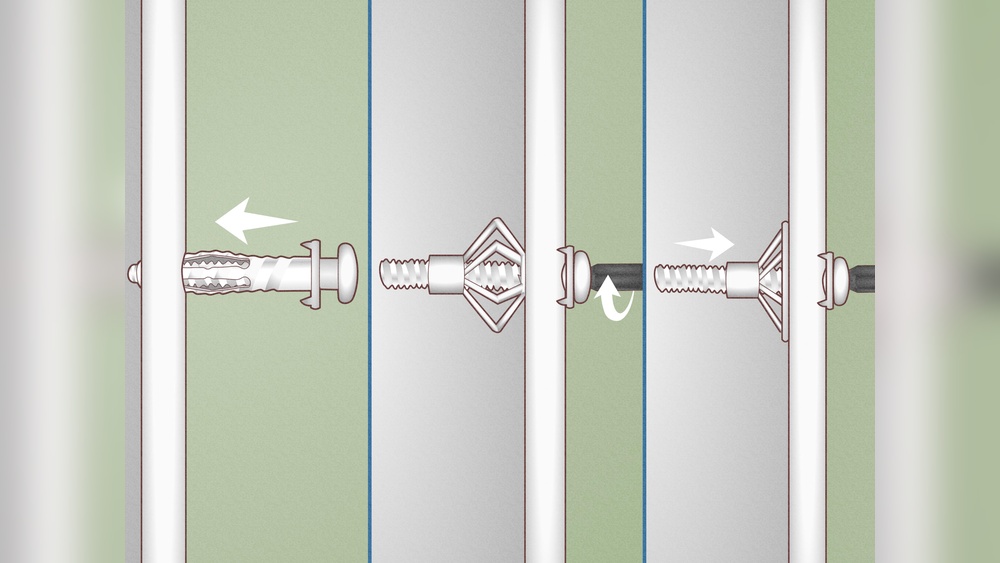
Plastic expansion anchors are simple and work well in drywall. They expand as the screw goes in. Toggle bolts have wings that open behind the wall for heavy loads. Molly bolts are metal anchors that expand inside hollow walls. Self-drilling anchors cut their own hole and are quick to use.
Matching Anchors To Wall Materials
Drywall needs lightweight anchors like plastic or self-drilling. Concrete or brick walls require heavy-duty anchors like sleeve or wedge types. Hollow walls need toggle or molly bolts for strong support. Always check the wall type before choosing an anchor.
Weight Capacity Considerations
Each anchor has a weight limit. Use anchors rated for your item’s weight. Overloading anchors can cause them to fail. Heavier items need stronger anchors like toggle bolts. Lighter anchors work for pictures or small shelves.
Preparing The Wall
Preparing the wall is a key step before installing screws and wall anchors. Proper preparation ensures a strong hold and prevents damage to your walls. Taking time to locate studs, mark drill points, and drill pilot holes makes your project easier and safer.
Locating Studs And Avoiding Obstacles
Studs provide the best support for screws. Use a stud finder to locate them behind the drywall. Mark the stud edges lightly with a pencil. Avoid drilling near electrical wires, plumbing, or pipes. These obstacles can cause serious damage or injury.
Marking Drill Points
Mark the exact points where you will drill holes. Use a pencil and a level to keep marks straight. Measure carefully to ensure even spacing. Clear marks help you drill accurately and avoid mistakes.
Drilling Pilot Holes
Drill small pilot holes before inserting screws or anchors. Pilot holes guide screws and reduce wall damage. Choose a drill bit slightly smaller than the screw diameter. Drill slowly and steadily to keep holes clean and precise.
Credit: www.bobvila.com
Installing Screws With Anchors
Installing screws with anchors is a reliable way to hang objects on walls. Anchors hold screws tightly in drywall, plaster, or other hollow surfaces. Using anchors prevents screws from pulling out under weight. This method ensures a strong and lasting hold for shelves, pictures, and more.
Inserting Anchors Correctly
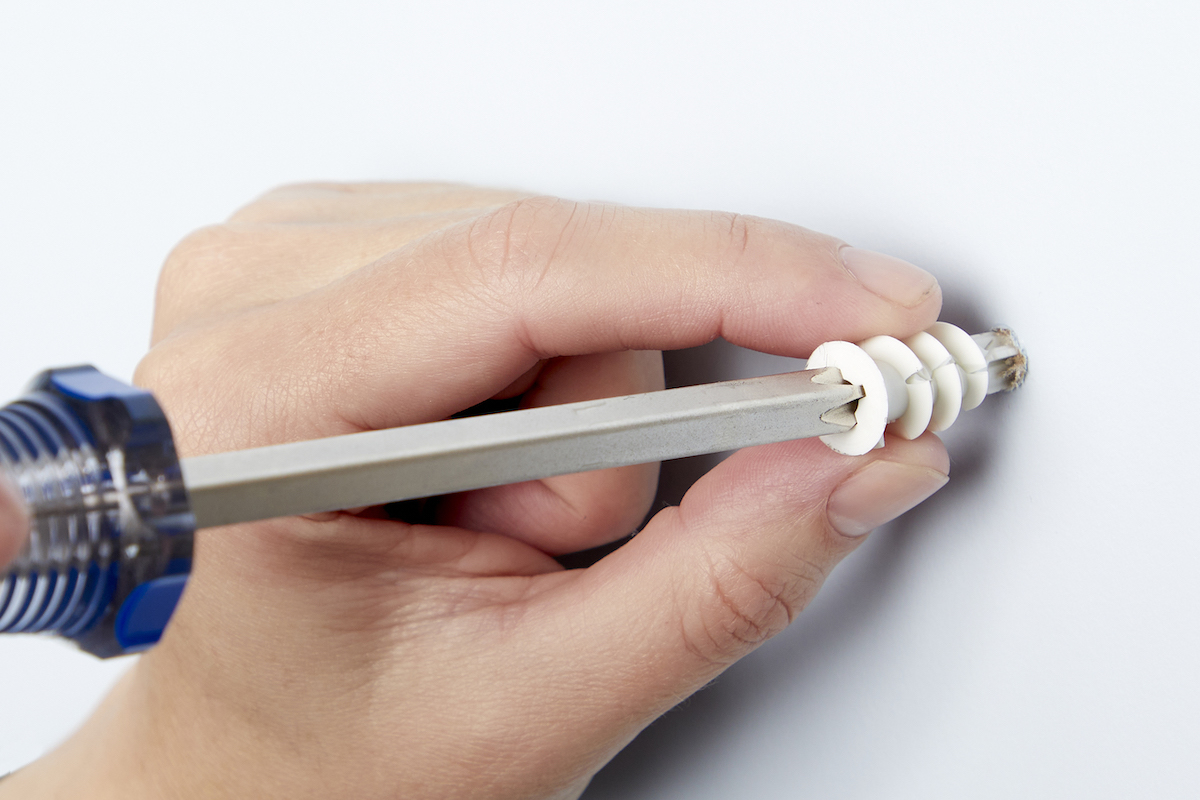
Start by choosing the right anchor for your wall type. Mark the spot for drilling carefully. Use a drill bit that matches the anchor size. Drill a hole straight into the wall. Clean out dust from the hole. Push the anchor into the hole until it sits flush. Light taps with a hammer help if the anchor is tight.
Driving Screws Safely
Pick a screw that fits the anchor size. Place the screw in the anchor carefully. Use a screwdriver or drill with a low speed setting. Turn the screw slowly to avoid stripping. Stop when the screw feels tight but not over-tightened. Over-tightening can damage the anchor or wall.
Ensuring Secure Mounting
Check the screw’s grip by gently pulling the mounted item. It should not move or wiggle. For heavy objects, use multiple anchors and screws. Spread the load evenly to avoid wall damage. Secure mounting keeps your items safe and your walls intact.
Common Mistakes To Avoid
Using screws and wall anchors may seem easy, but many people make simple mistakes. These errors can cause your project to fail or damage your walls. Avoiding these common mistakes ensures a strong and safe hold for your items.
Using Incorrect Anchors
Choosing the wrong anchor weakens the hold. Drywall anchors do not work in concrete or brick. Heavy items need stronger anchors. Use plastic anchors for light loads only. Check the weight rating on each anchor type.
Over-tightening Screws
Turning screws too hard can strip the anchor or wall. Over-tightening causes anchors to lose grip. Tighten screws just enough to hold the item firmly. Stop turning once you feel resistance.
Ignoring Wall Material Differences
Walls differ: drywall, plaster, concrete, or brick. Each needs a special anchor type. Using drywall anchors in plaster walls may fail. Concrete screws work only in solid materials. Identify your wall before choosing anchors and screws.

Credit: www.picturehangsolutions.com
Maintenance And Safety Tips
Proper maintenance and safety are key when using screws and wall anchors. Careful attention keeps your mounts strong and secure. This prevents accidents and damage to your walls or items.
Check your mounts often. Look for signs of wear or loosening. Replace any damaged parts quickly. Follow safe practices for heavy loads to avoid failure.
Checking Mounts Periodically
Inspect screws and anchors every few months. Look for rust, cracks, or loose fittings. Tighten screws if they feel loose. Early checks catch small problems before they grow.
Replacing Damaged Anchors
Remove anchors that show cracks or breaks. Use new anchors that match your wall type. Damaged anchors cannot hold weight properly. Replace them to keep mounts safe and stable.
Handling Heavy Loads
Know the weight limits of your screws and anchors. Use multiple anchors for heavy items. Distribute weight evenly on the wall. Avoid overloading to prevent accidents and damage.
:max_bytes(150000):strip_icc()/how-to-use-and-discard-anchor-screws-1822671-002-04-4963da18c2674e6bbf07e5fc07d5b4f0.jpg)
Credit: www.thespruce.com
Frequently Asked Questions
What Are The Best Wall Anchors For Drywall?
Plastic expansion anchors are ideal for drywall. They provide firm grip and prevent screws from loosening. Choose anchors based on the weight of the item to hang.
How Do I Choose The Right Screw Size?
Select screws that fit the anchor size and wall type. The screw should be long enough to pass through the anchor and secure the item firmly.
Can I Reuse Wall Anchors And Screws?
Reusing wall anchors is not recommended as they lose grip. Screws can be reused if they are undamaged and fit the anchor properly.
Why Do Screws Need Wall Anchors?
Wall anchors distribute the screw’s load across a larger area. They prevent damage and hold items securely in hollow or weak walls.
Conclusion
Using screws and wall anchors correctly makes your projects strong. Choose the right anchor for the wall type. Drill holes carefully and insert anchors firmly. Screw in slowly to avoid damage. This method holds items safely and lasts long. Practice these steps to build confidence.
Small efforts lead to sturdy results. Now, you can hang shelves, pictures, and more with ease. Simple tools, smart choices, good work.