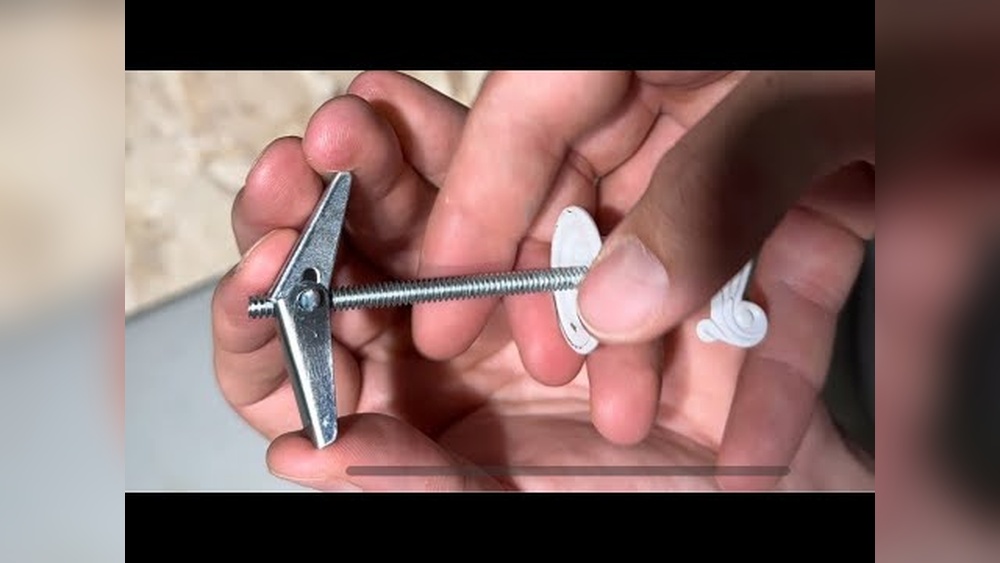
Have you ever tried to remove a butterfly anchor from your wall, only to find it stuck tight and frustrating? You’re not alone.
These anchors are great for holding heavy items, but getting them out can feel like a real challenge. If you’re worried about damaging your wall or making the process harder than it needs to be, this guide is made just for you.
Keep reading to discover simple, effective steps that will help you safely and easily get butterfly anchors out of your wall—without the stress or mess.
Credit: bahumathigifts.com
Types Of Butterfly Anchors
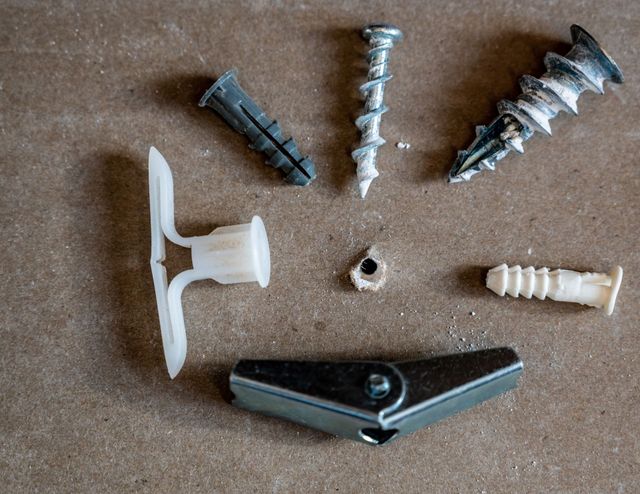
Butterfly anchors come in different types. Each type works best for certain wall materials and weights. Knowing these types helps you remove them safely and correctly. It also helps to choose the right anchor for your project.
Plastic Vs. Metal Anchors
Plastic butterfly anchors are lightweight and easy to install. They expand inside the wall to hold screws firmly. These anchors work well for light to medium loads. They are common in drywall and hollow walls.
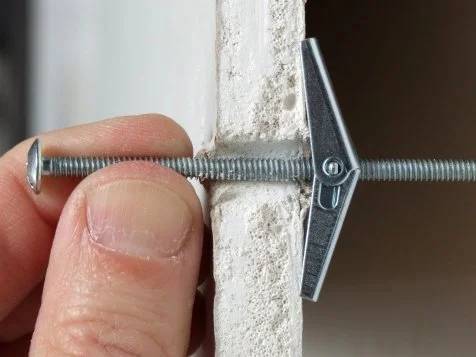
Metal butterfly anchors are stronger and more durable. Made from steel or zinc, they support heavier weights. They resist bending and breaking under pressure. Metal anchors are ideal for plaster walls and ceilings.
Common Uses In Walls
Plastic anchors suit picture frames, shelves, and small decorations. They hold items securely without damaging the wall. Metal anchors support heavier items like mirrors and cabinets. They also work well for mounting TVs and curtain rods.
Butterfly anchors are popular in hollow walls and ceilings. They spread their wings inside the wall cavity. This creates a strong grip and prevents pull-out. Knowing where and how to use each type avoids wall damage.
Tools Needed For Removal
Removing butterfly anchors from a wall requires the right tools. Using proper tools makes the job easier and prevents wall damage. Some tools are common in most homes. Others are designed specifically for anchor removal. Knowing what to use helps you finish the task faster and cleaner.
Basic Household Tools
Start with simple tools found in most homes. A flathead screwdriver helps pry the anchor out carefully. Needle-nose pliers grip and pull the anchor from the wall. A utility knife can cut around the anchor if needed. A hammer may assist in tapping the anchor loose gently. These tools work well for small or loose anchors.
Specialized Removal Tools
For stubborn butterfly anchors, specialized tools work best. An anchor removal tool is designed to grip and pull anchors without damage. A drywall saw cuts around the anchor for easier removal. A stud finder helps locate nearby studs to avoid damage. Using these tools gives better control and reduces repair work.
Preparation Before Removal
Before removing butterfly anchors from a wall, proper preparation is key. It helps make the process smooth and safe. Taking a few simple steps first can save time and avoid damage.
Clearing The Area
Remove any furniture or items near the wall. This gives you space to work freely. It also protects your belongings from dust or falling debris. Cover the floor with a drop cloth or old sheet. This keeps dust and small pieces from making a mess.
Safety Precautions
Wear safety goggles to protect your eyes from dust. Use gloves to keep your hands safe from sharp edges. A dust mask helps prevent breathing in tiny particles. Make sure the room is well-ventilated. Keep a first aid kit nearby, just in case.
Step-by-step Removal Process
Removing butterfly anchors from walls can be tricky without the right method. The process involves careful steps to avoid damage to your wall. Follow these clear instructions to remove the anchors safely and efficiently. The key is to work patiently and use simple tools.
Loosening The Anchor
Start by loosening the butterfly anchor. Use a screwdriver to turn the screw counterclockwise. This action will help release the anchor’s grip inside the wall. Do not remove the screw completely yet. Just loosen it enough to create some space.
Extracting The Anchor
Next, try to pull the anchor out gently. Use pliers to grip the metal wings of the anchor. Pull slowly and steadily to avoid breaking the wall. If the anchor moves freely, continue pulling until it comes out completely. If it resists, stop and try another method.
Handling Stubborn Anchors
For anchors stuck tight, use a drill with a small bit. Drill a tiny hole in the anchor’s center to weaken it. Then, use the pliers to pull it out. Another way is to push the anchor through the wall cavity. This option may leave a larger hole to patch later.
Fixing The Wall After Removal
After removing butterfly anchors from your wall, fixing the damage is important. Small holes and marks can make walls look bad. Repairing these spots restores your wall’s smooth look. It also prepares the surface for painting or decoration.
Filling Holes
Start by cleaning the holes. Remove any dust or loose bits inside. Use a putty knife to apply wall filler or spackle. Press the filler firmly into the hole. Overfill slightly to allow for shrinking. Let the filler dry as per instructions on the package. For larger holes, apply filler in layers. Each layer should dry before adding the next. This method keeps the repair strong and even.
Sanding And Painting
Once the filler dries, sand the area smooth. Use fine-grit sandpaper for best results. Sand gently to avoid damaging the wall. Wipe away dust with a damp cloth. Now the wall is ready for paint. Choose paint that matches your wall color. Apply paint evenly with a brush or roller. Allow the paint to dry completely. A second coat may be needed for full coverage. Proper sanding and painting make the repair blend in.

Credit: www.youtube.com
Tips To Avoid Wall Damage
Removing butterfly anchors from walls can cause damage if not done carefully. Protecting your wall is important to keep it smooth and clean. Follow these tips to avoid holes, cracks, and peeling paint.
Use The Right Tools
Choose tools like pliers or a screwdriver that fit the anchor size. Avoid sharp or heavy tools that can scratch or break the wall surface.
Work Slowly And Gently
Pull the anchor out with slow, steady force. Quick or strong yanks may tear the drywall or plaster. Patience helps keep the wall intact.
Cover The Area
Place a cloth or tape around the anchor before pulling. This protects the paint and reduces the risk of scratches or chips.
Fill Small Holes Immediately
Use spackle or wall filler to cover any holes after removing anchors. Smooth the surface to prepare for painting or touch-ups.
When To Call A Professional
Removing butterfly anchors from a wall can be tricky. Sometimes, it is best to ask for help. Professionals have the right tools and skills. They can avoid damage to your wall or injury to yourself.
Knowing when to call a professional saves time and stress. It also protects your walls and ensures the job is done right.
Signs The Anchor Is Stuck Deep
Sometimes the anchor goes too deep inside the wall. You cannot pull it out with simple tools. If it does not move after gentle pulling, stop. A professional can remove it safely without breaking the wall.
Wall Shows Signs Of Damage
Cracks or holes appear around the anchor. The wall feels weak or crumbly. Attempting removal might cause more damage. Experts know how to fix walls and remove anchors carefully.
Tools You Do Not Have
Removing butterfly anchors might need special tools. You may not own these tools. Professionals come prepared with all needed equipment. This makes the job quicker and safer.
Risk Of Injury
Removing anchors needs force and precision. You might hurt your hands or fingers. Sharp tools or metal parts can cause cuts. Let a professional handle risky parts to stay safe.
Multiple Anchors To Remove
Many anchors need removal. Doing it alone takes a long time. It can also damage your wall. Hiring a professional saves effort and ensures good results.
Credit: www.ottawadrywallpros.ca
Frequently Asked Questions
What Tools Are Needed To Remove Butterfly Anchors?
You need a screwdriver, pliers, and a putty knife. These tools help to grip and loosen the anchor gently. Using the right tools prevents wall damage and makes removal easier.
How Do You Safely Remove Butterfly Anchors?
First, unscrew any attached screws. Then, gently pull the anchor with pliers while pushing the wings inward. Avoid forcing it, which can damage the wall.
Can Butterfly Anchors Damage My Wall?
Yes, improper removal can cause holes or cracks. Using careful techniques and proper tools minimizes wall damage during anchor removal.
How To Fill Holes After Removing Butterfly Anchors?
Use spackle or wall filler to fill holes. Smooth it with a putty knife, let it dry, and sand for a clean finish.
Conclusion
Removing butterfly anchors from walls can be simple and safe. Use the right tools and take your time. Avoid damaging the wall by pulling gently or unscrewing carefully. Small holes left behind can be fixed easily. With patience and care, walls stay strong and clean.
Now, you know how to handle butterfly anchors with confidence. No need to worry about tricky wall fixes anymore.


