Are you tired of your pictures, shelves, or decorations falling off your plaster walls? Using the right wall anchor can make all the difference in keeping your items secure and your walls damage-free.
But if you’re unsure how to use a wall anchor for plaster, you’re not alone—and that’s exactly what this guide will help you with. By the end, you’ll know the simple steps to choose, install, and trust your wall anchors like a pro.
Ready to make your walls stronger and your hanging projects easier? Let’s dive in.
Choosing The Right Wall Anchor
Choosing the right wall anchor is key for a strong and safe hold in plaster walls. Plaster can be fragile, so the wrong anchor might cause damage or fail to support weight. Picking the right type makes your project easier and ensures your items stay secure.
Types Of Wall Anchors For Plaster
Plastic expansion anchors are common and easy to use. They work well for light loads but may not hold heavy items.
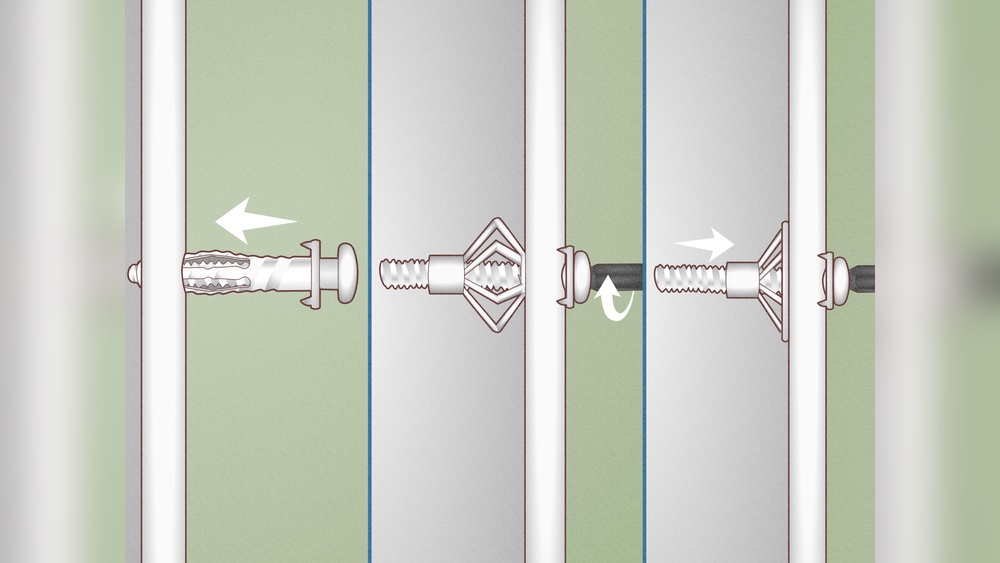
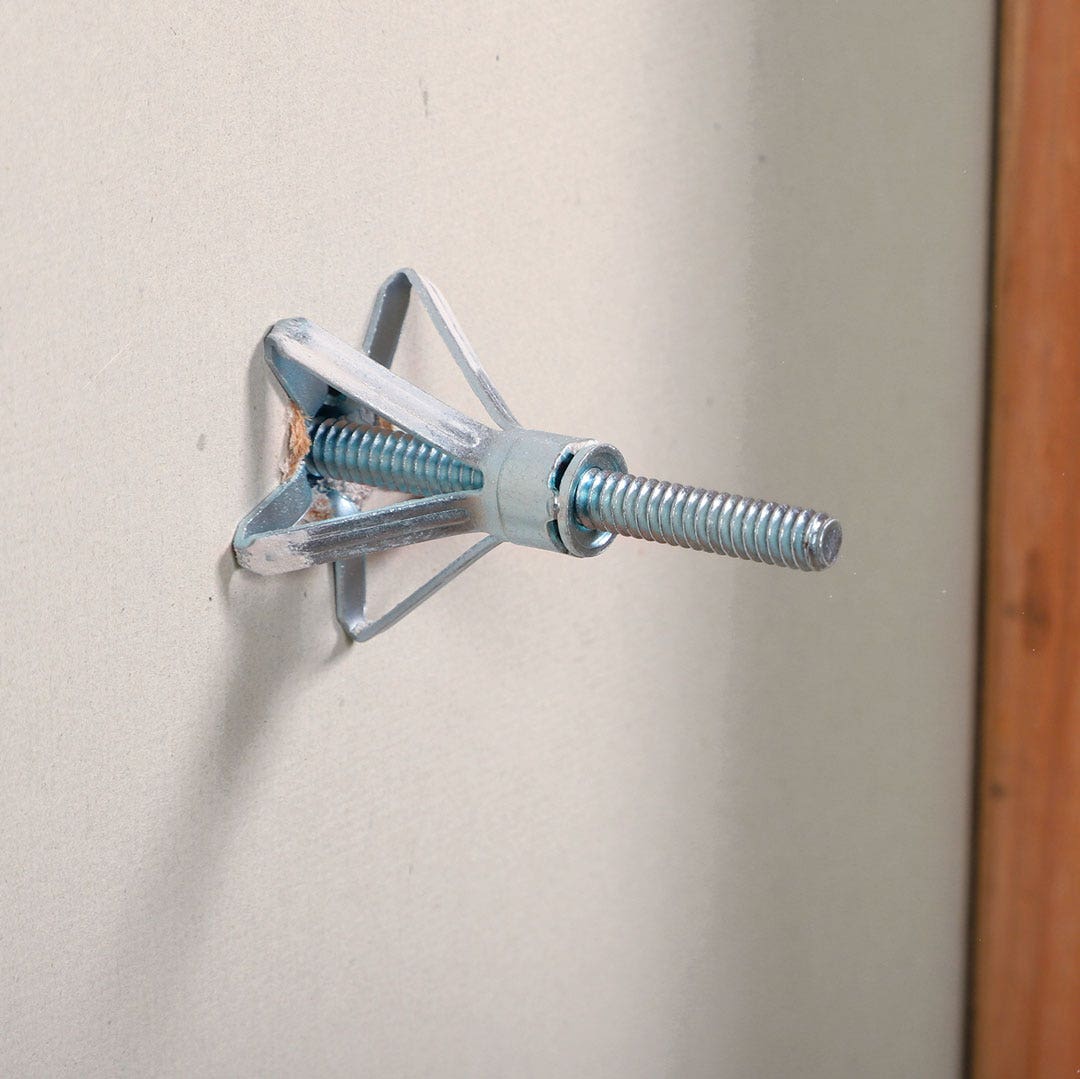
Molly bolts expand behind the wall for a firm grip. These suit medium weights and provide good support.
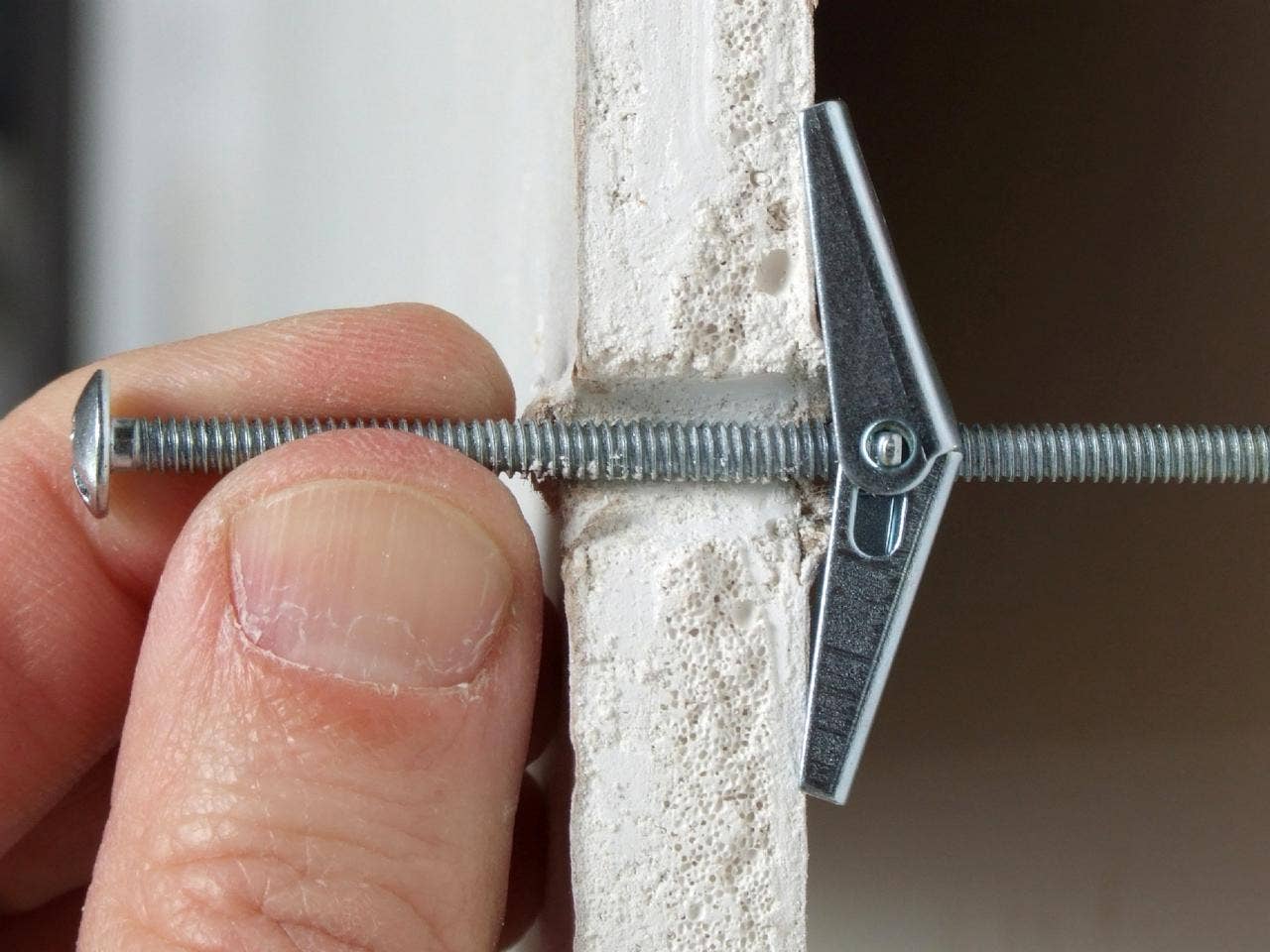
Toggle bolts have wings that open inside the wall. They hold heavy objects and spread weight across a larger area.
Self-drilling anchors screw directly into plaster. They are quick to install and good for light to medium loads.
Factors To Consider For Selection
Check the weight of the item you want to hang. Heavy items need stronger anchors like toggle bolts.
Look at the wall thickness and condition. Thin or cracked plaster needs anchors that spread the load.
Think about the anchor size. Bigger anchors hold more but need larger holes.
Consider the installation tools you have. Some anchors require drills, while others use simple screwdrivers.
Match the anchor type to your project needs for best results.
Preparing The Wall Surface
Preparing the wall surface is an important step before installing a wall anchor in plaster. A clean and stable wall helps the anchor hold firmly. Taking time to prepare ensures your anchor will support the weight safely. Follow these simple steps to get the surface ready.
Inspecting For Damage
Check the plaster for cracks, holes, or loose spots. Damaged areas can cause the anchor to fail. Look closely at the wall’s texture and firmness. Tap gently on the plaster to hear if it sounds hollow. Fix any damage before drilling to avoid problems later.
Cleaning And Marking Drill Points
Remove dust and dirt from the wall with a dry cloth. Clean surfaces help the anchor stick better and prevent slipping. Use a pencil to mark where you will drill. Measure carefully to place the anchor in the right spot. Clear marks guide your drill and keep the work neat.
Drilling Into Plaster Walls
Drilling into plaster walls requires care and the right tools. Plaster is fragile and can crack easily without the correct approach. Taking time to prepare helps protect your wall and makes the job easier. Using the right drill bit and technique prevents damage and ensures a strong hold for your wall anchor.
Selecting The Correct Drill Bit
Choose a drill bit designed for plaster or masonry. A carbide-tipped bit works well for hard plaster. Avoid using bits meant for wood or metal. These can cause cracks or uneven holes. Pick a bit slightly smaller than the wall anchor for a tight fit. This helps the anchor grip firmly.
Drilling Techniques To Prevent Cracks
Start by marking the spot with a pencil. Use a small drill bit first to create a pilot hole. Drill slowly and gently without pushing too hard. Let the drill do the work to avoid cracking. Stop drilling as soon as you reach the right depth. Wipe away dust to keep the hole clean. This method reduces stress on the plaster and keeps it intact.
Installing The Wall Anchor
Installing a wall anchor in plaster is a simple process. It helps hold heavy items safely on your wall. Proper installation ensures the anchor grips well and supports the load.
Start by choosing the right anchor for your wall and the item you want to hang. Follow each step carefully to avoid damage and ensure a strong hold.
Inserting Different Anchor Types
Plastic expansion anchors require a pilot hole. Drill a hole slightly smaller than the anchor. Push the anchor into the hole until flush with the wall.
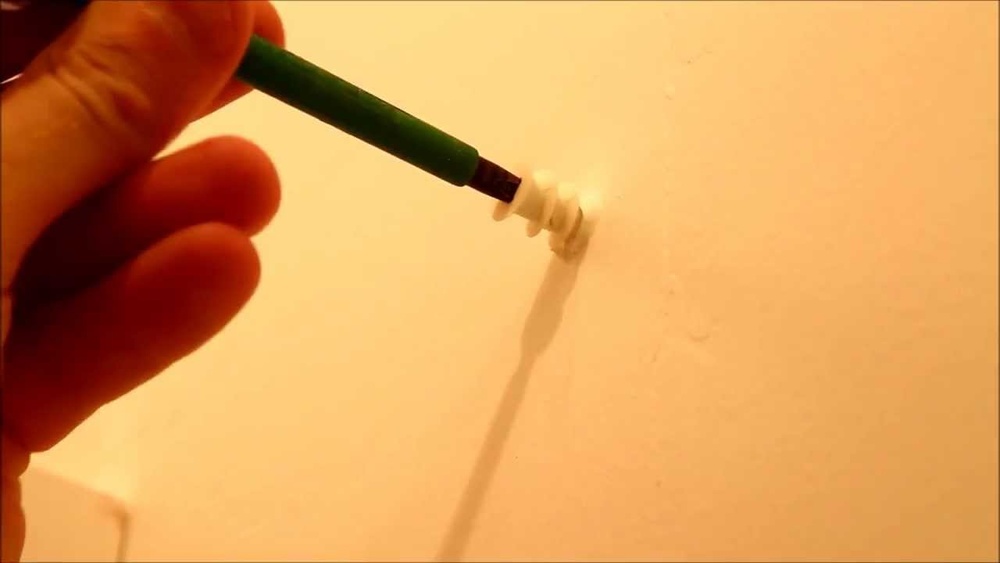
Threaded anchors, like self-drilling ones, can be screwed directly into plaster. Turn them slowly to avoid cracking the wall. Stop when the collar touches the wall surface.
Toggle anchors need a larger hole. Insert the folded toggle through the hole. Once inside, the toggle opens and grips the back of the plaster.
Ensuring A Secure Fit
Check the anchor is snug in the hole. It should not spin or wiggle. Gently tap it with a hammer if needed to seat it firmly.
Insert the screw carefully into the anchor. Tighten slowly to avoid cracking plaster. The screw should feel tight but not forceful.
Test the anchor by applying light pressure. It should hold steady. A secure fit means your item will stay safe on the wall.
Mounting Objects Safely
Mounting objects on plaster walls needs care and attention. Plaster can be fragile, so proper use of wall anchors is key. Safe mounting keeps objects secure and prevents damage to the wall. It also protects your belongings from falling. Follow simple rules to mount items safely and confidently.
Weight Limits And Load Distribution
Check the weight of the object before mounting. Each wall anchor has a weight limit. Never exceed this limit to avoid accidents. Spread heavy objects’ weight across multiple anchors. This reduces pressure on any one point. Distribute the load evenly to keep the plaster intact. Use anchors designed for plaster walls for best results.
Using Screws And Hooks Properly
Choose screws and hooks that fit the anchors well. The screw should be the right size and length. Too long or too short screws can cause failure. Insert screws straight into the anchor for a tight fit. Tighten screws gently to avoid cracking the plaster. Use hooks rated for the object’s weight for added safety.
Credit: www.ashanging.com
Troubleshooting Common Issues
Troubleshooting common issues with wall anchors in plaster walls helps keep your projects strong. Problems like loose anchors or wall damage can stop your work. Fixing these issues quickly saves time and effort. Follow easy steps to solve typical anchor problems.
Dealing With Loose Anchors
Loose anchors cause instability and may fall out. Check the anchor by gently pulling it. If it moves, remove it carefully. Use a larger anchor or fill the hole with plaster repair compound. Let it dry fully before placing a new anchor. Always choose the right anchor size for your wall thickness.
Repairing Wall Damage
Damaged plaster around anchors looks bad and weakens support. Remove loose plaster pieces with a putty knife. Clean the hole from dust and debris. Fill the damaged area with plaster patch or spackle. Smooth it flat and wait for it to dry. Sand the surface gently for a clean finish. Reinstall the anchor only after the repair is solid.
Maintenance And Longevity
Maintaining wall anchors in plaster walls is key to keeping them strong. Proper care helps avoid damage and keeps your items secure for a long time. Checking anchors regularly and knowing when to replace them ensures safety and stability in your home.
Regular Checks And Reinforcement
Check wall anchors every few months. Look for signs of looseness or cracks around the anchor. Gently wiggle the object attached to the anchor to test stability. Tighten screws if they feel loose. If the anchor moves, reinforce it by adding a new one nearby. This prevents damage to the plaster and keeps the load steady.
When To Replace Anchors
Replace anchors that show visible damage or no longer hold well. Cracks, crumbling plaster, or a loose fit are signs to change them. Remove old anchors carefully to avoid bigger holes. Use fresh anchors suited for plaster walls to restore strength. Replacing worn anchors stops accidents and keeps your walls intact.

Credit: www.picturehangsolutions.com
Credit: www.ashanging.com
Frequently Asked Questions
What Types Of Wall Anchors Work Best For Plaster?
Plastic expansion anchors and toggle bolts are ideal for plaster walls. They provide strong support without damaging the plaster. Choose anchors based on the weight of the item you’re hanging and wall thickness.
How Do You Install A Wall Anchor In Plaster?
Drill a pilot hole slightly smaller than the anchor. Insert the anchor gently into the hole. Tap it lightly with a hammer until flush with the wall. Then, screw in the fastener carefully to avoid cracking plaster.
Can I Use Drywall Anchors On Plaster Walls?
Drywall anchors can work but are less reliable on plaster. Plaster is harder and more brittle, so specialized anchors like metal toggle bolts offer better grip and prevent wall damage.
How Much Weight Can Plaster Wall Anchors Support?
Weight capacity varies by anchor type and plaster condition. Small plastic anchors hold around 10-25 pounds, while metal toggle bolts can support up to 50 pounds or more safely.
Conclusion
Using a wall anchor for plaster makes hanging items safe and secure. Choose the right anchor size for your wall and item weight. Drill a hole carefully, then insert the anchor straight in. Tighten screws slowly to avoid damaging the plaster.
This method helps prevent cracks and keeps things steady. With practice, the process becomes quick and easy. Trust this simple way to hang pictures, shelves, or mirrors on plaster walls. A little care leads to strong, lasting support every time.