Are you struggling to find the right plastic wall anchor for your project? Whether you’re hanging shelves, pictures, or fixtures, choosing the correct anchor can make all the difference in keeping your items secure.
In this guide, you’ll discover simple steps to get the perfect plastic wall anchor quickly and easily. By the end, you’ll feel confident about making the right choice every time—no more guesswork or worries about your walls. Keep reading to unlock the secrets that will save you time and frustration.

Credit: www.fmwfasteners.com
Choosing The Right Anchor
Choosing the right plastic wall anchor is key to holding items securely. The strength of the hold depends on matching the anchor to the job. Different walls and weights need different anchors. Picking the wrong anchor can cause damage or failure. Understanding anchor types and wall materials helps you select the best fit.
Types Of Plastic Wall Anchors
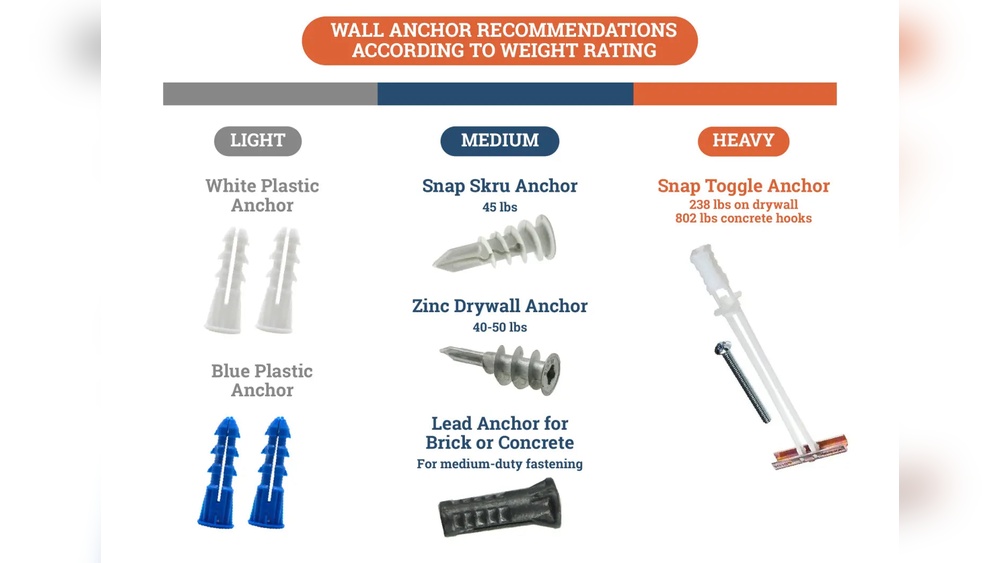
Plastic wall anchors come in various shapes and sizes. The most common types include expansion anchors, self-drilling anchors, and toggle anchors.
Expansion anchors expand inside the wall when a screw is driven in. They work well in drywall and plaster. Self-drilling anchors have sharp threads that cut into drywall easily. Toggle anchors have wings that open behind the wall for extra strength.
Each type holds different weights and fits specific wall types. Choosing the right type ensures your item stays put.
Matching Anchors To Wall Materials
Wall materials vary widely. Drywall, plaster, brick, and concrete all need different anchors.
For drywall, plastic expansion or self-drilling anchors work best. They grip the soft material firmly. Plaster walls often require toggle anchors for stronger hold. Brick and concrete need anchors designed for masonry. Plastic anchors with rough surfaces or special sleeves fit these walls better.
Check the wall type before buying anchors. Matching anchors to walls avoids damage and improves safety.
Gathering Necessary Tools
Gathering the right tools is the first step to install plastic wall anchors correctly. Having the proper equipment makes the job easier and safer. It also helps to avoid damage to your walls and ensures the anchor holds firmly. Below are the essential tools you need before starting.
Drill And Drill Bits
A drill is necessary to make holes in the wall for the anchors. Choose a drill with variable speed settings for better control. Use drill bits that match the size of your plastic wall anchors. This ensures a snug fit and strong hold.
Screwdriver And Screws
A screwdriver is needed to insert screws into the anchors. Select a screwdriver that fits the screw head type, like Phillips or flathead. Use screws that are the right length and thickness for your anchors. This prevents the screws from stripping or breaking.
Measuring And Marking Tools
Measure carefully to place anchors in the correct spots. Use a tape measure or ruler for accurate distance checks. Mark the spots with a pencil or marker to guide drilling. Precise marks help avoid mistakes and keep your project neat.
Preparing The Wall
Preparing the wall is the first step to install a plastic wall anchor properly. It helps the anchor stay strong and hold the item securely. Taking time to prepare the wall prevents damage and makes the job easier.
Follow these simple steps to get the wall ready for the plastic anchor.
Marking The Drill Spot
Find the exact place where you want to put the anchor. Use a pencil to mark the spot clearly. Check twice to make sure the mark is in the right position. The mark guides the drill and keeps your work accurate.
Drilling The Hole Correctly
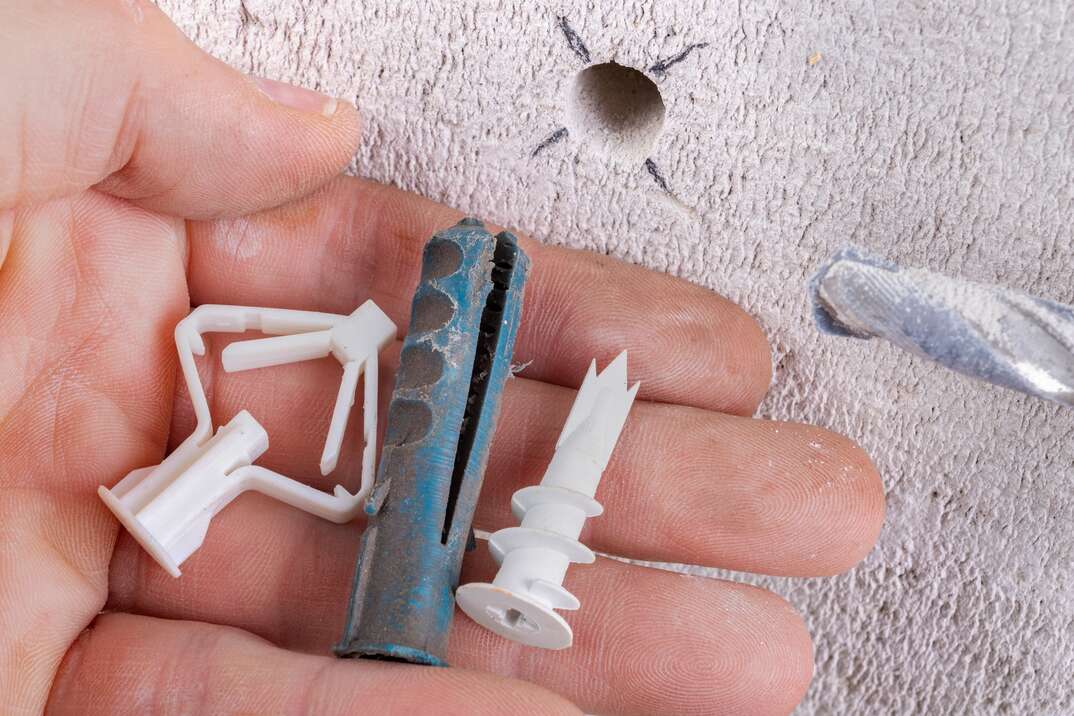
Use a drill bit that matches the anchor size. Drill straight into the marked spot. Go slowly to avoid cracking or damaging the wall. Clean out dust from the hole before inserting the anchor. A clean hole helps the anchor fit tightly.
Credit: www.homeserve.com
Inserting The Plastic Anchor
Inserting a plastic wall anchor correctly is key to a strong hold. This step prepares the wall for screws and heavy items. It needs care and attention to avoid damage or weak support.
Aligning The Anchor
Start by holding the anchor near the hole you drilled. Make sure the anchor lines up straight with the hole. A straight anchor fits better and holds stronger. Check that the anchor’s tip matches the hole size exactly. This helps the anchor slide in smoothly.
Pushing Anchor Into The Wall
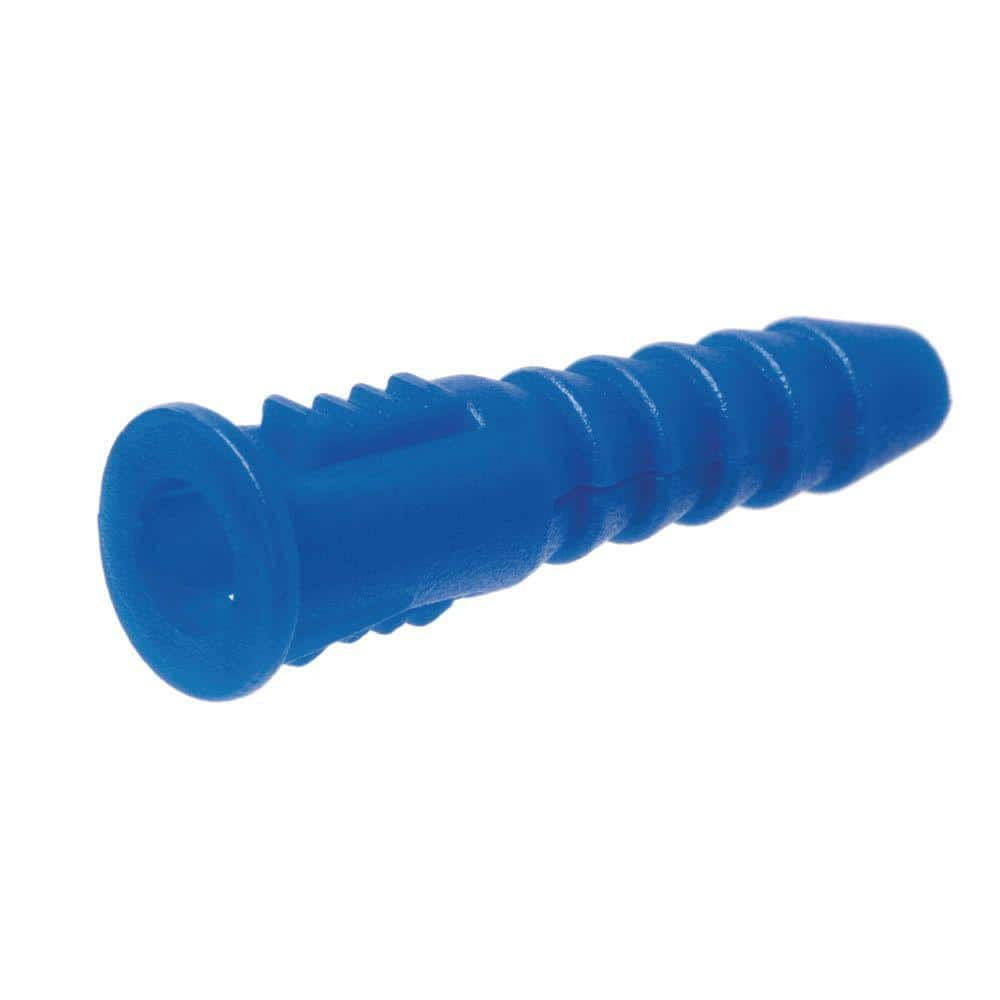
Push the plastic anchor gently into the hole. Use your thumb to press it in evenly. Stop if you feel resistance. Tap lightly with a hammer if needed. The anchor should go flush with the wall surface. Too deep or shallow causes poor grip. A proper fit keeps the screw tight and secure.
Securing The Screw
Securing the screw in a plastic wall anchor is a key step. It ensures the item stays firmly attached to the wall. Without proper securing, the anchor can fail and cause damage. This section explains how to choose the right screw and drive it correctly.
Choosing The Right Screw Size
Select a screw that fits the anchor snugly. The screw should match the anchor’s diameter. Too thin a screw will slip and not hold. Too thick a screw can crack the anchor or wall. Check the anchor packaging for recommended screw sizes. Use screws made for the wall type you have.
Driving The Screw Into The Anchor
Start by placing the screw on the anchor’s opening. Use a screwdriver or drill with low speed. Turn the screw slowly and steadily. Avoid forcing the screw too fast. Stop when the screw head is flush with the anchor. The anchor will expand inside the wall. This expansion holds the anchor tight. Do not overtighten; it can damage the anchor or wall.
Credit: www.homedepot.com
Frequently Asked Questions
What Is A Plastic Wall Anchor Used For?
A plastic wall anchor secures screws in drywall or masonry. It prevents screws from pulling out. Anchors provide extra grip for hanging items safely.
How To Choose The Right Plastic Wall Anchor?
Select an anchor based on wall type and weight needs. Match anchor size to screw size. Use heavier-duty anchors for heavier objects.
Where To Buy Plastic Wall Anchors Locally?
Plastic wall anchors are available at hardware stores, home improvement centers, and online retailers. Check aisles with fasteners and wall-mounting supplies.
Can I Install Plastic Wall Anchors Without A Drill?
Some anchors can be installed by hand, but a drill ensures a proper hole. Drilling creates the right size hole for secure fitting.
Conclusion
Getting plastic wall anchors is simple with the right steps. Visit local hardware stores or check online shops. Choose anchors that fit your wall type and project needs. Always follow instructions for safe and strong installation. With proper anchors, your walls will hold items securely.
Take your time and pick the best option. Now, you are ready to hang things easily and safely.