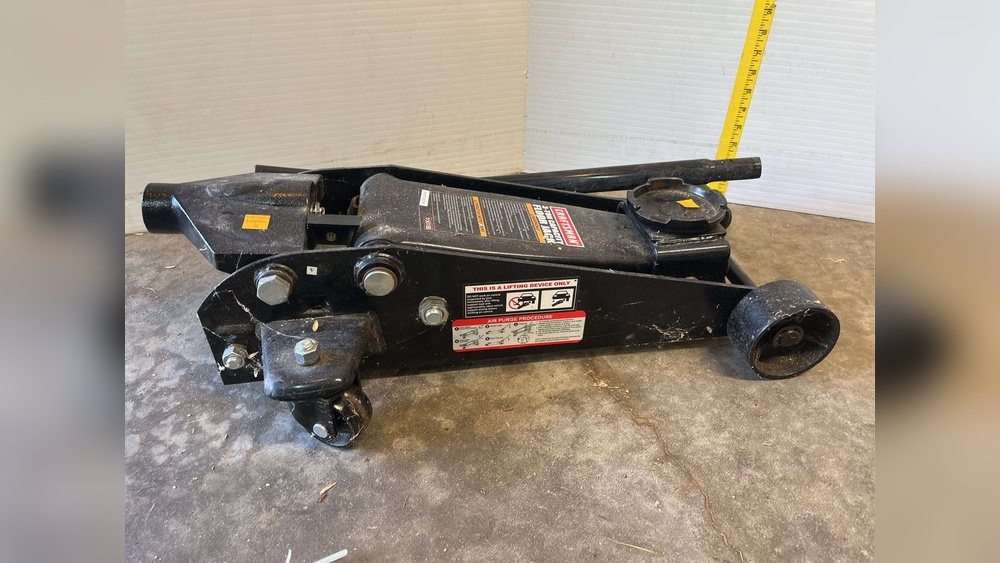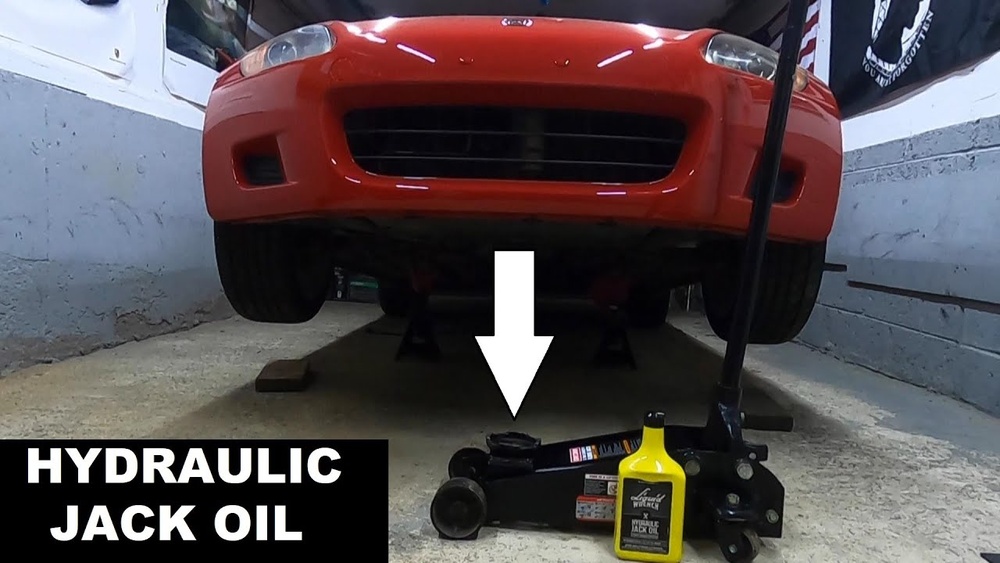
If you rely on a floor jack to lift your vehicle or heavy equipment, keeping it in top shape is crucial. One key part of maintenance is replacing the floor jack oil.
You might wonder why this matters or how to do it without making a mess. Don’t worry—this guide will walk you through every step clearly and simply. By the end, you’ll feel confident handling your floor jack like a pro, ensuring it works smoothly and safely whenever you need it.
Ready to save time and avoid costly repairs? Let’s dive in!

Credit: www.wikihow.com
Signs You Need To Change Floor Jack Oil
Knowing the signs that indicate your floor jack oil needs changing helps keep your tool in good shape. Regular oil changes prevent damage and ensure smooth lifting. Watch for these common signs to avoid costly repairs.
Leaking Hydraulic Fluid
Hydraulic fluid leaks are a clear signal to check your floor jack oil. Fluid spots under the jack or around seals mean oil may be old or contaminated. Leaks reduce lifting power and can cause failure.
Slow Lifting Or Lowering
If your floor jack lifts or lowers slowly, the oil might be thick or dirty. Old oil loses its ability to move freely in the system. This slows down the jack and makes work harder.
Unusual Noises During Operation
Strange sounds like squeaks or grinding during use suggest oil issues. Clean, fresh oil helps parts move smoothly and quietly. Noises mean the oil may be dirty or low, affecting performance.

Credit: yourpghlawyer.com
Tools And Materials Required
Replacing floor jack oil needs the right tools and materials. Gather everything before starting. This makes the task smoother and safer. Using proper supplies helps avoid damage and keeps the jack working well.
Oil Type And Quantity
Choose the correct oil for your floor jack. Most jacks use hydraulic oil or specific jack oil. Check your jack’s manual for the exact type. Use the right amount to avoid leaks or damage. Usually, the manual shows how much oil you need.
Wrenches And Screwdrivers
Use wrenches and screwdrivers to open the oil fill and drain plugs. A set of metric or standard wrenches covers most jacks. A flathead or Phillips screwdriver may be needed for some plugs. Make sure tools fit well to avoid stripping bolts.
Drain Pan And Cleaning Supplies
Place a drain pan under the jack to catch old oil. This prevents spills and keeps the workspace clean. Use rags or paper towels to wipe dirt and oil around the jack. Clean tools and parts before reassembling to maintain good condition.
Preparing The Floor Jack
Preparing the floor jack before replacing its oil is important. It ensures the process goes smoothly and safely. Taking a few simple steps can protect you and the jack. Proper preparation also helps keep the jack in good condition. Follow these easy steps to get ready for the oil change.
Ensuring Safety
Safety must be your top priority. Wear gloves and safety glasses to protect yourself. Make sure the jack is on a flat, stable surface. Clear the area around the jack to avoid accidents. Never work under a raised vehicle without proper support.
Positioning The Jack
Place the jack in a comfortable spot to work on. Keep it low and not under any heavy load. Lower the jack completely to release pressure inside. This allows the oil to drain easily. Position it so you can reach all parts clearly.
Cleaning The Exterior
Wipe the jack’s outside with a clean cloth. Remove dirt, dust, and grease from the surface. Cleaning prevents dirt from entering the oil system. Use a mild cleaner if needed, but avoid harsh chemicals. A clean jack helps maintain its performance.
Draining Old Oil
Draining old oil is the first step in replacing floor jack oil. This process removes used oil that can cause damage. Clean oil keeps the jack working smoothly. Follow simple steps to drain the old oil safely and correctly.
Locating The Drain Plug
The drain plug is usually at the bottom of the jack. Check the base for a small bolt or screw. Use a flashlight if needed. The plug lets the oil flow out easily. Knowing its location saves time and mess.
Properly Removing Old Oil
Place a container under the drain plug to catch oil. Use a wrench or screwdriver to loosen the plug slowly. Let the oil drain completely without rushing. Avoid tilting the jack too much. Wear gloves to keep hands clean.
Disposing Of Used Oil
Used oil can harm the environment. Do not pour it down drains or on the ground. Store oil in a sealed container. Take it to a recycling center or auto shop. Proper disposal protects nature and follows the law.
Refilling With New Oil
Refilling your floor jack with new oil is a key step in keeping it working smoothly. Old oil can become dirty and thick, which stops the jack from lifting properly. Adding fresh hydraulic oil helps maintain pressure and extends the life of your jack. Follow the right steps to fill it correctly. This ensures safe and effective lifting every time.
Selecting The Correct Hydraulic Oil
Use only hydraulic oil made for floor jacks. Check your jack’s manual for the right type. Using the wrong oil can cause damage or poor performance. Avoid motor oils or other fluids. They do not have the right thickness or properties. The right oil keeps the system clean and working well.
Filling Procedures
Start by placing the jack on a flat surface. Open the oil fill plug carefully. Use a clean funnel to pour in the new oil slowly. Fill until the oil reaches the recommended level. Do not overfill. Close the plug tightly after filling. Wipe off any spilled oil to keep the jack clean.
Avoiding Air Bubbles
Air bubbles reduce the jack’s lifting power. To remove air, pump the handle several times after filling. This pushes air out of the system. Check the oil level again and add more if needed. Repeat pumping and checking until no bubbles appear. A smooth lift means air is out and oil is working well.

Credit: www.youtube.com
Bleeding The Floor Jack
Bleeding the floor jack is a key step after changing its oil. It removes trapped air inside the jack. Air pockets can stop the jack from lifting properly. This process helps the jack work smoothly and safely.
Why Bleeding Is Important
Air inside the jack causes it to feel spongy. It lowers lifting power and control. Without bleeding, the jack may not hold weight well. This can be unsafe during use. Bleeding clears air, restoring full hydraulic pressure. It ensures the jack lifts heavy loads easily.
Step-by-step Bleeding Process
First, open the release valve by turning it counterclockwise. Pump the jack handle several times slowly. This pushes air out through the valve. Close the release valve tightly once no air escapes. Test the jack by lifting it slightly. Repeat if the jack feels soft or weak. Keep checking until the jack lifts firmly and smoothly.
Testing And Maintenance Tips
Testing and maintaining your floor jack after replacing the oil is important for safety and performance. Proper care helps the jack last longer and work better. Simple checks and regular upkeep prevent problems before they start.
Checking For Leaks
Look closely around the jack for any oil drips or wet spots. Oil leaks can cause the jack to lose pressure and fail. Clean the jack before inspection to spot leaks easily. Tighten any loose bolts or seals to stop leaks quickly.
Operating The Jack Smoothly
Test the jack by lifting a small load slowly and smoothly. The jack should raise and lower without jerking or sticking. Listen for unusual noises like squeaks or grinding sounds. Smooth operation means the oil is working well inside the jack.
Regular Maintenance Schedule
Set a routine to check and change the oil every six months or as needed. Inspect the jack for rust, dirt, and damage regularly. Keep the jack clean and store it in a dry place. Regular care keeps the jack ready for use and extends its life.
Frequently Asked Questions
How Often Should I Replace Floor Jack Oil?
Replace floor jack oil every 6 to 12 months for optimal performance. Regular oil changes prevent rust and ensure smooth lifting.
What Type Of Oil Is Best For Floor Jacks?
Use high-quality hydraulic jack oil or ISO 32 hydraulic oil. Avoid motor oil as it can damage seals and reduce efficiency.
Can I Replace Floor Jack Oil Myself?
Yes, replacing floor jack oil is a simple DIY task. Follow safety steps, drain old oil, refill with new oil, and bleed air.
Why Is Floor Jack Oil Replacement Important?
Replacing oil removes contaminants and moisture that cause corrosion. Clean oil maintains hydraulic pressure and extends the jack’s lifespan.
Conclusion
Replacing floor jack oil keeps your tool working well and safe. Clean oil helps the jack lift smoothly and last longer. Follow steps carefully to avoid mistakes and spills. Check oil level often to catch problems early. A little care saves money and keeps your jack ready.
Simple maintenance means fewer breakdowns and easier repairs. Keep your floor jack in top shape with regular oil changes. Easy to do, worth the effort every time.