Have you ever tried to remove a hollow wall anchor and found yourself stuck, unsure how to get it out without damaging your wall? If so, you’re not alone.
These anchors are great for holding heavy items, but taking them out can be tricky. Don’t worry—this guide will walk you through simple, effective steps to remove hollow wall anchors safely. By the end, you’ll feel confident handling this common household challenge without stress or mess.
Keep reading to discover the easiest ways to free your wall from those stubborn anchors.
Tools Needed
Removing a hollow wall anchor requires the right tools. Using proper tools makes the job easier and prevents wall damage. Some tools are common in many homes. Others are designed just for this task. Knowing what tools to have helps you prepare well.
Common Household Tools
You can remove some hollow wall anchors with tools found at home. A screwdriver is essential to unscrew or pry out the anchor. Needle-nose pliers help grip the anchor firmly. A utility knife can cut around the anchor if needed. A hammer might tap the anchor loose gently. These tools work for simple or loose anchors.
Specialized Removal Tools
For tough anchors, specialized tools give better results. A hollow wall anchor removal tool is designed to pull anchors out cleanly. Some tools combine gripping and twisting actions. A drill with a small bit can help loosen stubborn anchors. These tools protect the wall from damage. They save time and effort on tricky anchors.
Types Of Hollow Wall Anchors
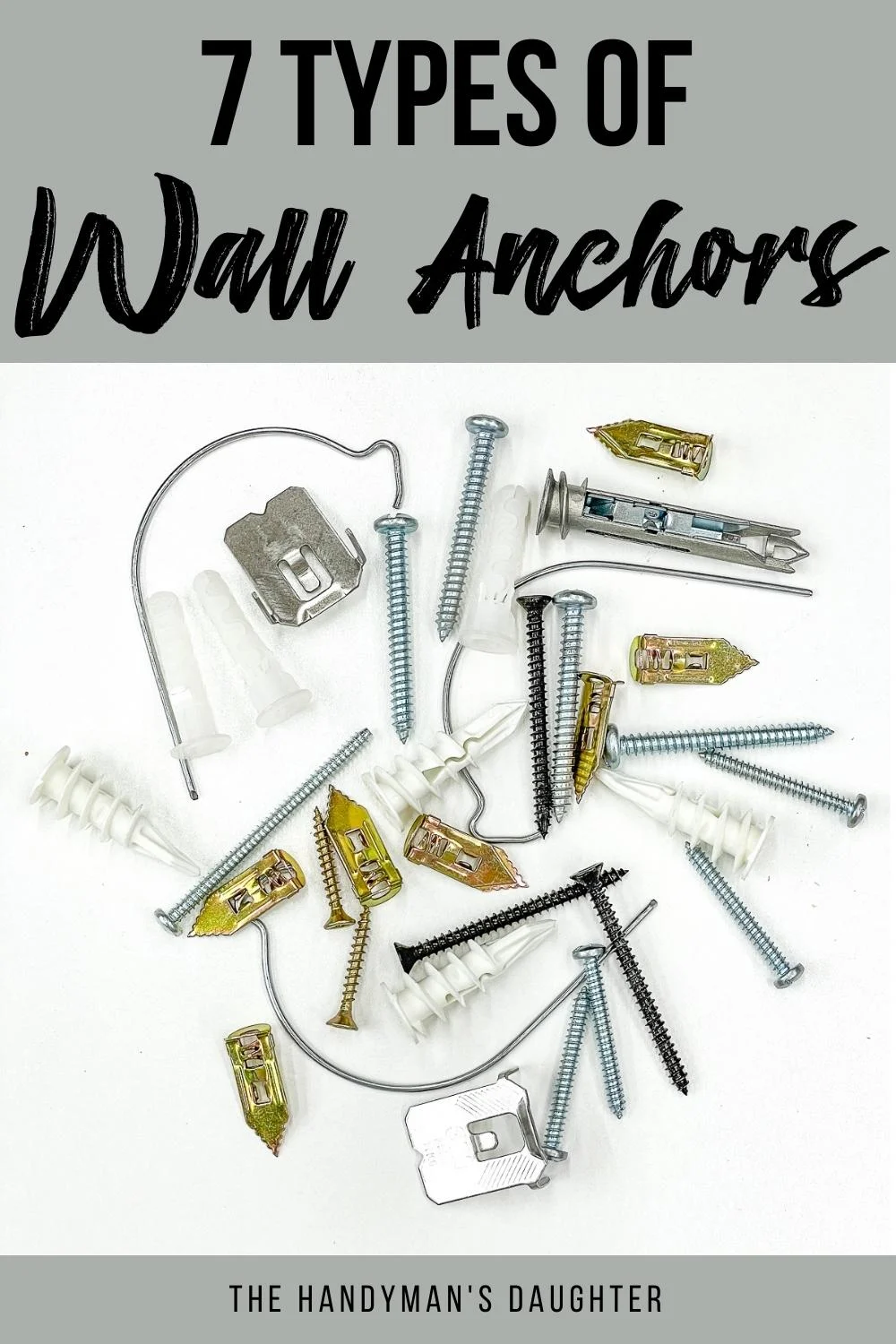
Hollow wall anchors hold items on drywall or hollow walls. Different types suit different weights and wall materials. Knowing their types helps in choosing and removing them properly.
Plastic Expansion Anchors
Plastic expansion anchors are the most common type. They are simple and cheap. When a screw goes in, they expand inside the wall. This expansion holds the anchor tightly in place. They work best for light objects.
Metal Molly Bolts
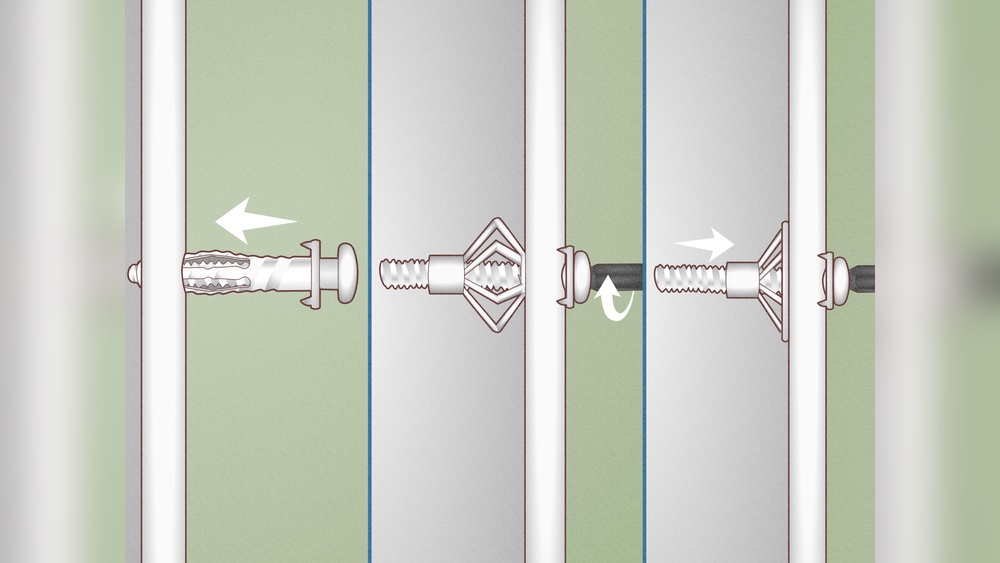
Metal molly bolts are stronger than plastic anchors. They have a metal sleeve that expands behind the wall. This creates a firm grip inside the hollow space. They hold medium-weight items well. The sleeve folds out like legs for extra support.
Toggle Bolts
Toggle bolts have metal wings that open inside the wall. These wings spread out wide to hold heavy loads. They need a larger hole for installation. Toggle bolts are best for hanging heavy shelves or cabinets on hollow walls.
Preparation Steps
Preparing properly makes removing a hollow wall anchor easier and safer. Taking time before you start prevents damage and keeps the work area tidy. Follow these steps for a smooth process.
Clear The Area
Remove furniture and objects near the wall. This gives you space to work freely. It also stops things from falling or getting dirty. A clear area helps you focus on the task. It reduces accidents and saves time.
Protect Surrounding Surfaces
Cover nearby surfaces with cloth or plastic sheets. Use painter’s tape to hold covers in place. This protects paint, wallpaper, and flooring from scratches. It also catches debris or dust from drilling or pulling. Protecting surfaces keeps your home clean and neat.

Credit: www.youtube.com
Removing Plastic Expansion Anchors
Removing plastic expansion anchors from hollow walls can be tricky. These anchors expand inside the wall, holding tightly. Pulling them out carefully avoids damage to the wall surface. Two common ways exist to remove these anchors: using pliers or pushing them through the wall. Both methods work well depending on the anchor’s condition and wall type.
Using Pliers
Grab the plastic anchor firmly with a pair of pliers. Pull straight out gently. Twist slightly if it feels stuck. Avoid pulling too hard. This can tear the drywall around the hole. If the anchor moves, keep pulling slowly. If it resists, try pushing it further inside the wall.
Pushing Through The Wall
Use a screwdriver or similar tool to push the anchor deeper. Press until the anchor falls inside the wall cavity. This leaves a small hole in the wall. Patch the hole with spackle or filler. This method is quick and prevents wall damage. Good for anchors that won’t come out with pliers.
Removing Metal Molly Bolts
Removing metal molly bolts from hollow walls is a common task during repairs or renovations. These anchors are strong and secure, but sometimes you need to take them out without damaging the wall. Knowing the right steps makes the process easier and cleaner.
Unscrewing The Bolt
Start by turning the bolt counterclockwise. Use a screwdriver that fits well to avoid slipping. Keep turning until the bolt comes out or feels loose. If it does not unscrew, try wiggling it gently while turning. This helps break any grip inside the wall.
Collapsing The Anchor
If the bolt is removed but the anchor stays inside, you need to collapse it. Push the anchor deeper into the wall cavity using a long tool. A screwdriver or a punch works well for this. Once the anchor is pushed in, it will no longer block the hole. This prevents damage and prepares the wall for patching or new anchors.

Credit: www.andersonlumbercompany.com
Removing Toggle Bolts
Removing toggle bolts from hollow walls can be tricky. These anchors are strong and hold heavy items firmly. Knowing the right steps helps prevent wall damage and saves time. Follow simple instructions to remove toggle bolts safely and easily.
Locating The Toggle
First, find the toggle inside the wall. The toggle is the metal or plastic part that opens behind the wall. It stays hidden, making removal hard. Gently pull on the bolt to feel where the toggle rests. Use a flashlight for better visibility through the hole. Knowing the toggle’s position helps avoid extra damage.
Pulling Out The Anchor
After locating the toggle, unscrew the bolt carefully. Turn it counterclockwise to loosen. If the toggle is stuck, push the bolt inward slightly. This lets the toggle fold and pass through the hole. Pull the bolt and toggle out together. If the toggle won’t come out, use needle-nose pliers to grab it. Take care to keep the wall intact during this process.
Fixing Wall Damage
Removing a hollow wall anchor can leave holes or marks on your wall. Fixing this damage is important for a smooth and clean finish. Proper repair helps the wall look neat and ready for painting or hanging new items.
Filling Holes
Start by cleaning the holes and removing any loose debris. Use a putty knife to apply wall filler or spackle into the holes. Press the filler firmly to fill all gaps completely. Let the filler dry according to the instructions on the package. Dry filler is easier to sand and paint over.
Sanding And Painting
Once the filler is dry, sand the area gently with fine-grit sandpaper. Sand until the surface is smooth and flush with the wall. Wipe away dust with a clean cloth before painting. Choose paint that matches your wall color. Apply paint evenly with a brush or roller for the best results.
Tips For Preventing Damage
Removing a hollow wall anchor can cause damage to your wall. Preventing damage starts with the right steps before and during installation. Small mistakes can create big problems later. Careful planning helps keep your walls strong and smooth.
Choosing the right anchor and installing it properly will protect your wall. These tips reduce the chance of cracks, holes, or weak spots. Follow these simple rules for better results.
Choosing The Right Anchor
Select an anchor based on wall type and load. Hollow wall anchors suit drywall or plaster walls. Use anchors designed for the weight you plan to hold. Avoid heavy loads on weak anchors. This prevents stress that can break or damage walls.
Check anchor size and length carefully. Too long or too short anchors may harm the wall. Choose anchors with good reviews or from trusted brands. Quality matters for safety and wall protection.
Proper Installation Techniques
Mark the spot clearly before drilling. Use a drill bit that matches the anchor size exactly. Drilling too large or too small holes can cause wall damage. Drill slowly and straight into the wall.
Insert the anchor gently without forcing it. Tighten screws carefully to avoid over-tightening. Over-tightening can crack the wall or break the anchor. Use a screwdriver with good control or a drill with adjustable torque.
Check the anchor’s hold by applying light pressure first. Stop if you see cracks or wall movement. Correct problems early to avoid bigger damage later.
Credit: www.thehandymansdaughter.com
Frequently Asked Questions
How Do I Remove A Hollow Wall Anchor Safely?
To remove a hollow wall anchor safely, first unscrew any attached screws. Then, use pliers to gently pull out the anchor without damaging the wall. If it’s stuck, push it into the wall cavity and patch the hole afterward.
What Tools Are Needed To Extract Hollow Wall Anchors?
Common tools include pliers, a screwdriver, and a drill. Pliers help grip the anchor, while a screwdriver removes screws. A drill can assist in loosening stubborn anchors. Having these tools ensures smooth and damage-free anchor removal.
Can Hollow Wall Anchors Be Reused After Removal?
Hollow wall anchors generally cannot be reused after removal. Removing them often damages their structure. It’s best to replace them with new anchors for secure and reliable wall support.
Why Does A Hollow Wall Anchor Get Stuck During Removal?
Anchors get stuck due to tight wall cavities or corrosion. Over-tightening during installation also causes this issue. Using the right tools and gentle techniques helps prevent damage and eases removal.
Conclusion
Removing a hollow wall anchor can be simple with the right steps. Use tools like pliers or a screwdriver carefully. Take your time to avoid damaging the wall. Small holes can be fixed easily afterward. Practice makes the process faster and safer.
Now, you can handle wall anchors without stress. Try these tips next time you need to remove one. Your walls will look neat and clean again.