Have you ever tried to remove a screw anchor from your plaster wall and ended up making a bigger mess? You’re not alone.
Removing these anchors can feel tricky, but with the right steps, you can do it cleanly and easily. Imagine getting your wall smooth and ready for a fresh coat of paint or a new decoration without any damage. You’ll discover simple, effective methods to take out screw anchors safely.
Keep reading, and you’ll gain the confidence to handle this common home repair task like a pro.
Types Of Screw Anchors
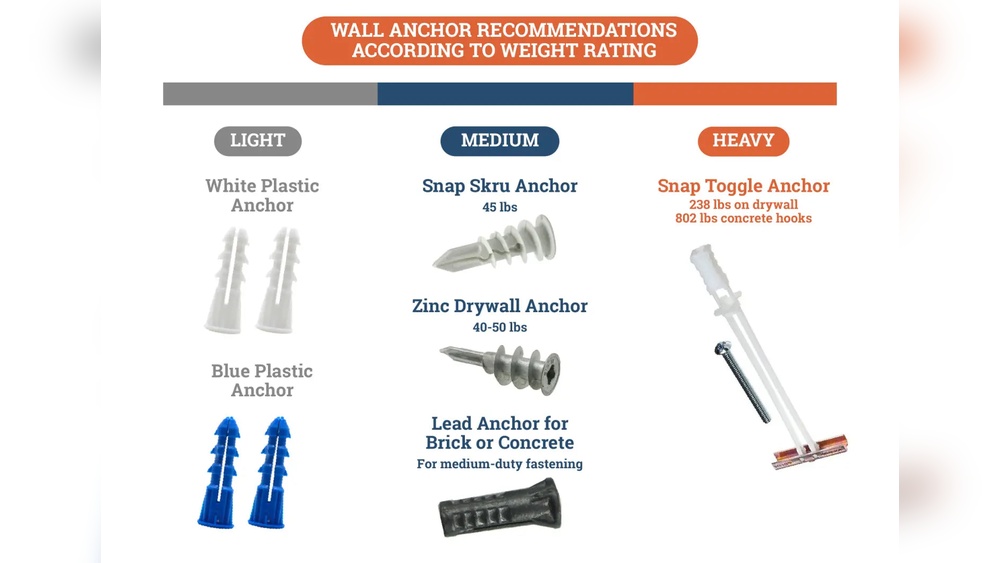
Screw anchors come in different types. Each type works best for certain wall materials and weights. Knowing the types helps you remove them safely from plaster walls. Here are four common screw anchors you may find.
Plastic Expansion Anchors
Plastic expansion anchors are simple and common. They are hollow and expand inside the wall when a screw goes in. They work well for light to medium loads. These anchors often stay stuck in plaster when removed.
Threaded Drywall Anchors
Threaded drywall anchors look like big plastic screws. They twist into the plaster without needing a drill. They hold firmly and can support medium loads. Removing them can cause some plaster damage.
Molly Bolts
Molly bolts are metal anchors that expand behind the wall. They create a strong grip in hollow walls. They can hold heavy items. Pulling them out can leave a large hole in plaster walls.
Toggle Bolts
Toggle bolts have metal wings that open inside the wall. They provide strong support for heavy objects. The wings fold to fit through the hole. Removing toggle bolts may damage plaster due to their size.
Tools Needed
Removing screw anchors from plaster walls needs the right tools. These tools help you work safely and avoid wall damage. Prepare them before starting the job to save time and effort.
Choose tools that are easy to handle and fit the size of the anchor. Each tool has a specific role in the process. Knowing how to use each tool makes the task smoother.
Screwdriver And Drill
A screwdriver helps to turn and loosen screws. Use a screwdriver that fits the screw head perfectly. A drill can speed up the process. Use a drill with a low speed setting to avoid wall cracks. Both tools are essential for loosening or removing screws.
Pliers And Utility Knife
Pliers grip and pull out the anchors. Needle-nose pliers work well for small anchors. A utility knife helps cut around the anchor’s edge. This knife makes it easier to remove any stuck parts. Use the knife carefully to avoid wall damage.
Putty Knife And Sandpaper
A putty knife smooths the wall after anchor removal. It helps spread filler to cover holes. Sandpaper refines the wall surface. Use fine-grit sandpaper to make the wall smooth. These tools prepare the wall for painting or decoration.
Preparation Steps
Before removing screw anchors from a plaster wall, prepare the workspace carefully. Proper preparation helps avoid damage and keeps the process smooth. Take time to get everything ready.
Clear The Area
Remove any furniture or items near the wall. Clear space around the work zone. This prevents accidents and gives you room to work. A tidy area makes the task easier and safer.
Protect Surrounding Surfaces
Cover floors and nearby surfaces with a drop cloth or old sheet. Use painter’s tape to secure the cover in place. Protecting surfaces stops dust and debris from causing harm. It also makes cleaning up faster after the job.

Credit: www.reddit.com
Removing Plastic Anchors
Plastic anchors hold screws firmly in plaster walls. Removing them needs care to avoid wall damage. Use simple methods to get them out smoothly. Two common ways work well for most plastic anchors.
Unscrew And Pull Out
Start by unscrewing the screw from the anchor. Use a screwdriver that fits the screw head well. Turn slowly to avoid stripping the screw.
Once the screw is out, try pulling the plastic anchor gently. Use pliers for a better grip. Pull straight out to reduce wall damage. If it resists, avoid forcing it.
Push And Pry Method
Push the plastic anchor deeper into the plaster. Use a small screwdriver or similar tool for this. This clears the anchor from the wall surface.
Next, use a flat tool like a putty knife. Pry the anchor out carefully. Work slowly and gently to prevent cracks.
Removing Threaded Drywall Anchors
Removing threaded drywall anchors can be simple with the right method. These anchors hold screws firmly in plaster walls. Removing them carefully avoids wall damage. Use gentle steps to keep your wall smooth and ready for repairs or new anchors.
Unscrew By Hand
Start by turning the screw counterclockwise. Use your fingers to grip and twist. Often, the anchor will turn with the screw and come out easily. If the anchor stays stuck, try to pull it out gently while turning. This method works well for loose anchors.
Using Pliers For Stubborn Anchors
Use pliers if the anchor does not unscrew by hand. Grip the anchor firmly with the pliers. Turn it slowly to loosen it from the wall. Pull the anchor out carefully once it turns. Avoid squeezing too hard to prevent breaking the anchor inside the wall.

Credit: www.youtube.com
Removing Molly Bolts
Molly bolts are common anchors used in plaster walls. They provide strong support for hanging heavy items. Removing them can seem tricky because of their expanding metal sleeves inside the wall. The key is to collapse or pull out the sleeve carefully without damaging the plaster.
Unscrew To Collapse
Start by turning the screw counterclockwise. This action loosens the bolt inside the wall. As the screw comes out, the metal sleeve contracts. The sleeve folds back against the wall cavity. This collapse lets you remove the bolt with less damage. If the sleeve does not collapse, try pushing the screw slightly while unscrewing.
Pry Out The Sleeve
Once the screw is removed, the metal sleeve stays in the wall. Use a flathead screwdriver or pliers. Gently pry the sleeve away from the plaster surface. Work slowly to avoid cracking the wall. If the sleeve is stuck, tap it lightly with a hammer to loosen. Pull the sleeve out carefully after it is free.
Removing Toggle Bolts
Removing toggle bolts from a plaster wall can be tricky. These anchors have a spring-loaded wing inside the wall. The wings open wide to hold the bolt in place. Removing them requires patience and care to avoid wall damage.
Follow simple steps to remove toggle bolts safely. Use common tools and a gentle touch. This method works well for most plaster walls.
Unscrew And Drop
First, unscrew the bolt head by turning it counterclockwise. Keep turning until the bolt separates from the wing. The wing will then drop inside the wall cavity. Do not try to pull it out; the wing is too wide to come back through the hole.
Once the bolt is free, the hole will remain. This hole may be larger than the bolt size, so prepare to patch it later. The wing stays inside the wall and does not cause harm.
Retrieving The Toggle
Sometimes, you want to remove the wing from inside the wall. Use a wire coat hanger or a strong hook. Straighten the hanger and bend one end into a small hook.
Insert the hanger through the hole and try to catch the wing. Pull gently to retrieve the toggle. This step can be hard if the wing is deep or stuck.
If you cannot catch the wing, leave it inside. It will not affect the wall structure or future anchors. Focus on fixing and painting the hole after removal.

Credit: www.reddit.com
Repairing The Wall After Removal
Removing screw anchors from plaster walls often leaves small holes or damage. Repairing these spots restores the wall’s smooth look. It also prepares the surface for painting. Proper repair makes the wall look new again. Follow these steps carefully for the best results.
Filling Holes
Start by cleaning the holes and removing dust. Use a putty knife to apply plaster filler or spackle. Press the filler firmly into the hole. Smooth the surface to match the wall. Let it dry according to the product instructions. Avoid overfilling to reduce sanding later.
Sanding And Smoothing
Once dry, gently sand the filled area with fine-grit sandpaper. Sand until the surface feels even and smooth. Blend the edges with the surrounding wall. Wipe away dust with a damp cloth. This step ensures the repair is not visible after painting.
Painting Touch-up
Choose paint that matches the wall color. Use a small brush or roller to cover the repair. Apply thin, even coats for the best finish. Let each coat dry before adding another. This restores the wall’s uniform look and hides repairs well.
Tips To Avoid Wall Damage
Removing screw anchors from plaster walls requires care. Avoiding wall damage saves time and repair costs. Follow simple tips to keep your walls intact and smooth.
Work Slowly And Carefully
Take your time during the removal process. Pull anchors gently to prevent cracks. Moving too fast can chip plaster or create holes. Patience helps maintain the wall’s surface.
Use Proper Tools
Choose the right tools for the job. Needle-nose pliers or a flathead screwdriver work well. Avoid using large or sharp tools that can break plaster. Proper tools provide better control.
Avoid Over-tightening
Do not tighten screws too much when reinstalling anchors. Excess force can crack plaster around the hole. Turn screws slowly and stop when they feel secure. This keeps the wall strong and safe.
Frequently Asked Questions
How Do I Remove Screw Anchors From Plaster Walls?
First, unscrew the screw completely. Then, gently pry out the anchor with pliers. Use minimal force to avoid wall damage. If stuck, push the anchor deeper and patch the hole afterward.
What Tools Are Needed To Remove Screw Anchors?
You need a screwdriver, needle-nose pliers, and optionally a putty knife. A drill can help if anchors are stubborn. These tools ensure safe and efficient anchor removal from plaster walls.
Can Removing Anchors Damage Plaster Walls?
Yes, improper removal can cause cracks or holes. Use gentle prying and avoid excessive force. Repair any damage with plaster filler for a smooth finish.
How To Fill Holes After Removing Screw Anchors?
Use plaster or spackle to fill holes. Apply with a putty knife and smooth the surface. Let it dry completely before sanding or painting.
Conclusion
Removing screw anchors from plaster walls takes care and patience. Start by loosening the anchor gently with the right tools. Avoid forcing it out to prevent wall damage. Clean the hole afterward to prepare for patching or repainting. Small repairs keep your walls smooth and strong.
With these simple steps, your wall will look neat again. Taking time helps you avoid bigger problems later. Keep tools ready and follow the process calmly. You will get a clean finish that lasts.