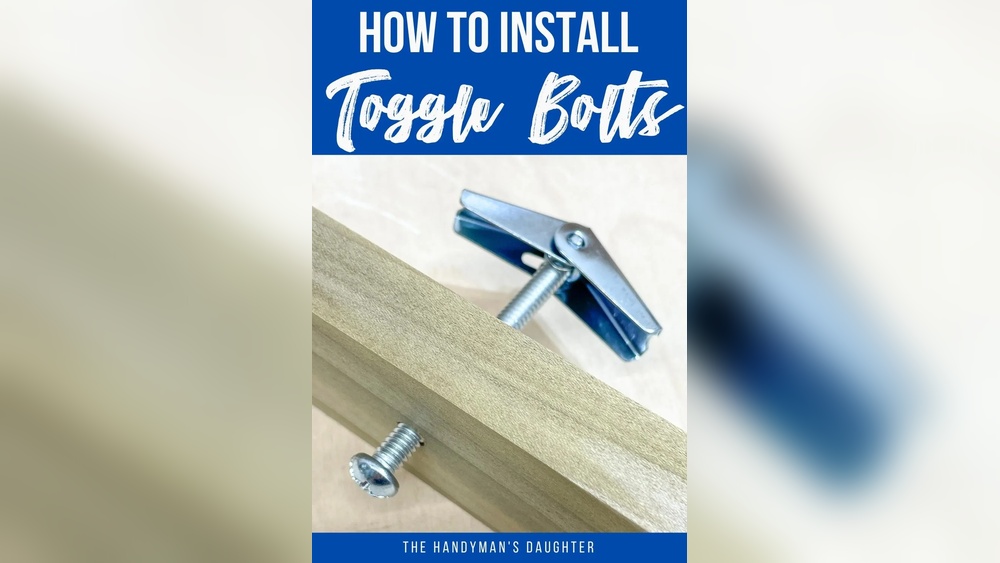
Are you struggling to hang heavy items securely on your walls? A toggle wall anchor might be the simple solution you need.
Understanding how to use a toggle wall anchor can save you time, prevent damage, and ensure your shelves, mirrors, or artwork stay firmly in place. In this guide, you’ll discover easy step-by-step instructions and insider tips that make installation quick and hassle-free.
Ready to learn the secret to strong, reliable wall mounts? Keep reading, and you’ll master the technique in no time.
Credit: anchorco.com
Types Of Toggle Wall Anchors
Toggle wall anchors provide strong support for hanging items on drywall or hollow walls. They work by expanding or locking behind the wall, giving better grip than regular anchors. Different types of toggle anchors suit different jobs. Knowing their differences helps you pick the right one.
Spring Toggle Anchors
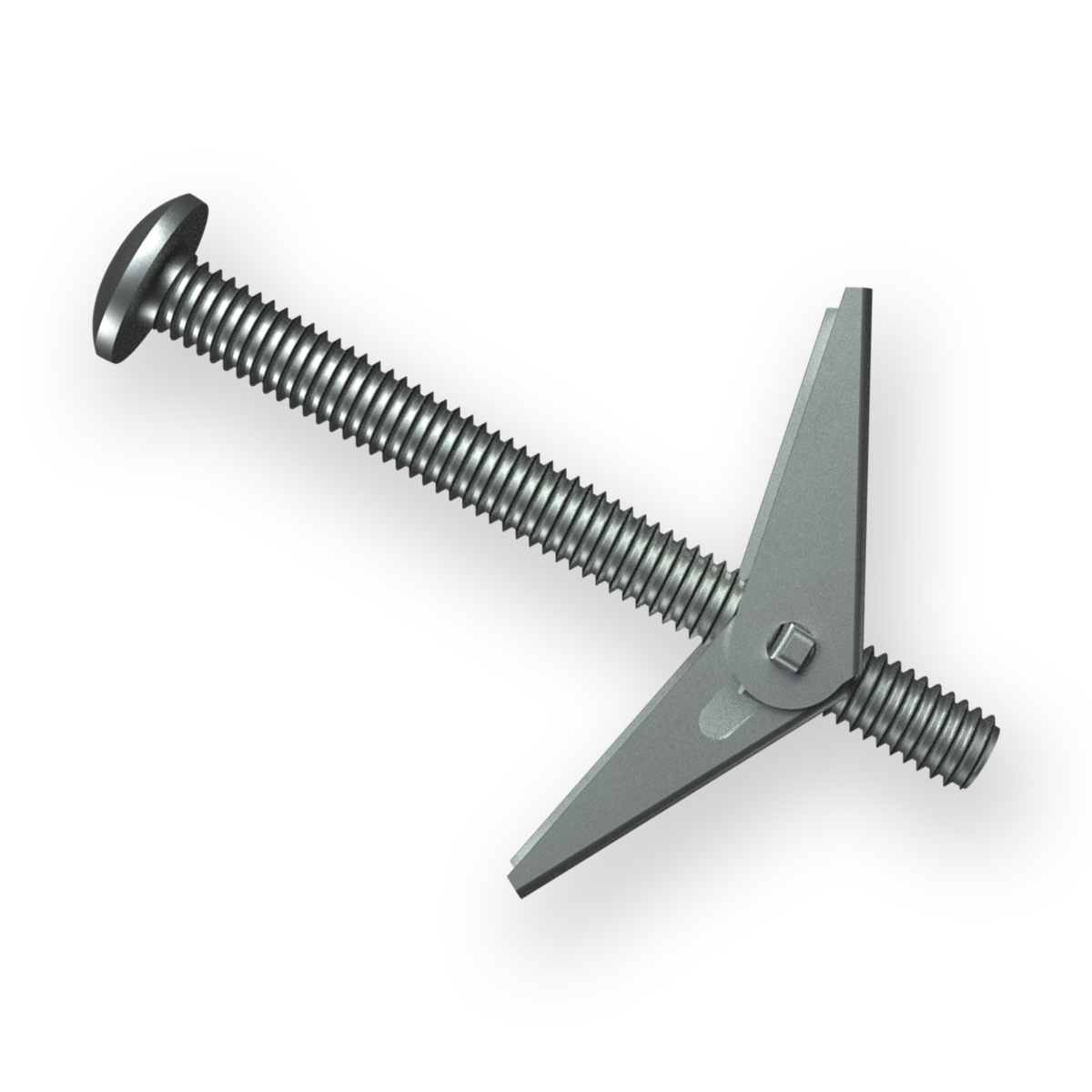
Spring toggle anchors have metal wings that fold to fit in a hole. Once inside the wall, the wings open wide. This spreads the load over a larger area. They work well for light to medium weight items. Easy to install with a drill and screwdriver.
Snap Toggle Anchors
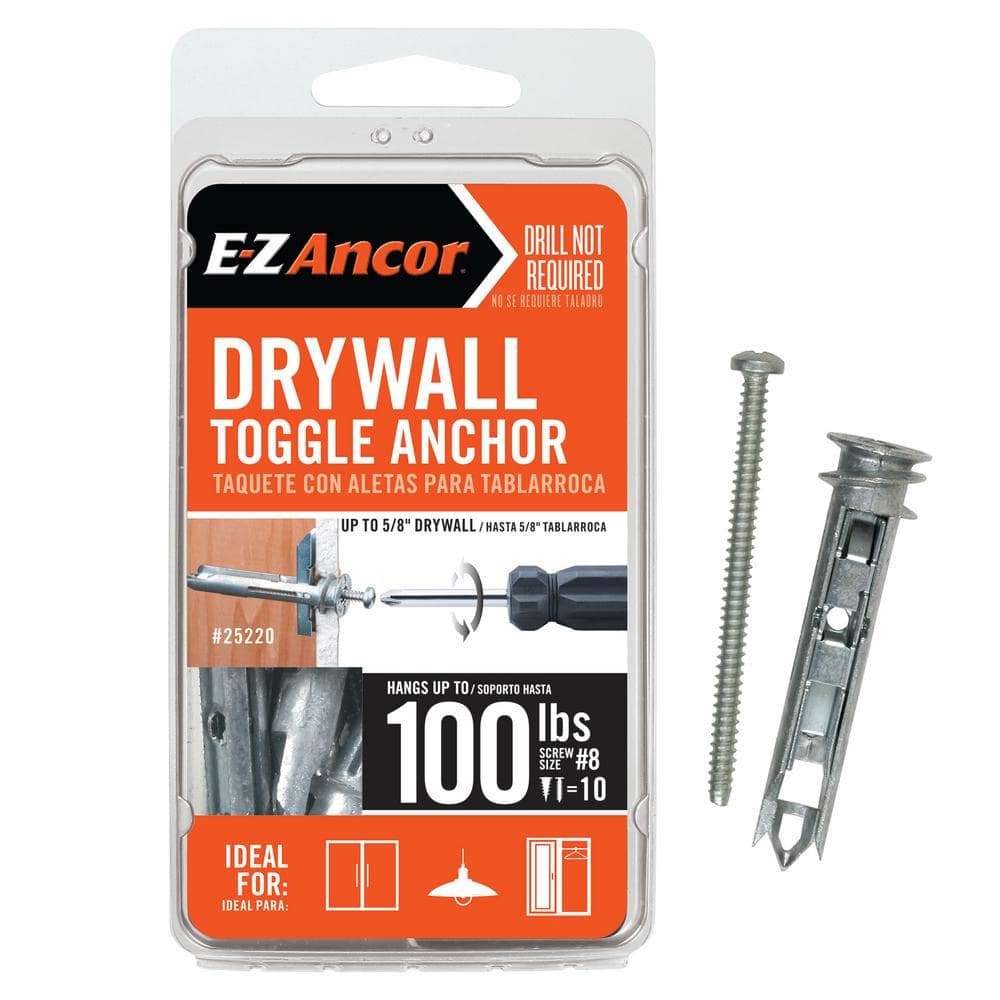
Snap toggle anchors use a strong metal toggle that snaps open inside the wall. They have a plastic strap to pull the toggle tight. This creates a firm hold on the wall. Snap toggles support heavier items. Ideal for shelves, mirrors, or TVs on drywall.
Toggle Bolt Anchors
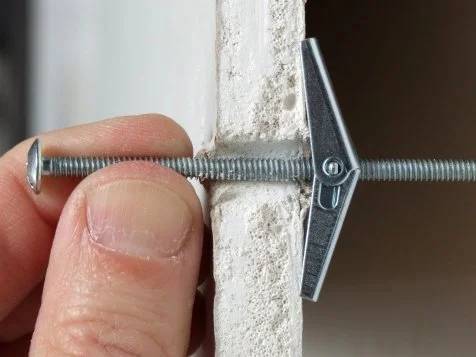
Toggle bolt anchors have metal wings that fold and fit through a hole. When inside, the wings spring open and lock. You tighten the bolt to secure the anchor. They handle heavy loads and work well in thick drywall or plaster. Perfect for hanging heavy objects safely.
Credit: www.homedepot.com
Tools And Materials Needed
Using a toggle wall anchor needs some basic tools and materials. Having the right items ready makes the job easier. It helps to work faster and safer. Below are the key tools and materials you will need for the task.
Drill And Drill Bits
A drill is essential for making holes in the wall. Choose the right drill bit size to match the anchor. The bit should fit the toggle anchor’s diameter exactly. This ensures a secure fit and strong hold.
Screwdriver
A screwdriver is needed to tighten the screws into the anchors. Use a screwdriver that fits the screw head. This prevents slipping and damage to the screw or wall. A manual or electric screwdriver works well.
Measuring Tape
Measure the exact spot for the anchor with a measuring tape. Accurate measurement helps in placing the anchor correctly. Mark the spot lightly with a pencil before drilling. This avoids mistakes and uneven mounting.
Toggle Wall Anchors
Choose toggle wall anchors that suit your wall type and load needs. These anchors spread behind the wall for a strong grip. They are ideal for hollow walls like drywall. Make sure the anchors are the right size for your screws.
Choosing The Right Anchor
Choosing the right toggle wall anchor is important for a secure hold. The anchor must match the job and the wall type. Picking the wrong anchor can cause damage or failure. Consider these key points before buying.
Weight Capacity
Check the weight the anchor can hold. Each anchor has a maximum weight limit. Choose one that supports your item’s weight safely. Going over the limit risks the anchor pulling out.
Wall Material Compatibility
Not all anchors fit every wall type. Some work best in drywall, others in plaster or hollow walls. Make sure the toggle anchor suits your wall material. This ensures a strong and lasting hold.
Anchor Size And Length
The size and length of the anchor matter. Larger anchors hold more weight but need more space. Measure the wall thickness and choose an anchor that fits well. Too short or too thin anchors may fail.
Credit: www.hgtv.com
Preparing The Wall
Preparing the wall is the first step in using a toggle wall anchor. It helps ensure the anchor fits tightly and holds well. Careful preparation also prevents damage to the wall and keeps your project safe and strong.
Marking The Drill Spot
Start by choosing the exact spot for the anchor. Use a pencil to mark the spot clearly. Check the mark twice to avoid mistakes. This spot should be free from pipes or wires. Marking helps guide your drill and keeps the hole in the right place.
Drilling The Hole
Select a drill bit that matches the anchor size. Hold the drill steady and drill straight into the wall. Drill slowly to control the depth. Stop once you reach the right hole size. A clean, well-drilled hole makes the anchor work better.
Clearing Debris
Remove dust and small pieces from the hole. Use a brush or blow air into the hole. Clearing debris helps the anchor fit securely. It also stops the anchor from slipping or loosening later. A clean hole means a strong hold.
Installing The Toggle Wall Anchor
Installing a toggle wall anchor is a simple way to hang heavy items securely. This anchor expands behind the wall, giving strong support. Follow each step carefully for the best hold and safety.
Inserting The Anchor
Start by drilling a hole in the wall. Make sure the hole matches the size of the anchor. Push the toggle anchor through the hole. Keep pushing until the toggle fits inside the wall cavity.
Engaging The Toggle Mechanism
Once inside, the toggle will open like wings. Pull the anchor gently toward you. Feel the toggle catch on the back of the wall. This action locks the anchor in place.
Securing The Anchor
Hold the anchor steady and tighten the screw. As you tighten, the toggle pulls tight against the wall. Stop tightening when the anchor feels firm. Your toggle wall anchor is now ready to hold weight safely.
Attaching Fixtures
Attaching fixtures to a toggle wall anchor is a simple process that ensures a strong hold. This step is important for items like shelves, mirrors, or hooks. Follow clear steps to secure the fixture safely and correctly.
Aligning The Fixture
Place the fixture over the toggle anchor hole. Make sure the holes on the fixture match the anchor positions. Keep the fixture steady and straight for a clean fit.
Screwing Into The Anchor
Insert the screw through the fixture hole and into the toggle anchor. Use a screwdriver or drill to tighten the screw. Turn slowly to avoid stripping the anchor or damaging the wall.
Checking For Stability
After tightening, gently pull on the fixture. It should feel secure with no wobbling. If loose, tighten the screw a bit more or check the anchor placement. A stable fixture means safe and strong support.
Common Mistakes To Avoid
Using toggle wall anchors can make hanging items easier and stronger. Still, mistakes can cause problems. Avoid these common errors to get the best results. Pay attention to details and handle the process with care.
Using Incorrect Drill Size
Choosing the wrong drill size is a frequent error. Too small a hole can break the anchor during insertion. Too large a hole will make the anchor loose and unstable. Always check the anchor package for the correct drill size. Use the right drill bit to ensure a snug fit.
Over-tightening Screws
Many users tighten screws too much. Over-tightening can damage the anchor or the wall. It can also reduce the anchor’s holding power. Tighten screws gently until they feel secure. Stop as soon as you notice resistance to avoid breaking the anchor.
Ignoring Weight Limits
Every toggle anchor has a weight limit. Exceeding this limit can cause the anchor to fail. This can lead to items falling and causing damage. Check the weight rating before installation. Choose anchors that match or exceed the item’s weight.
Maintenance Tips For Long-lasting Support
Maintaining toggle wall anchors is key to keeping your wall fixtures secure. Regular care helps avoid damage and keeps the anchor strong. Simple steps can extend the life of your installation.
Regular Inspections
Check your toggle wall anchors often. Look for signs of rust, cracks, or loosening. Early detection of problems stops bigger damage. Use a flashlight to see inside holes clearly.
Re-tightening Screws
Screws can loosen over time due to weight or movement. Tighten screws gently with a screwdriver. Avoid over-tightening to prevent damage. Repeat this step every few months for steady support.
Replacing Damaged Anchors
Remove anchors that show wear or breakage. Use a new toggle anchor suited for the wall type. Proper replacement keeps the load balanced and safe. Dispose of old anchors to prevent confusion later.
Frequently Asked Questions
What Is A Toggle Wall Anchor Used For?
A toggle wall anchor secures heavy items to drywall or hollow walls. It provides strong support where studs are unavailable. It prevents items from falling or damaging the wall.
How Do You Install A Toggle Wall Anchor?
Drill a hole matching the anchor size. Insert the toggle folded inside the wall. Pull the anchor tight against the backside. Secure your fixture with a screw into the anchor.
Can Toggle Anchors Hold Heavy Objects Safely?
Yes, toggle anchors are designed to support heavy loads. They distribute weight evenly behind the wall. Always check the weight rating on the anchor package before use.
What Tools Do I Need For Toggle Anchors?
You need a drill with the correct bit size, a screwdriver, and the toggle anchors. A measuring tape and pencil help mark drilling spots accurately.
Conclusion
Using a toggle wall anchor is simple and effective. It holds heavy items securely on drywall. Just follow the steps carefully for best results. Choose the right size anchor for your project. Tighten it gently to avoid damage. With practice, installation becomes quicker and easier.
Now, you can hang shelves, mirrors, or art confidently. Remember, patience and care ensure a strong hold. Try it yourself and see the difference.