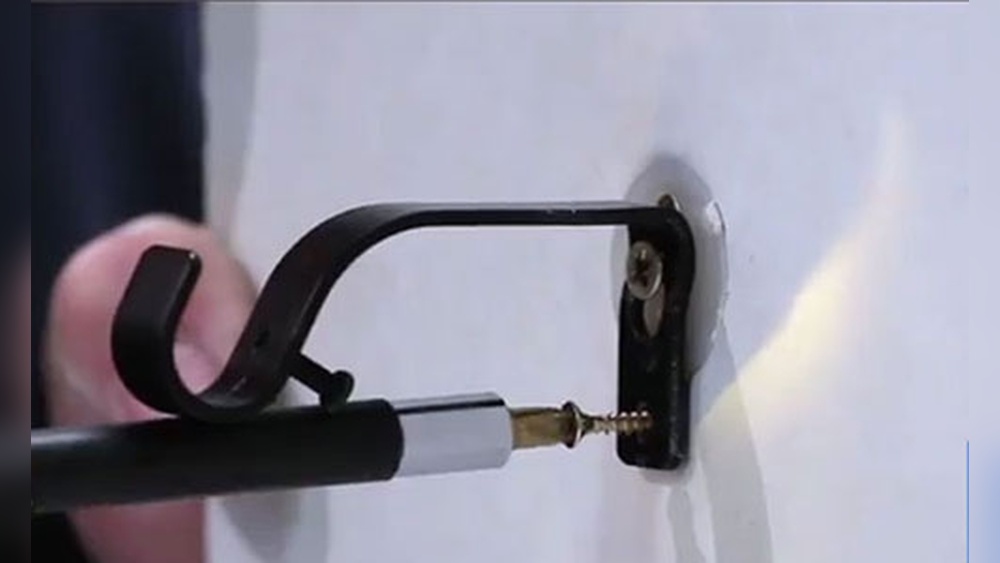
When you’re hanging something on your wall, the last thing you want is for it to fall down. That’s where wall anchors come in.
But how deep should wall anchors go in to keep your items secure and your walls safe? Getting this right is key to making sure your shelves, pictures, or mirrors stay put without damaging your walls. You’ll discover exactly how deep to insert wall anchors for the strongest hold, plus tips that will save you time and frustration.
Keep reading to make your next wall project a success!

Credit: www.youtube.com
Types Of Wall Anchors
Wall anchors come in different types to suit various needs and wall materials. Choosing the right anchor helps hold items securely. Each type works differently and fits specific wall conditions.
Understanding these types helps to know how deep wall anchors go and how strong they hold.
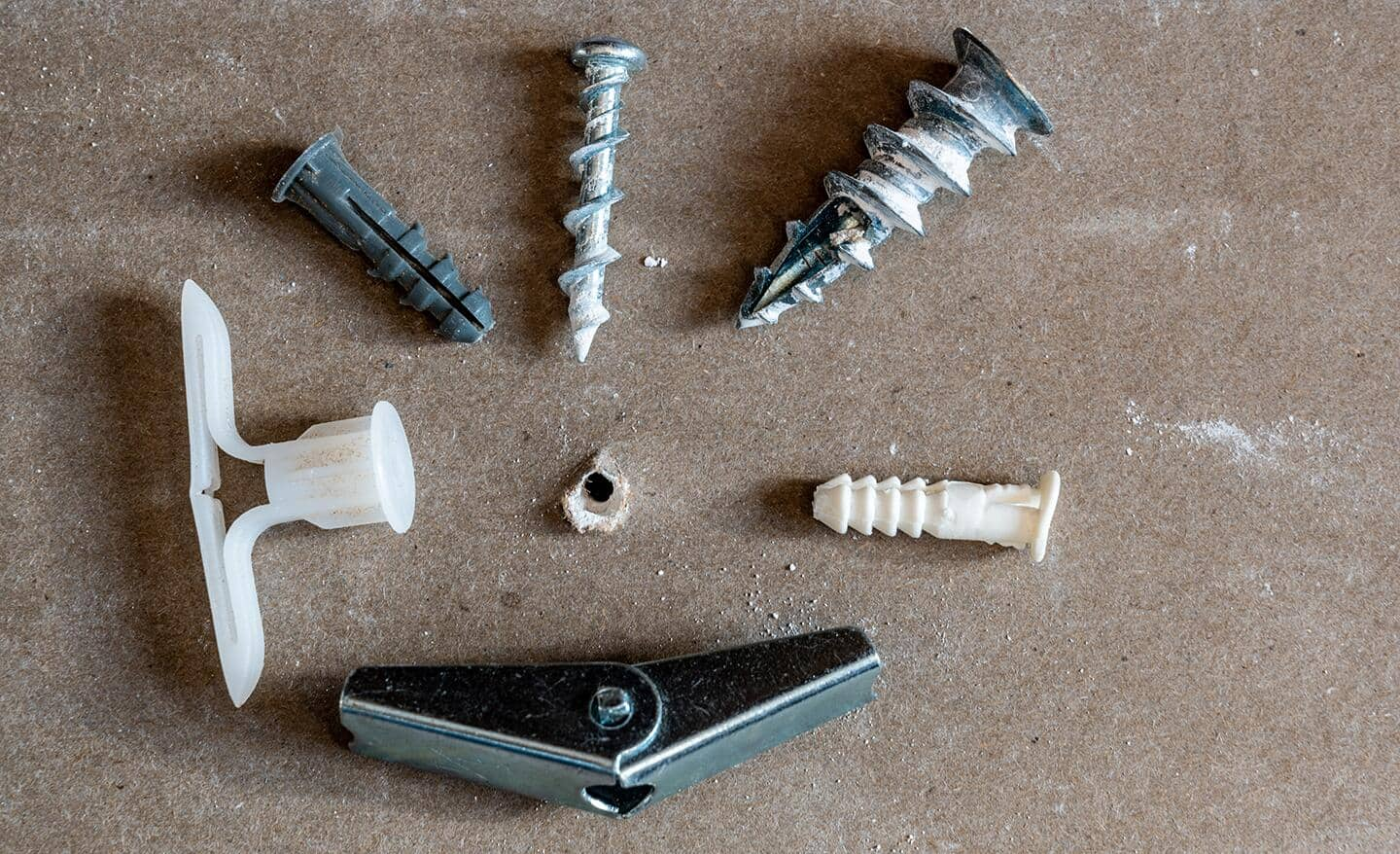
Plastic Expansion Anchors
Plastic expansion anchors are common and easy to use. They fit into a drilled hole and expand when a screw is inserted. These anchors work best in drywall and light materials. Depth depends on the anchor size, usually about 1 to 1.5 inches.
Toggle Bolts
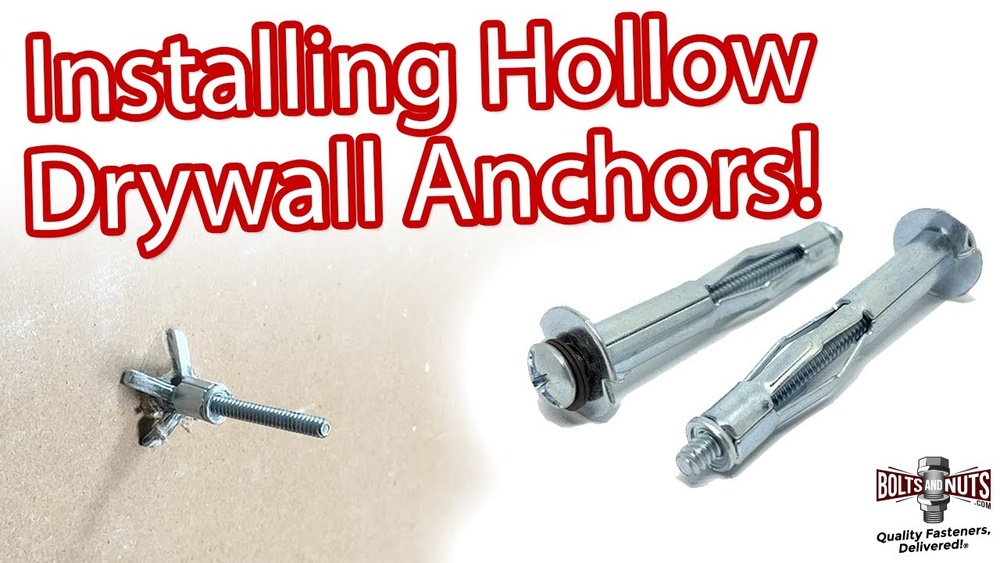
Toggle bolts have metal wings that open inside the wall. They provide strong support in hollow walls. The wings need space to open, so the anchor goes deeper than the screw. These anchors can go 2 to 3 inches deep for solid hold.
Molly Bolts
Molly bolts are metal anchors with expandable sleeves. They spread out behind the wall for extra grip. Suitable for drywall and plaster, molly bolts usually require holes about 1.5 inches deep. They hold medium to heavy loads well.
Self-drilling Anchors
Self-drilling anchors screw directly into drywall without pre-drilling. They have sharp threads and expand when screwed in. Depth is generally around 1 to 1.25 inches. These anchors are easy to install and hold light to medium weight.
Heavy-duty Anchors
Heavy-duty anchors are designed for thick walls and heavy items. They include metal sleeves or special designs for strong grip. Depth can reach 3 inches or more depending on the wall. Use these anchors for shelves, cabinets, or heavy fixtures.
Credit: www.homedepot.com
Factors Affecting Anchor Depth
Several factors influence how deep wall anchors should be installed. Understanding these factors ensures strong support and safety for your fixtures. The right depth depends on the wall material, the type of anchor, the weight it must hold, and the environment around the anchor. Each factor plays a role in choosing the correct depth for the best results.
Wall Material
The type of wall affects anchor depth greatly. Drywall anchors need less depth than anchors for concrete or brick. Softer walls require deeper anchors to hold firmly. Hard materials like concrete allow shallower anchors but need special types for grip. Knowing your wall type helps pick the right depth and anchor style.
Anchor Type
Different anchors need different depths to work well. Plastic expansion anchors expand inside the wall and need enough space to grip. Toggle bolts open behind the wall and need clearance to secure properly. Sleeve anchors must reach solid material for strength. Choosing the right anchor type guides how deep to drill.
Load Requirements
The weight the anchor must hold decides its depth. Heavy items need deeper anchors for better support. Light items like small pictures need less depth. Overloading shallow anchors can cause damage or failure. Always consider the load to ensure safe and lasting installation.
Environmental Conditions
Conditions like moisture and temperature affect anchor depth choice. Damp walls may weaken anchors over time. Rust-resistant anchors may need different installation depths. Outdoor anchors face weather changes and need secure, deep placement. Think about the environment to protect your anchors and walls.
Recommended Depths For Different Anchors
Choosing the right depth for wall anchors is crucial for a secure hold. Different types of anchors need different depths based on the wall material and anchor design. Proper depth prevents damage and ensures the item stays mounted. Below, find recommended depths for common anchors.
Plastic Anchors In Drywall
Plastic anchors work best at about 1 to 1.5 inches deep. This depth lets the anchor expand fully behind the drywall. Drilling a hole too shallow can cause weak grip. Too deep, and the anchor may not hold tight. Always match hole size to the anchor size.
Toggle Bolts In Hollow Walls
Toggle bolts require a hole large enough for the folded wings. The depth should be at least 2 inches to let the wings open fully behind the wall. This depth gives the best support for heavy items. Make sure the bolt length matches the wall thickness plus the item thickness.
Molly Bolts In Plaster
Molly bolts need about 1.5 to 2 inches depth in plaster walls. This lets the sleeve expand and grip firmly behind the wall. Avoid holes that are too shallow, which reduce holding power. Drill carefully to prevent cracking the plaster.
Concrete Anchors
Concrete anchors should go at least 1.5 to 2 inches deep into the concrete. Deeper holes provide better strength and stability. Clean the hole of dust before inserting the anchor. Use a hammer drill for precise hole depth and size.
Brick And Masonry Anchors
Brick anchors need a depth of about 2 inches or more. The depth depends on brick thickness and anchor type. Make sure to drill into the brick, not just the mortar. This ensures a solid hold and prevents anchor pullout.
Measuring And Drilling For Anchors
Measuring and drilling for wall anchors requires careful attention. The right depth ensures the anchor holds firmly. Too shallow, and the anchor may slip out. Too deep, and the anchor loses its grip. Precise measurement and drilling improve the strength and safety of your installation.
Choosing The Right Drill Bit
Select a drill bit that matches the anchor size. Use the package instructions for guidance. A bit too small makes drilling hard. A bit too big causes a loose fit. Use a masonry bit for concrete or brick walls. For drywall, a standard bit works well.
Marking Drill Depth
Measure the anchor length before drilling. Mark the drill bit with tape at this length. This mark shows when to stop drilling. It prevents drilling too deep or too shallow. Use a ruler or tape measure for accuracy.
Drilling Techniques
Hold the drill steady and straight. Start drilling slowly to avoid slipping. Increase speed as the hole forms. Pull the drill out occasionally to clear dust. This helps the drill work smoothly. Finish when the tape mark reaches the wall surface.
Avoiding Common Drilling Mistakes
Do not drill holes larger than the anchor. Avoid angled holes; keep the drill straight. Do not rush; drilling too fast can crack walls. Clear dust from the hole before inserting anchors. Avoid these mistakes to ensure strong support.
Ensuring Secure Fixing
Ensuring a secure fixing is key to keeping items safely attached to walls. The depth of wall anchors affects their strength and stability. Proper use and installation help prevent accidents and damage. Understanding how to test and install anchors can improve safety and durability.
Knowing the signs of anchor failure can save time and effort. Choosing the right length of anchor also matters for heavy or hollow walls. Each step plays a role in the overall security of your fixings.
Testing Anchor Stability
After installation, gently pull or wiggle the item fixed to the wall. A solid anchor will hold firm without movement. Check for any looseness or slipping. Repeat this test after some time to ensure long-term stability. This simple step confirms the anchor is secure.
Proper Installation Tips
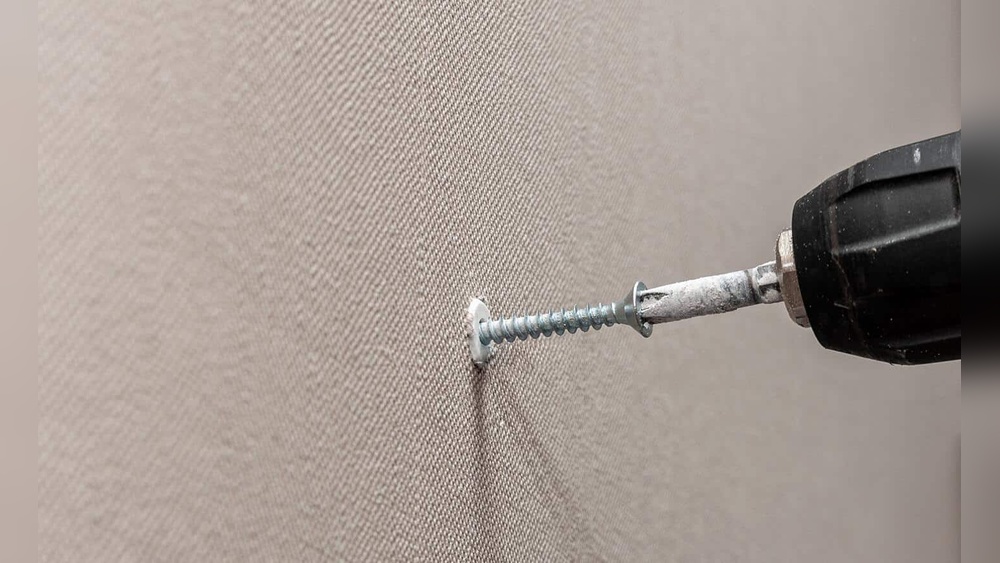
Start by drilling a hole that matches the anchor size. Insert the anchor fully into the wall cavity. Use a screwdriver to tighten screws slowly and evenly. Avoid over-tightening, which can damage the wall or anchor. Follow the anchor manufacturer’s instructions carefully for best results.
Signs Of Anchor Failure
Look for cracks around the anchor hole. Notice if the anchor pulls out or the screw loosens. Items hanging may tilt or fall easily. Any movement or noise during use is a warning sign. Replace anchors showing these signs immediately to avoid accidents.
When To Use Longer Anchors
Longer anchors reach deeper into the wall for better grip. Use them for heavy items or hollow walls. They spread the load over a larger area. Choose longer anchors if the wall material is soft or brittle. This ensures a stronger, safer fixing.

Credit: www.picturehangsolutions.com
Tools And Materials Needed
To install wall anchors correctly, you need the right tools and materials. These help you drill the hole, measure depth, and secure the anchor firmly. Using proper equipment makes the job easier and safer. Below are the key tools and materials for the task.
Drills And Bits
A drill is essential for making holes in the wall. Choose a drill bit that matches the anchor size. This ensures the hole is the right width and depth. A cordless drill offers good control and mobility. Sharp bits reduce effort and prevent wall damage.
Anchors And Screws
Select anchors based on the wall type and the load you expect. Plastic anchors suit light loads and drywall. Metal or toggle anchors hold heavier items. Use screws that fit the anchors exactly. Correct matching keeps everything tight and secure.
Measuring Tools
Accurate measuring tools help set the drill depth. A tape measure or ruler works well. Mark the drill bit with tape to avoid drilling too deep. Depth control prevents wall damage and ensures anchor stability.
Safety Equipment
Wear safety glasses to protect your eyes from dust and debris. Use gloves to guard your hands. A dust mask helps if drilling creates a lot of dust. Safety gear keeps the work environment safe and comfortable.
Frequently Asked Questions
How Deep Should Wall Anchors Be Installed?
Wall anchors should be installed at least as deep as the anchor’s length. This ensures maximum holding power and stability for your fixture.
Does Wall Type Affect Anchor Depth?
Yes, drywall, concrete, and brick require different anchor depths. Always match anchor depth to wall material for secure fastening.
Can Shallow Anchors Hold Heavy Items?
No, shallow anchors often fail under heavy loads. Always use the recommended depth to ensure strong support.
How To Measure The Correct Anchor Depth?
Measure the anchor length and drill a hole slightly deeper. This allows the anchor to fit snugly without damage.
Conclusion
Wall anchors must go deep enough to hold weight safely. The right depth depends on the wall type and anchor size. Too shallow, and the anchor may pull out easily. Too deep, and you might damage the wall or miss the support.
Measure carefully and follow instructions for best results. Good placement keeps your items secure and your walls strong. Take time to prepare well. Small effort now saves big problems later. Trust the process for a safe, sturdy hold every time.