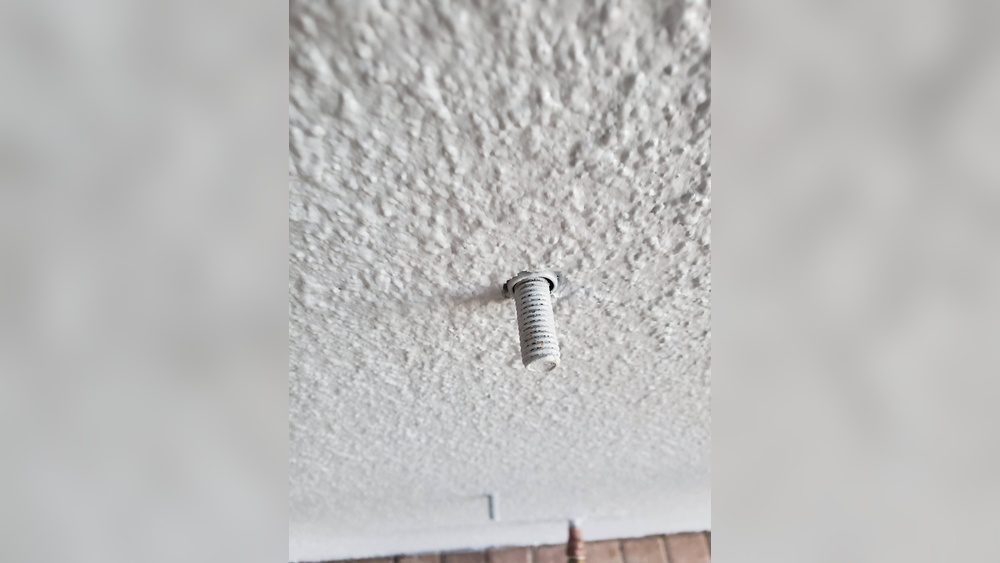
Are you struggling to hang shelves, pictures, or fixtures on hollow walls? Using the right anchor can make all the difference.
Everbilt Hollow Wall Anchors are designed to give your items a secure hold without damaging your walls. In this guide, you’ll discover simple, step-by-step instructions to use these anchors like a pro. By the end, you’ll have the confidence to tackle your wall projects with ease and achieve lasting results.
Keep reading to learn how to get the perfect grip every time.
Choosing The Right Anchor
Choosing the right Everbilt hollow wall anchor is important for a secure hold. Different anchors suit different walls and weights. Picking the correct one keeps your items safe and prevents damage. Understanding anchor types, wall materials, and weight limits helps you make the best choice.
Types Of Hollow Wall Anchors
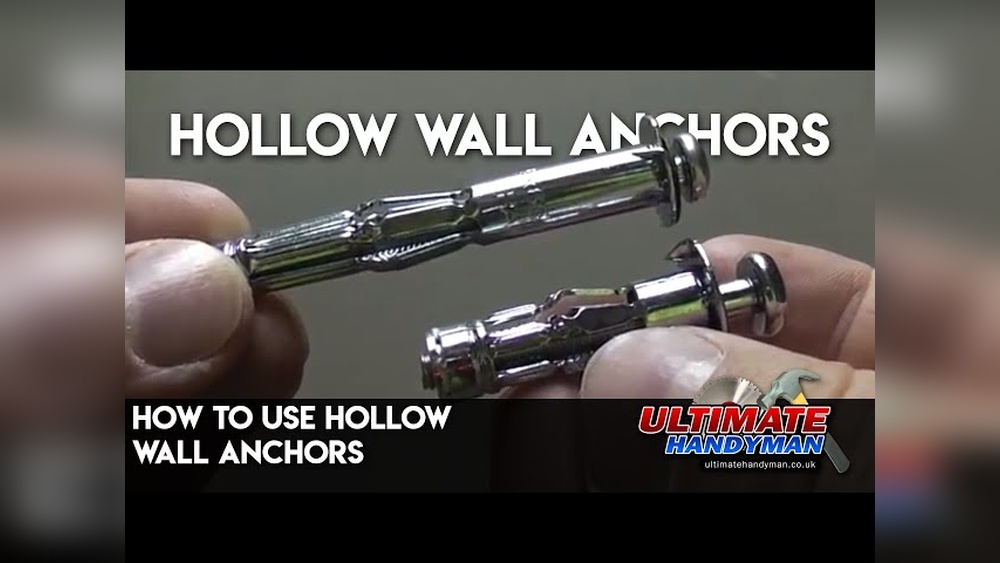
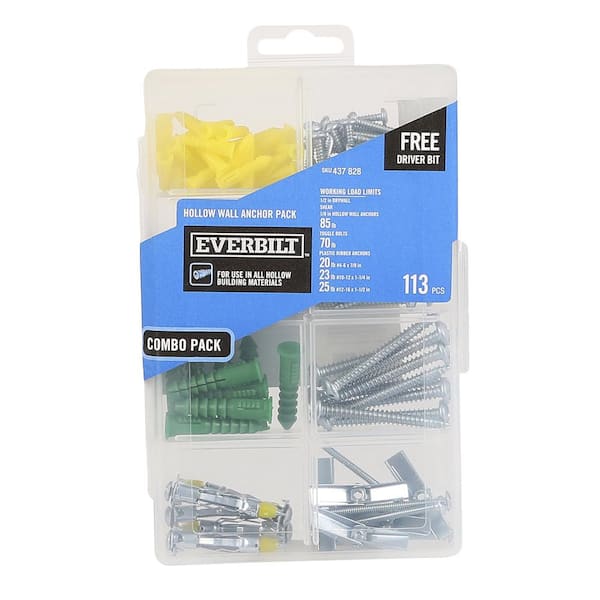
Everbilt offers several hollow wall anchors. Plastic anchors work well for light loads. Metal anchors hold heavier items and offer more strength. Toggle anchors spread the load and grip better in hollow spaces. Each type fits specific needs and wall types.
Matching Anchors To Wall Material
Drywall is common and needs anchors that expand behind the wall. Plaster walls require anchors designed not to crack or damage the surface. Hollow concrete blocks need anchors with strong grips and wide flanges. Choose anchors based on the wall for the best support.
Weight Capacity Considerations
Check the weight of the item you want to hang. Use anchors rated for more than the item’s weight. Overloading anchors causes walls to fail and items to fall. Proper weight matching keeps your installation safe and strong.
Credit: www.homedepot.com
Preparing The Wall
Preparing the wall is an important step before using Everbilt hollow wall anchors. It helps ensure a strong hold and prevents damage. Careful preparation saves time and effort during installation.
Follow these steps to get your wall ready for the anchors. This makes the process smooth and effective.
Locating Studs And Avoiding Obstacles
Find studs behind the wall using a stud finder or by tapping. Avoid drilling into studs because hollow wall anchors work best in empty spaces. Check for pipes or wires inside the wall before drilling. This prevents accidents and damage.
Marking Drill Points
Mark spots where you want to place the anchors. Use a pencil to make small dots on the wall. Measure carefully to keep the marks level and evenly spaced. Clear marks guide your drilling and keep the work tidy.
Selecting Drill Bit Size
Choose a drill bit that matches the size of the anchor. Check the packaging for the recommended drill bit size. Using the correct size ensures the anchor fits tightly. Too large or small holes reduce holding strength.
Drilling The Hole
Drilling the hole is the first step to using Everbilt hollow wall anchors correctly. A well-drilled hole ensures the anchor fits tightly. This improves the strength and safety of your installation. Take your time and follow the right steps for best results.
Drilling Techniques
Choose a drill bit that matches the anchor size exactly. Use a steady hand to drill straight into the wall. Avoid tilting the drill to keep the hole clean and round. Drill slowly to prevent damage to the drywall or plaster. Stop once the drill bit reaches the required depth.
Cleaning The Hole
Clear dust and debris from inside the hole. Use a small brush or blow air gently into the hole. A clean hole helps the anchor grip the wall better. Removing loose particles prevents the anchor from slipping out.
Checking Hole Depth
Measure the hole depth before inserting the anchor. Use a ruler or the drill bit as a guide. The hole must be deep enough for the entire anchor. Too shallow can cause poor hold. Too deep may weaken the wall’s support.
Installing The Anchor
Installing Everbilt hollow wall anchors is a simple process that ensures a strong hold in drywall or hollow walls. Proper installation helps support shelves, mirrors, and other wall-mounted items safely. Follow these steps carefully for the best results.
Inserting The Anchor
First, drill a hole in the wall matching the anchor size. Push the anchor gently into the hole until it is flush with the wall surface. Avoid forcing it too hard to prevent damage.
Securing The Anchor
Next, insert the screw into the anchor. Tighten the screw slowly. The anchor will expand behind the wall, creating a firm grip. Stop tightening when you feel resistance to avoid stripping the anchor.
Avoiding Common Mistakes
Do not use anchors in damaged or weak drywall. Always pick the right anchor size for the weight you want to hold. Avoid over-tightening screws to prevent wall damage. Make sure the hole is clean before inserting the anchor.
Attaching Fixtures
Attaching fixtures with Everbilt hollow wall anchors is simple and effective. These anchors hold items securely on drywall or hollow walls. Proper steps ensure your fixtures stay in place without damage. Follow these tips for a strong hold and safe installation.
Choosing Compatible Screws
Select screws that match the anchor size. Use screws made for hollow wall anchors only. Avoid screws that are too long or too short. The right screw fits easily and tightens well.
Tightening Without Damaging
Turn the screw slowly to avoid stripping the anchor. Stop tightening when the fixture feels firm. Over-tightening can break the anchor or damage the wall. A gentle, steady turn works best.
Testing Stability
After installation, gently pull on the fixture. Check if it feels loose or wobbly. If the fixture moves, tighten the screw a bit more. A stable fixture means the anchor is secure and ready.
Credit: www.youtube.com
Troubleshooting Tips
Troubles with Everbilt hollow wall anchors can slow down your project. Fixing these issues quickly helps keep your work safe and strong. This section covers common problems and easy solutions. Follow these tips to handle loose anchors, wall damage, and knowing when to replace anchors.
Fixing Loose Anchors
Loose anchors happen if the hole is too big or the anchor is not set right. Try tightening the screw gently to see if it holds. Remove the anchor and use a bigger one if it still moves. Filling the hole with a bit of wood glue before inserting the anchor can help it grip better.
Dealing With Wall Damage
Wall damage often appears as cracks or crumbling around the anchor. Stop using the damaged anchor immediately. Patch the hole with spackle or wall filler and let it dry fully. Drill a new hole nearby for a fresh anchor to avoid weak spots.
When To Replace Anchors
Replace anchors that bend, rust, or do not hold tight anymore. Old anchors lose strength and can fail suddenly. Use new anchors made for your wall type to ensure firm support. Regularly check your anchors to keep everything secure and safe.
Safety Precautions
Safety is key when using Everbilt hollow wall anchors. These anchors need careful handling to avoid accidents. Simple safety steps keep you safe and protect your walls. Follow these rules every time you work.
Using Protective Gear
Wear safety glasses to protect your eyes from dust and debris. Gloves shield your hands from sharp edges and rough surfaces. Use a dust mask if drilling makes a lot of dust. Dress in clothes that cover your skin well.
Handling Tools Safely
Check tools before use. Make sure drill bits and screwdrivers are tight and not worn out. Hold tools firmly and use steady pressure. Keep fingers away from moving parts. Turn off tools before changing bits or anchors.
Working In Hazardous Areas
Look for wires and pipes behind walls before drilling. Use a stud finder or wire detector. Avoid drilling near electrical outlets or plumbing. Work in well-lit areas to see clearly. Keep your workspace clean and free of clutter.
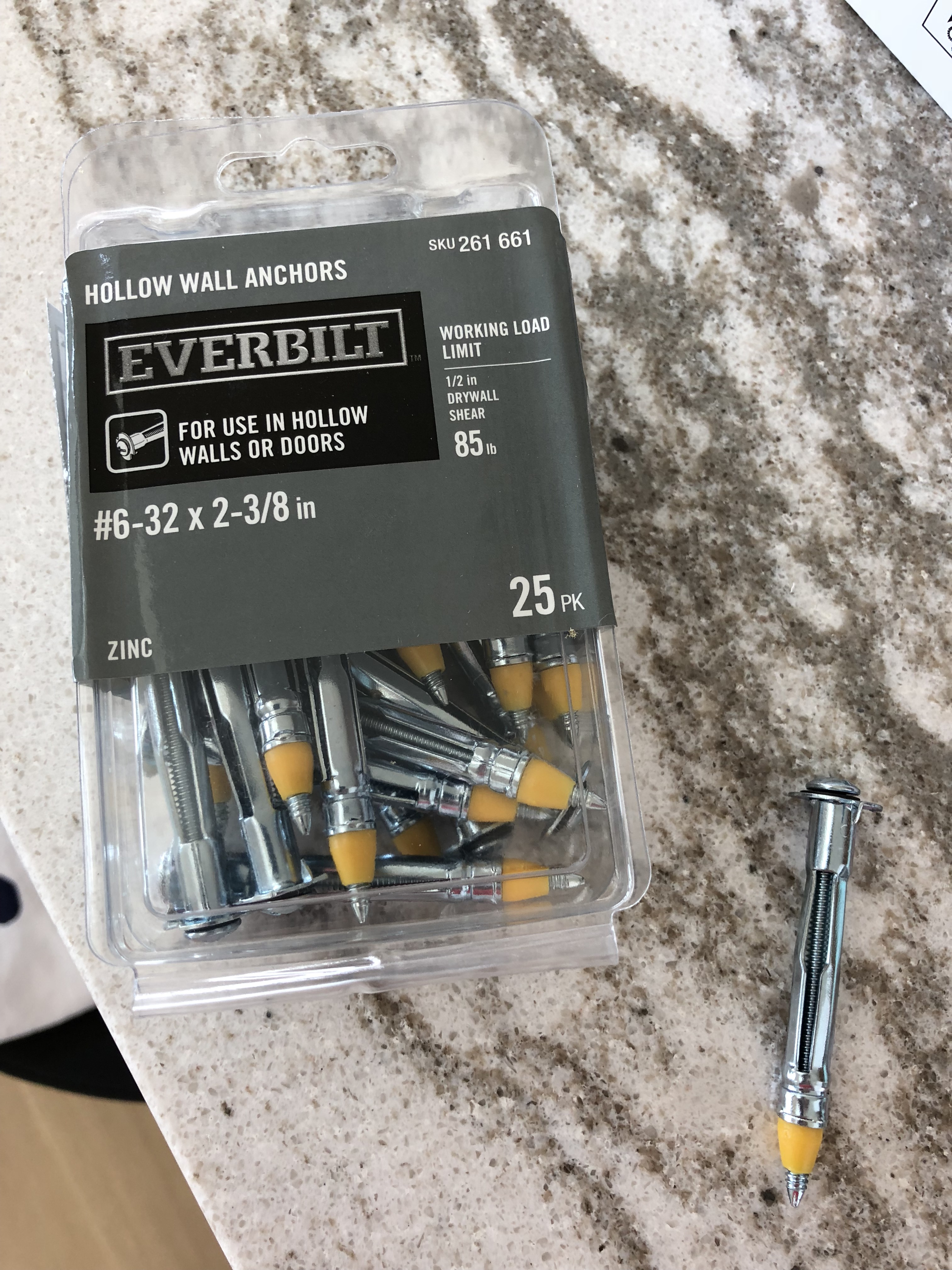
Credit: 46sfp.com
Frequently Asked Questions
What Are Everbilt Hollow Wall Anchors Used For?
Everbilt hollow wall anchors secure objects to drywall or hollow walls. They provide strong support without needing studs. Ideal for hanging shelves, mirrors, or light fixtures.
How Do I Install Everbilt Hollow Wall Anchors?
Drill a hole matching the anchor size. Insert the anchor into the wall. Tighten the screw to expand the anchor and secure it.
Can Everbilt Hollow Wall Anchors Hold Heavy Items?
Yes, they support moderate to heavy loads depending on anchor size. Always check weight limits on the packaging before use.
Are Everbilt Hollow Wall Anchors Reusable?
No, these anchors are designed for one-time use. Removing them can damage the wall and reduce holding strength.
Conclusion
Everbilt hollow wall anchors hold items firmly on drywall. They work best for light to medium weight objects. Always follow steps carefully for safe installation. Use the right size anchor for your project. These anchors save time and effort during hanging.
Trust the process to keep your walls secure. Practice makes it easier to install anchors correctly. Now, you can hang shelves, frames, or mirrors easily. Simple tools and these anchors make tasks smooth. Try them for your next home project.