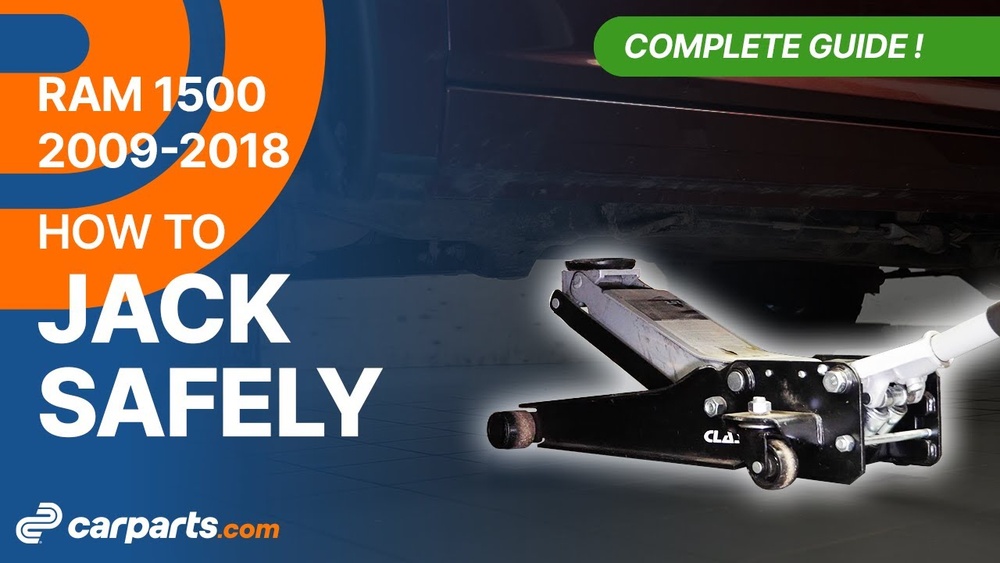
If you own a VW Passat, knowing how to use a floor jack can save you time and money on basic repairs. But lifting your car the right way is key to staying safe and avoiding damage.
In this guide, you’ll learn simple, step-by-step instructions to use a floor jack on your Passat with confidence. By the end, you’ll feel ready to tackle tire changes or inspections without hesitation. Keep reading to discover the easy tricks that make this task smooth and secure.

Credit: www.youtube.com
Choosing The Right Floor Jack
Choosing the right floor jack is important for safely lifting your VW Passat. Using the wrong jack can cause damage or injury. A good floor jack fits your car’s weight and size. It also makes the job easier and faster. This guide helps you pick the best floor jack for your needs.
Types Of Floor Jacks
There are three common types of floor jacks: hydraulic, scissor, and bottle jacks. Hydraulic jacks use fluid pressure and are easy to operate. They lift cars smoothly and are popular for home use. Scissor jacks are simple and lightweight but need more effort to lift. Bottle jacks are compact and strong but may not fit under low cars like the Passat.
Weight Capacity Considerations
Check the weight capacity before buying a floor jack. The VW Passat weighs about 3,300 pounds. Choose a jack with at least a 2-ton (4,000 pounds) capacity. This ensures safety and proper lifting. Using a jack with low capacity can cause it to fail. Always pick a jack that handles more than your car’s weight.
Recommended Jacks For Vw Passat
Hydraulic floor jacks with a low profile suit the VW Passat well. Look for jacks with a lifting range starting around 3 inches and going up to 15 inches. This helps reach the car’s jacking points easily. Brands like Arcan and Pittsburgh offer good models. These jacks provide stability and smooth lifting for the Passat.

Credit: www.vwvortex.com
Preparing Your Vw Passat
Preparing your VW Passat before using a floor jack is important for safety and ease. This step ensures the car stays steady and you avoid accidents. Taking simple precautions saves time and effort later.
Parking On A Level Surface
Choose a flat and firm place to park your Passat. Avoid slopes or soft ground. A level surface keeps the car stable while you work underneath. This reduces the risk of the car slipping off the jack.
Engaging The Parking Brake
Set the parking brake firmly. This locks the wheels and stops the car from rolling. Even on a flat surface, the brake adds an extra layer of safety. Double-check that the brake is fully engaged before lifting.
Gathering Necessary Tools
Collect all tools before starting. You need the floor jack, wheel chocks, and a lug wrench. Wheel chocks prevent the car from moving sideways. Having tools ready makes the job smoother and faster.
Locating Jack Points On Vw Passat
Locating the correct jack points on a VW Passat is essential for safe lifting. Using the wrong spot can damage the car or cause the jack to slip. Knowing these points helps you lift the car easily and securely.
Identifying Safe Lift Areas
Look for reinforced metal parts under the car. These are designed to hold the car’s weight. On the VW Passat, the jack points are near the wheels. They often have small notches or markings. Use the owner’s manual for exact locations. These spots keep the car balanced when lifted.
Avoiding Damage To Vehicle Components
Avoid lifting near plastic parts or the exhaust system. These parts can break or bend easily. Do not place the jack on the car’s floor pan. It is not strong enough to support the weight. Always check for cables or brake lines before lifting. Protecting these parts saves costly repairs.
Operating The Floor Jack Safely
Operating a floor jack safely is very important when working on your VW Passat. It keeps you safe and protects the car from damage. Follow these steps carefully to lift your vehicle without risk.
Positioning The Jack
Find a flat, solid surface to place the jack. Avoid soft or uneven ground. Locate the recommended jacking point on your Passat. This spot is usually near the wheel or under the frame. Place the jack’s saddle directly under this point. Make sure it is centered and stable before lifting.
Lifting The Vehicle
Slowly pump the jack handle to raise the car. Watch the car as it lifts to keep it steady. Stop if you see any movement or instability. Lift the car just enough to do your work. Avoid lifting the car higher than needed to reduce risk.
Using Jack Stands For Support
Never rely on the jack alone to hold the car. Always use jack stands for extra support. Place the stands under the vehicle’s strong points. Lower the car gently onto the stands. Check that the car is secure and will not move. This step is crucial for your safety while working.
Lowering The Vehicle
Lowering your VW Passat safely after using a floor jack is crucial. It ensures no damage happens to the car or injury to you. Follow these steps carefully to lower the vehicle without any trouble.
Removing Jack Stands
First, remove the jack stands supporting the car. Make sure the floor jack holds the vehicle firmly before you do this. Slowly lift the car a little with the jack to take the weight off the stands. Then, carefully pull the jack stands out from under the car. Place them away so they do not block your work area.
Lowering The Floor Jack Slowly
Turn the jack handle slowly to lower the car. Do it gently to avoid sudden drops. Keep your hand steady and watch the car as it moves down. Stop lowering if the car feels unstable. Make small adjustments until the tires touch the ground softly.
Final Safety Checks
Check that the car sits flat and stable on the ground. Make sure the jack is fully lowered and removed. Look under the vehicle to confirm no tools or equipment remain. Engage the parking brake to keep the car from rolling. Your VW Passat is now safely lowered and ready to drive.
Common Mistakes To Avoid
Using a floor jack on your VW Passat needs care and attention. Mistakes can cause damage or injury. Avoiding common errors helps keep the process safe and smooth. Learn the usual pitfalls to watch out for.
Incorrect Jack Placement
Placing the jack in the wrong spot can harm your car. Use the recommended jacking points under the frame. These spots are strong enough to hold the car. Putting the jack under the wrong area can bend or break parts. Always check your owner’s manual for exact locations.
Overloading The Jack
Each floor jack has a weight limit. Exceeding this limit risks jack failure. Know the weight of your VW Passat before lifting. Using a jack too small can cause sudden drops. Always pick a jack that can handle your car’s weight safely.
Skipping Safety Equipment
Relying only on the jack is risky. Always use jack stands to support the car. Never work under a car held only by a jack. Safety gloves and wheel chocks add extra protection. These tools help prevent accidents during repairs.
Maintenance Tips For Floor Jacks
Proper care of your floor jack keeps it safe and working well for your VW Passat. Regular maintenance helps avoid problems during use. Follow simple steps to keep your jack in good shape.
Regular Inspection
Check your floor jack before every use. Look for cracks, rust, or leaks in the hydraulic system. Test the jack by lifting it slightly to see if it holds pressure. Make sure all parts move smoothly and no bolts are loose. Early detection of issues can prevent accidents.
Lubrication And Storage
Keep the moving parts of your jack well-lubricated. Use light oil on joints and wheels to avoid rust and stiffness. Store the jack in a dry place away from moisture. Lower the jack completely before storing to reduce pressure on seals. Proper storage extends the life of your jack.
When To Replace Your Jack
Replace your floor jack if it shows signs of serious damage or fails to hold weight. Avoid using a jack with bent or cracked parts. If the hydraulic system leaks oil or the jack won’t lift properly, it is time for a new one. Safety should always come first.

Credit: www.reddit.com
Frequently Asked Questions
How Do I Position A Floor Jack Under A Vw Passat?
Place the floor jack under the manufacturer’s recommended lift points. These points are usually marked on the chassis. Proper positioning ensures safety and prevents damage to your VW Passat’s frame.
What Safety Precautions Should I Take Using A Floor Jack?
Always use wheel chocks and jack stands after lifting. Never rely solely on the floor jack. Ensure the ground is level and solid before lifting your VW Passat.
Can I Use Any Floor Jack On A Vw Passat?
Choose a floor jack with a lifting capacity exceeding your VW Passat’s weight. Most standard jacks support this model, but always verify the jack’s weight limit before use.
How High Should I Lift My Vw Passat With A Floor Jack?
Lift the VW Passat just enough to remove or install tires or access repairs. Overlifting risks vehicle instability and potential damage to the car and jack.
Conclusion
Using a floor jack on a VW Passat is simple and safe. Always place the jack in the right spot under the car. Check the car’s manual for the exact jack points. Lift the car slowly and keep it steady.
Never go under the car without using jack stands. Lower the car carefully when done. These steps help you work on your Passat with confidence. Keep safety first to avoid accidents. Practicing these tips makes car maintenance easier and stress-free.