Have you ever tried to remove a screw from a wall anchor and ended up frustrated because it just won’t budge? You’re not alone.
Getting a screw out of a wall anchor can feel tricky, but it doesn’t have to be. Whether you’re fixing a loose picture frame or preparing to patch up your wall, knowing the right method can save you time and prevent damage.
You’ll discover simple, effective steps to easily remove that stubborn screw and get your wall looking perfect again. Keep reading—you’ll thank yourself later.
Tools Needed
Removing a screw from a wall anchor requires the right tools. These tools help you work safely and avoid damage. Prepare them before starting to save time and effort. Simple tools often do the job well.
Screwdrivers And Pliers
A screwdriver is the main tool for this task. Use a flathead or Phillips screwdriver, depending on the screw type. Pliers help if the screw is stuck or damaged. They allow you to grip and turn the screw better. Needle-nose pliers are good for small spaces.
Drill And Drill Bits
A drill can remove tough screws quickly. Choose drill bits that match the screw size. Start with a small bit to avoid making a big hole. Use the drill carefully to prevent wall damage. Drills save time, especially with stripped screws.
Other Helpful Items
A utility knife helps clean around the anchor. A hammer can tap the anchor gently if needed. Safety glasses protect your eyes from dust and debris. Keep a cloth nearby to wipe away dust. These small items make the job easier and safer.

Credit: www.hgtv.com
Safety Precautions
Removing a screw from a wall anchor may seem simple but can cause injury or damage. Taking safety precautions is important. These steps protect you and your walls during the process.
Protective Gear
Wear safety glasses to protect your eyes from dust and debris. Gloves help avoid cuts from sharp tools or rough edges. Use a dust mask if the area creates fine dust. Dress in clothes that cover your skin.
Avoiding Wall Damage
Use the right tools to prevent holes or cracks. Apply gentle pressure to avoid breaking the wall. Check for electrical wires or pipes behind the wall before starting. Work slowly and carefully for the best results.
Assessing The Anchor Type
Before removing a screw from a wall anchor, identify the anchor type. Different anchors require different removal methods. Knowing the anchor type saves time and prevents wall damage. This section helps you recognize common anchors and their features.
Plastic Anchors
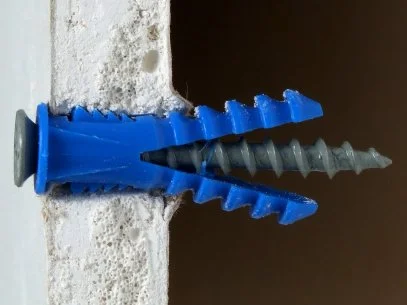
Plastic anchors are the most common wall anchors. They look like small, hollow tubes made of plastic. Inserted into a drilled hole, they expand when the screw goes in. To remove the screw, turn it counterclockwise carefully. The plastic may stay inside the wall or come out with the screw. If stuck, gently pull the anchor with pliers after loosening the screw.
Metal Anchors
Metal anchors are stronger than plastic ones. They often have a sharp, threaded body that screws directly into the wall. Some metal anchors expand inside the wall when the screw goes in. To remove, unscrew the bolt carefully. If the anchor spins, push it deeper or pull it out with pliers. These anchors can cause more wall damage if forced.
Toggle Bolts
Toggle bolts have spring-loaded wings that open inside the wall. They hold heavy items securely. The screw passes through the toggle and tightens against the wall. To remove, unscrew the bolt fully. The wings drop inside the wall cavity and cannot be pulled out. Leave the wings inside and patch the hole later. Be gentle to avoid large holes.
Removing The Screw
Removing a screw from a wall anchor can be tricky. The screw might be tight or stuck inside the anchor. Use the right tools and methods to avoid damage to your wall. Here are simple ways to remove the screw safely and easily.
Using A Screwdriver
Start with a screwdriver that fits the screw head well. Turn the screwdriver slowly and steadily. Apply firm pressure to avoid slipping. If the screw turns easily, keep turning until it comes out. Use a manual screwdriver for better control.
Using Pliers For Stuck Screws
If the screw is stuck, try pliers. Grip the screw head tightly with needle-nose pliers. Turn the screw counterclockwise to loosen it. Pliers work well if the screw head is damaged or stripped. Use steady force to prevent breaking the screw.
Drilling Out The Screw
Drilling is the last option for screws that won’t budge. Use a drill bit slightly smaller than the screw shaft. Drill slowly into the center of the screw head. This will break the screw free from the anchor. Wear safety glasses to protect your eyes during drilling.
Handling The Wall Anchor
Handling the wall anchor is an important step in removing a stuck screw. The wall anchor holds the screw tightly inside the wall. Removing it carefully avoids damage to your wall. Different methods help handle the anchor depending on its type and condition.
Pulling Out The Anchor
Use pliers to grab the edge of the anchor firmly. Pull it straight out slowly to avoid breaking the wall. Wiggle gently if the anchor feels stuck. Pulling works best with plastic anchors that are loose or slightly damaged.
Pushing The Anchor Inside The Wall
Push the anchor deeper into the wall using a screwdriver or similar tool. This method hides the anchor inside the wall cavity. It works well if pulling risks wall damage or if the anchor is metal. Once inside, you can patch the hole easily.
Filling The Hole
After removing or pushing the anchor, fill the hole to restore the wall. Use spackle or wall filler and apply it with a putty knife. Let it dry completely and sand smooth for a clean finish. This step prepares the wall for repainting or new anchors.
Credit: www.hgtv.com
Preventing Future Issues
Preventing future issues with wall anchors saves time and effort. Choosing the right anchor and installing it properly helps avoid problems. This way, screws stay secure and walls remain undamaged.
Choosing The Right Anchor
Select anchors based on wall type and weight load. Drywall needs different anchors than concrete or plaster. Use plastic anchors for light items and metal ones for heavier loads. Check the package for weight limits. Using the wrong anchor can cause the screw to loosen or pull out.
Proper Installation Techniques
Start by drilling the correct hole size for the anchor. Too big or too small holes reduce anchor strength. Insert the anchor gently until it is flush with the wall. Avoid overtightening screws to prevent cracking or stripping the anchor. Tighten screws firmly but carefully for a strong hold.

Credit: www.youtube.com
Frequently Asked Questions
How Do I Safely Remove A Screw From A Wall Anchor?
Use a screwdriver that fits the screw head snugly. Turn it counterclockwise slowly to avoid stripping. If stuck, try pliers for better grip and gentle pulling.
Can I Reuse A Wall Anchor After Removing The Screw?
Most plastic anchors lose grip after removal. It’s best to replace them with new anchors for secure mounting. Metal anchors may be reusable if undamaged.
What Tools Help Extract Screws Stuck In Wall Anchors?
A screwdriver, pliers, and sometimes a drill with a screw extractor bit help. Choose tools based on screw type and anchor condition for safe removal.
How To Prevent Wall Damage When Removing A Screw And Anchor?
Remove screws slowly and carefully. Use pliers to pull anchors gently. Patch holes afterward with spackle for a smooth wall finish.
Conclusion
Removing a screw from a wall anchor can be simple with the right steps. Take your time and use the proper tools for safety. Small efforts prevent damage to your walls. Practice patience and steady hands for best results. Now, you can fix or replace anchors without stress.
Keep this guide handy for future projects. Your walls will thank you.