Are you struggling to hang something heavy on your plaster walls without worrying it might fall? You’re not alone.
Plaster walls need special care when adding anchors, or your picture frames, shelves, and mirrors won’t stay put. But don’t worry—once you know the right steps, putting an anchor in plaster walls becomes simple and secure. Keep reading, and you’ll learn exactly how to do it right the first time, saving you time, frustration, and damage to your walls.
Choosing The Right Anchor
Choosing the right anchor for plaster walls is key to a strong hold. Plaster is fragile and can crack easily. Picking the correct anchor helps avoid damage. It also ensures your item stays secure. You must consider the anchor type, weight capacity, and tools needed. These factors make the job easier and safer.
Types Of Anchors For Plaster
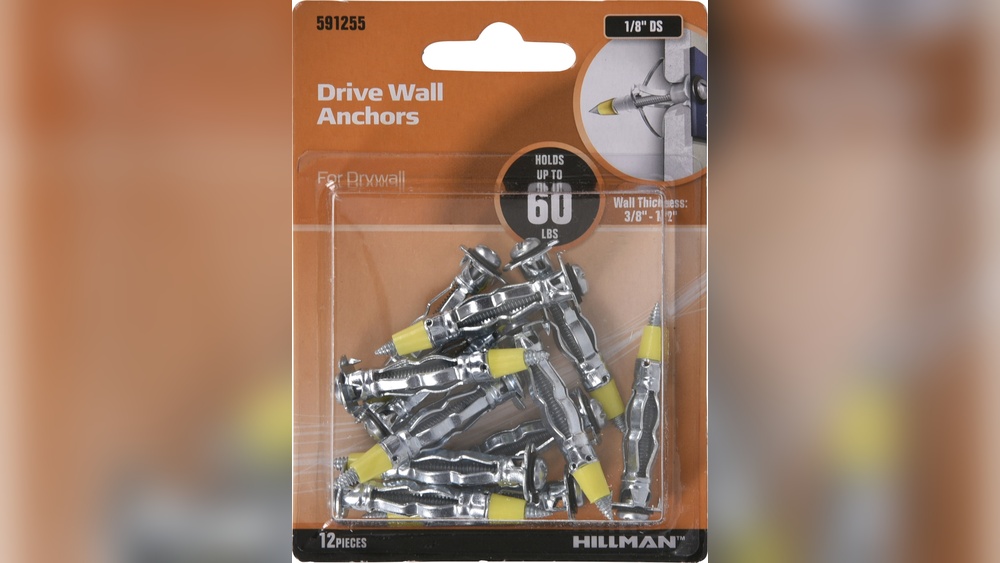
Different anchors suit different plaster walls. Plastic expansion anchors work for light items. They expand inside the wall for grip. Toggle bolts are good for heavy objects. They spread the weight over a larger area. Molly bolts provide a strong hold too. They open behind the wall after insertion. Choose an anchor based on the wall and item weight.
Weight Capacity Considerations
Check the anchor’s weight limit before use. Light anchors hold up to 20 pounds. Medium anchors can support up to 50 pounds. Heavy anchors handle over 50 pounds safely. Overloading anchors causes wall damage and falling items. Always match the anchor’s capacity to your item’s weight. Safety depends on proper weight support.
Tools Needed
Prepare tools before starting the project. A drill with the right drill bit is essential. Use a screwdriver or a wrench for tightening. A level helps place anchors evenly. A stud finder can locate strong spots behind plaster. Have a pencil for marking drill points. Proper tools make the job faster and cleaner.
Preparing The Wall
Preparing the wall is a key step before putting an anchor in plaster walls. It helps ensure safety and a strong hold. Taking time to prepare will save effort and prevent damage.
Careful preparation also avoids hitting wires or pipes inside the wall. It makes the whole process smoother and safer.
Locating Studs And Avoiding Wiring
Find the studs behind the plaster for strong support. Use a stud finder or tap the wall to hear solid spots. Mark these areas clearly.
Check for wiring or pipes before drilling. A wire detector helps avoid accidents. Stay clear of these hazards to protect yourself and the wall.
Marking Drill Points
Use a pencil to mark drill spots on the wall. Measure carefully to place anchors evenly. Double-check marks before starting to drill.
Clear markings guide your drilling and reduce mistakes. Accurate points lead to a secure anchor hold.
Protecting The Wall Surface
Cover the wall area with painter’s tape around drill marks. It stops plaster from cracking and chipping. The tape acts as a shield during drilling.
Work slowly and gently to protect the plaster. Taking care here keeps the wall neat and intact.
Drilling Into Plaster Walls
Drilling into plaster walls requires care and the right tools. Plaster is brittle and can crack easily. Preparing to drill properly helps avoid damage. It also makes the anchor secure and strong.
Selecting The Correct Drill Bit
Use a masonry drill bit for plaster walls. These bits have a sharp tip to cut through plaster smoothly. Choose a bit size that matches the anchor size. Too large or too small bits can cause problems. A smaller bit may make the anchor loose. A larger bit may crack the plaster.
Drilling Techniques To Prevent Damage
Start drilling slowly to avoid plaster cracks. Apply light pressure and keep the drill steady. Let the drill do the work. Avoid pushing hard or drilling too fast. Use a low speed setting on the drill. Stop drilling once you reach the wall cavity or stud behind plaster.
Cleaning The Hole
Remove dust and plaster debris after drilling. Use a small brush or a vacuum cleaner. Cleaning the hole helps the anchor fit better. It also makes the anchor hold tightly in place. A clean hole prevents slipping and improves wall support.
:max_bytes(150000):strip_icc()/how-to-use-and-discard-anchor-screws-1822671-Final-ec8091ccf65241b1b1f888549f25003a.jpg)
Credit: www.thespruce.com
Installing The Anchor
Installing an anchor in plaster walls needs care and the right steps. This ensures a strong hold and prevents damage. Follow simple instructions to place anchors correctly for a secure fit.
Inserting Different Types Of Anchors
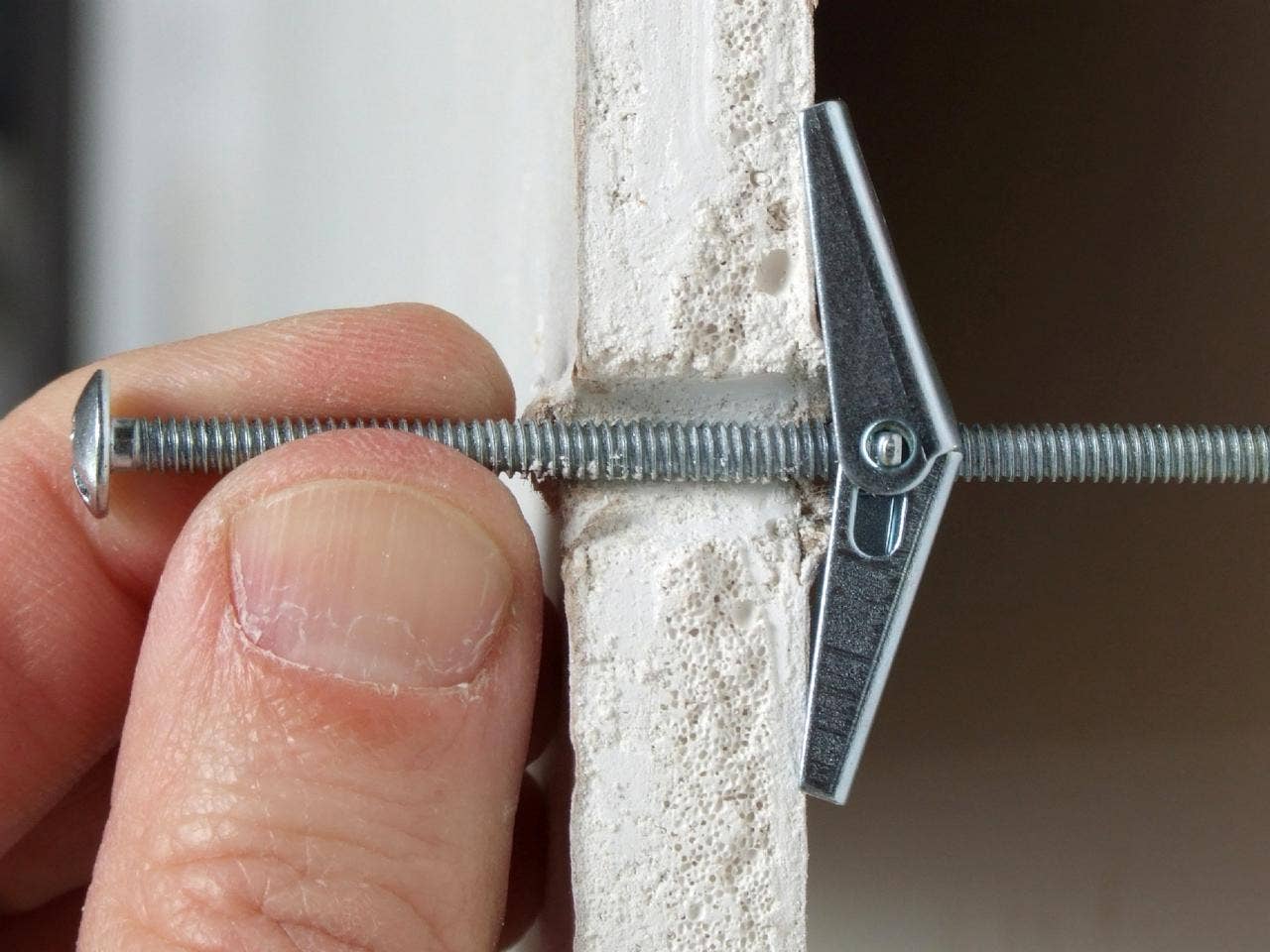
Choose the right anchor for your wall type. Plastic anchors fit small holes and light loads. Metal anchors work best for heavier items. Toggle bolts open behind the wall for strong support. Gently push or tap the anchor into the drilled hole. Do not force it hard to avoid cracks.
Securing The Anchor Firmly
After inserting the anchor, tighten the screw slowly. This expands the anchor inside the wall. Keep the screw straight to prevent wall damage. Tighten until the anchor feels solid but do not over-tighten. Over-tightening can break the plaster or anchor.
Checking Stability
Test the anchor by gently pulling on it. It should not move or wiggle. Check for cracks or loose plaster around the anchor. If loose, remove and try a larger anchor or different type. A stable anchor holds your items safely on plaster walls.
Mounting Items On Anchors
Mounting items on anchors in plaster walls requires careful attention. The right anchor supports your item safely. The wrong choice can cause damage or failure. Follow clear steps to ensure secure and lasting mounting.
Choosing Appropriate Screws
Select screws that match your anchor and item weight. Use screws made of strong materials like steel. Choose screws with the right length to hold firmly. Avoid screws that are too short or too long. Proper screw size helps keep items stable and secure.
Hanging Heavy Vs. Light Objects
Heavy items need stronger anchors and screws. Use toggle or molly bolts for heavy mounts. Light objects work well with plastic expansion anchors. Match anchor type to the item’s weight for safety. Overloading anchors risks damage to walls and items.
Adjusting For Level And Alignment
Check that your item hangs straight and level. Use a spirit level or measuring tape for accuracy. Tighten screws slowly to make small adjustments. Loosen screws slightly if repositioning is needed. Proper alignment improves appearance and prevents strain on anchors.
Credit: www.ashanging.com
Troubleshooting Common Issues
Troubles with anchors in plaster walls are common. Small problems can stop your project. Fixing these issues ensures your anchors hold strong. This section helps you solve common problems quickly. Clear steps guide you through repairs and alternatives.
Dealing With Cracks Or Loose Anchors
Cracks around anchors weaken the wall. Loose anchors cause items to fall. Remove the anchor carefully. Fill cracks with plaster repair compound. Let it dry fully before re-drilling. Use a larger anchor for better grip. Tighten anchors just enough to hold securely.
Repairing Damaged Plaster
Plaster can break during anchor installation. Clean loose debris from the hole. Apply patching plaster or filler. Smooth the surface with a putty knife. Allow plaster to dry completely. Sand lightly for a flat finish. Drill the hole again after repair.
When To Use Alternative Methods
Sometimes plaster is too fragile for anchors. Use adhesive strips for light objects. For heavy items, find a stud to anchor into. Toggle bolts work well in hollow walls. Consider wall anchors designed for plaster. Choose the method based on wall condition and weight.

Credit: www.reddit.com
Frequently Asked Questions
What Types Of Anchors Work Best For Plaster Walls?
Plastic expansion anchors and toggle bolts are ideal for plaster walls. They provide strong support without damaging the plaster. Choose anchors based on the weight of the item you want to hang.
How Do I Prepare Plaster Walls Before Installing Anchors?
First, locate the stud or use a wall anchor for hollow areas. Drill a small pilot hole carefully to avoid cracking the plaster. Clean dust from the hole before inserting the anchor.
Can I Hang Heavy Items On Plaster Wall Anchors?
Yes, but use heavy-duty anchors like toggle bolts or molly bolts. These distribute weight better and prevent plaster damage. Always check the anchor’s weight limit before installation.
How To Avoid Cracking Plaster When Drilling For Anchors?
Use a low-speed drill with a masonry bit. Drill gently and avoid applying too much pressure. A small pilot hole helps reduce the risk of cracks in plaster walls.
Conclusion
Putting anchors in plaster walls is easier than it seems. Choose the right anchor for your wall type. Measure and mark the spot carefully before drilling. Use the proper drill bit size to avoid damage. Insert the anchor firmly, then screw in your fixture.
Take your time and work gently to prevent cracks. With these steps, your anchors will hold strong and secure. Now, you can hang shelves, pictures, or mirrors without worry. Simple, safe, and effective—just what you need for plaster walls.