Have you ever tried hanging something heavy on your wall, only to have it fall down? That’s where wall anchors come in.
These small but powerful tools hold your shelves, pictures, and mirrors firmly in place. But how exactly do wall anchors work? Understanding this can save you from damage and frustration. Keep reading, and you’ll discover the simple secrets behind wall anchors and how to use them like a pro.
Your walls—and your belongings—will thank you.
Credit: www.youtube.com
Types Of Wall Anchors
Wall anchors come in many types. Each type works best for different wall materials and weights. Choosing the right anchor keeps your items safe and secure.
Here are some common types of wall anchors and how they work.
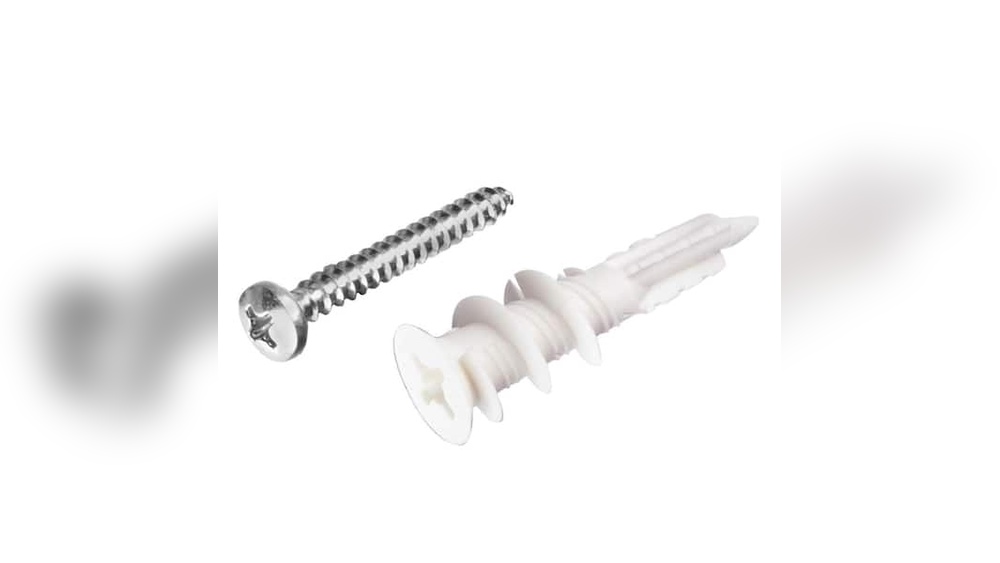
Plastic Expansion Anchors
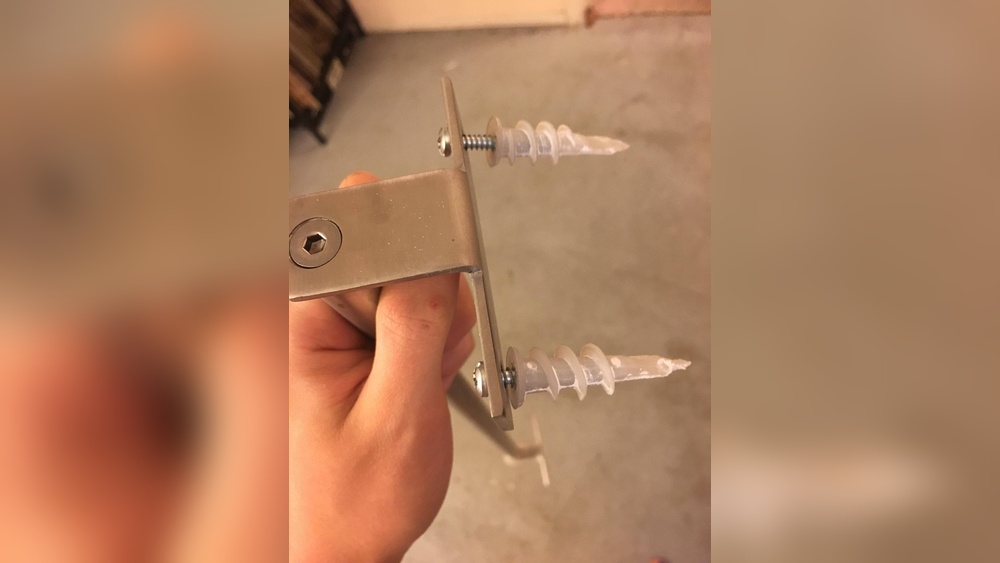
Plastic expansion anchors are simple and popular. They expand inside the wall when a screw is driven in. This holds the screw tightly in place. Best for light loads and drywall.
Toggle Bolts
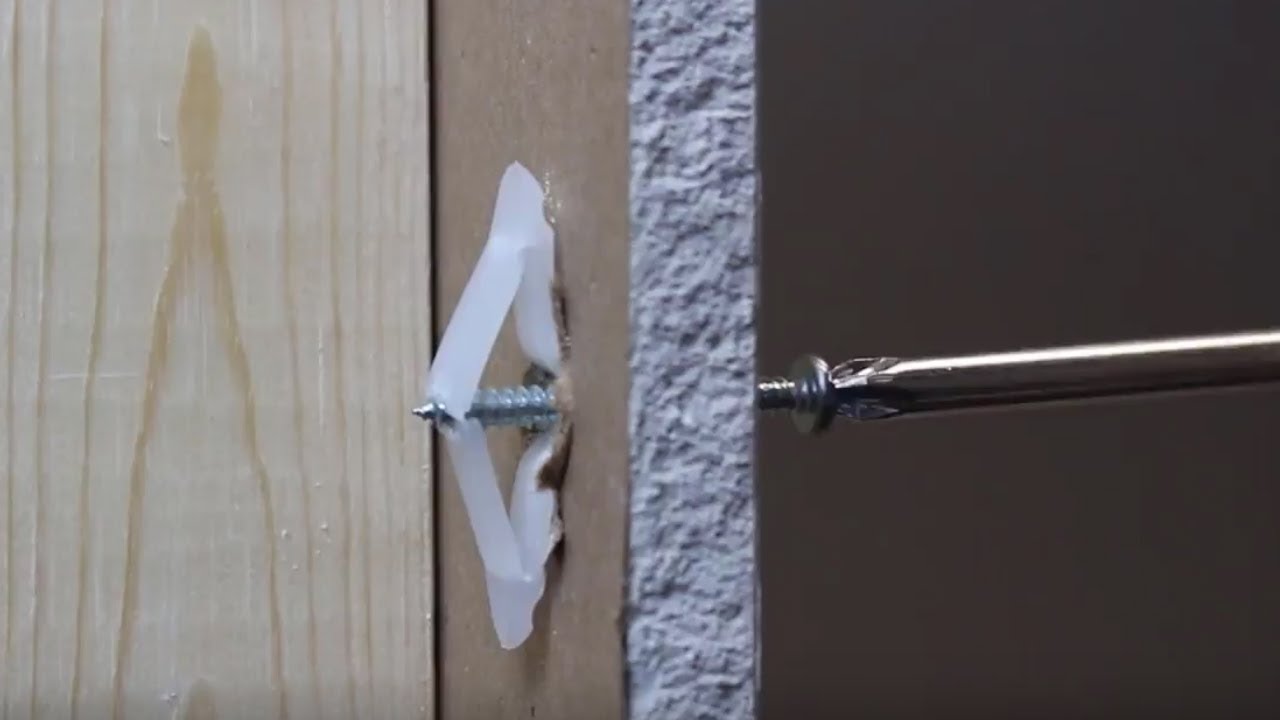
Toggle bolts have spring-loaded wings. The wings open behind the wall for strong support. Great for heavy items on hollow walls. Requires a larger hole for installation.
Molly Bolts
Molly bolts are metal anchors that expand behind the wall. They create a strong grip for medium to heavy loads. Ideal for drywall and plaster walls.
Threaded Drywall Anchors
Threaded drywall anchors screw directly into drywall. They create their own thread and hold firmly. Easy to install and good for medium weight items.
Self-drilling Anchors
Self-drilling anchors do not need a pre-drilled hole. They cut into drywall as you screw them in. Suitable for quick fixes and light to medium loads.

Credit: hauslloguer.com
Materials And Wall Types
Wall anchors hold screws in place. Their strength depends on wall material. Different walls need different anchors. Knowing your wall type helps choose the right anchor.
Drywall
Drywall is soft and hollow inside. It cannot hold screws well alone. Plastic or metal anchors spread weight behind the wall. This stops the screw from pulling out.
Plaster
Plaster walls are hard but brittle. They crack easily under pressure. Anchors with wide flanges work best here. They protect the plaster and hold strong.
Concrete And Masonry
Concrete and masonry walls are very hard. They need heavy-duty anchors like sleeve or wedge types. These anchors fit tightly in drilled holes for strong grip.
Brick Walls
Bricks are solid but have gaps. Anchors go into the mortar between bricks. This keeps the anchor secure without damaging bricks.
Wood Panels
Wood panels are strong and hold screws well. Simple wood screws often work fine. Anchors help if the panel is thin or fragile.
How Anchors Hold Weight
Wall anchors hold weight by creating a strong grip inside the wall. They work by expanding or gripping the wall material tightly. This helps to support heavy items without pulling out or breaking. Understanding how anchors hold weight helps you choose the right one for your project.
Expansion Mechanism
Many wall anchors use an expansion mechanism. When you insert a screw, the anchor expands inside the wall. This expansion pushes against the wall material. The pressure creates a firm hold. This prevents the anchor from slipping or falling out.
Load Distribution
Anchors spread the load across a larger area inside the wall. This helps prevent damage to the wall surface. The weight of the object is shared over the expanded area. This reduces stress on any single point. It makes the anchor more secure and stable.
Grip Strength Factors
Several factors affect grip strength. The type of wall material matters a lot. Drywall, concrete, and brick all hold anchors differently. The anchor design also affects grip. Some anchors have ribs or wings to increase hold. The screw size and installation method play a role too.
Choosing The Right Anchor
Choosing the right wall anchor is key to a strong hold. The right anchor stops your item from falling. It fits your wall type and the weight of the object. This guide helps you pick the best anchor for your needs.
Weight Capacity
Every anchor has a weight limit. This shows how much it can hold safely. Check the anchor’s package for this number. Use an anchor with a higher weight capacity than your item. This keeps your wall secure and your items safe.
Wall Material Compatibility
Not all anchors work on every wall. Drywall, plaster, brick, and concrete need different anchors. Some anchors expand inside the wall. Others grip tightly or use screws. Match the anchor to your wall type for a strong fit.
Anchor Size And Length
The size and length of an anchor matter. Bigger anchors hold more weight and fit thicker walls. Short anchors suit thin walls or panels. Pick an anchor size that fits your wall and supports your item well.
Installation Steps
Installing wall anchors is a simple process that helps secure objects to walls safely. Follow clear steps to ensure the anchor holds firmly. Each step prepares the wall and sets the anchor properly.
Preparing The Wall
Start by choosing the right spot on the wall. Clean the surface to remove dust and dirt. Use a pencil to mark where the hole will go. Check for wires or pipes inside the wall before drilling.
Drilling The Hole
Select a drill bit that matches the anchor size. Hold the drill steady and drill a hole at the marked spot. Keep the drill straight to avoid making a bigger hole. Clean out dust from the hole with a brush or air.
Inserting The Anchor
Push the anchor into the hole gently. Tap it lightly with a hammer if needed. The anchor should fit snugly without moving. Do not force the anchor to avoid damage.
Securing The Fastener
Place the screw or fastener into the anchor. Use a screwdriver to turn the screw slowly. Tighten until the anchor expands inside the wall. Stop when the fastener feels secure and firm.
Common Mistakes To Avoid
Wall anchors help hold items securely on walls. Many people make simple mistakes that cause anchors to fail. Avoid these errors to keep your items safe and stable.
Using Incorrect Anchor Type
Each wall anchor fits certain wall types and weights. Using the wrong anchor weakens support. Plastic anchors suit light objects but fail for heavy loads. Metal anchors handle heavier weight better. Match the anchor to your wall and item weight.
Overloading The Anchor
Every anchor has a weight limit. Putting too much weight on it causes it to pull out. Check the anchor’s weight rating. Use multiple anchors for heavier items. Do not guess; be safe with the load.
Improper Hole Size
Too big or too small holes cause problems. A hole too large means the anchor won’t hold tight. A hole too small makes inserting the anchor hard or breaks it. Use the drill bit size suggested on the anchor package.
Ignoring Wall Material
Walls differ in material and strength. Drywall, plaster, brick, and concrete need different anchors. Using the wrong one reduces holding power. Identify your wall type before buying anchors. This ensures better grip and safety.
Testing Anchor Strength
Testing the strength of wall anchors ensures they hold items securely. Regular checks help avoid accidents and damage. Knowing how to test anchor strength keeps your walls safe and reliable.
Pull Test Methods
The pull test measures how much force an anchor can handle. Use a spring scale or a pull tester tool. Attach the tool to the anchor and pull steadily. Note the force at which the anchor starts to loosen or fail. This test helps confirm the anchor’s load capacity.
Signs Of Failure
Look for cracks around the anchor hole or wall surface. The anchor may wiggle or feel loose. Screws might turn without resistance. Any movement or damage shows the anchor is failing. Replace anchors showing these signs immediately.
Maintenance Tips
Check anchors regularly for tightness and damage. Clean the wall area around the anchor from dust and debris. Avoid overloading anchors beyond their rated weight. Tighten screws if they become loose over time. Maintain anchors to keep them strong and safe.
:max_bytes(150000):strip_icc()/how-to-use-and-discard-anchor-screws-1822671-Final-ec8091ccf65241b1b1f888549f25003a.jpg)
Credit: www.thespruce.com
Special Applications
Wall anchors are not just for simple tasks. They have special uses that need strong support. These uses require anchors designed to hold more weight or resist outdoor conditions. Understanding these applications helps you pick the right anchor for the job.
Mounting Heavy Shelves
Heavy shelves need anchors that hold strong and steady. Plastic anchors might fail under weight. Metal or toggle anchors spread the load inside the wall. This prevents the shelf from falling or damaging the wall.
Use anchors rated for the shelf’s weight. Drill the right hole size for a secure fit. Tighten screws slowly to avoid breaking the anchor.
Hanging Electronics
Electronics like TVs or speakers are often heavy and fragile. Wall anchors keep them safe and stable. Choose anchors that hold the device’s weight firmly. Metal anchors work well for these items.
Position anchors where wall studs are not available. This gives extra support and stops the electronics from slipping or falling.
Securing Outdoor Fixtures
Outdoor fixtures face weather and wear. Anchors for outdoor use resist rust and corrosion. Use stainless steel or coated anchors for long life.
Fixtures like lights, mailboxes, or cameras need anchors that stay tight. Drill holes carefully to avoid weakening the wall. Secure anchors firmly to handle wind and rain.
Frequently Asked Questions
What Are Wall Anchors Used For?
Wall anchors provide secure support when hanging items on drywall or hollow walls. They prevent screws from pulling out, ensuring stability and safety for shelves, pictures, or fixtures.
How Do Different Types Of Wall Anchors Work?
Different anchors work by expanding, gripping, or distributing weight inside the wall. Examples include plastic expansion anchors, toggle bolts, and molly bolts, each designed for specific wall materials and weight capacities.
Can Wall Anchors Hold Heavy Objects Safely?
Yes, certain wall anchors are designed for heavy loads. Toggle bolts and molly bolts distribute weight evenly, offering strong support for heavy items like cabinets or large mirrors.
How Do I Choose The Right Wall Anchor?
Choose based on wall type, weight, and item size. Plastic anchors suit light loads; toggle and molly bolts fit heavier objects and hollow walls.
Conclusion
Wall anchors hold items firmly on walls. They spread weight to avoid damage. Different types fit different wall materials. Choosing the right anchor is important. Proper use keeps shelves and pictures safe. Understanding how anchors work helps with any project.
Simple tools and anchors make hanging easier. Trust anchors to support your wall hangings well.