Securing your home starts with a strong lock, and installing a deadbolt on a steel door is one of the best ways to protect what matters most. You might think this job is complicated or needs a professional, but with the right steps, you can do it yourself and save time and money.
Imagine the peace of mind you’ll feel knowing your door is locked tight against intruders. Keep reading, and you’ll learn exactly how to install a deadbolt lock on your steel door quickly and easily—even if you have little experience with tools.
Your safety is worth it.
Credit: www.homedepot.com
Tools And Materials Needed
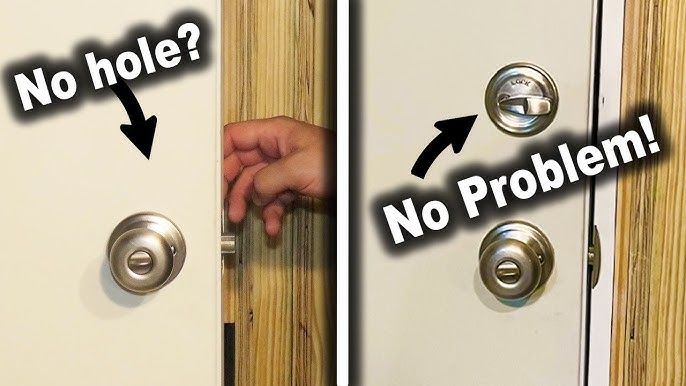
Installing a deadbolt lock on a steel door needs the right tools and materials. Preparation makes the job easier and safer. Gather everything before starting. This helps avoid interruptions and mistakes.
Essential Tools
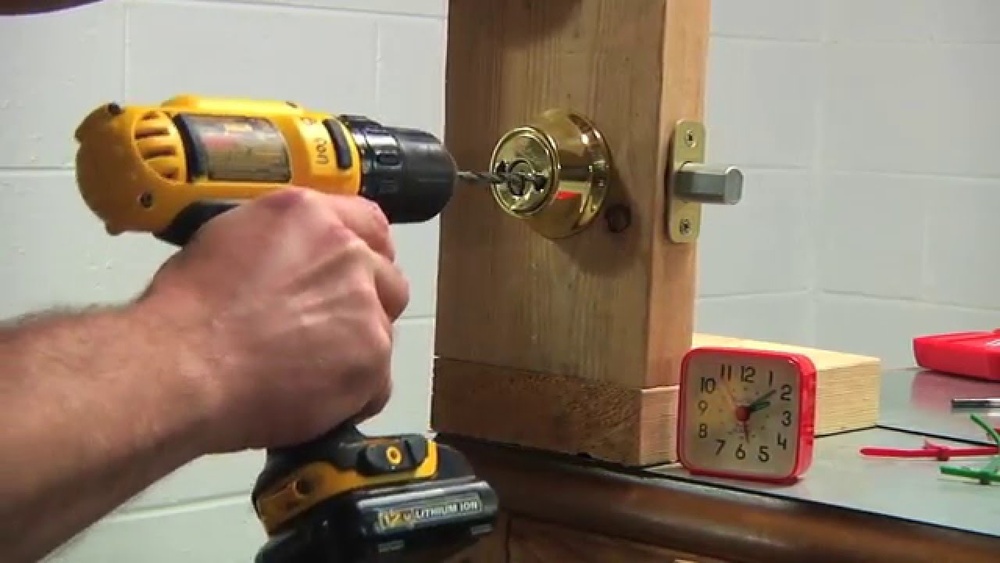
Start with a power drill for making holes. Use metal drill bits to cut through steel. A screwdriver is necessary to tighten screws. A tape measure helps mark exact spots. A pencil or marker makes visible guides. A chisel may be needed to shape the door edge. A level ensures the lock fits straight.
Choosing The Right Deadbolt
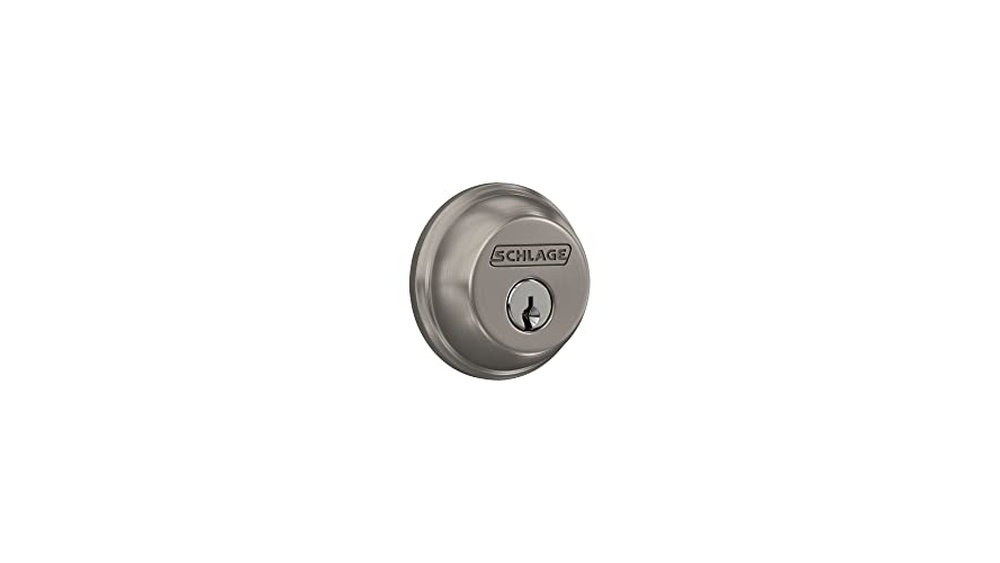
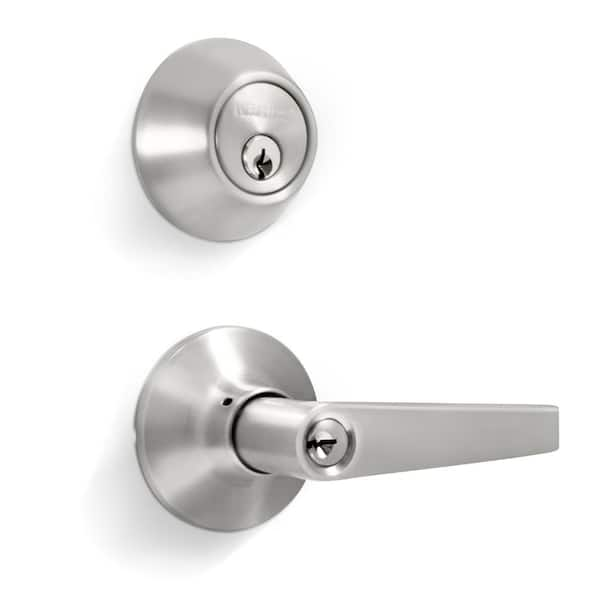
Select a deadbolt made for steel doors. Look for models with strong metal parts. A single-cylinder deadbolt works well for most doors. Double-cylinder types add extra security but need keys on both sides. Check the lock’s size matches your door thickness. Choose a lock with a good security rating.
Safety Gear
Wear safety goggles to protect your eyes. Gloves protect your hands from sharp metal edges. Ear protection reduces noise from drilling. A dust mask helps with metal dust. Dress in long sleeves to avoid scratches. Safety first keeps the job smooth and injury-free.
Credit: www.youtube.com
Preparing The Steel Door
Preparing the steel door is an important step before installing a deadbolt lock. It helps ensure the lock fits well and works properly. Careful preparation makes the installation easier and safer.
Steel doors are strong but require special tools and steps. Measuring and marking must be exact to avoid mistakes. Drilling pilot holes guides the drill bit and protects the door. Understanding the metal thickness helps choose the right drill bit and screws.
Measuring And Marking
Measure the door carefully for the deadbolt placement. Use the lock template or instructions to find the exact spot. Mark the points clearly with a pencil or marker. Double-check the measurements before drilling. Accurate marks prevent misalignment and damage.
Drilling Pilot Holes
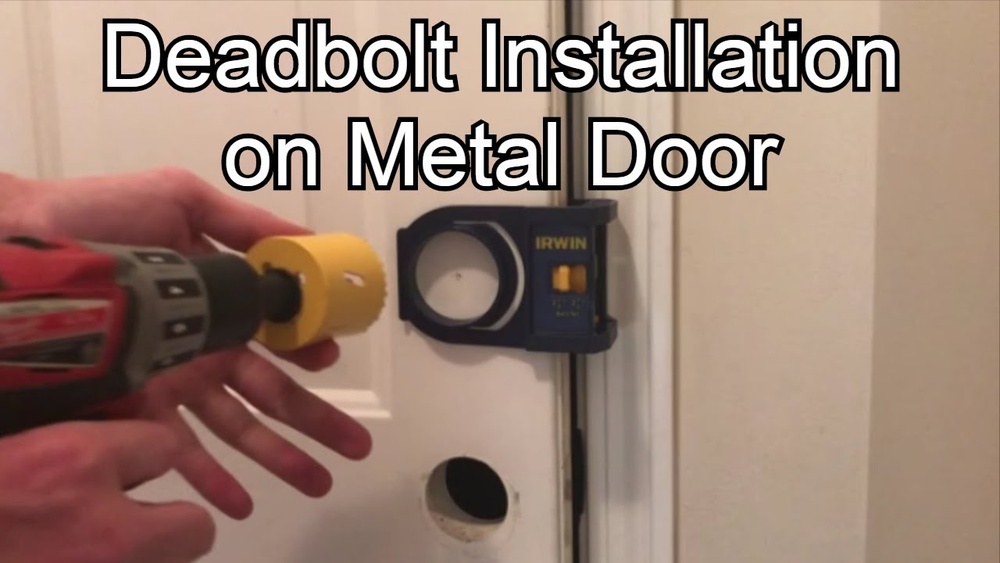
Start with small pilot holes where you marked. Use a drill bit designed for metal. Pilot holes help guide the bigger drill bit. They reduce the risk of slipping or cracking the door. Drill slowly and keep the drill straight to avoid mistakes.
Dealing With Metal Thickness
Check the door’s metal thickness before drilling. Thicker metal needs stronger drill bits and more power. Use a drill bit made for steel or metal. Drill in stages to avoid overheating the bit. Keep the drill steady to make clean holes.
Installing The Deadbolt
Installing the deadbolt on a steel door requires careful steps. This part of the process ensures your lock fits perfectly and works smoothly. Follow the instructions below to secure your deadbolt properly.
Fitting The Exterior Assembly
Start by placing the exterior part of the deadbolt on the outside of the door. Make sure the keyhole is facing the right way. Align it with the hole drilled in the steel door. Press it firmly so it sits flat against the door surface. Check that the tailpiece extends through the hole inside the door.
Securing The Interior Assembly
Next, position the interior assembly on the inside of the door. Align it with the tailpiece from the exterior side. Hold both parts together and insert the long screws through the interior plate. Tighten the screws with a screwdriver. The lock should be snug but not too tight to avoid damage.
Aligning The Lock Mechanism
Turn the key or thumb turn to test the lock’s movement. The deadbolt should slide in and out smoothly. If it sticks, loosen the screws slightly and adjust the parts. Tighten again once the lock moves easily. Check the alignment by locking and unlocking several times to confirm proper function.
Mounting The Strike Plate
Mounting the strike plate is a key step in installing a deadbolt on a steel door. It holds the bolt firmly in place, securing your door. A properly mounted strike plate improves lock strength and prevents door damage. Follow clear steps for perfect placement and secure fixing.
Locating The Strike Area
Start by closing the door gently. Mark where the deadbolt touches the door frame. This spot is the strike area. Use a pencil for a clear mark. Ensure the mark matches the bolt’s length and width. Accurate marking helps the strike plate fit well.
Drilling For The Strike Plate
Choose a drill bit that matches the strike plate size. Drill holes carefully on the marked area. Make sure the hole is deep enough for the bolt. Avoid drilling too wide or too shallow. Clean out any metal shavings to keep the area neat.
Securing With Screws
Place the strike plate over the drilled hole. Align it properly with the bolt mark. Use long screws to fasten the plate tightly. Tight screws stop the plate from moving or loosening. Check the plate’s fit by locking and unlocking the deadbolt.
Testing And Adjustments
After installing a deadbolt lock on a steel door, testing and making adjustments is crucial. This step ensures the lock works smoothly and secures the door properly. Careful testing prevents future problems and keeps your home safe.
Checking Lock Functionality
Start by turning the key or thumb turn to test the lock. The bolt should move in and out without resistance. Try locking and unlocking several times. The door should close easily and the deadbolt should extend fully into the strike plate.
Check both sides of the door to confirm the lock operates smoothly. Listen for any unusual sounds like grinding or sticking. These signs suggest further adjustments are needed for proper function.
Adjusting Alignment
Misalignment between the deadbolt and strike plate often causes locking issues. Close the door slowly and watch the bolt enter the strike plate hole. If it hits the plate edge or doesn’t fit fully, adjust the strike plate position.
Loosen the strike plate screws slightly and move it up, down, or sideways until the bolt fits perfectly. Tighten the screws and test the lock again. Repeat the process until the bolt slides in smoothly without force.
Troubleshooting Common Issues
If the key turns hard or won’t turn, check for debris inside the lock cylinder. Clean it gently with compressed air or a small brush. Avoid using oil as it can attract dirt.
Sticky bolts may need lubrication with graphite powder. Avoid liquid lubricants that can gum up the lock. If the deadbolt is still stiff, confirm the door is properly hung and not sagging.
Loose screws or warped door edges can affect lock performance. Tighten all screws and inspect the door frame for damage. Fixing these issues improves lock reliability and security.
Maintenance Tips For Longevity
Keeping your deadbolt lock in good shape helps it last longer and work well. Simple care steps stop problems before they start. Small habits make a big difference for your steel door lock. Follow these tips to keep your lock strong and secure.
Lubrication
Lubricate the lock every six months. Use a silicone-based spray or graphite powder. Avoid oil-based lubricants that attract dirt and dust. Spray or apply lubricant into the keyhole and bolt mechanism. Move the key in and out to spread it evenly. This keeps the lock smooth and easy to turn.
Regular Inspection
Check the lock regularly for signs of wear or damage. Look for rust, loose screws, or parts that stick. Tighten any loose screws with a screwdriver. Replace parts that look worn or broken. Early fixes prevent bigger problems and keep your lock working well.
Weatherproofing
Steel doors face weather changes that can harm locks. Use weatherproof covers to protect the lock from rain and snow. Apply a thin layer of wax on exposed metal parts to stop rust. Make sure door seals are tight to keep moisture out. These steps stop water damage and keep your lock reliable.
Credit: www.reddit.com
Frequently Asked Questions
How Do I Choose The Right Deadbolt For A Steel Door?
Choose a deadbolt designed for metal doors. Look for heavy-duty, drill-resistant models for added security. Ensure it fits your door thickness and lock type requirements.
What Tools Are Needed To Install A Deadbolt On Steel?
You’ll need a drill with metal bits, screwdriver, measuring tape, pencil, and a hole saw. A chisel may be required for precise fitting.
Can I Install A Deadbolt Without Professional Help?
Yes, with the right tools and instructions, installation is doable. Follow step-by-step guidelines carefully to avoid damaging the steel door.
How Do I Ensure The Deadbolt Aligns Correctly?
Measure and mark the exact spots before drilling. Test the bolt’s movement to confirm smooth operation and proper alignment.
Conclusion
Installing a deadbolt lock on a steel door adds strong security to your home. Follow each step carefully for best results. Use the right tools to make the job easier and safer. Take your time and check the fit before finalizing.
A properly installed deadbolt helps protect your family and belongings. Keep your door secure with this simple upgrade. Safety starts with small actions like this. You can do it yourself with patience and care.