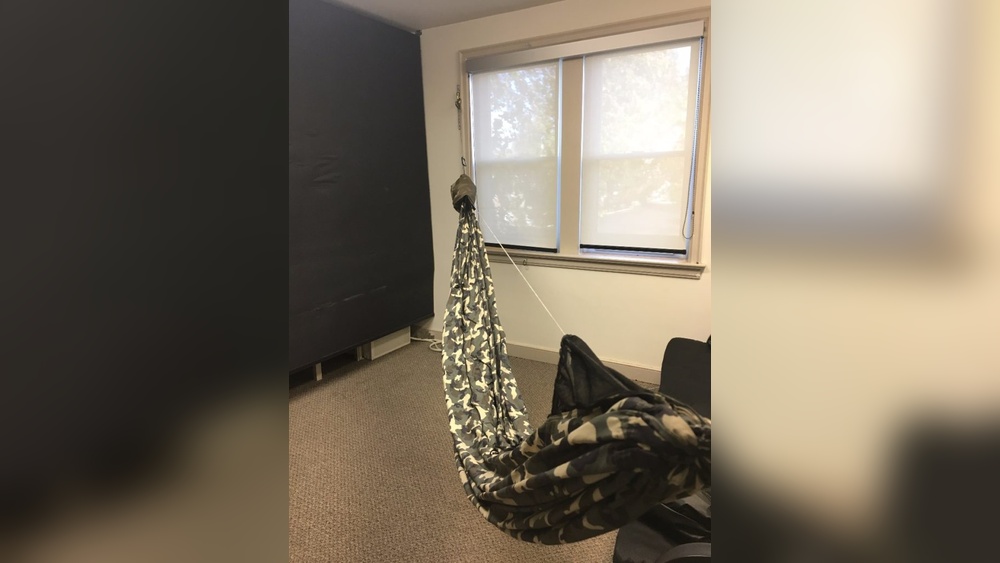
Imagine relaxing in your hammock, right inside your home, without needing trees or bulky stands. Sounds perfect, right?
But how do you safely and securely anchor a hammock to a wall? If you’ve ever wondered how to create that cozy spot in your own space, you’re in the right place. In this guide, you’ll discover simple, step-by-step tips to hang your hammock safely and comfortably.
Keep reading, and soon you’ll be swinging away in your very own indoor paradise.

Credit: eaglesnestoutfittersinc.com
Choosing The Right Wall
Choosing the right wall is key for anchoring a hammock safely and securely. The wall must support the weight and stress of the hammock. Picking a weak or unsuitable wall can cause damage or accidents. Take time to check the wall material, strength, and location before installation.
Assessing Wall Material
Start by identifying what type of wall you have. Concrete, brick, and solid wood walls work best. Drywall or plaster alone is too weak to hold a hammock. Avoid walls with hollow spaces or thin panels. Knowing the material helps find the right anchors and tools.
Checking Wall Strength
Test the wall’s strength before installing hooks. Press your hand firmly on the wall. If it feels solid and firm, it can hold the hammock. Walls with cracks or damage may not be safe. Use a stud finder to locate wooden studs behind drywall for extra support.
Selecting Suitable Location
Pick a spot with enough space for the hammock to hang freely. Leave room to swing without hitting furniture or walls. Choose a place away from doors or busy walkways. The wall should face a strong opposite anchor point for balance. Proper location ensures comfort and safety.
Gathering Required Tools And Materials
Before anchoring a hammock to a wall, gather all needed tools and materials. Having everything ready saves time and ensures safety. This step helps set up a strong, secure hammock spot. Below are the main items to prepare for the job.
Essential Hardware
Start with the hardware that holds your hammock. Heavy-duty wall anchors or toggle bolts are best. Use strong hooks or eye bolts rated for your hammock’s weight. Choose screws that fit the anchors and hooks well. Make sure all metal parts are rust-resistant for longer use.
Safety Equipment
Safety comes first. Wear safety goggles to protect your eyes from dust or debris. Use gloves to avoid splinters or sharp edges. A dust mask keeps you safe from inhaling particles during drilling. Have a sturdy ladder if you need to reach high walls.
Optional Accessories
Some extras make your hammock setup more comfortable. A stud finder helps locate strong wall spots. A level ensures hooks are even for a balanced hammock. Use a tape measure for precise spacing. Cushions or hanging straps improve your relaxing time.
Measuring And Marking Anchor Points
Measuring and marking anchor points is the first step to hang a hammock on a wall safely. This process ensures the hammock will hold your weight and stay secure. Correct measurements prevent damage to the wall and make your hammock comfortable to use. Take your time and be precise for the best results.
Determining Distance Between Anchors
Start by checking the length of your hammock. The anchor points must be wider than the hammock itself. Measure the distance between the two ends of the hammock when stretched slightly. Add a few extra inches for the hanging hooks or ropes. This distance will be the space between your wall anchors. Mark this spot on the wall.
Marking Drill Spots
Use a pencil to mark the exact points on the wall where you will drill. These spots should be on solid studs or concrete, not just drywall. Use a stud finder to locate strong points behind the wall. Mark each spot clearly and double-check the distance between them. Avoid guessing to keep your hammock stable and safe.
Ensuring Level Alignment
Use a level tool to check that the marks are even. Uneven anchor points can cause the hammock to tilt or fall. Hold the level across the two marks and adjust them until they are perfectly horizontal. This step makes sure your hammock will hang straight and stay balanced. Proper alignment improves comfort and safety.

Credit: www.youtube.com
Installing Wall Anchors
Installing wall anchors is a key step in hanging a hammock safely. It helps support the weight and keeps the hammock steady. Using the right anchors and placing them correctly will prevent damage to your wall.
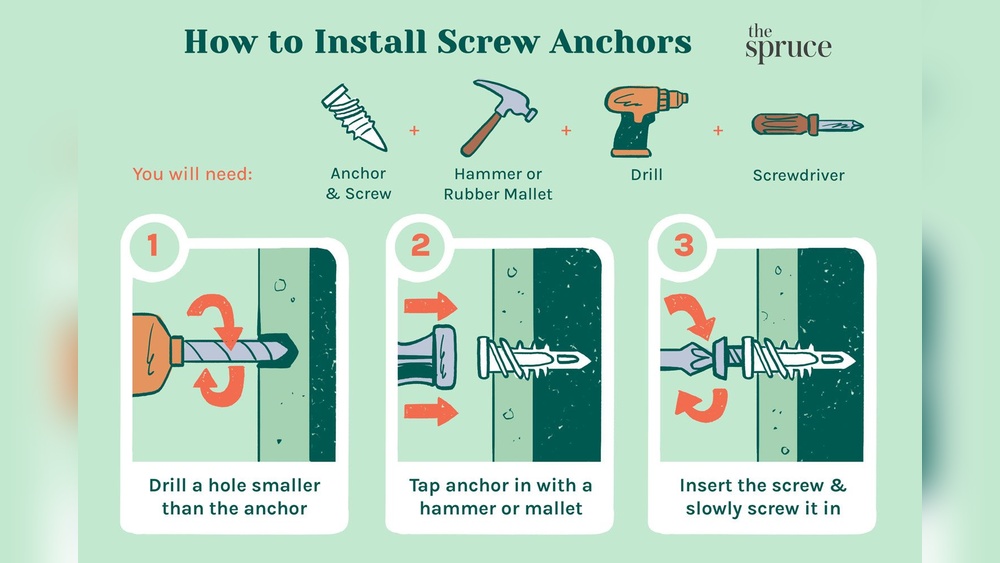
Drilling Pilot Holes
Start by marking the exact spot on the wall. Use a pencil to mark where the anchor will go. Select a drill bit that matches the size of the anchor. Drill a small hole gently into the wall. This pilot hole guides the anchor and reduces wall damage.
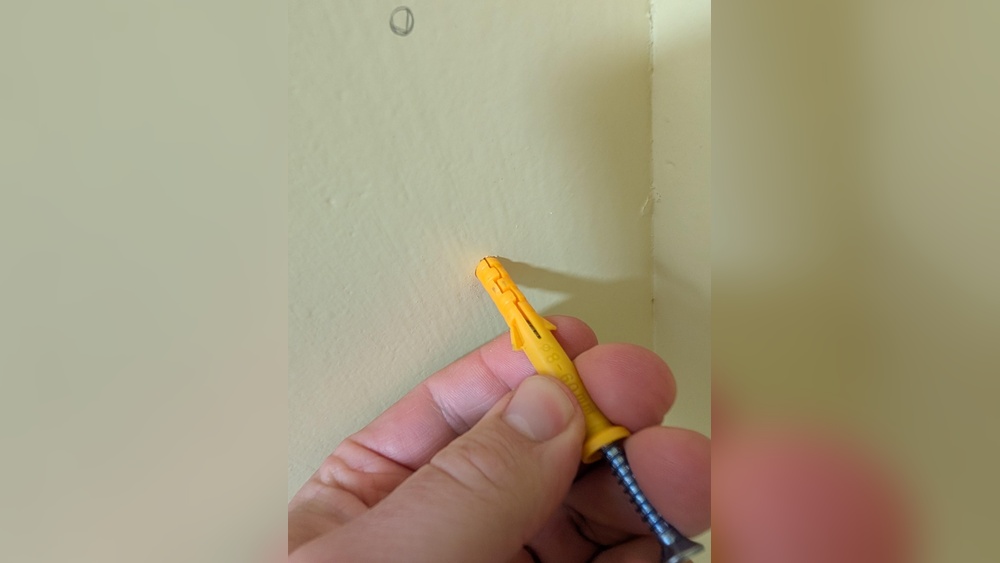
Inserting Anchors
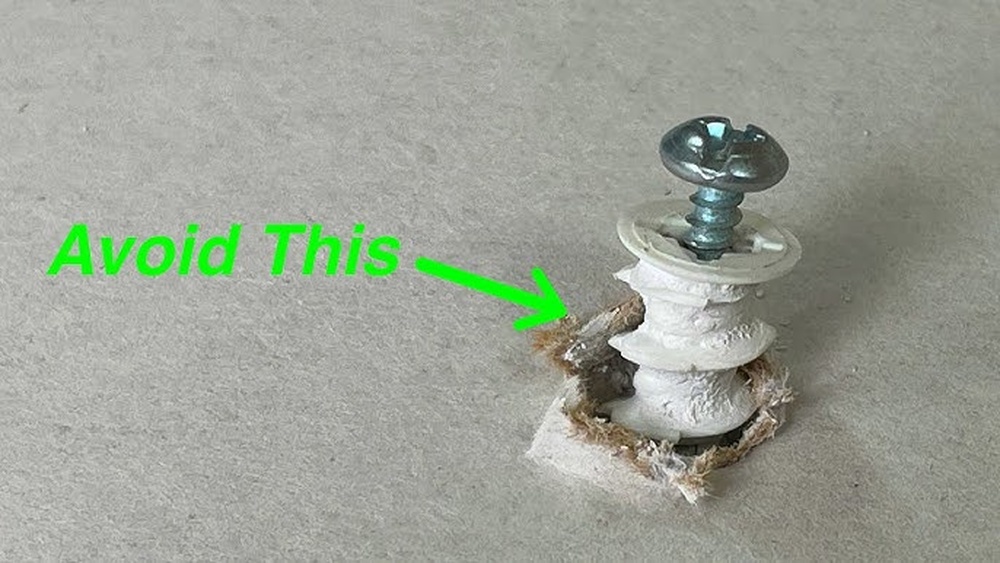
Push the wall anchor into the pilot hole. Tap it lightly with a hammer if needed. Make sure the anchor sits flush with the wall surface. The anchor must be secure to hold the hammock’s weight safely.
Securing Mounting Hardware
Attach the mounting hardware like hooks or brackets to the anchor. Use a screwdriver or wrench to tighten it firmly. Check that the hardware does not move or wiggle. Strong mounting points keep your hammock safe for use.
Attaching Hammock To Anchors
Attaching a hammock to wall anchors requires care and the right tools. Proper attachment ensures safety and comfort. This process involves picking the right ropes or straps, connecting the hammock securely, and adjusting tension well.
Choosing Proper Suspension Ropes Or Straps
Select ropes or straps made from strong materials like nylon or polyester. These materials resist stretching and wear. Choose straps with a wide surface to protect walls and anchors. Avoid thin ropes that can damage your hammock or wall. The length of the ropes should allow easy adjustment.
Connecting Hammock To Mounts
Use secure knots or metal carabiners to attach the hammock. Carabiners offer quick, strong connections. Ensure the mounts are firmly fixed in the wall studs. Attach the ropes or straps to the mounts without twisting. Check all connections before use to prevent accidents.
Adjusting Tension For Comfort
Tension affects how the hammock feels. Too tight makes it stiff; too loose lets it sag. Adjust ropes or straps to find a gentle curve. The hammock should hold your weight evenly. Test by sitting slowly and change tension as needed.
Safety Tips For Hammock Setup
Setting up a hammock on a wall can create a cozy spot to relax indoors. Safety must be the top priority during installation. Proper setup prevents accidents and ensures long-lasting use.
Weight Limits And Load Testing
Check the hammock’s weight limit before installation. Use strong anchors that can hold more than the maximum weight. Test the setup by applying pressure slowly. Make sure the wall and anchors hold steady without movement.
Regular Inspection And Maintenance
Inspect the hammock and anchors regularly. Look for signs of wear, rust, or damage. Tighten loose screws and replace worn parts. Clean the hammock fabric to keep it strong and fresh.
Avoiding Common Mistakes
Do not use weak walls or drywall only. Avoid using nails or weak hooks as anchors. Do not hang the hammock too low or too high. Keep the area around the hammock clear to prevent injuries.

Credit: eaglesnestoutfittersinc.com
Frequently Asked Questions
How Do I Anchor A Hammock To A Wall Safely?
Use heavy-duty wall anchors rated for your hammock’s weight. Locate studs or use toggle bolts in drywall. Secure hooks firmly and test stability before use to ensure safety and prevent damage.
What Tools Are Needed To Anchor A Hammock To A Wall?
You need a drill, stud finder, measuring tape, level, wall anchors or toggle bolts, and heavy-duty hooks. These tools ensure precise placement and secure installation for your hammock.
Can I Use Any Wall To Hang A Hammock?
Not all walls are suitable. Use solid walls with studs or brick. Drywall alone won’t support the weight. Always check wall strength before anchoring.
What Height Should I Anchor My Hammock On The Wall?
Anchor points should be about 4-5 feet high, depending on hammock length. Proper height ensures comfortable sag and safe use.
Conclusion
Anchoring a hammock to a wall can create a cozy, relaxing spot at home. Choose strong walls and use the right tools to keep it safe. Measure carefully and follow the steps for a secure setup. Enjoy your hammock without worry, knowing it is properly fixed.
Simple steps make a big difference in comfort and safety. Now, you can relax anytime you want, right inside your space. Try it out and feel the calm it brings.