Have you ever struggled with removing command hooks from your wall without damaging the paint? You’re not alone.
Those handy hooks are perfect for hanging things without nails, but taking them down can feel tricky. What if you could get them off cleanly and easily, keeping your walls looking flawless? You’ll discover simple, effective steps to remove command hooks safely.
Keep reading, and say goodbye to wall damage for good.
:max_bytes(150000):strip_icc()/how-to-remove-command-strips-5089679-05-e465545114cf4e9ebdf99ce163d520f8.jpg)
Credit: www.thespruce.com
Types Of Command Hooks
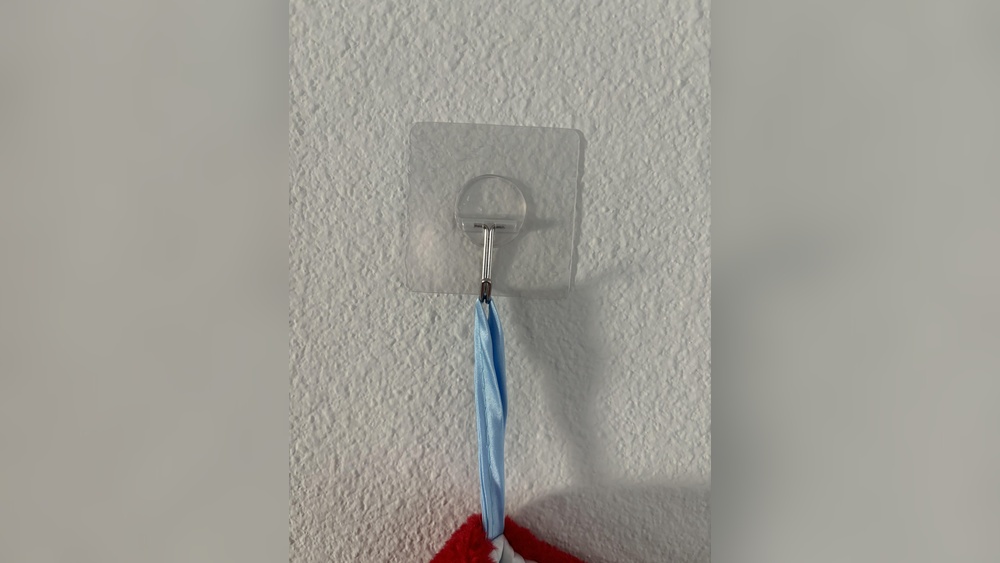
Command hooks come in different types to fit many needs. Each type has its own design and use. Knowing these types helps in removing them safely from walls. The main types include plastic strips, metal hooks, and decorative hooks. Each type sticks to the wall with adhesive strips.
Plastic Strips
Plastic strips are the most common type. They hold lightweight items like keys or small frames. The strips are white or clear and blend with the wall. To remove, pull the strip slowly downwards. This stretches the adhesive and releases it without damage.
Metal Hooks
Metal hooks support heavier items like coats or bags. They have a metal hook attached to an adhesive strip. The removal method is the same as plastic strips. Pull the tab straight down to loosen the adhesive and avoid wall marks.
Decorative Hooks
Decorative hooks add style to a room while holding items. They come in various shapes and colors. The base uses the same adhesive strips as other hooks. Remove by pulling the strip down slowly, keeping the wall clean and smooth.
Tools You’ll Need
Removing Command hooks from your wall is easy with the right tools. These tools help protect your wall and make the removal smooth. Prepare these items before you start. They help you avoid damage and clean up well.
Hair Dryer
A hair dryer softens the adhesive under the hook. Warmth loosens the glue’s hold. Use medium heat to avoid wall damage. Move the dryer back and forth across the hook area. This step makes pulling the hook off easier and safer.
Dental Floss
Dental floss acts like a gentle saw to cut through the adhesive. Slide it behind the hook slowly. Use a gentle sawing motion to avoid tearing paint. This tool helps separate the hook cleanly from the wall. It works well on flat surfaces.
Cleaning Supplies
After removing the hook, clean the wall surface. Use mild soap and water or a gentle cleaner. A soft cloth or sponge works best. Cleaning removes leftover adhesive residue and dirt. This step prepares your wall for new hooks or paint.
Preparing The Wall
Preparing the wall is an important step before removing Command Hooks. It helps protect your wall and makes the removal easier. Taking time to prepare the area ensures less damage and a cleaner finish.
Clear The Hook Area
Remove any items hanging on the Command Hook. Clear the space around the hook. This gives you full access to the hook and adhesive strips. Keep the area dry and clean for better results. Dirt or moisture can weaken the adhesive removal process.
Check For Damage
Look closely at the wall around the hook. Notice any marks, holes, or paint peeling. Small dents or scratches can be fixed later with simple patching. Checking early helps you plan for any touch-ups after removal. This keeps your wall looking smooth and fresh.
Credit: thehomesihavemade.com
Step-by-step Removal Process
Removing Command hooks from the wall can seem tricky. Following a clear process helps avoid damage. The steps below show how to remove hooks safely and cleanly.
Stretching The Adhesive Strip
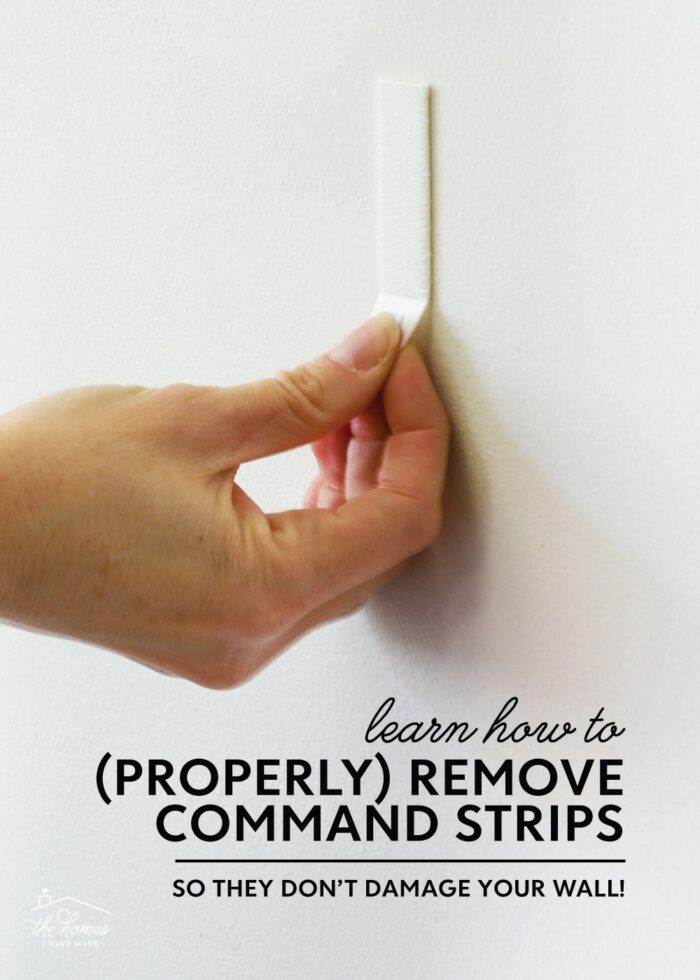
Hold the hook firmly with one hand. Use the other hand to pull the adhesive strip. Pull slowly and steadily, stretching it straight down. Do not pull outward or at an angle. Keep stretching the strip along the wall. The adhesive will release without damaging paint.
Using Heat For Stubborn Hooks
Some hooks stick too well. Use a hairdryer to warm the adhesive. Heat softens the glue and makes removal easier. Hold the hairdryer a few inches from the hook. Warm the strip for about 30 seconds. Then try stretching the strip again. Repeat heating if needed.
Removing Residue
Sometimes, a sticky residue remains after removal. Use a soft cloth with rubbing alcohol or soapy water. Gently rub the area until residue disappears. Avoid harsh scrubbing to protect paint. Dry the wall with a clean cloth afterward.
Tips To Avoid Wall Damage
Removing Command hooks without harming your walls takes care and the right steps. These tips help keep your paint and drywall safe. Follow them to avoid marks, peeling, or holes.
Pulling Gently
Pull the hook slowly and softly. Do not yank or pull hard. Stretch the adhesive strip straight down, close to the wall. This reduces stress on the paint and stops damage.
Avoiding Harsh Chemicals
Do not use strong cleaners or solvents. They can break down paint or finish. Use warm water and mild soap if needed. Gentle cleaning protects your wall’s surface.
Testing Small Areas First
Try the removal method on a hidden spot first. This shows if the paint or wall will react badly. Testing small areas saves you from bigger problems later.
What To Do If Damage Occurs
Removing Command hooks can sometimes leave marks or small holes on your walls. These little damages are easy to fix. You can make your wall look new again with simple steps. Fixing the damage quickly helps keep your walls clean and neat. Here are some easy ways to repair your wall after removing Command hooks.
Filling Small Holes
Small holes from Command hooks can be filled with spackling paste. Use a putty knife to apply the paste into the hole. Press gently and smooth the surface. Let it dry completely before touching it. This fills the hole and makes the wall flat again.
Sanding And Painting
After the spackling paste dries, sand the area lightly. Use fine-grit sandpaper for a smooth finish. Sanding removes bumps and rough edges. Wipe the dust away with a clean cloth. Paint the spot with matching wall color. This hides the repair and blends it with the wall.
Using Wall Repair Kits
Wall repair kits include everything needed for quick fixes. They come with spackling paste, sandpaper, and sometimes paint. Follow the instructions on the kit carefully. These kits are handy for small to medium damage. They save time and give good results for a clean wall.
Alternative Hanging Solutions
Removing command hooks can leave you wondering how to hang items without damage. Alternative hanging solutions offer easy and safe options. These methods help keep walls clean and hold things firmly.
Reusable Hooks
Reusable hooks stick well and peel off without marks. They work on many surfaces like painted walls and tiles. You can move them to different spots anytime. These hooks come in various sizes for light or heavy items. They save time and avoid wall damage.
Magnetic Strips
Magnetic strips hold metal objects like keys or tools. Stick the strip to the wall using adhesive backing. They are strong and easy to remove. Magnets keep items organized and easy to reach. These strips suit kitchens, garages, or offices.
Tension Rods
Tension rods fit between two walls or in doorways. They hold curtains, clothes, or lightweight shelves. No nails or screws needed, so walls stay safe. Adjust the rod length to fit your space. A quick and reusable hanging option.

Credit: www.youtube.com
Frequently Asked Questions
How Do You Safely Remove Command Hooks From Walls?
To safely remove Command Hooks, pull the adhesive strip straight down slowly. Avoid pulling outward or at an angle to prevent wall damage. This method releases the adhesive without leaving residue or marks.
Can Command Hooks Damage Painted Walls?
Command Hooks usually don’t damage painted walls if removed correctly. Pull the adhesive strip straight down slowly. This technique prevents paint peeling and keeps your wall intact.
What Tools Are Needed To Remove Command Hooks?
No tools are needed to remove Command Hooks. Simply pull the adhesive strip slowly straight down. This ensures easy removal without damaging the wall or paint.
How To Remove Sticky Residue Left By Command Hooks?
If sticky residue remains, gently rub with a cloth soaked in warm soapy water. For tougher residue, use rubbing alcohol sparingly. Always test on a small area first to avoid paint damage.
Conclusion
Removing command hooks from walls can be simple and safe. Pull the tab slowly to avoid damage. Use heat to soften the adhesive if needed. Clean the wall gently after removal for best results. Taking your time helps keep walls smooth and clean.
Now, you can hang things again without worry. Easy steps make your space look neat and fresh. No need to stress over removing hooks anymore.