Have you ever wanted to secure your home quickly without changing your locks? Knowing how to jam a deadbolt can give you extra peace of mind when you need it most.
Whether you’re dealing with a stubborn lock or want to prevent unwanted entry temporarily, this simple trick can make a big difference. You’ll discover easy steps to jam your deadbolt effectively—and keep your space safer right now. Keep reading to learn how you can take control of your security with just a few simple moves.
Why Jam A Deadbolt
Jamming a deadbolt is a useful trick for added security. It makes the lock harder to open from outside. People often jam deadbolts for safety and peace of mind.
This method can stop someone from breaking in easily. It also works in tricky situations where you need quick locking. Knowing why to jam a deadbolt helps you use it right.
Prevent Forced Entry
Jamming a deadbolt stops intruders from forcing the door. The bolt gets stuck, making it tough to push open. It adds a strong barrier to keep your home safe.
Temporary Security Boost
This trick gives extra security for a short time. It works well during parties or when many people come in. You can secure the door without changing the lock.
Emergency Locking Solutions
Jamming a deadbolt helps in emergencies. It can lock the door fast if you feel unsafe. This method is a quick way to block the door from the inside.
Tools You’ll Need
Jamming a deadbolt requires certain tools to do the job properly. These tools help you apply pressure or block the mechanism inside the lock. Having the right tools makes the process easier and more effective.
Some tools are common household items you might already have. Others are specialized and designed specifically for lock jamming. Knowing what to use helps you prepare better for the task.
Common Household Items
Simple items at home can help jam a deadbolt. A small flathead screwdriver or a butter knife can fit into the gap between the door and the frame. Thin pieces of metal or plastic, like a credit card, may also work.
Rubber bands or tape can hold tools in place. Paper clips or bobby pins can act as makeshift picks to block the lock’s internal parts. These items are easy to find and often effective in quick jobs.
Specialized Lock Jamming Tools
Special tools designed for lock jamming give better results. A lock shim is a thin piece of metal made to slip between the deadbolt and the strike plate. It helps stop the bolt from sliding into the frame.
Lock picks or tension wrenches can manipulate the lock’s internal components. These tools provide more control and precision than household items. They are useful for more stubborn or complex deadbolts.
Using the right tool reduces damage to the door and lock. It also saves time and effort during the jamming process.
Quick Deadbolt Jamming Methods
Quick deadbolt jamming methods help stop a deadbolt from locking. These tricks can block the bolt and keep the door from closing fully. Use simple tools found around the house for fast results. Each method works differently depending on the door and lock type.
Using A Doorstop Wedge
Place a doorstop wedge under the door near the deadbolt. Push the wedge tightly to stop the door from closing all the way. This stops the deadbolt from sliding into the frame. The wedge creates pressure and blocks the bolt’s movement. It works well on doors with a small gap below.
Inserting A Screwdriver Or Similar Object
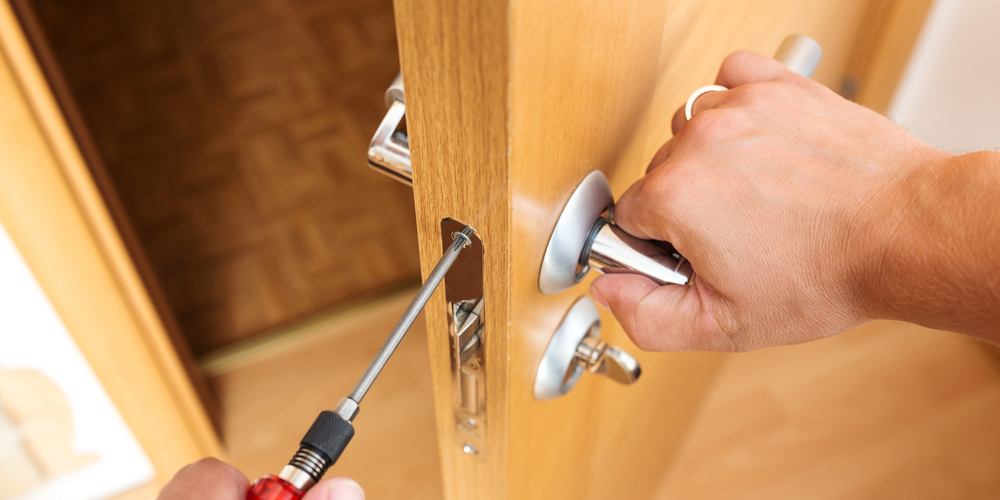
Slide a flat screwdriver or a similar thin object into the door frame near the bolt. Push it in between the bolt and the frame to block the bolt’s path. Keep the object steady to stop the deadbolt from fully extending. This method needs careful placement but works fast. Use a tool that fits the gap without damaging the door.
Leveraging A Credit Card
Take a flexible plastic card like a credit card. Slide it between the door and the frame near the deadbolt. Wiggle the card to push the bolt back into the door. The card bends and moves the bolt slightly to jam it. This works best on spring latch locks but can sometimes delay deadbolts. Use a card you don’t mind bending or damaging.
Credit: www.reddit.com
Advanced Techniques For Deadbolt Jamming
Advanced techniques for deadbolt jamming help stop the lock from turning. These methods go beyond simple tricks. They create a physical barrier inside the lock or door frame. This blocks the deadbolt’s movement. These techniques need some tools and skills. They work well for temporary security or testing.
Installing Temporary Deadbolt Blocks
Temporary deadbolt blocks are easy to use and remove. Cut a small piece of wood or plastic to fit between the door and frame. Place it where the deadbolt slides in. This block stops the bolt from fully extending. It holds the door shut without locking it. Use tape or a small bracket to keep the block in place. Check that the door still closes tightly.
Using Metal Or Wooden Shims
Shims are thin pieces of metal or wood. Slide a shim between the door and frame near the deadbolt. The shim fits in the bolt’s path. It prevents the bolt from moving inside the lock. Metal shims work better for strong locks. Wooden shims suit softer doors or frames. Trim the shim to fit snugly. Secure it with a small nail or clip for stability.
Creating A Custom Jammer
A custom jammer fits your door and lock perfectly. Use strong materials like metal strips or hard plastic. Measure the space where the deadbolt moves. Cut the material to block this path exactly. Drill holes for screws to attach the jammer to the door or frame. The jammer stops the bolt from sliding out. It acts as a solid barrier against the lock’s movement.
When Not To Jam A Deadbolt
Knowing when not to jam a deadbolt is just as important as knowing how to do it. Jamming a deadbolt can cause problems if done at the wrong time or in the wrong situation. It is important to understand the risks and rules before trying to jam a deadbolt.
Risks Of Damaging The Lock
Jamming a deadbolt can break the lock mechanism. Locks are made of small parts that can get stuck or bent. If the lock breaks, it may cost a lot to fix or replace. Damage can also make the lock unsafe to use. Avoid jamming if the lock looks old or fragile.
Legal Considerations
Some places have laws against jamming locks. Jamming a deadbolt on a door you do not own can be illegal. It can be seen as breaking and entering. Always check local rules before jamming a deadbolt. Respect property rights and privacy to stay safe from legal trouble.
Fire Safety Concerns
Jamming a deadbolt can block escape routes in case of fire. Doors with jammed locks may trap people inside. Fire safety rules require doors to open easily. Never jam a deadbolt on an emergency exit or fire door. Safety comes first in any home or building.
Credit: unitedlocksmith.net
Maintaining Your Deadbolt After Jamming
Maintaining your deadbolt after it jams is important to keep it working well. Regular care can prevent future problems and extend the lock’s life. Checking the lock for damage, lubricating it properly, and scheduling repairs help maintain security and ease of use.
Checking For Lock Damage
Start by inspecting the deadbolt carefully. Look for cracks or bent parts on the lock. Check if the bolt moves smoothly or if it sticks. Damage can cause jamming and reduce security. Catching problems early helps avoid costly repairs later.
Proper Lock Lubrication
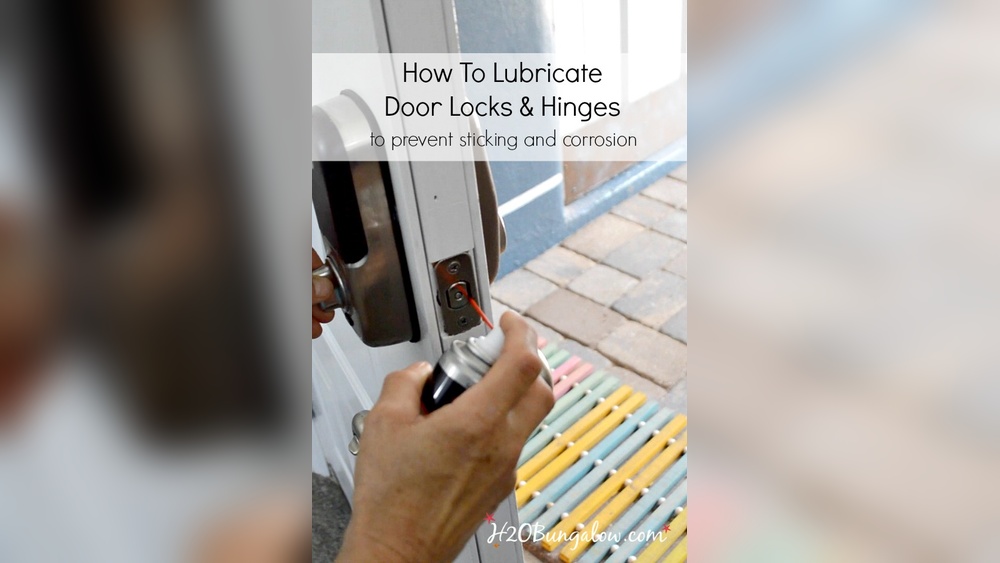
Use the right lubricant for your deadbolt. Avoid oil-based products that attract dust and dirt. Graphite powder or silicone spray works best. Apply a small amount inside the keyhole and on the bolt. This keeps the lock moving smoothly and prevents jamming.
Scheduling Professional Repairs
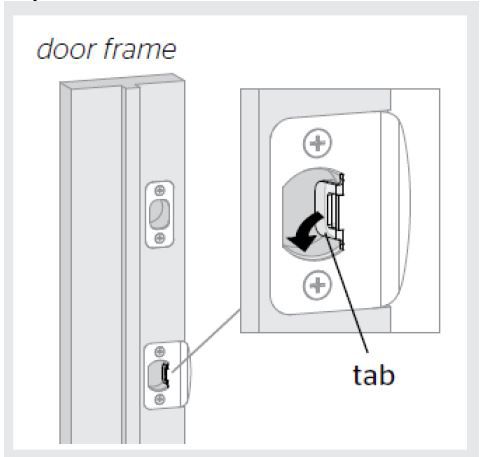
Sometimes, problems need expert help. A locksmith can fix complex issues or replace damaged parts. Regular checkups by a professional keep your deadbolt in top shape. Prompt repairs improve your home’s security and stop future jams.
Credit: www.kwikset.com
Frequently Asked Questions
How Do You Jam A Deadbolt Lock Safely?
To jam a deadbolt safely, insert a thin object like a credit card between the bolt and door frame. Apply gentle pressure to prevent full bolt engagement. Avoid damage by not using excessive force or sharp tools. This method temporarily blocks bolt movement without harming the lock.
Can Jamming A Deadbolt Prevent Break-ins?
Jamming a deadbolt can delay break-ins by stopping the bolt from fully extending. However, it is not a long-term security solution. Always use quality locks and additional security measures for proper protection against intruders.
What Tools Are Best For Jamming Deadbolt Locks?
Thin, sturdy tools like plastic cards or shim strips work well for jamming deadbolts. Avoid metal objects that can damage the lock. Proper tools allow safe and effective bolt blockage without causing lock malfunction.
Is Jamming A Deadbolt Legal?
Jamming your own deadbolt for security or emergency reasons is generally legal. However, jamming locks on others’ property without permission can be illegal. Always ensure you have the right to modify or block the lock.
Conclusion
Jamming a deadbolt can be simple with the right steps. Take your time and follow each instruction carefully. Use common tools and stay safe during the process. Practice helps improve your skills and confidence. Remember, patience leads to better results.
Keep your home secure by understanding how locks work. Small efforts can prevent big problems later. Try these tips next time you need to jam a deadbolt. You can handle this task with ease.