Is your deadbolt sticking or hard to turn? If so, you’re not alone—and the fix might be easier than you think.
Knowing how to lubricate a deadbolt can save you time, frustration, and even money on locksmith visits. In this guide, you’ll discover simple steps to get your lock working smoothly again. By the end, you’ll feel confident maintaining your deadbolt so it stays reliable and secure.
Ready to unlock the secret to a hassle-free lock? Let’s dive in.

Credit: www.wikihow.com
Why Lubricate Your Deadbolt
Lubricating your deadbolt is a simple step that keeps your lock working smoothly. Over time, dirt and rust can make the deadbolt hard to turn. A little lubrication helps avoid these problems. It extends the lock’s life and keeps your home secure.
Signs Of A Stiff Deadbolt
A stiff deadbolt feels hard to turn or sticks in place. You might hear grinding or squeaking sounds when you use the key. Sometimes, the key won’t go in or come out easily. These signs mean your deadbolt needs lubrication soon.
Benefits Of Regular Lubrication
Lubricating your deadbolt keeps it working smoothly every time. It reduces wear and tear on the lock parts. This makes the lock last longer and saves money on repairs. Lubrication also helps the key slide in and out easily. It prevents rust and dirt buildup that can block the lock.

Credit: www.dummies.com
Choosing The Right Lubricant
Choosing the right lubricant for your deadbolt is important. It helps the lock work smoothly and last longer. Using the wrong product can cause damage or make the lock sticky. This guide explains the best types of lubricants and what to avoid.
Types Of Lubricants
Graphite powder is a popular choice for deadbolts. It does not attract dust and dirt. It works well in dry conditions. Liquid lubricants like silicone spray also help locks move easily. They spread quickly and protect metal parts. Avoid oil-based lubricants. They can gum up the lock over time.
Avoiding Harmful Products
Never use WD-40 or similar products on deadbolts. They clean but do not lubricate well. These sprays can cause dust build-up inside the lock. Avoid grease or thick oils. They trap dirt and cause the lock to jam. Stick to dry lubricants or light silicone sprays for the best results.
Tools You’ll Need
Knowing the right tools makes lubricating a deadbolt easier and faster. Having everything ready helps avoid stops and starts. Using proper items protects your lock and keeps it working smoothly.
Essential Items For Lubrication
Gather a few basic tools before starting. You will need a lubricant designed for locks. Graphite powder or a silicone-based spray works best. Avoid oil-based lubricants; they attract dirt.
A screwdriver helps to remove the lock cover if needed. Keep a clean cloth nearby to wipe off excess lubricant. A small brush can help spread the lubricant inside tight spaces.
Safety Precautions
Wear gloves to keep your hands clean and safe. Work in a well-ventilated area to avoid breathing fumes. Keep lubricant sprays away from flames and heat sources.
Do not spray lubricant directly on the key. Spray inside the lock or on the lock mechanism. Use only a small amount to avoid build-up inside the lock.

Credit: www.wikihow.com
Step-by-step Lubrication Process
Lubricating a deadbolt is a simple task that improves its function. Follow these clear steps to keep your lock smooth and secure. This process saves you time and prevents damage.
Preparing The Deadbolt
Start by cleaning the lock surface. Use a dry cloth to remove dirt and dust. Avoid using water or liquid cleaners. Check the keyhole for debris. Insert and remove the key several times to clear any stuck particles.
Applying The Lubricant
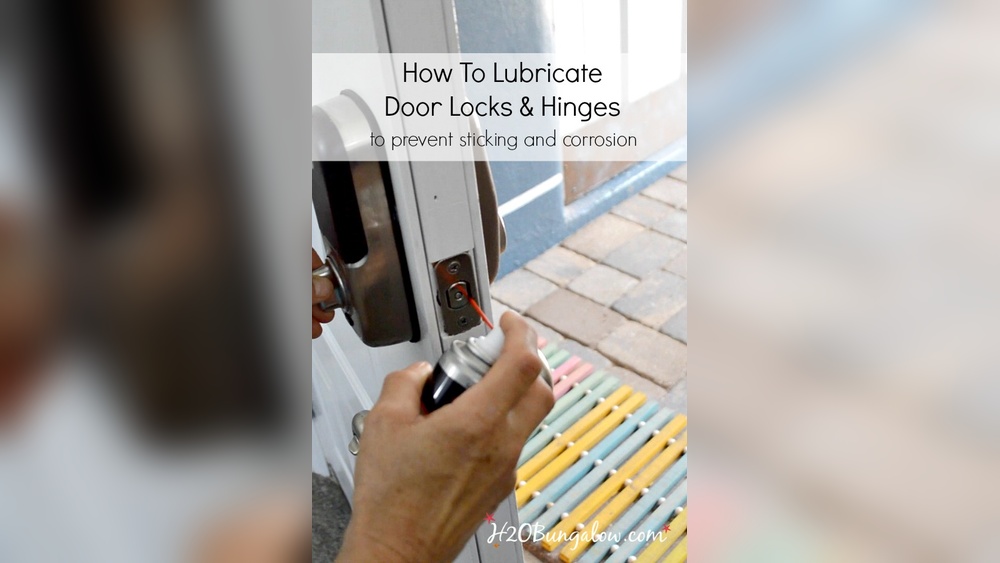
Choose a graphite or silicone-based lubricant for best results. Spray or apply a small amount directly into the keyhole. Avoid overusing the lubricant as it can attract dust. Insert the key and turn it slowly to spread the lubricant inside the lock. Repeat this step a couple of times for even coverage.
Testing The Lock
After lubrication, test the deadbolt by locking and unlocking it several times. The movement should feel smooth and easy. If it still sticks, apply a little more lubricant and test again. Regular testing keeps your lock working well and extends its life.
Maintenance Tips For Long-lasting Performance
Keeping a deadbolt working well needs regular care. Simple maintenance helps the lock stay smooth and safe. Small steps can stop problems before they start. This keeps the deadbolt strong for a long time.
Focus on cleaning and lubricating the lock carefully. Use the right tools and materials. This saves money and trouble later. A little effort now makes a big difference later.
How Often To Lubricate
Lubricate the deadbolt every six months. This keeps the parts moving freely. In places with dust or rain, do it every three months. Avoid using oil sprays that attract dirt. Use a dry graphite or silicone spray for best results.
Preventing Future Issues
Check the deadbolt for dirt or rust regularly. Clean the keyhole and bolt gently with a soft brush. Avoid forcing the key if it feels stuck. Tighten loose screws to keep the lock steady. These small actions stop bigger problems from growing.
Frequently Asked Questions
How Often Should I Lubricate A Deadbolt Lock?
Lubricate your deadbolt every six months to maintain smooth operation. Regular lubrication prevents rust and reduces wear on internal parts.
What Type Of Lubricant Is Best For Deadbolts?
Use a graphite or silicone-based lubricant. Avoid oil-based products as they attract dust and cause buildup inside the lock.
Can I Lubricate A Deadbolt Without Removing It?
Yes, you can apply lubricant directly into the keyhole and bolt mechanism without removing the deadbolt. This saves time and effort.
What Are Signs A Deadbolt Needs Lubrication?
If your deadbolt sticks, jams, or is hard to turn, it likely needs lubrication. These signs indicate internal friction or dirt buildup.
Conclusion
Lubricating a deadbolt keeps it working smoothly and lasts longer. Use the right lubricant to avoid damage. Apply it carefully to all moving parts. Clean the lock before adding lubricant for best results. Regular maintenance prevents jamming and saves you time.
Simple steps make your lock easier to use. Keep your home safe with a well-lubricated deadbolt. Try this easy task yourself and notice the difference. Small care brings big benefits to your lock’s life.