If you need to lift your house safely and effectively, knowing how to use a floor jack house is a game-changer. You might think it’s complicated or risky, but with the right steps, you can do it yourself without stress.
Imagine saving time and money by handling small repairs or adjustments on your own. You’ll discover simple, clear instructions to use a floor jack house with confidence. Keep reading to unlock the secrets that make this tool easy and safe to use for your home projects.
Choosing The Right Floor Jack
Choosing the right floor jack is important for safety and ease of use. A good jack lifts your car smoothly and holds it securely. You must pick one that fits your needs and vehicle type. This helps avoid accidents and damage during repairs.
Types Of Floor Jacks
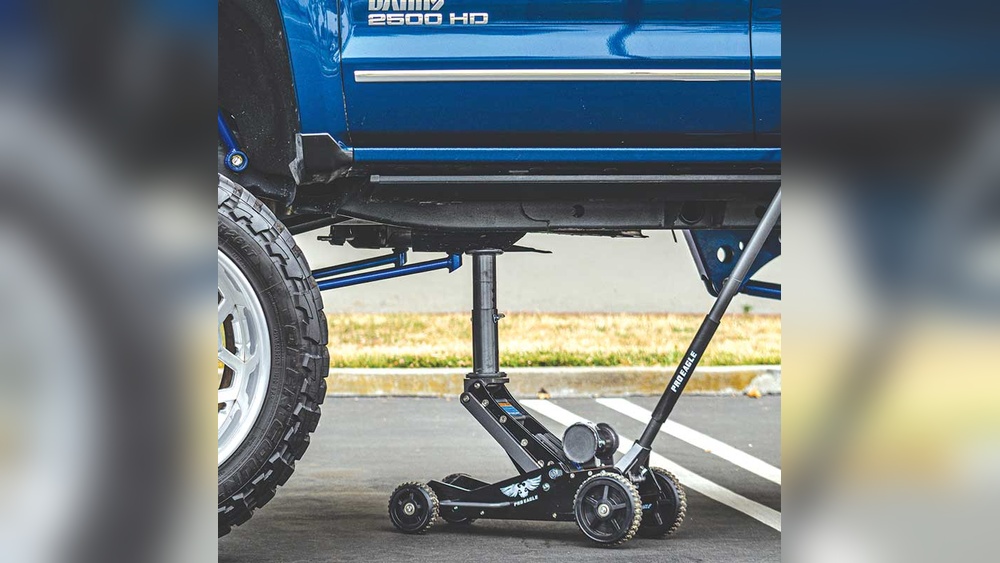
There are several types of floor jacks. The most common are hydraulic and scissor jacks. Hydraulic jacks use fluid pressure to lift heavy loads easily. Scissor jacks work by turning a screw to raise the car. Hydraulic jacks are faster and require less effort. Scissor jacks are lighter and more portable. Choose a type based on your strength and how often you will use it.
Weight Capacity And Size
Check the weight capacity of the floor jack before buying. It must support your vehicle’s weight safely. Most cars need jacks with a capacity of 2 to 3 tons. Larger vehicles need jacks with higher capacity. Also, consider the size and height of the jack. It should fit under your car’s frame easily. The jack’s lifting range must match your car’s clearance. A wrong size can cause problems during lifting.
Features To Consider
Look for features that improve safety and comfort. A wide base gives better stability and prevents tipping. Smooth wheels make moving the jack easier. A long handle helps lift with less effort. Some jacks have safety locks to hold the car in place. Check for a padded saddle to protect your car’s frame. These features make your work safer and more comfortable.
Preparing Your Workspace
Preparing your workspace is the first step before using a floor jack house. A clean and safe area helps you work better. It also prevents accidents and damage to your vehicle or tools. Follow these steps to get your workspace ready.
Clearing The Area
Remove all items from around the vehicle. This includes tools, boxes, and other objects. Clear space helps you move freely and reduces tripping risks. Make sure nothing blocks the jack’s path or the vehicle’s drop zone.
Leveling The Ground
Check if the ground is flat and stable. A level surface keeps the jack steady and prevents slipping. Avoid soft or uneven surfaces like dirt or gravel. Use a wooden board under the jack for extra stability if needed.
Gathering Safety Gear
Wear gloves to protect your hands from dirt and injury. Use safety glasses to shield your eyes from dust or debris. Keep a wheel chock handy to stop the vehicle from rolling. Safety gear keeps you safe throughout the job.
Inspecting The Floor Jack
Before using a floor jack, always inspect it carefully. This step helps keep you safe and prevents accidents. A damaged or poorly maintained jack can fail during use. Take your time to check every part of the jack. Understanding its condition ensures smooth and secure operation.
Checking For Damage
Look closely at the floor jack for any cracks or dents. Check the frame, handle, and lifting arm. Any visible damage can weaken the jack. Also, examine the wheels for wear or breaks. Make sure the hydraulic cylinder is not leaking oil. Damaged parts reduce the jack’s strength and safety.
Lubrication And Maintenance
Keep the floor jack well-lubricated to ensure smooth movement. Apply grease to the moving joints and wheels. This reduces friction and prevents rust. Clean dirt and debris from the jack after each use. Regular maintenance extends the jack’s life and improves performance.
Testing The Jack Mechanism
Test the jack before lifting any heavy load. Pump the handle slowly to check if it raises smoothly. Listen for any unusual noises or stiffness. Lower the jack carefully to ensure the release valve works well. A properly working mechanism ensures safe lifting and lowering.

Credit: oldhousecrazy.com
Positioning The Floor Jack
Positioning the floor jack is a key step for safe lifting. Proper placement ensures stability and avoids damage. Knowing where and how to place the jack helps you lift your vehicle securely.
Locating The Jack Points
Jack points are strong spots under your vehicle. They are designed to hold the weight safely. Check your car’s manual for exact locations. Usually, these points are near the wheels or frame. Avoid placing the jack on soft or thin metal parts.
Aligning The Jack Correctly
Place the jack directly under the jack point. Make sure the jack saddle touches the point firmly. Align the jack so it is straight and stable. Adjust the position if the jack feels unsteady. This alignment prevents slipping during lifting.
Using Jack Stands
Never rely only on the floor jack for support. After lifting, place jack stands under strong parts. Lower the vehicle gently onto the stands. Jack stands keep the vehicle secure while you work. Always use stands on a flat, solid surface.
Lifting The Vehicle Safely
Lifting a vehicle safely is a key step before any repair or maintenance. It protects you and the car from accidents. Using a floor jack properly reduces risks. Follow simple steps to keep everything steady and secure. Learn how to handle the jack and raise the vehicle with care.
Operating The Jack Handle
Attach the jack handle firmly to the floor jack. Use smooth, steady movements to pump the handle. Avoid sudden or jerky actions that can cause slips. Keep your hands clear of pinch points. Focus on controlling the handle to raise the jack evenly.
Raising The Vehicle Slowly
Lift the vehicle at a slow, steady pace. This allows the jack to settle properly under the car. Watch the vehicle’s movement closely. Stop if you notice any wobbling or shifting. Slow lifting reduces the chance of the jack slipping or tipping.
Securing The Vehicle
Once the vehicle is raised, place jack stands under strong points. Lower the car slightly onto the stands to share the weight. Never rely only on the floor jack to hold the car up. Check that the stands are stable and the vehicle does not move. This step ensures your safety while working under the car.
Lowering The Vehicle Properly
Lowering the vehicle properly is an important step after using a floor jack. It keeps you safe and protects your vehicle from damage. Take your time and follow each step carefully. This will help you avoid accidents and ensure the car sits firmly on the ground.
Releasing The Jack Gradually
Start by turning the jack handle slowly. Lower the vehicle in small steps. This prevents sudden drops that can cause injury. Keep an eye on the car’s movement. Stop if it feels unstable and adjust the jack if needed.
Removing Jack Stands
Once the car is close to the ground, remove the jack stands carefully. Make sure the vehicle is steady before lifting the stands. Take them out one at a time. Never remove the stands while the car is still fully supported by the jack.
Final Safety Checks
After lowering, check the vehicle’s position. Make sure all tires touch the ground evenly. Look under the car for any tools left behind. Test the car’s stability by gently rocking it. Only drive once you are sure it is safe.
Common Mistakes To Avoid
Using a floor jack house safely and correctly is very important. Many people make simple mistakes that can cause accidents or damage. Avoiding these common errors helps keep you and your vehicle safe.
Overloading The Jack
Do not lift more weight than your jack can handle. Each jack has a weight limit. Exceeding this limit can cause the jack to fail or break. Always check the weight of your vehicle before lifting. Use a jack with the right capacity for your job.
Ignoring Surface Conditions
Never use a floor jack on soft or uneven ground. The jack can slip or sink, causing the vehicle to fall. Always place the jack on a flat, hard surface like concrete. Use a board under the jack if the ground is soft. This ensures stability and safety.
Skipping Safety Precautions
Do not skip safety steps when using the jack. Always use wheel chocks to prevent the vehicle from rolling. Never rely on the jack alone to hold the vehicle up. Use jack stands for extra support. Make sure the vehicle is in park and the parking brake is on before lifting.

Credit: www.martinispa.com
Maintenance Tips For Longevity
Proper maintenance extends the life of your floor jack house. It keeps the jack working safely and smoothly. Simple care steps prevent damage and costly repairs.
Follow these tips to keep your floor jack house in top shape for years.
Regular Cleaning
Clean your floor jack house after each use. Remove dirt, grease, and dust from all parts. Use a cloth or soft brush for hard spots. Avoid water near the hydraulic parts to stop rust.
Wipe the wheels and lifting arm carefully. Clean surfaces help the jack move better and last longer.
Storing The Jack Safely
Store the jack in a dry, cool place to avoid rust. Keep it away from direct sunlight and moisture. Lower the jack fully before storing to relieve pressure on parts.
Use a cover or box to protect it from dust and damage. Proper storage keeps the jack ready for use anytime.
Periodic Inspections
Check your floor jack house regularly for wear and damage. Look for cracks, leaks, or bent parts. Test the hydraulic system for smooth lifting and lowering.
Tighten loose bolts and replace worn parts quickly. Early inspections stop small problems from becoming big issues.

Credit: www.homedepot.com
Frequently Asked Questions
What Is A Floor Jack House Used For?
A floor jack house supports a vehicle securely while lifted. It stabilizes the load during repairs or maintenance. This tool enhances safety and makes tasks easier under the car.
How Do I Position A Floor Jack House Correctly?
Place the floor jack house under a strong frame point. Ensure it aligns with the vehicle’s jacking points. Proper positioning prevents damage and ensures stable support.
Can I Use A Floor Jack House On Uneven Surfaces?
No, use a floor jack house only on flat, stable ground. Uneven surfaces risk slippage and accidents. Always check the surface before lifting.
How Much Weight Can A Floor Jack House Hold?
Weight capacity varies by model but typically ranges from 2 to 6 tons. Check your floor jack house specifications before use to ensure safety.
Conclusion
Using a floor jack house safely protects you and your vehicle. Always check the jack’s condition before each use. Place the jack on a flat, solid surface for stability. Lift the car slowly and watch the jack closely. Never go under a car only supported by a jack.
Use jack stands for added safety. Follow these steps to work with confidence and avoid accidents. Practice makes the process easier and safer every time. Keep your tools in good shape, and stay cautious. Your safety matters most when using a floor jack house.