Are you tired of your bike taking up too much space on the floor? Hanging your bike on the wall with hooks is a smart and simple way to free up room and keep your space organized.
Imagine walking into your garage or apartment and seeing your bike neatly displayed, easy to grab whenever you want to ride. In this guide, you’ll discover step-by-step how to hang your bike securely and safely using hooks. By the end, you’ll have a clear plan that saves space and protects your bike.
Ready to transform your storage? Let’s get started!
Choosing The Right Hooks
Choosing the right hooks is key to hanging your bike safely on the wall. The right hooks hold your bike firmly and protect it from damage. Picking hooks that match your bike’s size and weight makes storage easier and safer. Consider the type, weight capacity, and material of the hooks before buying. These factors help you find hooks that last and support your bike well.
Types Of Bike Hooks
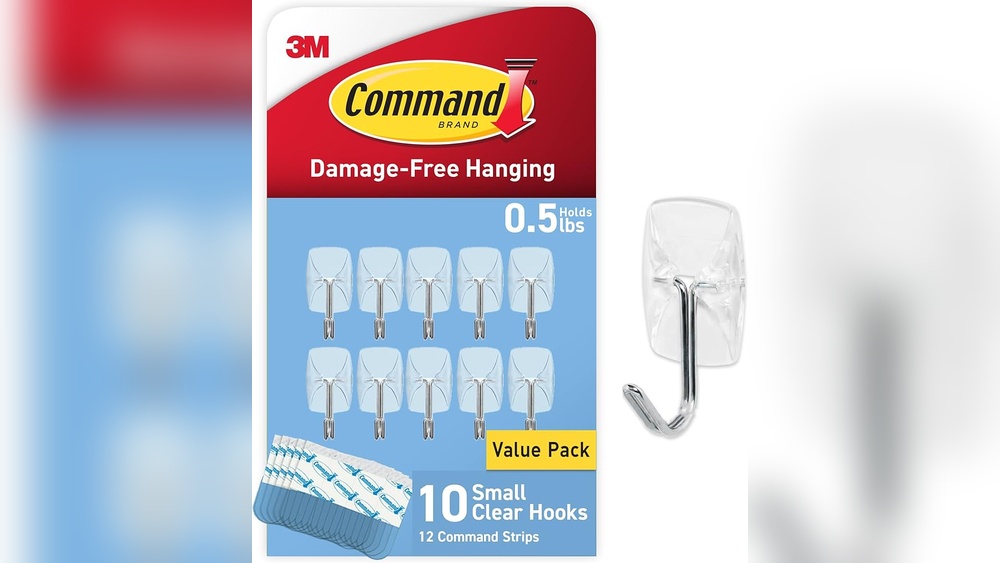
Bike hooks come in different styles. J-hooks hold the bike by the wheel, saving space. Vertical hooks hang the bike by the frame, keeping tires off the wall. Some hooks swivel, allowing easy bike access. Choose a type that fits your space and bike style.
Weight Capacity Considerations
Check the weight limit of the hooks before buying. Your bike should weigh less than the hook’s capacity. Overloading hooks can damage the wall and bike. Always select hooks with a higher weight rating than your bike’s weight.
Material And Durability
Hooks made of steel or heavy-duty metal last longer. These materials resist bending and breaking. Plastic hooks may not support heavy bikes well. Look for rust-resistant coatings to avoid damage over time. Durable hooks protect your bike and your wall.
Credit: smallishhome.com
Selecting The Best Wall Spot
Selecting the best wall spot is a key step before hanging your bike with hooks. The right spot keeps your bike safe and your space tidy. It also makes sure the bike is easy to reach and does not get in the way. Take time to find a wall that fits all these needs well.
Finding Suitable Wall Material
Choose a wall made of strong material like wood or concrete. Drywall alone can’t hold the bike’s weight safely. Look for studs behind the drywall to attach hooks firmly. Use a stud finder to locate these hidden supports. This ensures the hooks stay secure and your bike won’t fall.
Measuring Height And Clearance
Measure the height to hang the bike so it does not touch the floor. Leave enough space above for the bike frame and wheels. Make sure there is room around the bike to avoid bumps. Proper clearance keeps the bike stable and easy to remove.
Avoiding Obstructions
Check the wall area for light switches, shelves, or outlets. Avoid spots near doors or walking paths. Obstructions can cause accidents or damage the bike. Pick a clean, open space for safe and simple storage.
Preparing Tools And Materials
Preparing the right tools and materials is the first step to hang a bike on the wall with hooks. A good setup makes the process faster and safer. Knowing what you need helps avoid interruptions. It also ensures the bike stays secure once hung.
Gathering everything before starting keeps the project smooth. Here are the essentials and safety gear you should have ready.
Essential Tools List
Start with a drill to make holes in the wall. Use a screwdriver to tighten screws into hooks. Get a stud finder to locate solid wall points. A measuring tape helps place hooks evenly. Use a pencil to mark drill spots. Have wall anchors for drywall to hold heavy weight. Use level tools to keep hooks straight. Hooks designed for bikes are a must for strong support.
Safety Gear Recommendations
Wear safety glasses to protect your eyes from dust. Gloves can protect your hands from sharp edges. Ear protection is useful when drilling loud holes. Use a dust mask to avoid inhaling particles. Wear sturdy shoes to protect your feet. Keep a first aid kit nearby for minor cuts. Safety gear keeps you safe and confident during work.
Step-by-step Hook Installation
Hanging a bike on the wall saves space and keeps your area tidy. Installing hooks correctly is key for safety and strength. Follow these simple steps to mount your hooks firmly and hang your bike without worry.
Marking Drill Points
Start by choosing the right spot on the wall. Use a pencil to mark where the hooks will go. Ensure marks align with the bike’s frame size. Measure carefully to balance the bike weight evenly. Double-check the height to keep the bike off the floor.
Drilling And Anchoring
Pick a drill bit that matches your wall anchors. Drill holes at the marked points gently. Insert wall anchors into the holes for a strong hold. Tap them in fully so they fit tight. Anchors prevent hooks from pulling out under weight.
Securing The Hooks
Place the hooks into the anchored holes. Screw them in using a screwdriver or drill. Tighten hooks firmly but avoid over-tightening. Check that each hook feels stable and does not wiggle. Your bike hooks are now ready to hold your bike safely.
Hanging The Bike Safely
Hanging a bike on the wall saves space and keeps it safe. Doing it right protects the bike and your walls. This section explains how to hang a bike safely using hooks. Follow these steps to ensure your bike stays secure and balanced.
Positioning The Bike
Start by choosing the right spot on your wall. Pick a place with enough space for the bike’s length and height. The hooks should be at a height that allows easy lifting and lowering. Place the hooks where the bike’s frame is strongest, usually the top tube. Avoid hanging by the wheels alone; they can get damaged.
Balancing And Stability Tips
Use two hooks spaced apart to hold the bike steady. Make sure the bike sits level on the hooks to prevent falling. Check that the hooks are firmly fixed to wall studs or solid anchors. Test the bike’s balance before letting go. Tighten the hooks if the bike wobbles or slips. This keeps the bike safe and your space tidy.
Space-saving Bike Storage Ideas
Saving space in your home is important, especially with bikes. Hanging bikes on the wall frees floor space and keeps things neat. There are smart ways to use hooks for bike storage. These ideas help you keep your bikes safe and your space organized.
Vertical Vs Horizontal Hanging
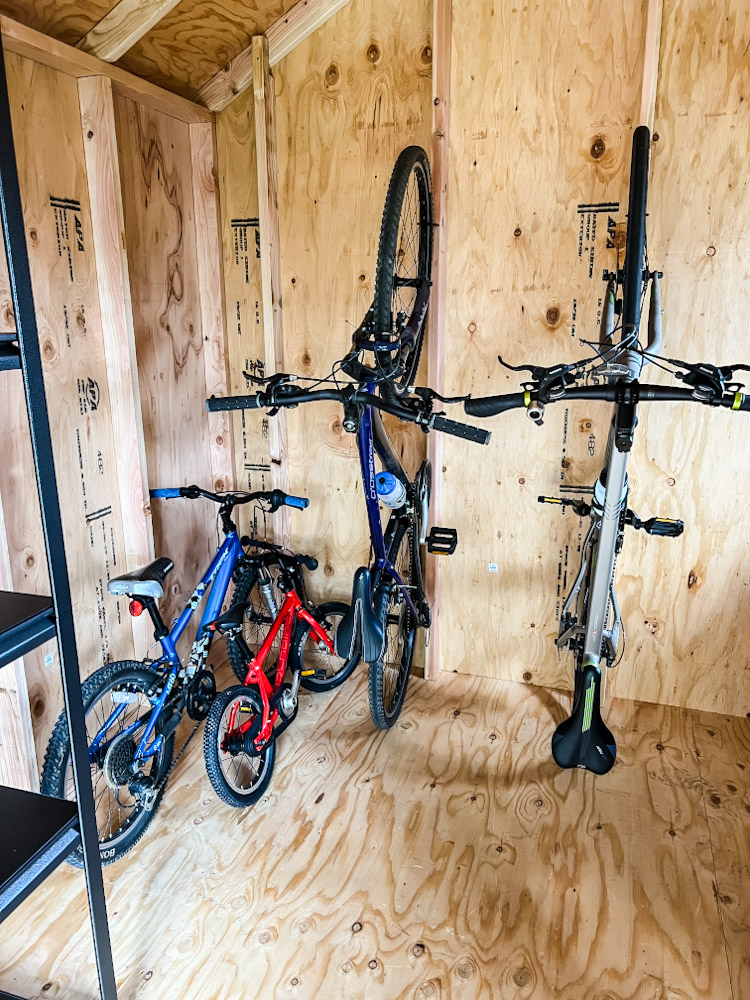
Vertical hanging means hanging the bike by its front wheel. This method saves wall space and works well for small rooms. The bike stands upright against the wall. It is easy to grab and hang.
Horizontal hanging uses two hooks to hold the bike by the frame. This method looks neat and keeps the bike steady. It takes more wall space but can hold heavier bikes better. Choose based on your wall size and bike type.
Using Multiple Hooks
Using more than one hook adds stability. You can hang the bike frame and wheels separately. This reduces pressure on one hook and prevents damage. Multiple hooks also allow hanging more bikes on one wall.
Space between hooks keeps bikes from touching. This avoids scratches and tangling. It’s a practical way to store bikes safely and cleanly.
Combining With Other Storage Solutions
Combine hooks with shelves or baskets. Store helmets, gloves, and tools nearby. This keeps all bike gear in one place. It saves even more space and keeps things tidy.
Hooks can work with ceiling racks or floor stands. Use the best mix for your room size. This helps create a bike storage area that fits your needs perfectly.
Maintaining Your Wall-hung Bike
Hanging a bike on the wall saves space and keeps your bike safe. Proper maintenance ensures the hooks and bike stay in good shape. Regular checks help avoid damage and keep the bike secure. Protecting both the bike and the wall extends their life and keeps your home tidy.
Regular Hook Inspection
Check the hooks every few weeks. Look for signs of wear or bending. Tighten any loose screws or bolts. Replace hooks if they show cracks or rust. Make sure the hooks hold the bike firmly. Regular inspection prevents accidents and protects your bike.
Protecting Bike And Wall Surfaces
Use soft covers or foam on hooks to avoid scratches. Place felt pads on the wall behind the hooks. Clean the bike before hanging to reduce dirt buildup. Avoid hanging the bike by delicate parts like the wheels. These steps keep the bike and wall looking good for years.

Credit: www.wikihow.com

Credit: www.wikihow.com
Frequently Asked Questions
How Do You Choose The Right Hooks For Hanging A Bike?
Choose hooks rated for your bike’s weight. Opt for padded or coated hooks to avoid frame scratches. Ensure hooks fit your wall type, like drywall or concrete, for secure mounting.
Where Should I Install Bike Hooks On The Wall?
Install hooks at a height that keeps the bike off the floor. Position hooks near studs for strong support. Leave enough space for easy bike access and clearance.
Can I Hang Any Bike With Wall Hooks?
Most bikes, including road, mountain, and hybrid, can hang on wall hooks. Ensure the hooks accommodate your bike’s frame size and weight. Avoid hooks that contact delicate parts like derailleurs.
How Do I Protect My Bike Frame From Hook Damage?
Use hooks with rubber or foam padding to prevent scratches. Alternatively, wrap the frame area with cloth or tape before hanging. Regularly check the padding’s condition to maintain protection.
Conclusion
Hanging a bike on the wall saves space and keeps it safe. Choose strong hooks and find sturdy wall studs first. Measure carefully to hang the bike evenly and avoid damage. This simple method keeps your bike off the floor and out of the way.
You can organize your space better and find your bike easily. With a little effort, your room will look neat and tidy. Try these steps to make bike storage easy and effective.