Want to add extra security to your home? Installing a deadbolt on your door is one of the best ways to protect what matters most.
But drilling the perfect hole for your deadbolt can feel tricky if you’ve never done it before. Don’t worry—you’re not alone, and this guide will walk you through every step. By the end, you’ll have the confidence and know-how to drill your door like a pro, making your home safer in no time.
Ready to get started? Let’s dive in!
Tools And Materials Needed
Drilling a door for a deadbolt requires the right tools and materials. Using proper equipment makes the job easier and ensures a clean, secure fit. Gather all necessary items before starting. This saves time and avoids mistakes.
Essential Drill Bits
Choose drill bits designed for wood or metal, based on your door type. A hole saw bit is needed for the large hole where the lock sits. Use a spade bit or auger bit for the smaller bolt hole. Sharp, high-quality bits create smooth holes without splintering.
Measuring Tools
Accurate measurements prevent errors. Use a tape measure to find the correct height for the deadbolt. A combination square helps mark straight lines on the door. Mark the drill points clearly with a pencil for precise drilling.
Safety Gear
Protect your eyes with safety goggles during drilling. Wear gloves to avoid splinters and sharp edges. Ear protection helps reduce loud noise from the drill. Safety gear keeps you safe and comfortable throughout the project.
Preparing The Door
Preparing the door is the first step before drilling for a deadbolt. This step ensures accuracy and safety during installation. Taking time to prepare helps avoid mistakes and damage to the door.
Marking Drill Points
Start by marking where you will drill holes for the deadbolt. Use a pencil and ruler for precise marks. Measure the height from the floor; 6 to 7 feet is common. Mark the center point on the edge of the door for the latch hole. Then, mark the face hole on the door surface. Double-check all marks for accuracy before drilling.
Checking Door Thickness
Measure the door thickness with a tape measure. Most doors are 1 3/8 to 1 3/4 inches thick. Deadbolt kits specify the thickness they fit. Confirm your door matches the deadbolt size. If the door is too thin or thick, the deadbolt may not fit properly. Adjust your plan if needed.
Positioning The Deadbolt
Place the deadbolt template on the door using your marks. Align it carefully for a straight fit. The latch should sit flush with the door edge. Make sure the bolt extends fully into the door frame. Positioning correctly helps the deadbolt work smoothly and securely.
Drilling The Face Bore
Drilling the face bore is a key step when installing a deadbolt on a door. This hole allows the lock mechanism to fit properly into the door. Getting this part right ensures the deadbolt works smoothly and fits tight. Careful drilling prevents damage to the door and lock.
Choosing The Right Hole Size
Pick a hole size that matches your deadbolt. Most deadbolts need a 2 1/8 inch hole. Check the lock package for exact measurements. Using the wrong size can cause the lock to fit loosely or not fit at all. Measure twice before drilling.
Using A Hole Saw Bit
A hole saw bit is best for drilling the face bore. It creates a clean round hole quickly. Attach it to your drill and secure the door. Start drilling slowly to keep control. Increase speed as the bit cuts through the wood. Keep the drill straight to avoid angled holes.
Drilling Clean Holes
Clean holes help the lock fit well. Use masking tape on the door where you drill to reduce splintering. Drill halfway through one side, then finish from the other side. This method stops wood from tearing. After drilling, smooth edges with sandpaper for a neat finish.

Credit: www.youtube.com
Drilling The Edge Bore
Drilling the edge bore is a crucial step when installing a deadbolt. This hole allows the latch to sit flush in the door’s edge. Proper drilling ensures the deadbolt works smoothly and fits securely. Take your time and follow each step carefully for the best results.
Aligning The Drill
Begin by marking the exact spot on the door’s edge. Use a pencil and the deadbolt template if available. Hold the drill perpendicular to the door’s edge to avoid angled holes. Keep the drill steady and aligned to prevent mistakes. Proper alignment makes the latch fit perfectly.
Drilling The Latch Hole
Select a hole saw bit that matches the latch size. Drill slowly at first to create a guide hole. Then increase speed while maintaining control. Drill all the way through the door edge until the hole is clean. Avoid forcing the drill to prevent splintering the wood.
Smoothing The Edges
Use sandpaper or a wood file to smooth the drilled hole. Remove rough edges and splinters carefully. Smooth edges help the latch move in and out easily. Check the hole size and shape after sanding. The latch should fit snugly without resistance.
Installing The Deadbolt
Installing the deadbolt is a key step in securing your door. This process ensures the lock fits properly and works smoothly. Follow each part carefully to avoid mistakes and keep your home safe.
Fitting The Latch Mechanism
Start by inserting the latch into the hole on the door edge. The latch should fit snugly without forcing it. Make sure the slanted side of the latch faces the door frame. This allows the bolt to slide in and out easily.
Check the latch alignment with the strike plate on the door frame. Adjust if needed to ensure smooth locking and unlocking. A well-fitted latch improves security and prevents damage.
Securing With Screws
Use the screws provided with your deadbolt kit to secure the latch. Tighten the screws firmly but avoid over-tightening. Over-tightening can strip the screw holes or damage the latch.
Next, attach the exterior and interior parts of the deadbolt. Align them carefully over the latch mechanism. Insert and tighten screws to hold both parts firmly in place.
Testing The Deadbolt Function
Turn the key or thumb turn to test the deadbolt. It should move smoothly without sticking or jamming. Check both locking and unlocking actions.
Close the door and try locking from the inside and outside. Confirm the bolt extends fully into the strike plate. This test ensures your deadbolt works correctly and secures your door well.
Common Mistakes To Avoid
Drilling a door for a deadbolt may seem easy, but many make avoidable mistakes. These errors can cause poor fitting or damage to the door. Knowing common pitfalls helps you work faster and cleaner. Avoid these mistakes to ensure your deadbolt fits perfectly and works well.
Misaligned Holes
Drilling holes that don’t line up is a frequent mistake. This causes the deadbolt to jam or not fit. Mark the hole positions carefully using a template. Double-check measurements before drilling. Small errors can make the lock useless or hard to install.
Incorrect Hole Sizes
Using the wrong drill bit size leads to holes too big or small. A hole too large weakens the door and lock. A hole too small stops the deadbolt from fitting. Always measure the lock parts and choose the correct bit size. Drill slowly to avoid mistakes.
Ignoring Safety Precautions
Many rush and forget safety rules. This can cause injury or damage. Wear safety glasses to protect your eyes from wood chips. Use clamps to hold the door steady while drilling. Keep your hands away from the drill bit. Working carefully prevents accidents.
Tips For Enhanced Security
Enhancing the security of a door with a deadbolt is more than just drilling a hole. It involves steps that make the lock and door stronger. These tips help protect your home better and keep unwanted visitors out.
Reinforcing Door Frame
A strong door frame stops the door from breaking easily. Use longer screws to secure the strike plate deep into the wall stud. Add a metal plate around the lock area for extra strength. This makes it harder for someone to force the door open.
Choosing High-quality Deadbolts
Select deadbolts made from solid metal with a high security rating. Look for deadbolts with a hardened steel bolt that resists cutting or sawing. Pick a lock with a pick-resistant cylinder to slow down lock picking attempts. A good deadbolt adds a strong layer of protection.
Regular Maintenance
Check your deadbolt regularly for smooth operation. Clean the lock to remove dust and dirt that can cause jams. Lubricate moving parts with graphite or silicone spray to keep them working well. Tighten any loose screws on the lock and door frame. Regular care keeps the deadbolt reliable and secure.

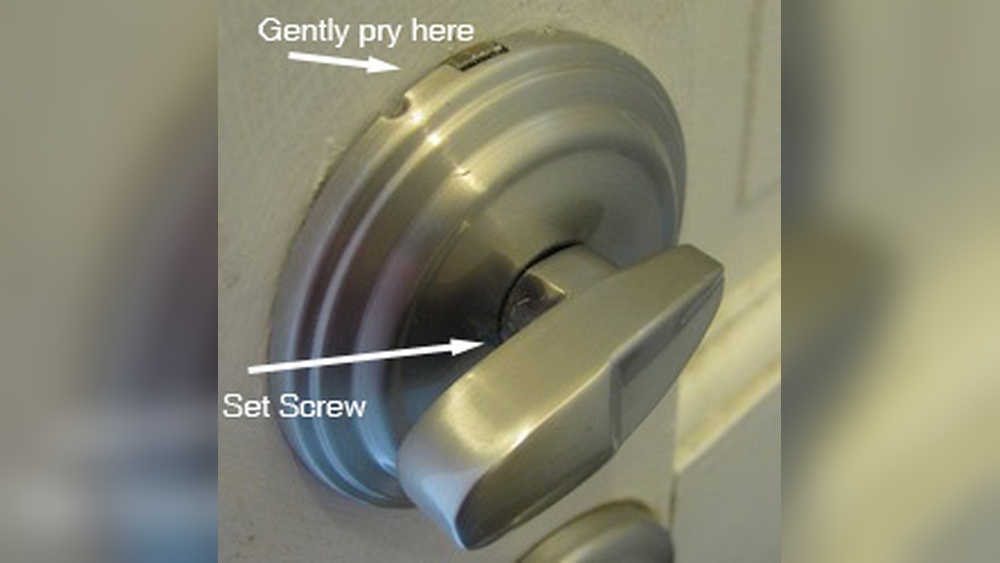
Credit: doorcorner.wordpress.com

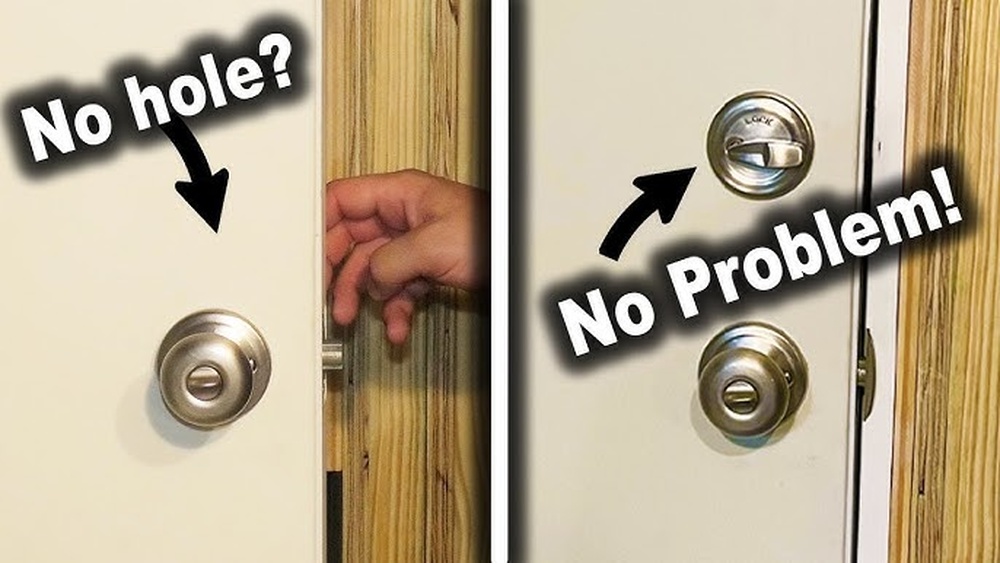
Credit: www.familyhandyman.com
Frequently Asked Questions
How Do You Measure Door For Deadbolt Drilling?
Measure the door thickness and mark the deadbolt height. Use a template or ruler to mark precise drill points. Accurate measurements ensure proper alignment and secure installation of the deadbolt lock on your door.
What Drill Bit Size Is Needed For Deadbolt?
Use a 2-1/8 inch hole saw bit for the main bore. For the latch, use a 1-inch spade bit. These sizes fit most standard deadbolts, ensuring a snug and secure installation.
How Deep Should I Drill For A Deadbolt?
Drill through the entire door thickness for the main hole. For the latch bore, drill 1 inch deep into the door edge. Proper depth is key for correct deadbolt function and security.
Can I Drill A Deadbolt On Any Door Type?
Deadbolts can be installed on wooden, metal, or fiberglass doors. Ensure your drill bits are suitable for the door material. Check door thickness and structure before drilling.
Conclusion
Drilling a door for a deadbolt can feel tricky but is doable. Follow the steps carefully and take your time. Use the right tools and measure twice before drilling. This helps avoid mistakes and keeps your door strong. A properly installed deadbolt adds safety to your home.
Stay patient and work slowly for the best results. You will feel proud once your new lock works well. Keep this guide handy for future door projects. Simple tasks like this can build your confidence with home repairs.