Have you ever faced the frustration of a stuck deadbolt just when you needed to get inside quickly? It’s a common problem that can leave you feeling stuck and worried about your home’s security.
But don’t worry—you don’t need to call a locksmith right away. In this guide, you’ll discover simple, effective steps to fix your stuck deadbolt yourself. Imagine saving time, money, and avoiding stress by tackling this issue with confidence. Keep reading, and you’ll learn exactly how to get your deadbolt working smoothly again.
Credit: www.theprolock.com
Common Causes Of Stuck Deadbolts
Stuck deadbolts often cause frustration and delay. Understanding why a deadbolt gets stuck helps fix it quickly. Several common issues lead to a deadbolt jamming or not turning smoothly. Identifying these problems is the first step in solving them.
Misalignment Issues
Deadbolts can get stuck if the door and frame do not line up. This happens when the door sags or the frame shifts. The bolt may hit the strike plate or miss it entirely. Small changes in alignment stop the deadbolt from moving freely.
Rust And Dirt Buildup
Dirt and rust inside the lock can block its parts. Dust, grime, and moisture cause the metal to corrode. This buildup makes the deadbolt hard to turn or stuck in place. Regular cleaning prevents dirt and rust from causing problems.
Worn Or Damaged Components
Over time, parts inside the deadbolt wear down or break. Springs, pins, or the bolt itself can get damaged. Worn parts do not work smoothly and cause the lock to jam. Replacing damaged components restores proper function.
Temperature And Weather Effects
Cold weather can cause the deadbolt to freeze or swell. Moisture can freeze inside the lock, stopping movement. Heat may cause metal parts to expand or warp. Weather changes affect the lock’s performance and cause sticking.

Credit: www.reddit.com
Tools You’ll Need
Fixing a stuck deadbolt requires the right tools. Having these tools ready makes the job easier and faster. This section lists the basic tools you need to get started.
Lubricants And Cleaners
Lubricants help the deadbolt move smoothly. Use graphite powder or silicone spray. Avoid oily lubricants that attract dirt. Cleaners remove dust and grime. A simple household cleaner or rubbing alcohol works well.
Basic Hand Tools
A screwdriver set is essential. Most deadbolts need a Phillips or flathead screwdriver. Pliers help pull out stuck parts. A small hammer can gently tap stuck pieces loose. Keep a flashlight nearby to see inside the lock.
Replacement Parts
Sometimes parts wear out or break. Keep extra screws, a new deadbolt latch, or a replacement cylinder handy. Check your deadbolt model before buying parts. Proper parts ensure the lock works like new.
Step-by-step Fixes
Fixing a stuck deadbolt can be simple with the right steps. Follow this guide to make your lock work smoothly again. Each step targets common problems that cause deadbolts to jam.
Take your time and check each part carefully. Small fixes often solve the issue fast.
Lubricate The Deadbolt
Start by applying a lubricant designed for locks. Spray inside the keyhole and on the bolt. Avoid using oil-based lubricants that attract dirt.
Work the key in and out several times. This spreads the lubricant and loosens stuck parts.
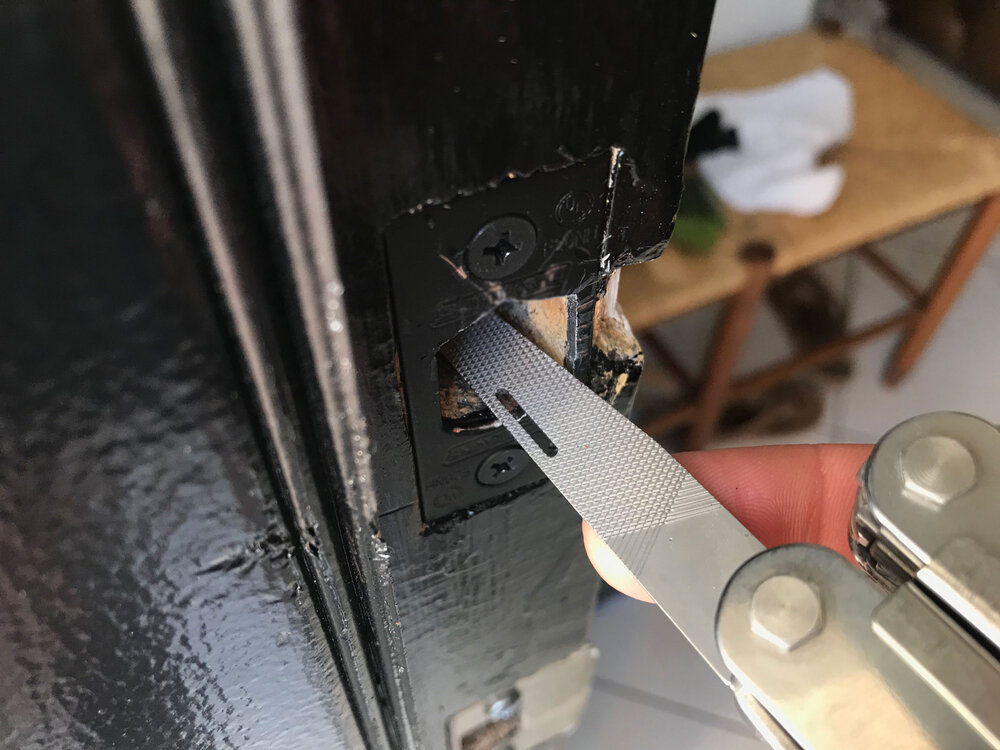
Realign The Strike Plate
Check if the bolt hits the strike plate correctly. Misalignment stops the bolt from moving.
Loosen the screws holding the strike plate. Move it slightly up, down, or sideways. Tighten the screws and test the deadbolt again.
Tighten Loose Screws
Loose screws can cause the lock to shift and jam. Use a screwdriver to tighten all screws on the lock and door handle.
Focus on screws around the deadbolt mechanism and strike plate. Make sure everything feels firm and secure.
Replace Damaged Parts
Look for parts that are broken or worn out. This can include the bolt, strike plate, or cylinder.
Order replacement parts that match your lock model. Remove the damaged parts carefully and install the new ones. Test the deadbolt after replacement to ensure smooth operation.
Preventive Maintenance Tips
Preventive maintenance helps keep your deadbolt working smoothly. It stops issues before they start. Small steps can save you from a stuck lock and costly repairs.
Regular Cleaning
Dust and dirt build up inside the deadbolt over time. Clean the lock every few months. Use a soft brush or cloth to remove grime. Avoid harsh chemicals that can damage the parts. Clean both the keyhole and the bolt area.
Seasonal Adjustments
Weather changes can affect your deadbolt’s fit. Wood doors may swell in humid weather. Metal parts can contract in cold seasons. Check the lock during spring and fall. Tighten screws and adjust the strike plate if needed. This keeps the bolt sliding easily.
Proper Usage Habits
Use the key gently to avoid bending it. Turn the key slowly instead of forcing it. Always close the door fully before locking. Avoid slamming the door, which can misalign the lock. Teaching family members good habits helps prevent damage.
When To Call A Professional
Knowing when to call a professional is important for fixing a stuck deadbolt. Some problems need expert help. Trying to fix these issues alone can cause more damage or create security risks. Professionals have the skills and tools to handle tough situations safely and quickly.
Complex Repairs
Some deadbolt issues are too tricky for basic fixes. Internal parts may be broken or worn out. Repairing these requires experience and special tools. A professional locksmith can identify the exact problem and fix it correctly. This prevents future trouble and saves money on replacements.
Security Concerns
Deadbolts protect your home. A stuck lock can mean weak security. If you feel unsafe or notice signs of forced entry, call a locksmith. Professionals ensure your lock works well and keeps intruders out. They can also suggest better locks to improve safety.
Lack Of Proper Tools
Fixing a deadbolt needs the right tools. Without them, repairs may fail or damage the lock. Professionals come prepared with all necessary equipment. They work faster and avoid mistakes. Calling a locksmith saves time and hassle, especially if you lack tools.

Credit: www.reddit.com
Frequently Asked Questions
Why Is My Deadbolt Stuck And Not Turning?
A deadbolt can get stuck due to dirt, rust, or misalignment. Lubricate the lock with graphite powder and check for any mechanical blockages. If the door or frame is swollen, adjust hinges or sand edges to ease the bolt movement.
How Can I Lubricate A Stuck Deadbolt Properly?
Use graphite powder or a silicone-based lubricant for deadbolts. Avoid oil sprays as they attract dirt. Apply a small amount into the keyhole and bolt mechanism, then turn the key several times to distribute the lubricant evenly.
Can Temperature Changes Cause Deadbolt Problems?
Yes, extreme cold or heat can cause door and frame materials to expand or contract. This can misalign the deadbolt, causing it to stick. Adjusting the door or frame or lubricating the lock often resolves this issue.
What Tools Are Needed To Fix A Stuck Deadbolt?
Basic tools like a screwdriver, lubricant (graphite powder), and possibly sandpaper or a hammer may be required. These help in loosening screws, lubricating the lock, and adjusting the door or frame for smooth deadbolt operation.
Conclusion
Fixing a stuck deadbolt can save time and money. Start by cleaning and lubricating the lock. Check the alignment of the door and strike plate. Tighten any loose screws you find. Test the lock after each step. Small fixes often solve the problem quickly.
Keep tools handy for future issues. A working deadbolt keeps your home safe. Taking simple steps helps avoid calling a locksmith. Stay patient and follow each step carefully. Your door will work smoothly again soon.