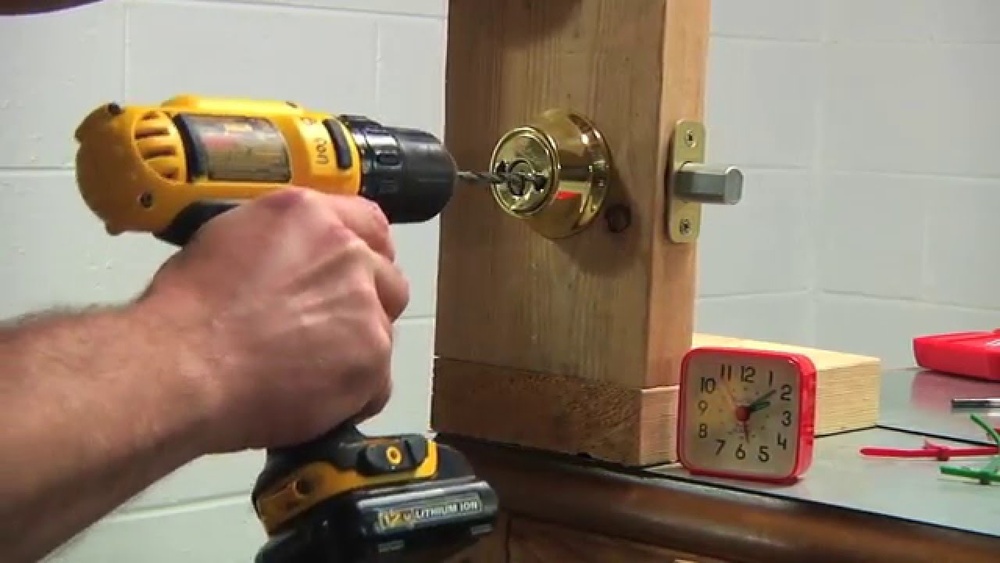
Have you noticed ugly chemical stains ruining your deadbolt lock? These stubborn marks not only spoil the look of your door but can also make your lock harder to use.
You don’t have to live with those stains or rush to replace the entire lock. With the right steps, you can restore your deadbolt’s appearance and keep it working smoothly. Keep reading to discover simple, effective ways to remove chemical stains from your deadbolt lock and bring it back to life.
Identify The Stain Type
Identifying the type of chemical stain on your deadbolt lock is the first step to removing it effectively. Different chemicals react differently with lock materials. Knowing the stain type helps you choose the right cleaning method. This avoids damage and saves time.
Common Chemicals On Locks
Locks can get stained by many chemicals. Household cleaners like bleach and ammonia often cause stains. Rust and mineral deposits also appear on locks. Sometimes, paint or adhesives leave marks. Identifying the exact chemical helps in choosing the right remover.
Effects On Different Materials
Deadbolt locks come in various materials like brass, steel, and zinc. Chemicals affect these materials differently. Bleach can corrode steel but may only discolor brass. Rust forms mainly on iron and steel locks. Some cleaners might dull the lock’s finish. Knowing the material prevents using harsh cleaners that cause damage.

Credit: www.lowes.com
Gather Cleaning Supplies
Gathering the right supplies is the first step to remove chemical stains from a deadbolt lock. Using proper tools and cleaners makes the task easier and safer. Preparation helps avoid damage to the lock and ensures better cleaning results.
Focus on safe cleaning agents and protective gear. These choices protect both the lock and you during the cleaning process.
Safe Cleaning Agents
Choose mild cleaners that will not harm the metal or finish of the deadbolt. White vinegar is a good option. It breaks down stains without harsh chemicals. Baking soda mixed with water forms a gentle paste. This paste helps scrub off tough stains without scratching.
Rubbing alcohol can also remove chemical residues safely. Avoid bleach or strong acids. These can damage the lock’s surface and cause corrosion. Stick to mild, natural cleaners for best results.
Protective Gear Needed
Wear gloves to protect your skin from cleaning agents. Some substances can irritate or dry out your hands. Safety goggles keep your eyes safe from splashes or dust. A mask helps prevent inhaling fumes from cleaners.
Use old clothes or an apron to avoid stains on your clothes. Prepare your workspace with good ventilation. This reduces risk from any fumes during cleaning.
Prepare The Lock For Cleaning
Preparing the deadbolt lock for cleaning is an important first step. This helps make the cleaning process easier and safer. Proper preparation protects the lock and nearby surfaces from damage. It also allows better access to the stained areas.
Remove The Lock If Possible
Take off the deadbolt lock if you can. Removing the lock gives you full access to all stained parts. Use a screwdriver to unscrew the lock carefully. Keep the screws in a safe place so you don’t lose them. Cleaning the lock outside avoids damage to the door. It also helps prevent harsh chemicals from harming the door finish.
Protect Surrounding Areas
Cover the door and nearby surfaces with tape or plastic sheets. This stops chemicals from spilling onto unwanted areas. Use painter’s tape to avoid leaving sticky marks. Protect areas around the lock, including the door frame and wall. Wear gloves and work in a well-ventilated space for safety.
Apply Cleaning Methods
Applying the right cleaning methods is key to removing chemical stains from a deadbolt lock. Using safe and effective techniques protects the lock’s finish. It also helps restore the lock’s original look. Clean gently to avoid damage. Choose the method that fits your stain type and lock material.
Using Vinegar And Baking Soda
Vinegar and baking soda form a natural cleaning duo. Mix a small amount of baking soda with vinegar to create a paste. Apply the paste to the stained area. Let it sit for about 10 minutes. The mixture breaks down tough stains without harsh chemicals. Wipe off the paste with a damp cloth. Dry the lock completely to stop rust.
Applying Commercial Stain Removers
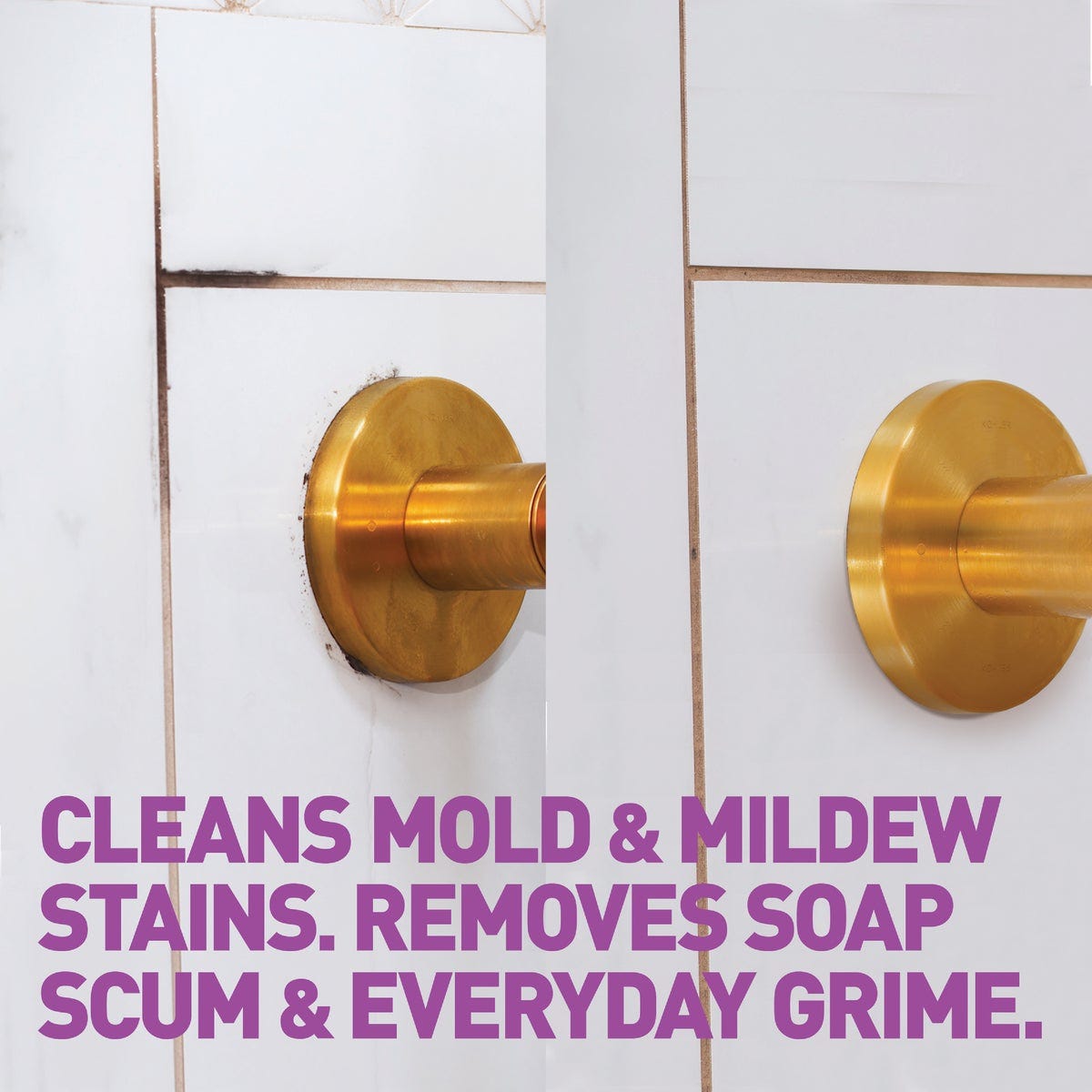
Commercial stain removers can be effective on stubborn chemical stains. Choose a product safe for metal surfaces. Follow the instructions on the label carefully. Apply the remover with a soft cloth or sponge. Allow the product to work for the recommended time. Then, rinse or wipe off the residue thoroughly. Always test the remover on a small area first.
Gentle Scrubbing Techniques
Scrubbing helps remove stains but must be gentle. Use a soft-bristle brush or an old toothbrush. Avoid metal brushes that can scratch the lock. Scrub lightly in circular motions. Focus on stained spots without applying too much pressure. After scrubbing, clean the area with a damp cloth. Dry the lock well to prevent moisture damage.
Rinse And Dry Thoroughly
Rinsing and drying your deadbolt lock after removing chemical stains is crucial. It helps stop further damage and keeps the lock working well. Water and chemicals left on the lock can cause rust and corrosion. Proper rinsing removes all chemical traces. Thorough drying stops moisture from harming the metal parts.
Avoiding Water Damage
Do not soak the lock in water. Use a damp cloth or gentle spray to rinse chemicals off. Avoid spraying water directly into the keyhole or lock mechanism. Water trapped inside can cause rust and freezing in cold weather. Protect the lock’s internal parts by controlling water exposure carefully.
Proper Drying Methods
After rinsing, dry the lock quickly and well. Use a soft, dry cloth to wipe all surfaces. Air drying is good, but avoid leaving the lock wet for long. Use a hairdryer on low heat if needed. Make sure no moisture stays inside the lock. This keeps the lock safe from rust and keeps it working smoothly.
Prevent Future Stains
Preventing chemical stains on your deadbolt lock saves time and effort. Taking simple steps protects the lock from damage and keeps it looking good. Small habits can stop stains before they start.
Regular Maintenance Tips
Clean the lock regularly with a soft cloth. Avoid harsh chemicals that can cause stains or corrosion. Use mild soap and water to wipe away dirt and grime. Dry the lock completely after cleaning to stop moisture damage. Check the lock for any signs of wear or stains often. Early care helps keep your lock working well longer.
Protective Coatings For Locks
Apply a clear protective coating to the lock surface. This layer blocks chemicals from reaching the metal. Choose a coating designed for metal locks and outdoor use. Follow the instructions to apply it evenly and let it dry fully. Reapply the coating every few months for best results. Protective coatings help keep your deadbolt stain-free and strong.
When To Seek Professional Help
Sometimes, trying to fix a chemical stain on a deadbolt lock is not enough. The damage might be beyond simple cleaning. In these cases, calling a professional is the safest choice. A locksmith has the right tools and knowledge to handle tough problems. Knowing when to seek help can save time and prevent further damage.
Signs Of Irreversible Damage
Look for signs that show the lock is beyond repair. Rust that eats through metal is a big problem. If the lock does not turn or is stuck, it may be damaged inside. Broken parts or a loose lock also point to serious damage. Chemical stains that have corroded the surface deeply cannot be cleaned easily. These signs mean it is time to get expert help.
Choosing A Locksmith
Pick a locksmith with good reviews and experience in lock repairs. Ask if they have worked on chemical damage before. A skilled locksmith will check the lock carefully and give honest advice. Confirm their pricing and services upfront to avoid surprises. Choose someone who is licensed and insured for safety. The right locksmith can restore your lock or suggest a replacement.

Credit: www.andersonlumbercompany.com
Credit: www.doitbest.com
Frequently Asked Questions
How Do I Safely Clean Chemical Stains From A Deadbolt Lock?
Use a mild soap solution and a soft cloth to clean the stain gently. Avoid harsh chemicals that can damage the lock. Rinse with water and dry thoroughly to prevent rust.
What Household Items Remove Chemical Stains On Locks?
Baking soda paste or white vinegar can effectively remove chemical stains. Apply gently with a cloth, then rinse and dry the lock to protect its finish.
Can I Use Wd-40 To Clean Chemical Stains On Deadbolts?
Yes, WD-40 can help loosen and clean chemical stains on metal locks. Spray lightly, wipe with a cloth, and avoid excessive use to prevent damage.
How To Prevent Chemical Stains On Deadbolt Locks?
Apply a protective clear coat or lock lubricant regularly. Avoid exposing locks to harsh chemicals, and clean spills immediately to prevent staining and corrosion.
Conclusion
Chemical stains on a deadbolt lock can be tricky to remove. Use gentle cleaners and soft cloths for best results. Avoid harsh chemicals that may damage the lock further. Regular cleaning helps keep the lock looking good and working well.
Remember, patience is key to removing tough stains. Taking simple steps will protect your lock and extend its life. Clean locks not only look better but also work smoothly. Keep your home secure and your locks clean with easy care.