Installing a deadbolt on your new door is one of the smartest ways to boost your home’s security. But if you’ve never done it before, the process might seem tricky or overwhelming.
Don’t worry—you’re about to learn a simple, step-by-step method that anyone can follow. By the end of this guide, you’ll have a strong, reliable lock protecting your home, giving you peace of mind every time you close the door. Ready to make your home safer?
Let’s get started!
Tools And Materials Needed
Installing a deadbolt on a new door requires specific tools and materials. Having everything ready makes the job easier and faster. Below is a list of essential items needed to complete the installation properly.
Tools Needed
A power drill is key to drilling holes quickly and cleanly. Choose one with adjustable speed for better control.
A hole saw bit is required to cut the large hole for the deadbolt. Match the size to your lock’s instructions.
A spade bit or auger bit is useful for drilling the smaller hole for the latch bolt.
A screwdriver helps to secure screws firmly in place. A Phillips head is most common for deadbolts.
A tape measure ensures accurate placement of holes and proper alignment.
A pencil is necessary to mark drill points on the door and frame.
A chisel and hammer help adjust the door frame to fit the strike plate smoothly.
Materials Needed
The deadbolt lock set includes the lock cylinder, latch, strike plate, and all mounting hardware.
Wood screws come with most lock kits. Use them to attach the lock and strike plate securely.
Wood filler can fix any minor mistakes or gaps after drilling.
Sandpaper smooths the filled areas for a clean finish.
Optional: A door reinforcement plate adds extra strength around the deadbolt area.
Credit: www.youtube.com
Choosing The Right Deadbolt
Choosing the right deadbolt is important for door security. A good deadbolt keeps your home safe from intruders. It also adds peace of mind. Picking the best type depends on your needs and door type.
Different deadbolts offer different levels of security. Some are easier to install than others. Some work better with new doors. Understanding the options helps you make the best choice.
Types Of Deadbolts
Single-cylinder deadbolts use a key outside and a thumb turn inside. They are common and easy to use. Double-cylinder deadbolts need a key on both sides. They add extra security but can be tricky in emergencies.
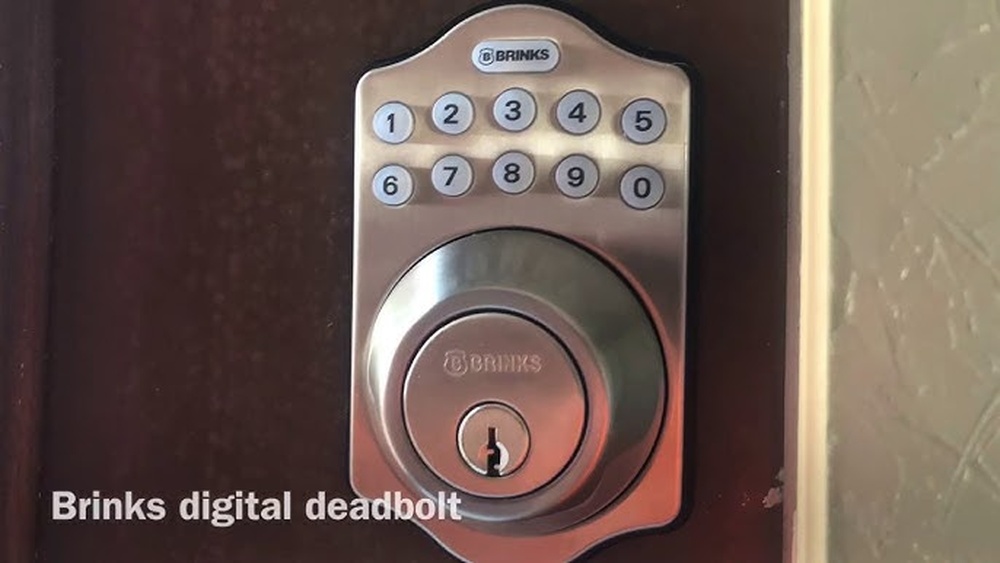
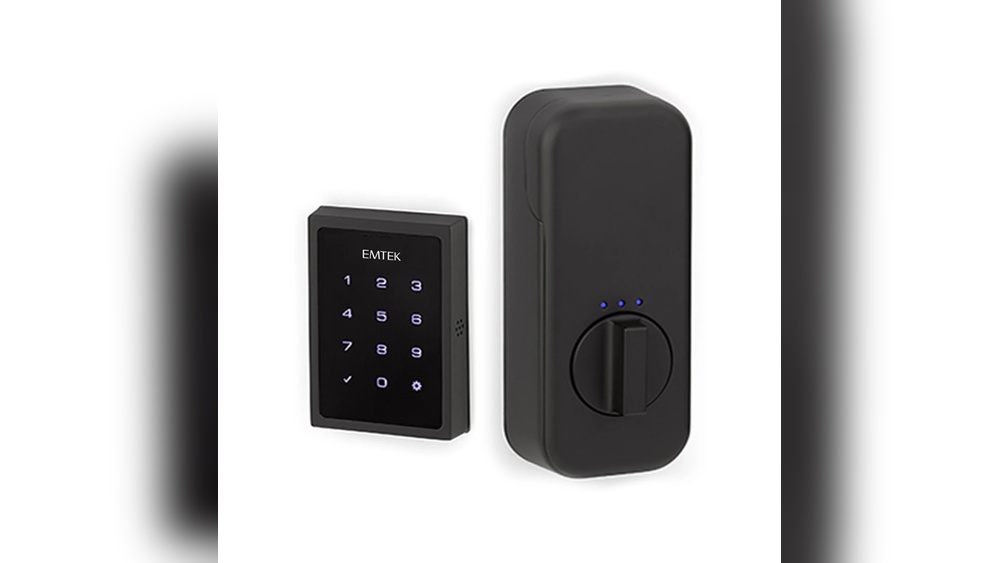
There are also electronic deadbolts. They use codes or keypads. No physical key is needed. These are good for people who lose keys often.
Material And Build Quality
Strong materials make deadbolts hard to break. Look for steel or solid brass. Avoid cheap metals that bend easily. A good deadbolt should feel heavy and sturdy in your hand.
Check for a hardened steel bolt. It resists sawing and drilling. Quality also means the lock parts fit well. Loose parts can fail quickly.
Size And Door Compatibility
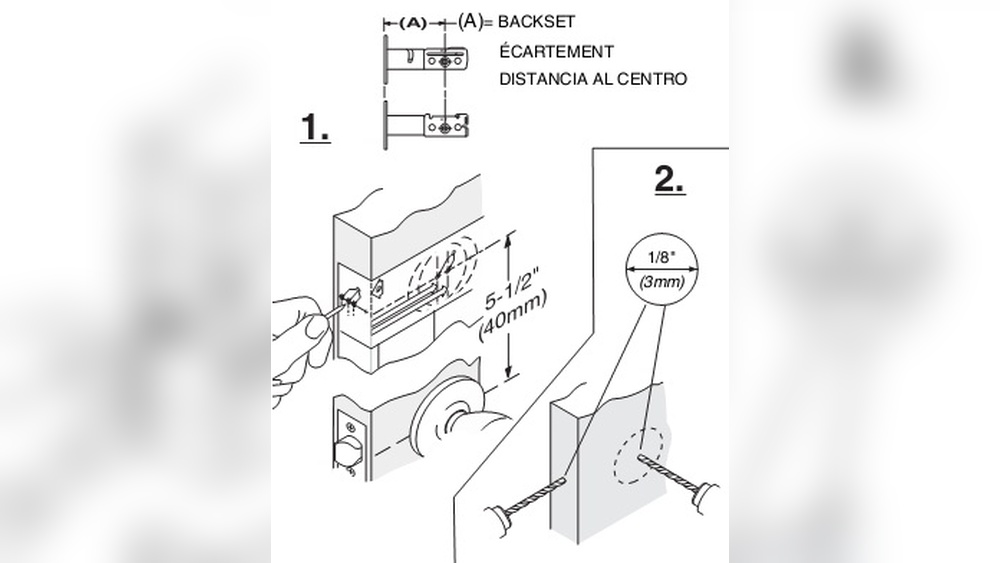
Measure your door thickness before buying. Most deadbolts fit doors 1 3/8 to 1 3/4 inches thick. For thicker doors, find special models. Also, check the backset, the distance from door edge to hole center.
Not all deadbolts fit every door type. Some are better for metal doors. Others work well on wooden doors. Choose one that matches your door for easy installation.
Preparing The Door
Preparing the door is the first step to install a deadbolt correctly. This stage sets the foundation for a secure and smooth installation. Proper preparation ensures the deadbolt fits well and works without problems.
Take your time to measure and mark the door accurately. Precise markings help avoid mistakes during drilling. Using the right tools and following clear steps will make the process easier and safer.
Marking The Deadbolt Position
Begin by deciding the height for the deadbolt on the door. Usually, it is about 6 to 12 inches above the doorknob. Use a tape measure to find the exact spot. Mark the center point on the edge of the door for the bolt.
Next, mark the position on the face of the door where the lock cylinder will go. Use the deadbolt template or the actual lock as a guide. Draw a clear circle or outline where you will drill. Double-check your marks before proceeding.
Drilling The Hole
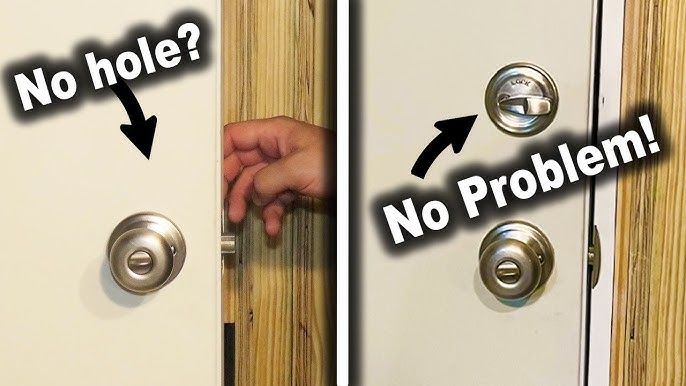
Select a drill bit that matches the size of the deadbolt hole. Start drilling the hole on the face of the door. Drill slowly to keep the hole clean and straight. Stop when the hole goes through the door completely.
Then, drill the smaller hole on the door edge for the bolt. Make sure this hole lines up perfectly with the larger hole. Clean any wood chips or splinters from the holes. A smooth hole helps the deadbolt fit and operate well.
Credit: www.youtube.com
Installing The Deadbolt Mechanism
Installing the deadbolt mechanism is a key step in securing your new door. This process fits the lock parts inside the door. Proper installation ensures the deadbolt works smoothly and keeps your home safe.
Careful handling and following each step will make the task easier. Keep all pieces organized and ready before you start.
Inserting The Deadbolt
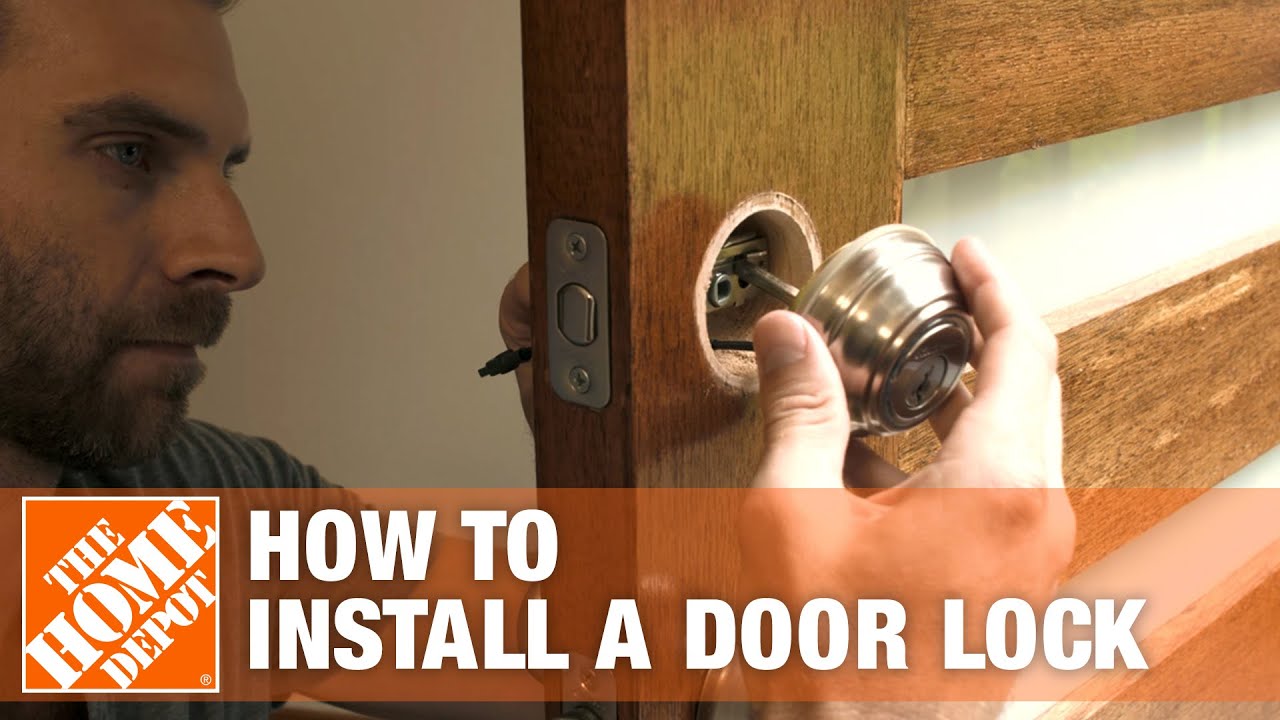
Begin by sliding the deadbolt into the edge of the door. Make sure the bolt faces the right direction, with the slanted side pointing away from the door frame. Push it in until it fits snugly.
Check that the bolt moves freely by turning it a few times. This prevents sticking later. Secure the deadbolt with screws through the pre-drilled holes on the door edge. Tighten them evenly to avoid misalignment.
Attaching The Exterior Plate
Next, position the exterior plate on the outside of the door. Align it with the deadbolt and screw holes. The plate should sit flush against the door surface.
Insert screws and tighten them carefully. Avoid overtightening to prevent cracking the door or damaging the plate. Make sure the keyhole lines up perfectly with the deadbolt.
Securing The Interior Components
Securing the interior components of your deadbolt is a crucial step. It ensures the lock works smoothly and stays firmly attached. You will focus on two main parts: the interior plate and the thumb turn. Both must fit properly for the deadbolt to function well.
Take your time with these steps. A tight and secure interior helps keep your home safe.
Mounting The Interior Plate
Start by aligning the interior plate on the inside of the door. This plate holds the lock mechanism in place. Make sure the screw holes line up with the holes on the door.
Use a screwdriver to fasten the screws. Tighten them evenly to avoid bending the plate. The plate should sit flat against the door surface without any gaps.
Fixing The Thumb Turn
Next, attach the thumb turn to the interior plate. This small lever lets you lock and unlock the door from inside. Slide it onto the spindle that sticks through the door.
Secure the thumb turn with the provided screws. Check that it turns smoothly and moves the deadbolt easily. Avoid over-tightening, which can cause stiffness.
Installing The Strike Plate
Installing the strike plate is an important step in securing your new deadbolt. It helps the bolt fit tightly into the door frame. This keeps your door locked firmly and adds extra safety. Follow these simple steps to install the strike plate correctly.
Marking The Door Frame
First, close the door and turn the deadbolt to mark the spot. Use a pencil to mark where the bolt meets the door frame. This mark shows where to install the strike plate. Make sure the mark is clear and easy to see.
Chiseling The Recess
Next, use a chisel to create a small recess at the mark. The recess must fit the strike plate flush with the frame. Work slowly and carefully to avoid damaging the frame. Check the depth often by placing the strike plate in the recess.
Attaching The Strike Plate
Finally, align the strike plate with the recessed area. Use screws to fasten the plate tightly to the frame. Make sure the screws go in straight for a strong hold. Test the deadbolt by locking and unlocking to ensure smooth operation.
Testing The Deadbolt
Testing the deadbolt is a crucial step after installation. It ensures the lock works smoothly and secures your door properly. Without testing, the deadbolt may jam or fail to lock correctly.
Take time to check the lock’s function from both sides of the door. This prevents future issues and improves your home’s safety.
Check The Deadbolt Movement
Turn the key or thumb turn slowly. The deadbolt should move in and out without sticking. If it feels stiff or hard to turn, adjust the strike plate or screws. Smooth movement means the deadbolt fits well.
Test The Lock From Inside And Outside
Lock and unlock the door using the key outside. Then, use the thumb turn inside to lock and unlock. Both sides should work easily. This confirms the deadbolt is installed correctly on both sides.
Ensure Proper Alignment
The deadbolt must align with the strike plate on the door frame. Close the door slowly and see if the bolt slides into the hole easily. Misalignment causes the lock to jam or not lock fully.
Adjust As Needed
If the deadbolt sticks or does not lock smoothly, adjust the strike plate. Loosen screws and move it slightly until the bolt fits well. Tighten screws and test again. Repeat until the deadbolt works perfectly.
Tips For Maintenance And Security
Proper maintenance and security tips keep your deadbolt working well for years. A well-kept deadbolt protects your home and gives you peace of mind. Small steps can prevent problems and improve safety. Follow these simple tips to care for your new deadbolt.
Lubricate The Deadbolt Regularly
Use a graphite or silicone spray to lubricate the lock. Avoid oil-based lubricants that attract dust and dirt. Spray inside the keyhole and on the bolt mechanism. This helps the lock work smoothly and prevents it from sticking.
Check For Loose Screws
Inspect the screws holding the deadbolt and strike plate. Tighten any loose screws to keep the lock stable. Loose screws can make the lock less secure and cause damage over time.
Test The Lock Often
Turn the key and thumb turn to test the deadbolt. Make sure it moves smoothly without resistance. Early checks help spot problems before they become serious. Fix issues quickly to keep your door secure.
Keep The Door Frame Strong
Inspect the door frame around the deadbolt. Repair cracks or weak spots to support the lock. A strong frame stops forced entry attempts. Reinforce the frame with longer screws if needed.
Use High-quality Keys
Use keys that are not worn or bent. Damaged keys can jam or break inside the lock. Make copies from the original key to avoid problems. Store spare keys safely to prevent loss or theft.

Credit: www.homedepot.com
Frequently Asked Questions
What Tools Do I Need To Install A Deadbolt?
You need a drill, drill bits, screwdriver, tape measure, pencil, chisel, and a deadbolt kit. These tools help create precise holes and install the lock securely.
How Do I Measure For Deadbolt Placement On A New Door?
Measure 6 to 12 inches above the door handle. Mark the spot where the deadbolt will be installed for accurate hole drilling.
Can I Install A Deadbolt On Any Door Material?
Yes, deadbolts can be installed on wood, metal, and fiberglass doors. Ensure your tools and lock type match the door material.
How Deep Should The Deadbolt Hole Be Drilled?
Drill a hole about 2 1/8 inches in diameter and 1 inch deep for the lock cylinder. Depth ensures the lock fits snugly.
Conclusion
Installing a deadbolt on a new door is simple and useful. It helps keep your home safe and secure. Take your time to measure and mark carefully. Follow each step to fit the lock properly. Use the right tools and check the alignment.
Doing it yourself saves money and gives peace of mind. Now, your door has extra protection. Stay safe and confident in your home’s security.