Hanging a picture might seem simple, but if it’s not done right, your artwork could fall and get damaged. You want your picture to stay secure and look great on your wall.
This guide will show you exactly how to anchor a picture safely and easily. By the time you finish reading, you’ll have the confidence to hang any frame without worry. Ready to make your walls shine with your favorite art?
Let’s get started!

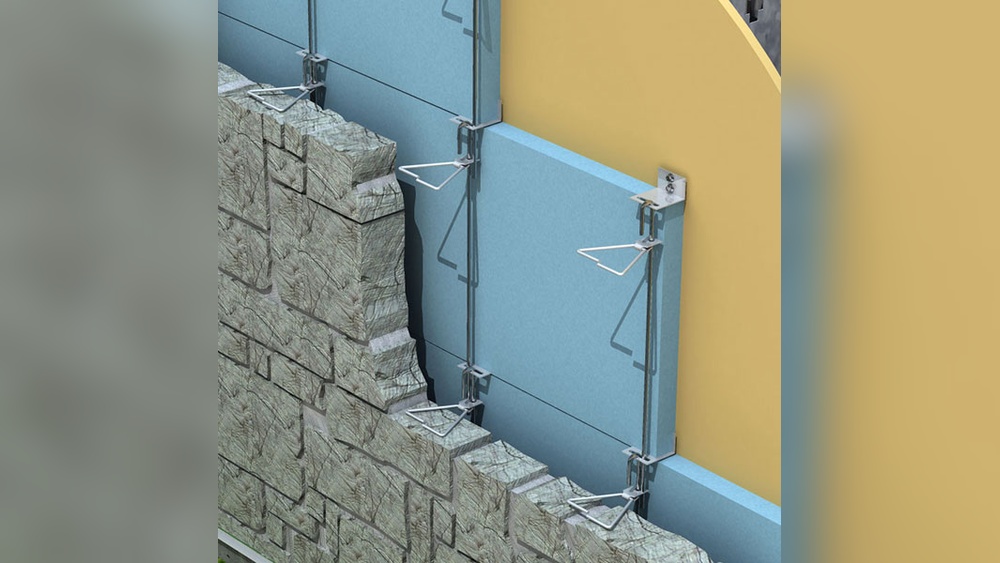
Credit: www.frontierbasementsystems.com
Choosing The Right Anchor
Choosing the right anchor is key to hanging a picture safely and securely. The anchor holds the weight and keeps the picture steady on the wall. Picking the wrong type can cause the picture to fall or damage the wall. Understanding different anchors helps you select the best one for your wall and picture size.
Types Of Wall Anchors
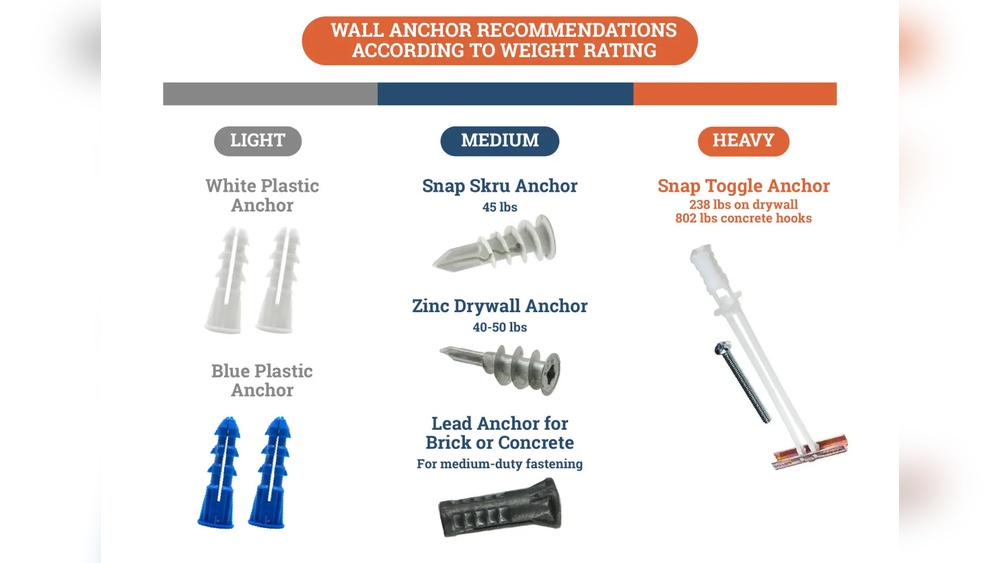
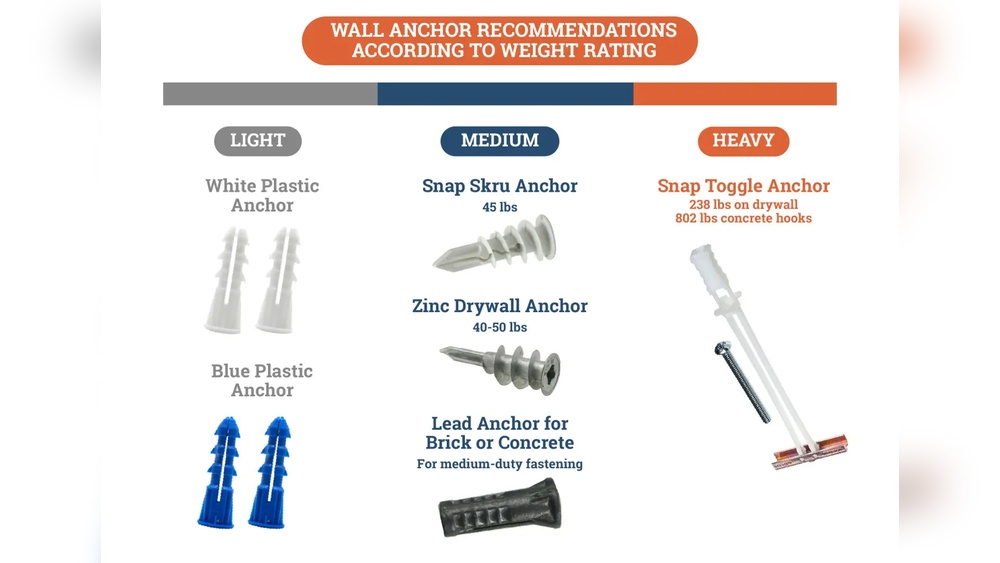
There are several wall anchor types. Plastic expansion anchors are common and easy to use. They work well for light to medium loads. Metal anchors offer more strength for heavier items. Toggle bolts spread the load inside the wall and hold heavy pictures well. Self-drilling anchors do not need pre-drilling. They screw directly into drywall or plaster.
Matching Anchors To Wall Material
Walls vary and so do anchors. Drywall needs anchors that expand behind the wall. Plastic or metal anchors work best. For plaster walls, use anchors that grip tightly without cracking the plaster. Brick and concrete walls need anchors that fit into drilled holes. Masonry anchors or sleeve anchors work well here. Choose anchors based on your wall type for strong support.
Credit: www.do-it-yourself-help.com
Tools And Materials Needed
Anchoring a picture on a wall requires the right tools and materials. These help you hang the picture safely and securely. Using proper tools makes the task easier and prevents damage to your wall or artwork.
Gathering your tools before starting saves time. It also ensures a smooth and successful hanging process. Below are the tools and accessories you will need.
Essential Tools
- Measuring tape – to measure the wall space and picture placement
- Level – to keep the picture straight
- Pencil – to mark the spots on the wall
- Hammer – to drive nails or anchors into the wall
- Drill – for making holes, especially in harder walls
- Wall anchors – to support heavier pictures on drywall
- Nails or screws – to hold the picture frame securely
- Stud finder – to locate wall studs for stronger support
Optional Accessories
- Picture hanging wire – for easier adjustment of the picture
- Rubber bumpers – to protect the wall from scratches
- Gloves – to protect hands while handling tools
- Painter’s tape – to mark positions without damaging the wall
- Adhesive hooks – for light pictures or temporary hanging
Preparing The Wall
Preparing the wall is the first step in anchoring a picture securely. A well-prepared wall ensures your picture stays in place without damage. Take time to check the wall’s surface and structure before drilling or nailing. This step saves effort and prevents mistakes.
Locating Studs And Obstacles
Studs are wooden beams behind the wall that hold weight well. Use a stud finder to locate them. Studs usually lie 16 to 24 inches apart. Avoid drilling into pipes or electrical wires hidden behind the wall. A stud finder can detect these obstacles. Mark the safe spots where you can anchor your picture.
Marking Anchor Points
Marking anchor points guides you where to drill. Use a pencil to make small marks on the wall. Measure twice to ensure the picture hangs straight. Mark at the height and width you want the picture. Clear marks help place anchors accurately. This step prevents crooked or unstable hanging.
Installing The Anchor
Installing the anchor is a key step in hanging a picture securely. It ensures the picture stays in place without damaging the wall. Proper installation balances strength and safety for your wall and artwork.
Drilling Pilot Holes
Start by marking the spot for the anchor. Use a pencil to make a small dot. Choose a drill bit that fits the anchor size. Drill a hole straight into the wall at the mark. Drill slowly to avoid cracking the wall. Clear out dust from the hole before inserting the anchor.
Inserting Different Anchor Types
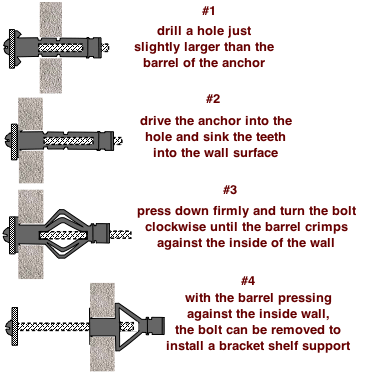
Plastic anchors slide easily into the pilot hole. Push them in until the rim rests against the wall. Tap lightly with a hammer if needed. For metal anchors, screw them into the hole by hand or with a screwdriver. Toggle anchors open behind the wall for extra support. Expansion anchors expand as screws tighten, gripping the wall firmly. Choose the anchor type that matches your wall and picture weight.
Hanging The Picture
Hanging a picture on a wall seems simple but needs care. Proper hanging keeps the picture safe and looks nice. This part guides you on how to hang your picture right.
Attaching Hardware To The Frame
First, check your picture frame. Does it have hooks or wire on the back? If not, add D-rings or sawtooth hangers. Use screws to attach them firmly. For heavier frames, wire works best. Tie the wire tightly across the back of the frame. Make sure the hardware is strong enough to hold the weight.
Securing The Picture On The Wall
Next, find the right spot on the wall. Mark it lightly with a pencil. Use a level to make sure the picture will hang straight. Choose the correct anchors or nails based on your wall type. For drywall, use wall anchors for better hold. Hammer or drill the anchor into place carefully. Hang the picture and check the balance. Adjust as needed to keep it straight and secure.
Leveling And Adjusting
Leveling and adjusting a picture on the wall ensures it looks neat and balanced. A crooked frame can distract from the artwork or photo. It also affects the room’s overall appearance. Taking time to level your picture helps achieve a professional and tidy look.
Using A Level Tool
A level tool is the best way to check if your picture hangs straight. Place the level on top of the frame. Look at the bubble inside the tool. When the bubble is centered between the lines, your picture is level. Adjust the frame until the bubble stays in the middle. This simple step prevents a tilted display.
Fine-tuning The Placement
Small shifts can make a big difference. Use your hands to nudge the frame slightly left or right. Step back and view the picture from different angles. Check if it aligns well with other wall items or furniture. Repeat until the picture feels balanced. This careful adjustment creates a polished and pleasing wall display.
Tips For Heavy Or Large Pictures
Heavy or large pictures need special care when hanging. They weigh more and can pull anchors out of the wall. Use strong anchors and spread the weight. This keeps your picture safe and your wall undamaged.
Choosing Stronger Anchors
Pick anchors made for heavy loads. Metal anchors or toggle bolts work well. Avoid plastic anchors for big pictures. Check the weight limit on the package. Match it to your picture’s weight.
Use anchors that go deep into the wall. They hold better and last longer. If your wall is drywall, use anchors that expand inside the wall. For concrete or brick, use masonry anchors.
Distributing Weight Evenly
Use two or more anchors to spread the weight. Space them apart evenly across the top of the frame. This stops one point from carrying all the weight. It also keeps the picture level and steady.
Measure carefully before drilling holes. Mark spots that line up with the frame’s hanging points. Double-check the marks with a level. This helps avoid crooked or loose pictures.
Credit: store.decksgo.com
Frequently Asked Questions
What Tools Are Needed To Anchor A Picture On A Wall?
You need a drill, screwdriver, wall anchors, screws, a level, and a measuring tape. These tools ensure secure and level placement of your picture on the wall.
How Do I Choose The Right Wall Anchor For My Picture?
Select anchors based on wall type and picture weight. Use plastic anchors for drywall and metal anchors for masonry walls for optimal support.
Can I Anchor A Picture On Drywall Without Studs?
Yes, use drywall anchors designed to hold weight without studs. They provide reliable support and prevent damage to the wall.
What Is The Best Height To Hang A Picture On A Wall?
Hang pictures at eye level, typically 57-60 inches from floor to center. This height is visually comfortable for most viewers.
Conclusion
Anchoring a picture on a wall is simple and safe with the right steps. Use the correct anchors for your wall type. Measure carefully and mark spots before drilling. Secure the anchor tightly to hold your picture firmly. This keeps your walls damage-free and your picture steady.
A well-anchored picture adds beauty and style to any room. Take your time and follow these easy tips. Your walls will look great, and your pictures will stay put.