Have you ever stood in front of your door, key in hand, only to find your deadbolt lock stuck and refusing to turn? It’s frustrating, stressful, and can ruin your day fast.
But don’t worry—you don’t have to call a locksmith just yet. You’ll discover simple, effective ways to open a stuck deadbolt lock quickly and safely. Keep reading, because regaining control over your door is easier than you think. Your solution is just a few steps away.
Common Causes Of A Stuck Deadbolt
A deadbolt lock may get stuck for several reasons. Knowing these causes helps fix the problem faster. This section explains common reasons why deadbolts jam or stop working smoothly.
Weather And Temperature Effects
Cold weather can cause metal parts to shrink. Ice may form inside the lock, freezing it solid. Heat can make metal expand, causing tightness in the mechanism. These temperature changes affect the lock’s movement. Outdoor locks face these problems more often than indoor ones.
Wear And Tear
Locks wear down from daily use. Over time, the internal parts may become loose or damaged. Springs can weaken, and pins may get stuck. Older locks have more trouble working smoothly. Regular use without maintenance speeds up this process.
Misalignment Issues
The door and lock must align correctly. If the door sags or shifts, the deadbolt might not fit in the strike plate. This misalignment blocks the bolt from moving freely. Even small changes in door position cause sticking problems.
Dirt And Debris Build-up
Dust, dirt, and small particles can enter the lock. These materials clog the internal parts. Build-up causes friction and stops the bolt from sliding. Locks near dusty or sandy areas suffer from this issue. Cleaning the lock regularly prevents this problem.
Tools Needed For Fixing A Stuck Deadbolt
Fixing a stuck deadbolt requires the right tools. These tools make the job easier and safer. Using proper equipment can save time and prevent damage to the lock.
Gathering these tools before starting helps you work smoothly. Each tool has a specific role in loosening or repairing the deadbolt. Knowing what you need is the first step to success.
Lubricants And Cleaners
Lubricants help reduce friction inside the lock. Spray lubricants like graphite or silicone work best. Avoid using oil-based products; they can attract dirt.
Cleaners remove dust and grime blocking the lock. Use a small brush or compressed air to clear debris. Clean locks operate more smoothly.
Screwdrivers And Pliers
Screwdrivers help remove the lock cover or loosen screws. A flathead and Phillips screwdriver cover most locks. Pliers provide grip and help turn stuck parts.
Use pliers carefully to avoid damaging the lock. These tools help you access and adjust the deadbolt mechanism.
Key And Lock Pick Options
Start with the original key to test the lock. Sometimes, a worn key causes the problem. Try a spare key if available.
Lock picks can help if the key fails. Use basic picks or tension wrenches gently. Lock picking requires patience and a steady hand.
Quick Fixes To Free The Deadbolt
Dealing with a stuck deadbolt can be frustrating. Quick fixes often solve the problem fast without needing a locksmith. These simple steps can help free the deadbolt and get your door working again. Try these easy methods first before calling for help.
Applying Lubricant
Lubricant reduces friction inside the lock. Spray a small amount of graphite or silicone-based lubricant into the keyhole. Avoid using oil as it can attract dirt and cause more issues. After applying, insert the key and turn it gently. This often loosens stuck parts inside the lock.
Gently Jiggling The Key
Insert the key fully into the lock. Move it back and forth with light pressure. Do not force the key, or it might break. This gentle jiggling can help align the pins inside the lock. Try different angles to find the smoothest turn.
Tightening Loose Screws
Loose screws can cause the deadbolt to misalign. Check the screws on the lock and door frame. Use a screwdriver to tighten any loose screws carefully. Proper alignment helps the deadbolt slide smoothly. This simple step often fixes sticking issues quickly.

Credit: www.aspire-doors.co.uk
Step-by-step Guide To Opening The Lock
Opening a stuck deadbolt lock can be tricky but possible with the right steps. This guide walks you through easy actions to fix the issue. Follow these steps carefully to avoid damage.
Removing The Doorknob Or Handle
First, locate the screws on the doorknob or handle. Use a screwdriver to remove them carefully. Pull the knob or handle away from the door. This gives access to the lock mechanism inside the door. Keep the screws safe for reassembly.
Realigning The Deadbolt
Check if the deadbolt is misaligned with the strike plate on the door frame. Try to move the bolt gently back into place. Sometimes, loosening the screws on the strike plate helps. Align the bolt so it slides smoothly into the hole. Tighten the screws once the bolt fits well.
Cleaning The Lock Mechanism
Dirt and dust can cause the deadbolt to stick. Spray a small amount of lubricant inside the lock. Use a cotton swab to clean inside the keyhole and bolt area. Avoid using too much oil, as it can attract more dirt. Test the lock by turning the key slowly to check smoothness.
When To Call A Locksmith
Knowing when to call a locksmith is key if your deadbolt lock is stuck. Trying to force the lock can make problems worse. Sometimes, the issue is beyond simple fixes. A professional can save time and prevent damage. Learn the signs that show it’s time to get expert help.
Signs Of Internal Damage
If the lock turns but does not open, internal parts might be broken. You may hear strange sounds when turning the key. The key might feel loose or stuck inside the lock. These signs often mean the lock’s mechanism is damaged. Trying to fix it yourself can cause more harm.
Avoiding Further Damage
Forcing a stuck deadbolt can break the key or lock. Using the wrong tools might damage the door or frame. Avoid using oil or sprays that can attract dirt. Calling a locksmith stops small problems from becoming big. Professionals know how to handle locks safely.
Professional Tools And Techniques
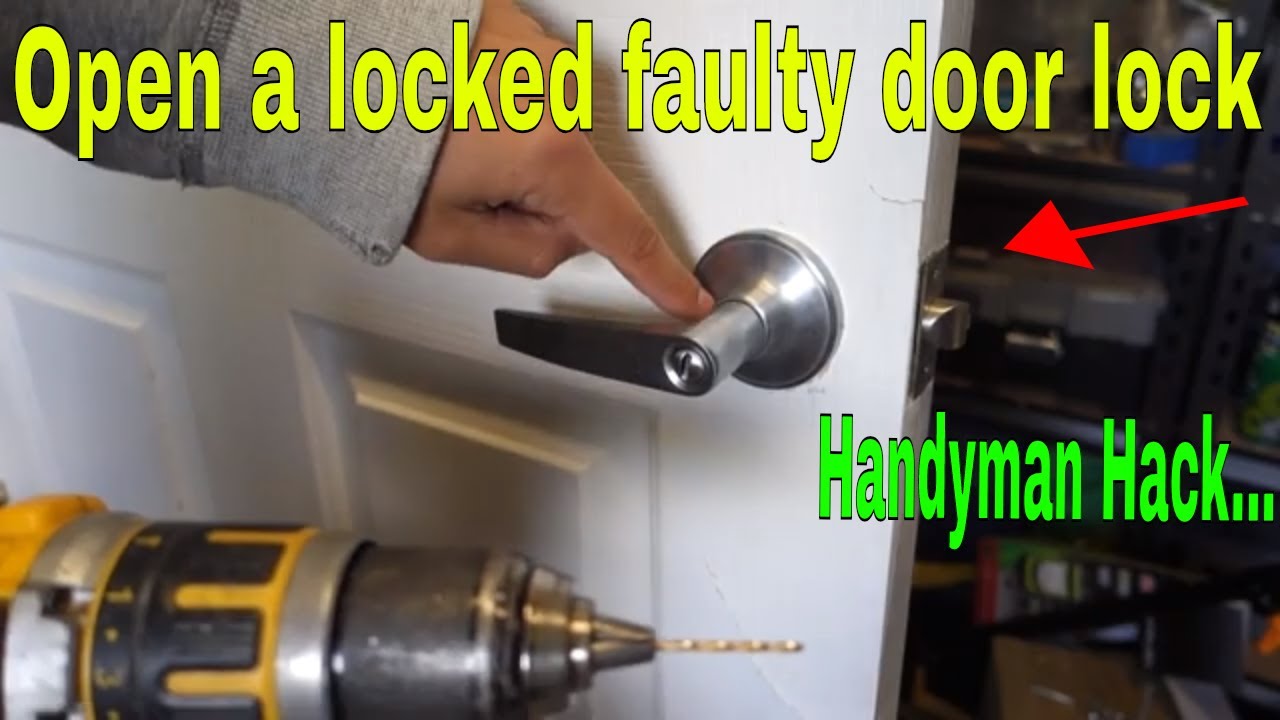
Locksmiths use special tools that are not available to most people. They can open stuck locks without breaking them. They understand how to fix or replace damaged parts. Professionals work quickly and reduce damage risk. Their skills help protect your home and save money.
Credit: www.youtube.com
Preventing Future Deadbolt Issues
Preventing future deadbolt issues helps keep your lock working smoothly. Small steps can stop it from getting stuck again. Regular care and smart choices make your door safer. Follow simple tips to avoid common problems with deadbolts.
Regular Maintenance Tips
Clean the lock regularly to remove dirt and dust. Use a soft cloth and mild cleaner. Lubricate the deadbolt every six months. Use graphite powder or silicone spray for best results. Avoid oil-based lubricants that attract grime. Check the screws and tighten them if loose. This keeps the lock parts aligned and working well.
Choosing Quality Locks
Buy locks from trusted brands with good reviews. Choose locks made from strong materials like brass or steel. Look for locks with a smooth mechanism inside. Avoid cheap locks that wear out fast. A quality lock lasts longer and resists sticking. It also offers better security for your home.
Proper Key Usage
Use the correct key for your lock only. Do not force the key if it does not turn easily. Insert the key fully before turning it. Keep your keys clean and free of dirt. Avoid using worn or bent keys. A good key helps the lock work smoothly and prevents damage.
Credit: unitedlocksmith.net
Frequently Asked Questions
How Can I Unlock A Stuck Deadbolt Quickly?
Use graphite lubricant on the keyhole and gently wiggle the key. Avoid forcing the lock to prevent damage. If stuck, try turning the deadbolt knob while applying slight pressure on the key.
What Causes A Deadbolt Lock To Get Stuck?
Dirt buildup, rust, or misalignment often cause deadbolts to stick. Cold weather can also cause internal components to freeze. Regular cleaning and lubrication help prevent these issues.
Can I Fix A Stuck Deadbolt Without A Locksmith?
Yes, you can try lubrication, cleaning the lock cylinder, or realigning the strike plate. Use graphite powder or silicone spray for best results. If problems persist, consult a locksmith.
Is It Safe To Force A Stuck Deadbolt Open?
No, forcing a deadbolt can damage the lock or door. Gentle pressure and proper lubrication are safer methods. Forcing risks costly repairs or lock replacement.
Conclusion
A stuck deadbolt lock can cause real frustration. Small steps like lubricating or gently tapping may help free it. Avoid forcing the lock to prevent damage. Sometimes, patience and simple tools solve the problem. If problems persist, contacting a locksmith is wise.
Taking care of your lock keeps it working longer. Stay calm and try these easy fixes first. Your door will work smoothly again soon.