Have you ever found yourself standing outside your door, locked out and frustrated because your deadbolt won’t budge? Knowing how to get into a deadbolt lock can save you time, stress, and even money on locksmith fees.
Whether it’s an emergency or you simply misplaced your keys, this guide will walk you through simple, effective methods you can use right now. Keep reading to discover practical tips that put you back inside quickly and safely.

Credit: www.reddit.com
Types Of Deadbolt Locks
Deadbolt locks come in different types, each with unique features. Knowing these types helps understand how they work and how to approach them. This knowledge is useful for anyone interested in lock mechanisms or security.
Single Cylinder Deadbolts
Single cylinder deadbolts have a key slot on the outside. Inside, they use a thumb turn to lock or unlock. This type is common in homes and easy to use. It provides solid security against forced entry.
Double Cylinder Deadbolts
Double cylinder deadbolts need a key on both sides. This type increases security by preventing unlocking from inside without a key. It is useful for doors with glass near the lock. Care is needed because it can be a safety risk during emergencies.
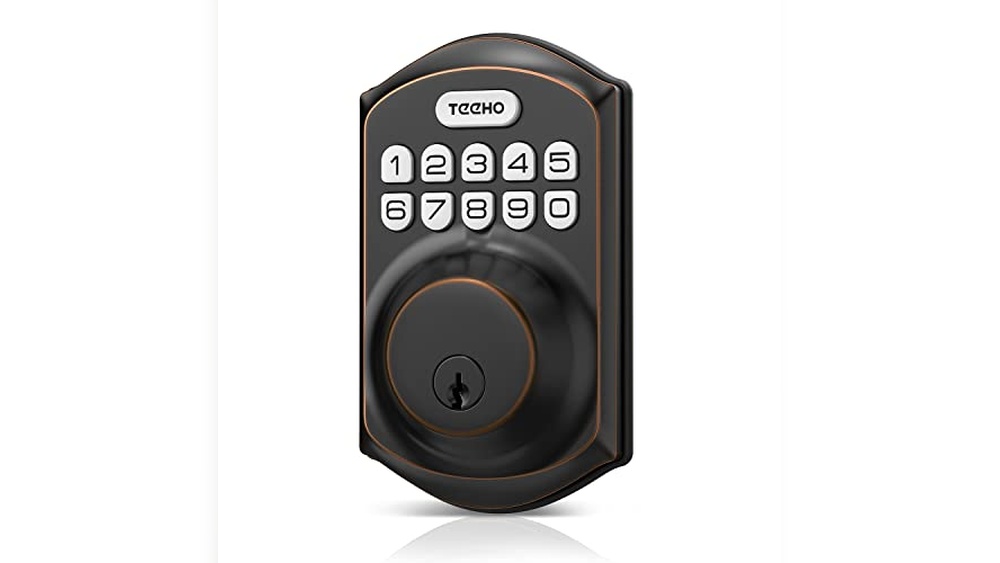
Keyless Deadbolts
Keyless deadbolts use codes or electronic signals to open. Some models work with fingerprint or smartphone apps. They offer convenience by removing the need for physical keys. Security depends on the strength of the code or system used.

Credit: www.wikihow.com
Tools Needed For Entry
Getting into a deadbolt lock needs specific tools. These tools help you open the lock without a key. Knowing which tools to use is important. It makes the process easier and faster. Below are the main tools used for entry.
Lock Picks And Tension Wrenches
Lock picks are thin tools that move the lock pins. Tension wrenches apply pressure inside the lock. Together, they help turn the lock cylinder. This method requires patience and a steady hand. It works best on simple deadbolt locks.
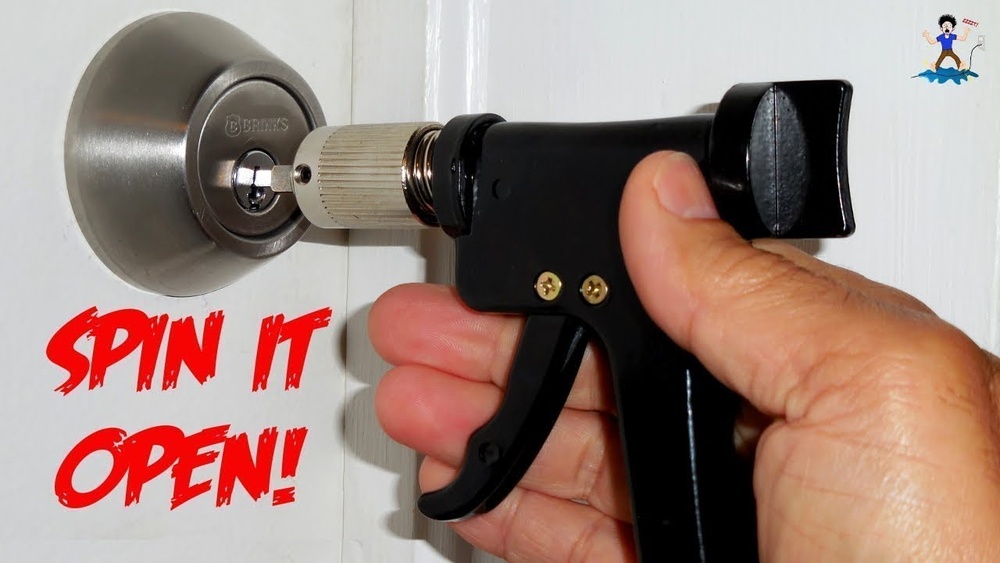
Bump Keys
Bump keys are special keys cut to fit many locks. You insert the bump key into the lock. Then, a small tap makes the pins jump. This causes the lock to open quickly. Bump keys work on many pin tumbler locks, including deadbolts.
Drills And Other Tools
Drills can destroy the lock to gain entry. They are used as a last option when other tools fail. Other tools include screwdrivers and pry bars. These tools force the lock open but cause damage. Use them carefully and only if necessary.
Picking A Deadbolt Lock
Picking a deadbolt lock requires some skill and patience. This method is often used by locksmiths and hobbyists. Understanding the basic techniques can help you learn how deadbolts work. It also shows why these locks are tough to open without a key. Below are simple ways to pick a deadbolt lock.
Basic Lock Picking Techniques
Start by using two main tools: a tension wrench and a pick. The tension wrench applies slight pressure inside the lock. This pressure holds the pins in place once set. The pick is used to lift the pins one by one. The goal is to set all pins at the shear line. This allows the lock cylinder to turn and open.
Raking Method
The raking method is faster than single pin picking. Insert a rake pick into the lock. Move it back and forth quickly across the pins. The motion causes several pins to jump to the shear line. Apply light tension with the wrench while raking. This technique works well on simpler locks. It might not work on high-security deadbolts.
Single Pin Picking
Single pin picking is more precise and slower. Use a pick to lift each pin individually. Feel for the pin that is stuck at the shear line. Apply tension with the wrench while lifting pins. Repeat for every pin until the lock opens. This method requires patience and a steady hand. It is effective on most deadbolt locks.

Credit: www.youtube.com
Using A Bump Key
Using a bump key is one method to open a deadbolt lock. It involves a special key designed to fit many locks of the same type. This technique can help in emergency situations or when a key is lost. Understanding how bump keys work is important before trying to use one.
What Is A Bump Key?
A bump key is a key cut to the lowest position on all its pins. It fits into a lock and can be tapped to move the pins inside. This causes the pins to jump, allowing the lock to turn. Bump keys work on pin tumbler locks like many deadbolts.
How To Use A Bump Key Safely
Insert the bump key fully into the lock. Hold the key firmly and use a small tool to tap it gently. At the same time, apply slight turning pressure to the key. Repeat tapping until the lock opens. Be careful not to damage the lock or key.
Limitations Of Bump Keys
Bump keys do not work on all types of locks. Some locks have extra security features that block bumping. Using a bump key can cause damage if done incorrectly. It is also illegal to use bump keys on locks you do not own.
Non-destructive Entry Methods
Non-destructive entry methods allow access without damaging the lock or door. These techniques are useful in emergencies or when a key is lost. They focus on manipulating the lock mechanism gently to open it.
These methods require some skill and patience. They keep the lock intact and functional for future use. Let’s explore some common non-destructive ways to get into a deadbolt lock.
Credit Card Method
The credit card method works on spring bolt locks, not deadbolts. It uses a flexible plastic card to slide between the door and frame. The goal is to push the bolt back into the door.
Insert the card near the latch and wiggle it while applying pressure. This can force the latch to retract, opening the door. It works best on older locks with loose strikes and gaps.
Newer deadbolts and metal frames usually prevent this method. Avoid using expensive or valuable cards to prevent damage.
Using A Shim
A shim is a thin piece of metal or plastic used to bypass the lock mechanism. It fits between the lock’s bolt and the door frame. The shim pushes the bolt inside the lock to release it.
Insert the shim carefully into the gap next to the bolt. Wiggle it gently while turning the door handle or knob. This method works on some padlocks and certain deadbolt models.
Shims require practice and the right size to be effective. They do not harm the lock but may leave minor marks.
Lock Bypass Techniques
Lock bypass means opening the lock without using the key or picking tools. It targets the lock’s weak points or mechanisms. Deadbolts with simple designs sometimes allow bypass.
One example is removing the strike plate to access the bolt manually. Another is sliding thin tools to press the locking mechanism inside. These methods take time and patience to succeed.
Bypass techniques need understanding of how the lock works. They keep the lock unharmed and ready for normal use afterwards.
When To Use Destructive Methods
Destructive methods should be the last choice for opening a deadbolt lock. Use these only if other non-damaging ways fail. Sometimes the lock is old, broken, or you have no key. Then, breaking the lock might be necessary to gain entry.
Destructive methods can damage your door or lock. Understand the risks before starting. These methods require tools and care to avoid injury or extra damage. Follow safety steps to protect yourself and the property.
Drilling The Lock
Drilling is a common destructive method to open deadbolts. It means making a hole in the lock cylinder. Use a drill with a metal bit. Start drilling near the keyhole. Drill carefully to avoid damaging the door. The goal is to destroy the lock pins inside. Once pins break, the lock turns easily.
Removing The Lock Cylinder
Removing the lock cylinder is another way to break in. Use tools like screwdrivers or pliers. First, remove screws on the lock faceplate. Pull out the cylinder from the door. This method needs patience and strength. It can damage the door frame or lock housing. Only try if drilling is not an option.
Safety Precautions
Wear safety glasses to protect your eyes from metal shards. Use gloves to avoid cuts from sharp tools or broken parts. Work slowly to keep control over tools. Keep the area clear of children and pets. Have a first aid kit nearby for accidents. Always check local laws before breaking a lock.
Legal Considerations
Understanding the legal side of getting into a deadbolt lock is very important. Knowing the rules helps you avoid trouble with the law. Not all lock picking is illegal. It depends on the situation and your intent. This section covers key legal points. Follow these to stay safe and responsible.
When Lock Picking Is Legal
Lock picking is legal in certain cases. For example, if you own the property, it is allowed. Also, licensed locksmiths can pick locks as part of their job. Practicing lock picking on your own locks is usually fine. Using lock picking tools without permission is often illegal. Check local laws before trying to pick any lock.
Avoiding Trespassing Charges
Trespassing means entering a place without permission. Picking a lock to enter someone’s property can lead to charges. Always get permission before accessing locked areas. Even if you think the lock is easy to pick, entering without consent is risky. Stay clear of private properties unless you have clear rights.
Using Skills Responsibly
Lock picking skills must be used with care. They are tools for help, not harm. Never use these skills to break laws or hurt others. Respect privacy and property rights. Practice only in safe and legal settings. Being responsible builds trust and avoids legal problems.
Improving Lock Security
Improving lock security is essential to protect your home and belongings. A strong lock can stop many break-in attempts. Deadbolt locks are common, but they can be weak if not properly secured. Simple upgrades can make a big difference. Small changes help your door resist forced entry and picking. Here are some effective ways to improve deadbolt lock security.
Upgrading Deadbolt Locks
Old deadbolts can have weak parts or poor design. Replace them with high-quality deadbolts. Look for locks with a solid metal bolt and anti-drill features. Choose locks with longer bolts that reach deep into the door frame. This makes it harder to force open the door. Deadbolts with bump-proof technology also add extra safety.
Installing Reinforcement Plates
Reinforcement plates strengthen the door and frame around the lock. They help stop the door from splitting during a break-in. Install a heavy-duty strike plate with long screws. The screws should go deep into the wall stud, not just the door frame. This simple step greatly increases lock resistance against kicking or prying.
Smart Lock Alternatives
Smart locks offer modern security features beyond traditional deadbolts. They use codes, fingerprints, or smartphones to unlock doors. Some smart locks send alerts when someone tries to tamper with them. Choose a model with strong encryption and reliable battery life. Smart locks can improve convenience and add an extra layer of security to your home.
Frequently Asked Questions
How Can I Unlock A Deadbolt Without A Key?
You can use a bump key, pick the lock with tools, or try a credit card for simple locks. Always ensure you have permission before attempting to unlock any deadbolt.
What Tools Are Needed To Pick A Deadbolt Lock?
Common tools include a tension wrench and a lock pick or rake. These tools help manipulate the lock’s pins to unlock it without a key.
Is It Legal To Pick A Deadbolt Lock?
Picking a lock you own or have permission to enter is legal. Unauthorized lock picking is illegal and considered breaking and entering.
How Long Does It Take To Pick A Deadbolt Lock?
It typically takes between 5 to 15 minutes, depending on the lock’s complexity and your skill level.
Conclusion
Getting into a deadbolt lock takes patience and the right tools. Always stay calm and work slowly. Practice helps you improve your skills. Remember, only try this on locks you own. Respect others’ property and privacy at all times. Knowing how deadbolt locks work can save you trouble.
Keep learning and stay safe when handling locks.