Have you ever struggled with your floor jack rolling forward just when you need it to stay put? It’s frustrating and can even be dangerous.
You want to focus on your work without worrying about your jack slipping or moving unexpectedly. Luckily, there are simple and effective ways to keep your floor jack steady and secure. Keep reading to discover easy tips and tricks that will give you peace of mind and make your job safer and smoother.
Your safety and efficiency matter, and this guide is here to help.
Causes Of Floor Jack Rolling
Floor jacks can roll forward unexpectedly, causing safety risks and damage. Understanding why this happens helps prevent accidents. Several factors cause a floor jack to roll forward. These include the surface it rests on, the design of the jack, and how the load is placed on it. Each factor plays a key role in jack stability.
Surface Slope And Texture
A sloped surface makes the jack roll easily. Even a small incline can cause movement. Smooth floors like tile or polished concrete reduce friction. This lack of grip lets the jack slide forward. Uneven or rough surfaces provide better hold but still need care. Always check the floor before using the jack.
Floor Jack Design
Some floor jacks have wheels that move freely. This design helps with mobility but can cause rolling. The position of the wheels affects balance. Jacks with a low center of gravity are more stable. Others with higher centers can tip or roll. Choose a jack designed for stability on flat surfaces.
Load Distribution
How weight spreads on the jack matters a lot. Uneven loads push the jack forward or sideways. The load should sit in the middle of the jack’s saddle. Overloading one side creates imbalance. This imbalance makes the jack roll or slip. Proper load placement keeps the jack steady and safe.

Credit: trexhouston.com
Choosing The Right Floor Jack
Choosing the right floor jack is key to keeping it stable and safe. A good jack stops rolling forward and holds your vehicle firmly. Picking the right one means thinking about weight, safety, and build. Each part matters for smooth and safe lifting.
Weight Capacity
Choose a floor jack with enough weight capacity for your vehicle. The jack must hold more than your car’s weight. A strong jack stays steady and does not move forward. Check the maximum load before buying. Never use a jack that is too weak.
Built-in Safety Features
Safety features help stop the jack from rolling or slipping. Look for models with locking mechanisms or brake systems. These features hold the jack in place during use. A secure jack reduces accidents and keeps you safe. Safety parts add extra protection when lifting.
Quality And Material
Strong materials keep the floor jack steady and durable. Steel jacks are heavy and stable. Aluminum jacks are lighter but must be well made. Avoid cheap jacks with weak frames. Quality parts mean better grip and less chance of rolling. Good materials improve safety and last longer.
Preparing The Work Area
Preparing the work area is the first step to stop a floor jack from rolling forward. It helps keep the jack safe and steady. A well-prepared area prevents accidents and damage. Follow simple steps before lifting any heavy object with the jack. This way, the work goes smoothly and safely.
Leveling The Surface
Place the floor jack on flat ground. Uneven surfaces cause the jack to tilt or move. Use a level tool to check the ground. Adjust the area to make it as even as possible. A level surface holds the jack in place better. This reduces the risk of rolling or slipping.
Clearing Debris
Remove stones, leaves, and dirt from the area. Debris can block the jack’s wheels or cause it to slide. Sweep the floor clean before setting the jack. A clean area gives the jack full contact with the ground. This improves stability and safety during use.
Using Wheel Chocks
Place wheel chocks behind the wheels of the vehicle. Chocks stop the wheels from moving forward or backward. Use sturdy chocks made for the vehicle’s weight. Position them tightly against the tires. This holds the vehicle steady and keeps the jack safe. Wheel chocks add an extra layer of protection.

Credit: www.reddit.com
Proper Floor Jack Placement
Proper floor jack placement is key to keeping the jack steady and safe. Placing the jack correctly stops it from rolling forward. It also protects the vehicle and the person working on it. Follow these steps to place your floor jack right every time.
Positioning Under Vehicle
Place the jack on a flat, solid surface under the vehicle. Avoid soft or uneven ground. The jack should sit firmly without wobbling. Position it close to the area you want to lift. This helps keep the jack stable and balanced.
Aligning With Jack Points
Look for the vehicle’s designated jack points. These spots are made to hold the jack safely. Align the jack’s saddle directly under these points. This prevents damage to the vehicle’s frame. It also ensures the jack lifts the car evenly.
Avoiding Uneven Loads
Do not place the jack where the weight is uneven. Uneven loads cause the jack to tip or roll forward. Make sure the weight is spread evenly on the jack’s saddle. Check that the vehicle sits level after lifting. This keeps the jack secure and stable during use.
Techniques To Prevent Rolling
Keeping a floor jack from rolling forward is very important for safety. Several simple techniques can stop the jack from moving. These methods help you lift and hold your vehicle steady. Using these steps reduces risks and makes your work easier.
Engaging The Parking Brake
Always set the parking brake before using a floor jack. This prevents the vehicle from moving. The parking brake locks the wheels in place. It acts as the first line of defense against rolling. Make sure the brake is fully engaged before lifting.
Using Additional Supports
Place wheel chocks or blocks around the tires. These supports stop the vehicle from rolling. Use sturdy blocks made of wood or rubber. Position them firmly against the tires on both sides. Additional supports add extra safety during lifting.
Slow And Steady Lifting
Lift the vehicle slowly with the floor jack. Avoid sudden or fast movements. Slow lifting helps keep the jack stable. It lowers the chance of the jack rolling forward. Take your time and watch the jack and vehicle carefully.
Maintenance And Inspection
Proper maintenance and inspection keep your floor jack safe and reliable. Regular checks help catch problems early. This prevents the jack from rolling forward unexpectedly. Simple steps extend the life of your equipment.
Checking Wheels And Casters
Inspect wheels and casters for cracks or damage. Make sure they roll smoothly and do not wobble. Tighten loose bolts to keep wheels steady. Replace any wheels that show signs of wear. Good wheels stop the jack from moving on its own.
Lubricating Moving Parts
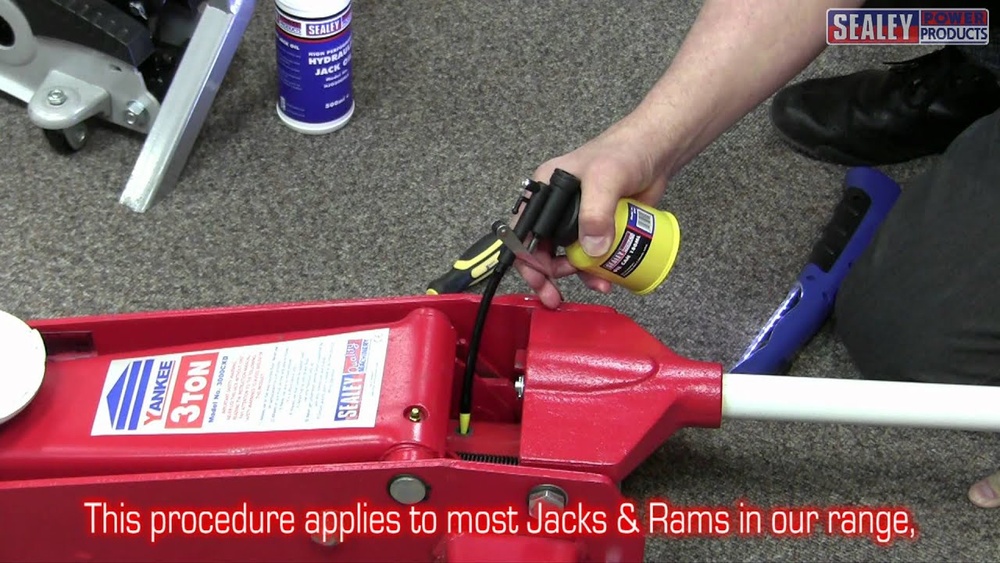
Apply lubricant to all moving parts of the jack. This reduces friction and helps parts move easily. Use oil or grease made for metal tools. Avoid over-lubricating as it can attract dirt. Clean old grease before applying new lubricant.
Replacing Worn Components
Check parts like springs, locks, and pins for wear. Replace any parts that look weak or broken. Worn components can cause the jack to roll forward. Use original or high-quality replacement parts. Proper parts keep the jack safe and strong.
Safety Accessories To Consider
Keeping a floor jack from rolling forward is crucial for safety. Using the right accessories can stop accidents and protect you. These tools hold the vehicle steady and prevent movement during repairs.
Here are some safety accessories to consider for better stability and control.
Jack Stands
Jack stands are strong supports placed under the vehicle after lifting. They hold the weight safely while you work. Never rely on the floor jack alone. Jack stands reduce the risk of the jack slipping or failing.
Choose stands that match your vehicle’s weight. Place them on a flat, solid surface. Make sure they lock securely before starting any work.
Wheel Chocks
Wheel chocks stop the vehicle from rolling. These blocks fit snugly behind or in front of the wheels. They create extra grip on the ground. Use wheel chocks on both sides of the wheels not lifted.
Pick chocks made from rubber or heavy-duty plastic. They provide good friction and last long. This simple tool adds a strong layer of safety.
Anti-roll Devices
Anti-roll devices attach to the floor jack or vehicle frame. They limit the jack’s movement sideways or forward. These devices add extra control and keep the jack stable.
Some anti-roll tools include straps or braces. They help secure the jack tightly during use. Using these devices lowers the chance of accidents caused by slipping.

Credit: www.amazon.com
Frequently Asked Questions
How Can I Prevent My Floor Jack From Rolling Forward?
Use wheel chocks or blocks to secure the wheels. Engage the jack’s locking mechanism if available. Always work on a flat, stable surface to reduce movement risk.
What Causes A Floor Jack To Roll Unexpectedly?
Uneven ground, worn wheels, or lack of wheel locks cause rolling. Insufficient weight distribution or improper placement also lead to jack movement during use.
Are Wheel Chocks Necessary For Floor Jack Safety?
Yes, wheel chocks stabilize the jack by preventing wheel movement. They are a simple, effective safety measure to keep the jack stationary during lifting.
Can I Use A Floor Jack On An Incline Safely?
No, using a floor jack on an incline increases rolling risk. Always operate the jack on a flat, level surface to ensure stability and safety.
Conclusion
Keeping your floor jack from rolling forward is simple with the right steps. Always use wheel chocks or blocks to stop movement. Check the surface for flatness before lifting. Tighten the jack’s brakes and keep it well maintained. These small actions protect you and your vehicle.
Safety matters most when working under a car. Practice these tips each time you use the jack. Stay careful, stay safe, and avoid accidents easily.