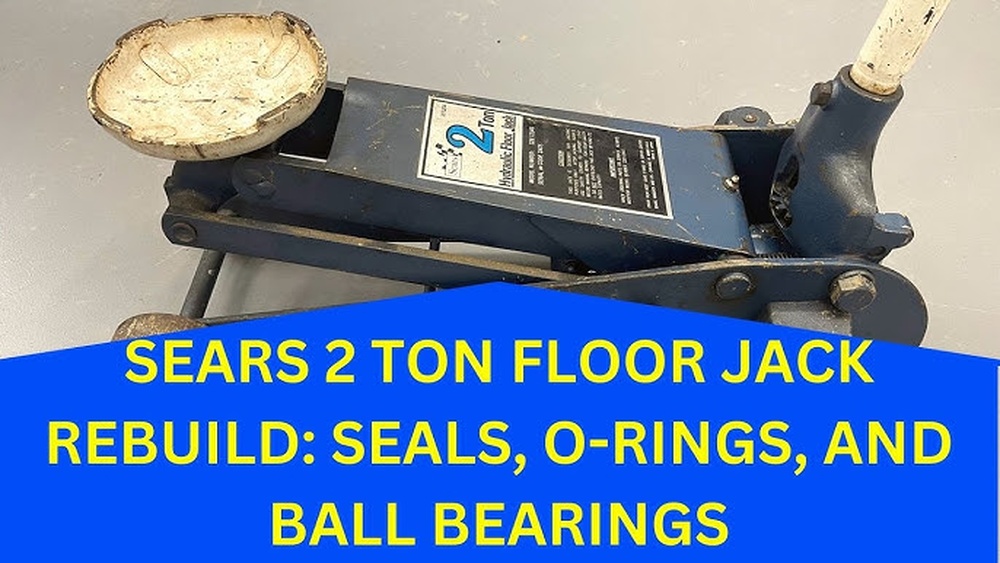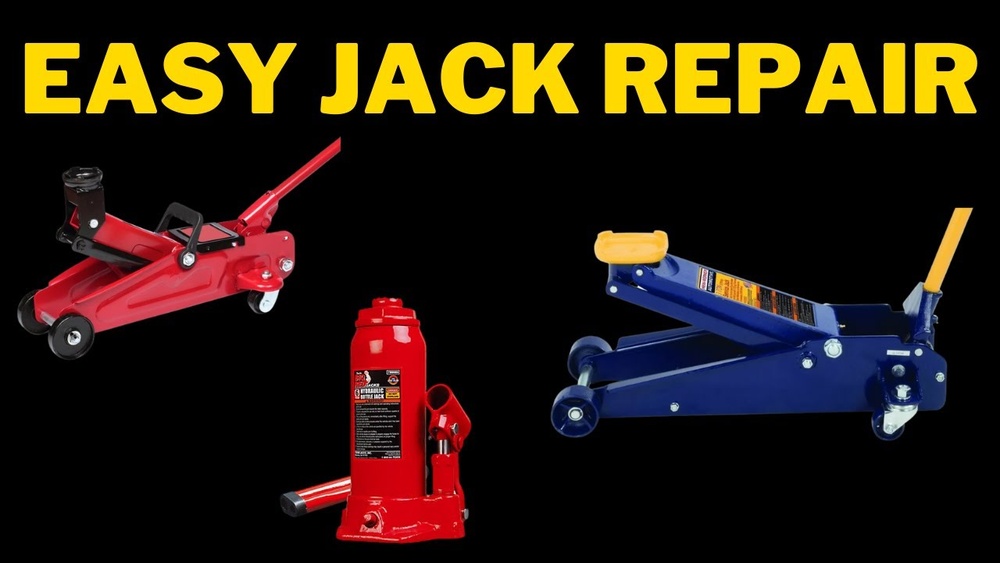
If you’ve ever struggled with a floor jack that won’t reset properly, you know how frustrating it can be. Whether you’re working on your car or tackling a DIY project, a stuck floor jack slows you down and wastes your time.
But don’t worry—resetting your floor jack is easier than you think. In this guide, you’ll discover simple, step-by-step instructions to get your floor jack working smoothly again. Keep reading, and you’ll have your tool ready for action in no time.
Credit: www.amazon.com
Why Reset A Floor Jack
Resetting a floor jack is important for its proper function. Over time, the jack may stop working smoothly or fail to lift loads correctly. A reset can restore its full capability and make it safe to use again. Understanding why to reset your floor jack helps you maintain its strength and reliability.
Common Issues Needing Reset
Floor jacks can develop problems like slow lifting or failure to hold weight. Sometimes, the jack feels stuck or the handle moves without lifting. These issues happen due to air trapped inside or worn seals. Dirt and rust also cause the jack to work poorly. Resetting clears these problems and brings back normal operation.
Benefits Of Resetting
Resetting improves the jack’s lifting speed and power. It makes the jack safer by preventing sudden drops. A reset also extends the jack’s lifespan by reducing wear on parts. You save money by fixing the jack instead of buying a new one. Regular resets keep the jack ready for any job.

Credit: www.reddit.com
Tools Needed For Reset
Resetting a floor jack requires some basic tools. Having the right items helps you do the job quickly and safely. This section lists the tools and safety gear needed for the reset process.
Essential Tools
A wrench set is necessary to loosen and tighten bolts. A flathead screwdriver helps to adjust small parts inside the jack. Pliers come in handy for gripping and turning components. A hammer may be needed to tap stuck parts gently. Lastly, a clean cloth is useful to wipe dirt and grease from the jack.
Safety Gear
Safety gloves protect your hands from sharp edges and dirt. Safety glasses shield your eyes from dust or metal particles. Wearing closed-toe shoes keeps your feet safe from dropped tools. Avoid loose clothing that can get caught in moving parts. Use a well-lit workspace to see all parts clearly during the reset.
Preparing The Floor Jack
Preparing a floor jack is the first step before resetting it. This step ensures the jack works safely and smoothly. Proper preparation helps avoid damage and makes the reset process easier. Two main tasks help prepare the jack: cleaning and checking for damage. Each one is important for the jack’s performance and safety.
Cleaning The Jack
Start by wiping down the floor jack. Remove all dirt, grease, and dust. Use a clean cloth and some mild cleaner or soapy water. Avoid soaking the jack. Focus on the moving parts and the base. Dirt can block the mechanism and cause problems. Clean surfaces help you spot any damage early.
Checking For Damage
Look over the floor jack carefully. Check for cracks, rust, or bent parts. Pay close attention to the lifting arm and wheels. Make sure the release valve moves freely. Broken parts can cause accidents. If you find damage, fix it before use. A safe jack saves time and prevents injury.

Credit: www.amazon.com
Step-by-step Reset Process
Resetting a floor jack is important to keep it working well. The process is simple but must be done carefully. Follow each step to reset your jack correctly. This helps avoid damage and ensures safety.
Releasing Pressure Safely
First, make sure the jack is on a flat surface. Slowly open the release valve to let out the pressure. Do this gently to avoid sudden drops. Use gloves to protect your hands. Keep your face away from the jack.
Adjusting The Release Valve
Turn the release valve counterclockwise to open it. If the jack does not lower, turn the valve slightly more. Do not force the valve. Find the right position where the jack moves down smoothly. Tighten the valve by turning it clockwise to stop lowering.
Bleeding Air From The Jack
Air trapped inside can stop the jack from working. To remove air, open the release valve and pump the handle several times. This pushes air out. Close the valve and test the jack’s movement. Repeat if the jack still feels stiff.
Testing The Reset
After resetting, test the jack on a small load. Pump the handle and check if it lifts smoothly. Release the valve to see if it lowers gently. If it works well, your reset is done. If not, repeat the steps carefully.
Tips For Maintaining Your Floor Jack
Maintaining your floor jack helps it work safely and last longer. Simple care steps keep it ready for use. Follow these tips to avoid problems and costly repairs.
Regular Inspection
Check your floor jack before each use. Look for cracks, leaks, or loose parts. Tighten bolts if needed. Find worn or damaged parts early. Replace any broken pieces right away. This keeps your jack safe and reliable.
Proper Storage
Store the floor jack in a dry, clean place. Avoid damp or dusty areas. Keep it on a flat surface to prevent damage. Cover it to protect from dirt and moisture. Proper storage stops rust and other issues.
Lubrication Practices
Lubricate moving parts regularly. Use the correct oil or grease. This reduces wear and keeps the jack smooth. Avoid over-lubricating, which can attract dirt. Clean old grease before applying new lubricant. Good lubrication extends the life of your jack.
Troubleshooting Common Problems
Troubleshooting common problems with a floor jack helps keep it working well. Regular checks and quick fixes save time and effort. Understanding common issues improves safety and performance.
Jack Won’t Lift
Check if the release valve is closed tightly. Open valves stop the jack from lifting. Inspect the hydraulic fluid level. Low fluid causes weak or no lifting action. Look for air trapped inside the system. Bleed the jack to remove air pockets. Also, examine the pump for damage or wear. Replace parts if needed to restore function.
Slow Lifting Action
Slow lifting often means dirty or thick hydraulic fluid. Drain and replace old fluid for smoother movement. Check for leaks that reduce pressure inside the jack. Inspect seals and tighten loose parts. Lubricate moving parts to reduce friction. Keep the jack clean to avoid dirt buildup. These steps help the jack lift faster and easier.
Leaks And Seals
Leaks cause loss of hydraulic fluid and poor performance. Inspect the jack for visible fluid spots. Check seals for cracks or wear and tear. Replace damaged seals quickly to prevent further leaks. Clean the jack regularly to spot leaks early. Proper maintenance extends the jack’s life and reliability.
Frequently Asked Questions
How Do You Reset A Floor Jack Safely?
To reset a floor jack safely, first lower the jack completely. Release pressure by turning the release valve counterclockwise slowly. Ensure the lifting arm returns to its resting position before storing the jack.
Why Is My Floor Jack Not Resetting Properly?
A floor jack may not reset properly due to trapped air or low hydraulic fluid. Check fluid levels and bleed air by opening the release valve. Refill fluid if necessary and repeat the reset process.
Can I Reset A Floor Jack Without Tools?
Yes, most floor jacks can be reset without tools. Open the release valve by hand, lower the jack fully, and allow the hydraulic pressure to normalize. Use a rag to clean any debris blocking the mechanism.
How Often Should I Reset My Floor Jack?
Reset your floor jack after each use to maintain its performance. Regular resetting prevents hydraulic lock and extends the jack’s lifespan. Always check for leaks or damage during the reset.
Conclusion
Resetting a floor jack helps keep it working safely and smoothly. Follow the steps carefully to avoid mistakes. Regular checks prevent damage and extend the jack’s life. Always handle tools with care and patience. Now, you can reset your floor jack with confidence.
Keep your equipment ready for any job ahead. Simple actions make a big difference in tool performance. Stay safe and keep your floor jack in top shape.