If you own a Craftsman floor jack, keeping it in top shape is essential for your safety and efficiency. One key part of maintenance is knowing how to put hydraulic fluid in your jack.
You might think it’s complicated, but it’s actually a simple process that anyone can do with the right guidance. You’ll learn step-by-step how to refill your jack’s hydraulic fluid quickly and correctly. By the end, you’ll feel confident handling this task yourself—saving time, money, and avoiding costly mistakes.
Ready to keep your jack working like new? Let’s get started.
Tools And Materials Needed
Before adding hydraulic fluid to your Craftsman floor jack, gather all necessary tools and materials. Having everything ready makes the process smooth and safe. It also helps prevent mistakes and spills.
Use the right tools for better control and accuracy. The correct materials ensure the jack works well after refilling.
Hydraulic Fluid
Choose the correct hydraulic fluid for your Craftsman floor jack. Check the owner’s manual for the recommended type. Using the wrong fluid can damage the jack or reduce its performance.
Clean Rag Or Cloth
Use a clean rag to wipe off dirt and grease. It keeps the filling area clean and prevents contamination. Cleanliness helps the jack last longer and work better.
Funnel Or Fluid Pump
A small funnel or fluid pump helps pour the fluid without spilling. It fits into the jack’s fluid inlet. This tool makes filling easier and less messy.
Wrench Or Socket Set
A wrench or socket set may be needed to open the fluid fill plug. Check your jack to see which size fits. Proper tools prevent damage to the plug or jack.
Safety Gloves
Wear safety gloves to protect your hands. Hydraulic fluid can irritate skin. Gloves keep your hands clean and safe during the process.
Preparing The Floor Jack
Preparing the floor jack is the first step before adding hydraulic fluid. This step helps ensure safety and smooth operation. Taking time to prepare avoids damage and accidents. Follow simple steps carefully for best results.
Safety Precautions
Always wear gloves to protect your hands. Use safety glasses to guard your eyes. Make sure the area is well-lit and clean. Keep children and pets away from the workspace. Avoid smoking or open flames near the jack. Check the jack for any leaks or damage before starting.
Positioning The Jack
Place the jack on a flat, level surface. Avoid soft or sloped ground. Lock the wheels if your jack has them. Position the jack so you can easily reach the fluid fill point. Keep the jack stable to prevent tipping. This makes the fluid filling process safer and easier.
Locating The Hydraulic Fluid Reservoir
The hydraulic fluid reservoir is usually found near the base of the Craftsman floor jack. Open the cover or cap to access the reservoir for filling. Check the manual to ensure you locate it correctly.
Understanding The Hydraulic Fluid Reservoir
The hydraulic fluid reservoir holds the oil that powers the floor jack. It is a small tank attached to the jack’s main body. This tank stores the fluid needed for smooth lifting and lowering.
Knowing its location helps you add fluid easily. It also prevents damage to the jack by keeping the fluid level correct.
Where To Find The Reservoir On A Craftsman Floor Jack
On most Craftsman floor jacks, the reservoir sits near the handle. It is often covered by a small cap or plug. Look for a round or square metal piece on the side of the jack.
Sometimes, the reservoir is beneath the handle’s base or near the lifting arm. Check the user manual for exact details if needed.
Signs That Show The Reservoir Needs Refilling
The jack may lift slowly or not at all if fluid is low. You might hear strange noises during use. The jack could also feel stiff or hard to operate.
These signs suggest checking the reservoir and adding fluid if necessary. Keeping the reservoir filled ensures the jack works well every time.

Credit: www.wikihow.com
Draining Old Hydraulic Fluid
Draining old hydraulic fluid from a Craftsman floor jack is an important step. It helps keep the jack working smoothly. Removing the old fluid prevents dirt and debris from damaging the jack’s parts. This makes sure the floor jack stays safe and effective for lifting.
Start by preparing the workspace. Have a container ready to catch the old fluid. Use gloves to protect your hands from oil and dirt. Follow these steps to drain the fluid properly.
Locate The Drain Screw
Find the drain screw on the floor jack’s hydraulic reservoir. It is usually near the bottom or side. Use a wrench to loosen the screw slowly. Be ready for fluid to start dripping out once loosened.
Drain The Fluid Completely
Let the old fluid flow into the container. Tilt the jack slightly to help drain all the fluid. Avoid rushing. Give enough time for the fluid to empty fully. This prevents mixing old fluid with new fluid later.
Clean The Drain Area
Wipe around the drain screw and reservoir with a clean cloth. Remove any dirt or oil residue. This keeps new fluid clean and stops leaks. Check the drain screw for damage before replacing it.
Replace The Drain Screw
Put the drain screw back in place carefully. Tighten it with a wrench but avoid over-tightening. A snug fit prevents leaks and keeps the jack sealed. The jack is now ready for new hydraulic fluid.
Choosing The Right Hydraulic Fluid
Choosing the right hydraulic fluid is key for your Craftsman floor jack’s performance. The correct fluid keeps the jack working smoothly and safely. Using the wrong fluid can cause damage or poor lifting power.
Hydraulic fluids come in different types and qualities. Each type suits specific machines and conditions. Knowing which fluid fits your floor jack helps maintain its strength and lifespan.
Types Of Hydraulic Fluids
Most Craftsman floor jacks use mineral-based hydraulic oil. This oil offers good lubrication and resists wear. Some models may require synthetic hydraulic fluids for better temperature control. Always check your jack’s manual for the recommended type.
Viscosity And Fluid Thickness
Viscosity means how thick or thin the fluid is. Thick fluids move slower but protect better under pressure. Thin fluids flow easily but may not protect parts well. Choose a fluid with the right viscosity for your jack’s operating temperature and load.
Fluid Quality And Additives
High-quality hydraulic fluids have additives that prevent rust and foam. These additives keep the system clean and running smoothly. Avoid cheap fluids without proper additives, as they may cause leaks or damage.
Checking The Manufacturer’s Recommendations
Your Craftsman floor jack’s manual lists the best fluid to use. Follow these guidelines exactly. Using fluids not listed by the manufacturer can void the warranty and harm the jack.
Filling The Reservoir
Filling the reservoir of your Craftsman floor jack is a simple task. It keeps your jack working smoothly and safely. The hydraulic fluid helps the jack lift heavy loads without strain. Follow these steps carefully to fill the reservoir correctly. This prevents damage and ensures long-lasting performance.
Locate The Reservoir Cap
Start by finding the reservoir cap on the jack. It is usually near the base or side. Clean the area around the cap to avoid dirt entering the system. Use a cloth to wipe any dust or grease. This keeps the fluid clean and the jack working well.
Remove The Cap Carefully
Unscrew the reservoir cap gently. Avoid forcing it to prevent damage. Place the cap somewhere safe to avoid losing it. Check inside the reservoir for old or dirty fluid. If needed, clean it before adding new fluid.
Pour The Hydraulic Fluid
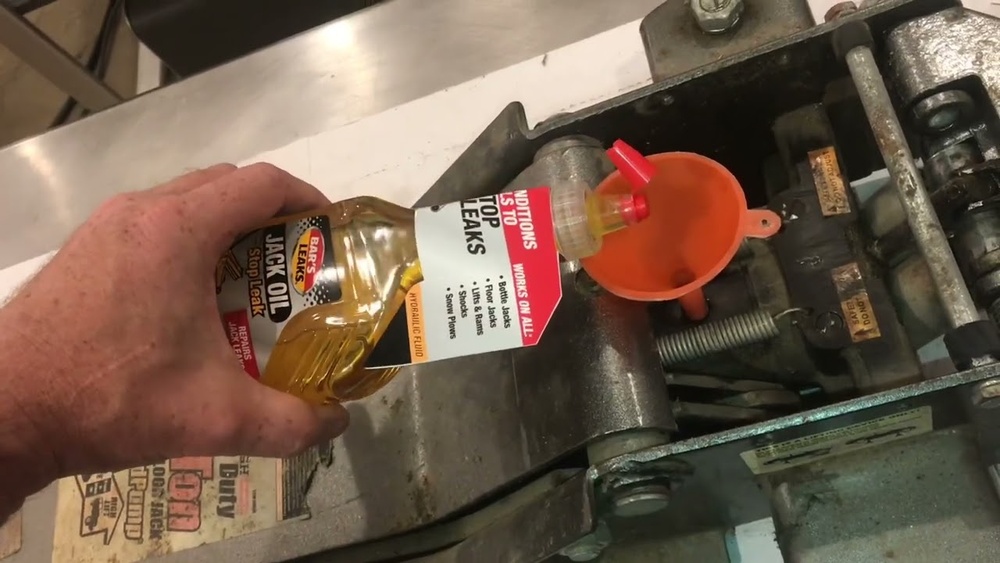
Use a funnel to pour the fluid. This helps prevent spills and waste. Pour slowly until the fluid reaches the fill line. Do not overfill. Overfilling can cause leaks and poor jack performance.
Replace The Reservoir Cap
Put the cap back on and tighten it securely. Make sure it fits well to stop leaks. Wipe off any spilled fluid around the cap. Your floor jack is now ready for use with fresh hydraulic fluid.
Bleeding Air From The System
Bleeding air from the system is a key step when adding hydraulic fluid to your Craftsman floor jack. Air trapped inside the hydraulic system can cause the jack to work poorly or fail to lift properly. Removing this air ensures smooth and safe operation.
Air bubbles reduce the power of the hydraulic fluid. This makes the jack feel soft or spongy when lifting. Clearing the air restores full pressure and control. The process is simple but important for proper jack maintenance.
Locate The Bleed Valve
First, find the bleed valve on your floor jack. It is usually near the hydraulic cylinder. The valve looks like a small screw or bolt. Use the owner’s manual if you cannot find it. This valve releases trapped air when opened.
Open The Bleed Valve Carefully
Use a wrench or screwdriver to open the bleed valve slightly. Do not remove it completely. Opening too much can cause fluid to leak out. Open just enough to let air escape. You will hear a hissing sound as air leaves.
Pump The Jack To Remove Air
Next, pump the jack handle slowly several times. This action pushes air bubbles toward the bleed valve. Continue pumping while the valve is open. Air will escape with hydraulic fluid. Stop pumping when no more air sounds occur.
Close The Bleed Valve
After air stops escaping, close the bleed valve tightly. Use the wrench or screwdriver to secure it. Make sure it is fully closed to avoid leaks. Check the jack’s lifting action to confirm air is removed.

Credit: www.youtube.com
Testing The Floor Jack
Testing the floor jack after adding hydraulic fluid is important. It checks if the jack works well and safely. Proper testing helps avoid accidents and ensures smooth lifting.
Check For Leaks
Look under the jack for any fluid drops. Leaks mean the jack may not work correctly. Clean any spills and watch closely while testing.
Operate The Handle
Pump the handle slowly and feel the resistance. The jack should lift smoothly without jerks or noise. If it feels weak or stiff, the fluid level might be wrong.
Lift A Small Load
Place a light object on the jack. Pump the handle to lift the load a few inches. The jack should hold the weight steadily without dropping.
Lower The Jack Safely
Turn the release valve slowly to lower the load. The descent should be smooth and controlled. Sudden drops mean the jack needs more fluid or repair.
Maintenance Tips For Longevity
Proper maintenance extends the life of your Craftsman floor jack. Regular care helps keep it working smoothly and safely. Follow these simple tips to ensure your jack stays reliable for years.
Check Hydraulic Fluid Levels Regularly
Low hydraulic fluid can cause poor lifting performance. Open the fill plug and inspect the fluid level. Add the recommended hydraulic fluid if it is low. Avoid overfilling to prevent leaks and damage.
Keep The Jack Clean And Dry
Wipe off dirt and grease after each use. Dirt can clog moving parts and cause rust. Store the jack in a dry place away from moisture. Clean equipment lasts longer and works better.
Inspect For Leaks And Wear
Look for oil leaks around seals and valves. Leaks reduce hydraulic pressure and can cause failure. Replace worn or damaged parts immediately. Regular checks help catch problems early.
Lubricate Moving Parts
Apply light machine oil to hinges and wheels. Lubrication reduces friction and wear. Smooth movement protects the jack from damage. Do this every few uses for best results.
Test The Jack Before Use
Raise and lower the jack to test its function. Listen for strange noises or jerky movements. Check if it holds weight steadily. Testing prevents accidents and ensures safe operation.
Credit: redeyegarage.com
Frequently Asked Questions
How Do I Check Hydraulic Fluid Level In Craftsman Jack?
To check the fluid, first fully lower the jack. Remove the fill plug on top. The fluid should be near the opening. Add fluid if the level is low.
What Type Of Hydraulic Fluid Suits Craftsman Floor Jack?
Use high-quality jack or hydraulic oil recommended by Craftsman. Avoid brake or transmission fluids. Proper fluid ensures smooth operation and prevents damage.
How Often Should I Replace Hydraulic Fluid In The Jack?
Replace the fluid every 12 months or after heavy use. Old fluid causes poor performance and internal wear. Regular changes keep the jack reliable and safe.
Can I Overfill Hydraulic Fluid In Craftsman Jack?
No, overfilling can cause leaks and pressure issues. Fill fluid just below the fill hole for proper function. Always follow manufacturer guidelines.
Conclusion
Adding hydraulic fluid to your Craftsman floor jack keeps it working well. Check fluid levels often to avoid damage or poor lifting. Use the right type of fluid for best results. Keep your tools clean and store them in a dry place.
Taking these small steps helps your floor jack last longer. Safe and smooth lifting starts with proper care and maintenance. Simple actions make a big difference in how your jack performs. Keep it ready for the next job.