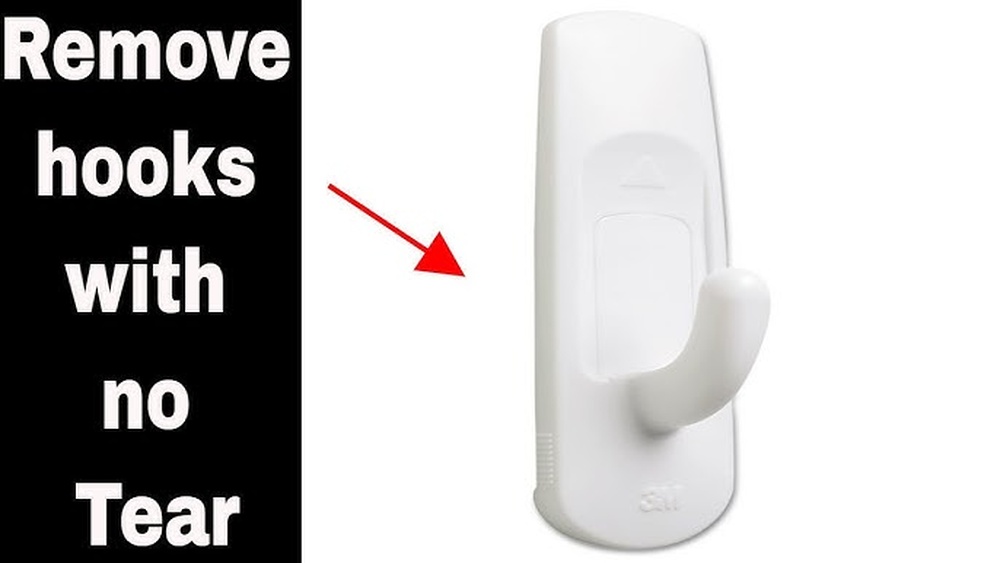
Are you staring at those stubborn 3M hooks stuck to your wall, wondering how to remove them without leaving marks or damage? You’re not alone.
These handy hooks hold strong, but taking them off can feel tricky and frustrating. What if there was a simple, foolproof way to get them off cleanly—saving your walls and your patience? Keep reading, because we’re about to share easy steps that will help you remove 3M hooks quickly and safely, so your walls stay looking fresh and flawless.
Types Of 3m Hooks
3M hooks come in different types for various uses. Each type has a unique design and purpose. Knowing these types helps in choosing the right hook for your wall. It also makes removing them easier and safer.
Here are the main types of 3M hooks used in homes and offices.
Command Strips
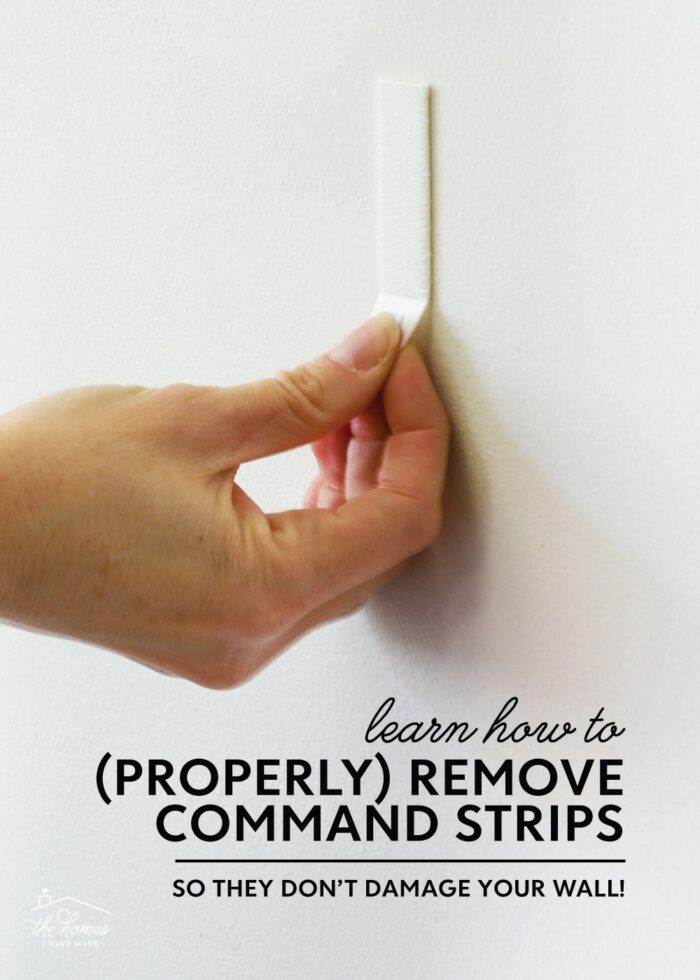
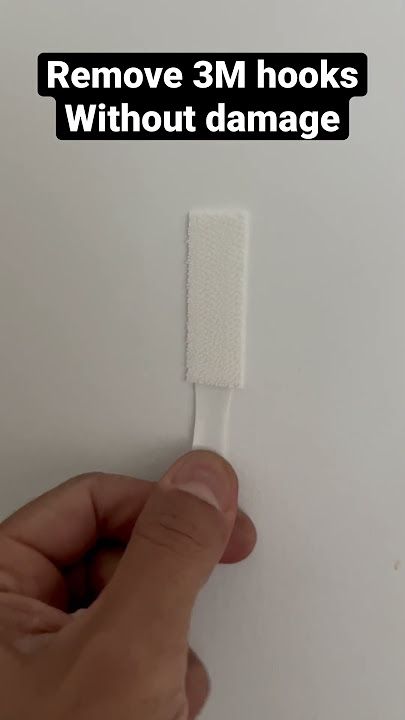
Command strips are popular for hanging pictures and light items. They have adhesive on both sides and a plastic strip in the middle. You press the strip to stick it on the wall and hook. To remove, pull the tab slowly to release the adhesive without damage.
Adhesive Hooks
Adhesive hooks come with sticky backs that attach firmly to surfaces. They hold keys, towels, or small tools. These hooks are easy to place but need careful removal. Heat or slow pulling helps to avoid peeling paint or wallpaper.
Specialty Hooks
Specialty hooks serve specific needs like hanging heavy objects or outdoor use. They may have stronger adhesives or unique shapes. Removing these hooks might require extra care and patience to protect the wall.
Credit: thehomesihavemade.com
Preparation Before Removal
Preparing to remove 3M hooks from your wall helps protect your surface. A careful start reduces damage and makes removal easier. Follow these steps to get ready before pulling the hook off.
Clear The Hook
Remove any items hanging on the hook. Emptying the hook stops extra weight from pulling on the wall. This step keeps the area safe and ready for removal.
Check Wall Surface
Look closely at the wall around the hook. Note the type of paint or wallpaper. Some surfaces need more care during removal. Spot any cracks or loose paint to avoid more damage.
Gather Necessary Tools
Collect items you need for removal. Common tools include dental floss or fishing line and a plastic card. Have a clean cloth and mild cleaner ready for after removal. Preparing tools saves time and avoids mistakes.
Step-by-step Removal Techniques
Removing 3M hooks from walls can be tricky without damage. The key lies in following simple, careful steps. These step-by-step techniques help remove hooks cleanly and safely. Each method fits different situations and wall types. Choose the one that suits you best for easy removal.
Stretching The Adhesive Strip
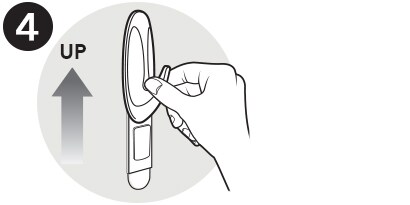
Grab the tab at the bottom of the adhesive strip. Pull it slowly straight down, not towards you. Keep pulling gently to stretch the strip. This action loosens the glue without harming the wall. Continue until the hook releases cleanly. Avoid pulling too fast to stop paint from peeling.
Using Dental Floss Or Fishing Line
Take a piece of dental floss or thin fishing line. Slide it behind the hook’s base. Move the floss back and forth with a gentle sawing motion. This cuts through the adhesive under the hook. Work slowly to avoid wall damage. Once the adhesive is cut, lift the hook away carefully.
Applying Heat For Easier Removal
Use a hairdryer on low heat setting. Aim the warm air at the adhesive area for 30 seconds. The heat softens the glue, making removal easier. After warming, try pulling the adhesive strip gently. Repeat heating if the hook feels stuck. This method works well on tougher adhesives.
Credit: www.commandbrand.com.au
Tips To Avoid Wall Damage
Removing 3M hooks without damaging your wall needs care and patience. The right method protects paint and surface. Small mistakes can cause peeling or marks. Follow these tips to keep walls safe and clean.
Gentle Pulling Methods
Start by pulling the hook slowly. Use steady, even force. Avoid quick or harsh tugs. Stretch the adhesive strip along the wall. Pulling straight down or at an angle helps. This reduces stress on paint and drywall.
Avoiding Paint Peeling
Heat the strip with a hairdryer first. Warmth softens the adhesive. This makes removal easier. Pull the strip slowly while heating. Test a small area first. Avoid pulling too fast to protect paint. Use a plastic card to gently lift edges if needed.
Handling Different Wall Types
Know your wall material before removal. Painted drywall needs extra care. Use heat and slow pulling here. Wallpaper can peel easily, so pull very gently. Tile or glass surfaces allow firmer pulls. Use warm air to loosen adhesive on harder surfaces. Adjust your method for each wall type.
Removing Residue After Hook Removal
After removing 3M hooks from your wall, some sticky residue might remain. This leftover glue can attract dust and make your wall look messy. Cleaning the residue is important to restore the wall’s smooth surface. Several easy methods work well to get rid of this sticky mess.
Using Rubbing Alcohol
Rubbing alcohol breaks down the adhesive left on the wall. Dab a small amount on a clean cloth. Gently rub the sticky area in a circular motion. Avoid soaking the wall to prevent damage. The residue will start to lift off. Wipe the area with a dry cloth afterward.
Cleaning With Soap And Water
Soap and water work well for light residue. Mix warm water with a few drops of dish soap. Dip a soft cloth or sponge into the soapy water. Rub the sticky spot gently until the residue softens. Rinse with clean water and dry the wall. This method is safe for most wall surfaces.
Commercial Adhesive Removers
Adhesive removers target tough sticky residue. Choose a remover safe for painted walls. Apply a small amount on a cloth. Rub the residue carefully until it dissolves. Follow the product instructions for best results. Clean the wall with soap and water after use to remove any leftover remover.
When Removal Goes Wrong
Removing 3M hooks can be tricky sometimes. The adhesive might not come off cleanly. The wall surface may get damaged during removal. This can leave marks, paint chips, or small holes. Don’t worry. These issues are fixable with simple steps. Acting quickly can restore your wall’s look.
Fixing Small Wall Damages
Start by cleaning the area gently. Use a damp cloth to remove dust and loose paint. For small holes or dents, apply a little wall filler. Smooth the surface with a putty knife. Let the filler dry fully before the next step. Sand the area lightly to make it even. This prepares the wall for repainting or touch-up.
Repainting And Touch-ups
Choose paint that matches your wall color. Use a small brush for touch-up work. Apply paint carefully over the repaired spots. Let the paint dry completely. If needed, apply a second coat for better coverage. This helps hide any marks left by the hook or damage.
Preventing Future Issues
Test the hook on a small wall area first. Clean the wall surface before applying the hook. Avoid pulling the hook too hard when removing it. Use the recommended removal method from 3M. This reduces chances of wall damage. Proper care keeps your walls smooth and clean.
Alternative Hook Options
Removing 3M hooks can be tricky, and sometimes you want a better option. Alternative hooks give you different ways to hang items without damaging walls. These options fit various needs and surfaces. They can be easier to remove or reuse. Here are some good choices to consider for your space.
Reusable Hooks
Reusable hooks stick to the wall with a special gel or silicone. They hold well but peel off cleanly. You can wash the sticky part and use the hook again. These hooks work well on smooth surfaces like glass or tiles. They save money because you don’t throw them away after one use. Perfect for renters or temporary setups.
Non-adhesive Mounts
Non-adhesive mounts do not use glue or tape. Instead, they rely on suction cups, tension rods, or clamps. These mounts keep walls safe from marks and holes. They are great for bathrooms, kitchens, and windows. Easy to move and adjust as needed. Best for light items and smooth, flat surfaces.
Magnetic And Suction Hooks
Magnetic hooks attach to metal surfaces like refrigerators or metal doors. They hold heavy objects without nails or glue. Suction hooks stick to smooth surfaces using vacuum pressure. Both types remove without leaving marks or damage. Ideal for small spaces and temporary use. These hooks combine strength with easy removal.
Credit: www.youtube.com
Frequently Asked Questions
How Do I Remove 3m Hooks Without Damaging Walls?
To remove 3M hooks safely, pull the adhesive strip slowly parallel to the wall. Avoid yanking to prevent paint damage. Use heat from a hairdryer to soften the adhesive if needed. This method helps preserve your wall’s surface effectively.
Can I Reuse 3m Hooks After Removal?
3M hooks are designed for one-time use. Once removed, the adhesive strip loses its stickiness. For best results, replace with a new adhesive strip to ensure strong hold and secure hanging. Reusing may cause hooks to fall.
What Tools Help Remove 3m Hooks Easily?
No special tools are required to remove 3M hooks. Use your hands to pull the adhesive strip gently. A hairdryer can help soften the adhesive. Avoid scrapers or knives to prevent wall damage.
Will 3m Hooks Damage Painted Walls?
When removed correctly, 3M hooks usually do not damage painted walls. Pulling the adhesive strip slowly prevents paint peeling. However, old or weak paint may be more vulnerable. Test on a small area if unsure.
Conclusion
Removing 3M hooks from walls does not need to be hard. Pull the tab slowly and steadily to avoid damage. Warm the adhesive with a hairdryer if it feels stuck. Clean any leftover residue gently using soap and water. These steps help keep walls safe and neat.
You can hang things again without worry. Simple care leads to better results every time. Try these tips for easy hook removal today.