If you’re looking to remove a double cylinder deadbolt, you might be facing a tricky situation. Maybe you want to upgrade your locks, fix a jam, or improve your home’s security.
Whatever your reason, you need a clear, simple guide that shows you exactly what to do—no confusing jargon or extra steps. This article will walk you through the process step-by-step, so you can remove your double cylinder deadbolt quickly and safely.
Keep reading, and you’ll gain the confidence to handle this task on your own.

Credit: kc.allegion.com
Tools Needed
Removing a double cylinder deadbolt requires the right tools. Using proper tools makes the job faster and safer. Below is a list of essential tools you will need.
Screwdriver
A screwdriver is a must-have tool. Most deadbolts use Phillips or flathead screws. Choose the screwdriver that fits the screws perfectly. This helps avoid stripping the screw heads.
Allen Wrench
Some deadbolts use hex screws. An Allen wrench set will cover all sizes. It helps remove screws that a screwdriver cannot.
Pliers
Pliers help hold and pull small parts. Use needle-nose pliers for better grip. They can also twist stubborn components.
Flashlight
Good lighting is important. A flashlight brightens dark door edges and screw holes. It helps you see clearly during the removal process.
Lubricant
Lubricant can loosen stuck screws or bolts. Spray a small amount on tight parts. This makes removal easier and protects the hardware.
Safety Precautions
Removing a double cylinder deadbolt requires careful attention to safety. This lock type has two keyholes, one on each side of the door. It adds security but can be tricky to remove. Taking safety steps prevents damage and keeps you safe during the process.
Follow these safety tips before starting. Prepare your tools and workspace. Stay calm and work slowly to avoid mistakes.
Wear Safety Gloves And Glasses
Protect your hands with safety gloves. The lock and tools may have sharp edges. Wear glasses to shield your eyes from metal shards or dust. Safety gear reduces the chance of injury.
Work In A Well-lit Area
Good lighting helps you see small screws and parts clearly. It prevents accidents caused by poor visibility. Use a bright lamp or daylight near a window.
Keep Tools Organized
Arrange your tools before you start. Keep screws and small parts in a container. This stops loss and makes reassembly easier. An organized workspace speeds up the job.
Do Not Force The Lock
Forcing the deadbolt can damage the door or lock. Use the right tools and gentle pressure. Patience helps avoid costly repairs or injury.
Inform Others Nearby
Tell family members or roommates about your work. Avoid interruptions and keep children or pets away. A quiet space improves focus and safety.
Identify Double Cylinder Deadbolt
A double cylinder deadbolt has keyholes on both sides of the door. Identifying it is easy by checking for two key slots. This type of lock needs keys to open from inside and outside.
What Is A Double Cylinder Deadbolt?
A double cylinder deadbolt has keyholes on both sides of the door. It needs a key to lock or unlock from inside and outside. This design adds security but can be tricky to identify.
Visual Signs To Spot A Double Cylinder Deadbolt
Look at your door’s lock. If you see a keyhole on the inside knob or lock, it is likely a double cylinder deadbolt. Single cylinder deadbolts have a thumb turn on the inside instead of a keyhole.
Why Identify The Deadbolt Type?
Knowing your deadbolt type helps in choosing the right tools to remove it. Double cylinder locks need a key for removal from both sides. This knowledge saves time and effort during removal.
Remove Interior Screws
Removing the interior screws is a key step in taking out a double cylinder deadbolt. These screws hold the interior part of the lock firmly in place. Without removing them, you cannot pull the lock apart or access the inner mechanism.
It is important to use the right tools to avoid stripping the screws. A screwdriver that fits well will make the task easier and faster. Carefully unscrew each screw and keep them safe for reinstallation or replacement.
Identify The Interior Side Of The Deadbolt
The interior side usually faces inside the house. It has the thumb turn or keyhole for locking and unlocking. Look for screws on this side, often found on the faceplate or near the lock cylinder.
Select The Correct Screwdriver
Use a screwdriver that matches the screw type, usually Phillips or flathead. Using the wrong tool can damage the screws. A snug fit helps you apply steady pressure without slipping.
Unscrew The Interior Fasteners
Turn each screw counterclockwise slowly. Do not rush to prevent stripping the heads. Remove all screws holding the interior lock plate firmly against the door.
Keep Screws Organized
Place the screws in a small container or magnetic tray. This prevents losing them and keeps your workspace tidy. Organized screws make reassembly smoother.
Take Off Interior Thumbturn
The interior thumbturn is the small knob on the inside of a double cylinder deadbolt. It allows you to lock or unlock the door without a key. Removing this part is the first step in taking off the entire deadbolt. It helps access the screws and mechanisms inside the door.
Removing the thumbturn is easy with the right tools. Usually, you only need a screwdriver. The process is quick and requires little effort.
Locate The Screws Holding The Thumbturn
Look closely at the thumbturn. Find the screws that hold it in place. Most thumbturns have one or two small screws on the face or side. These screws keep the thumbturn attached to the lock mechanism inside the door.
Use The Proper Screwdriver
Use a screwdriver that fits the screws well. A loose screwdriver can strip the screws and make removal harder. Most deadbolt screws use a Phillips head screwdriver. Check the screw type before starting.
Remove The Screws Carefully
Turn the screws counterclockwise to loosen them. Keep the screws safe after removal. They are small and easy to lose. Once the screws come out, the thumbturn should come off easily.
Pull Off The Thumbturn
Gently pull the thumbturn away from the door. It should slide off without force. If it feels stuck, check for hidden screws. Avoid using tools that can damage the door or lock.
Check The Lock Mechanism
After removing the thumbturn, look inside the door. You will see the lock mechanism and screws holding the deadbolt. This view allows you to continue removing the deadbolt safely.
Unscrew Exterior Cylinder
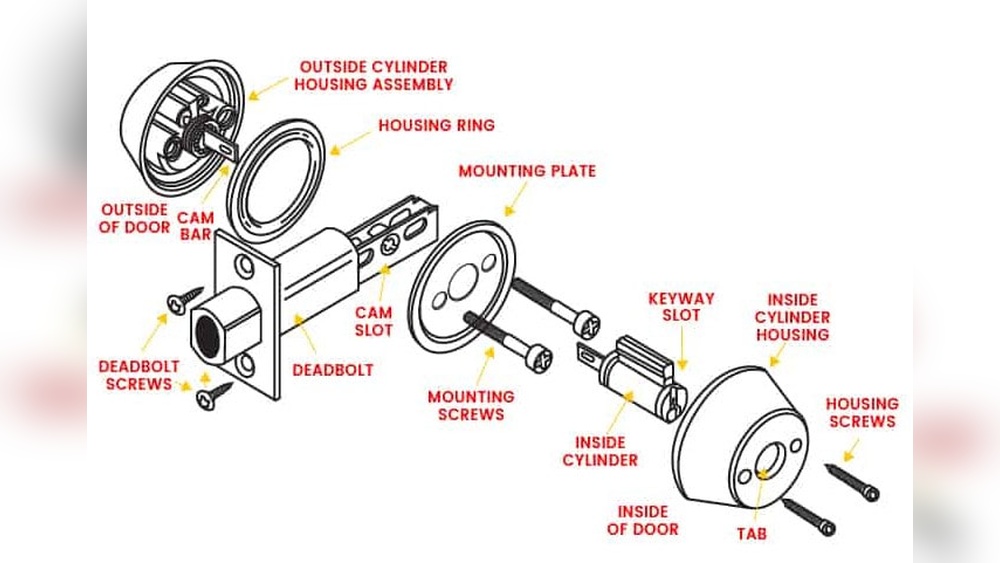
The first step to remove a double cylinder deadbolt is to unscrew the exterior cylinder. This part holds the lock on the outside of your door. It is important to do this carefully to avoid damage.
Before starting, gather the right tools. Usually, a screwdriver works best. Check the type of screws your lock has. Most often, they are Phillips or flathead screws.
Locate The Screws On The Exterior Cylinder
Look closely at the lock on the outside of your door. You will see screws holding the cylinder in place. Sometimes, these screws are hidden under a cover plate. Remove the cover if needed.
Use The Correct Screwdriver
Choose a screwdriver that fits the screws well. Using the wrong size can strip the screws. Turn the screwdriver slowly to avoid slipping.
Turn Screws Counterclockwise
To remove the screws, turn them counterclockwise. Do this gently. Keep a firm grip on the screwdriver. If a screw is tight, try applying a little extra pressure without forcing it.
Remove The Exterior Cylinder Carefully
Once the screws are out, pull the cylinder straight from the door. Do not twist it hard. The cylinder should come off easily. Set it down safely to avoid losing parts.
Extract Deadbolt Mechanism
Extracting the deadbolt mechanism is a key step in removing a double cylinder deadbolt. This part controls the lock’s movement and needs careful handling. Removing it lets you replace or fix the lock easily.
Follow clear steps to remove the deadbolt mechanism safely. Use the right tools and work patiently. This ensures no damage to your door or lock.
Remove Interior Thumb Turn
Start by unscrewing the interior thumb turn. This is the small knob inside the door. Use a screwdriver to take out the screws holding it. Gently pull the thumb turn away from the door.
Unscrew Deadbolt Faceplate
Next, remove the screws on the door edge. These hold the deadbolt faceplate in place. Use a screwdriver to take out all screws. Carefully pull off the faceplate from the door.
Slide Out Deadbolt Mechanism
With the faceplate removed, the deadbolt mechanism is visible. Hold the bolt and pull it straight out. It may need some wiggling but avoid forcing it. If stuck, check for hidden screws.
Inspect Mechanism For Damage
After removal, check the mechanism closely. Look for signs of wear or broken parts. This helps decide if repair or replacement is needed. Clean any dirt before installing a new part.

Credit: www.youtube.com
Check Door For Damage
Checking the door for damage is an important step before removing a double cylinder deadbolt. Damage can make removal harder or affect how the lock works after removal. Look closely at the door around the lock area.
Small cracks or dents can cause problems later. Sometimes the door frame or edge has marks from the deadbolt. These might need fixing before installing a new lock.
Inspect The Door Surface
Start by examining the door surface near the deadbolt. Look for scratches, chips, or cracks. These signs show wear or damage from the lock.
Use a flashlight to see small cracks. Check both sides of the door. Surface damage can weaken the door’s strength.
Check The Door Frame
Look at the door frame where the deadbolt extends. The frame can have splits or dents from the bolt’s pressure. This damage affects lock alignment.
Press lightly around the frame. Feel for soft spots or loose wood. These may need repair before fitting a new lock.
Assess The Lock Hole
Examine the hole drilled for the deadbolt. It should be smooth and round. Rough edges or splinters can block lock removal.
Use a small tool to clear any wood chips. A clean hole helps the lock come out easily and fits new hardware well.
Replace Or Upgrade Lock
Replacing or upgrading a double cylinder deadbolt improves home security and ease of use. Old locks may wear out or no longer provide the protection needed. Upgrading lets you choose better features for your door.
Choose a lock that fits your door and meets your security needs. Some locks offer keyless options or smart technology for added convenience. Make sure the new lock works on both sides of the door if needed.
Choosing The Right Replacement Lock
Pick a lock with strong materials like solid brass or steel. Check the lock’s grade rating for durability and security. Consider the lock’s design so it matches your door style.
Installing The New Deadbolt
Remove the old lock carefully without damaging the door. Align the new lock’s parts with existing holes. Tighten screws firmly to keep the lock secure.
Testing The Lock Functionality
Test the lock from both sides of the door. Ensure the key turns smoothly and the bolt slides fully. Check that the lock engages properly every time.
Test New Lock Functionality
After installing a new lock, testing its functionality is crucial. This step ensures your door locks and unlocks smoothly. It also confirms the lock works correctly on both sides. Proper testing prevents future problems and keeps your home secure.
Check The Key Operation
Insert the key into the lock. Turn it slowly to lock and unlock the door. The key should move without sticking or resistance. Test the key several times for consistency. If the key feels rough, the lock may need adjustment.
Test The Thumbturn
Use the thumbturn on the inside of the door. Turn it to lock and unlock the door. It should turn easily without force. The thumbturn controls the deadbolt’s movement. Make sure it fully extends and retracts the bolt.
Ensure Smooth Bolt Movement
Check the deadbolt as it moves in and out. The bolt should slide smoothly into the strike plate. If it sticks or jams, adjust the strike plate or lock alignment. A smooth bolt prevents damage and improves security.
Verify Door Alignment
Close the door and test the lock. The door should close fully without resistance. The deadbolt must fit perfectly into the strike plate. Poor alignment can cause the lock to fail over time.

Credit: diy.stackexchange.com
Frequently Asked Questions
How Do You Remove A Double Cylinder Deadbolt?
To remove a double cylinder deadbolt, first unlock both sides using the key. Unscrew the interior screws holding the lock in place. Carefully pull out both lock cylinders. Finally, remove the strike plate if necessary.
What Tools Are Needed To Remove A Double Cylinder Deadbolt?
You need a Phillips screwdriver, a flathead screwdriver, and the key used for the lock. These tools help unscrew and safely remove the lock components.
Can I Remove A Double Cylinder Deadbolt Without A Key?
No, you need the key to unlock both sides before removal. Without the key, removing the lock can damage the door or lock.
How Long Does It Take To Remove A Double Cylinder Deadbolt?
It usually takes 10 to 20 minutes, depending on your experience. Having the right tools ready speeds up the process.
Conclusion
Removing a double cylinder deadbolt can be simple with the right steps. Take your time and follow each part carefully. Use the right tools to avoid damage. Safety matters, so keep your door secure during the process. Practice makes perfect; don’t rush.
Now, you can change or fix your lock easily. Stay safe and confident handling home repairs. This skill helps save money and adds convenience. Keep this guide handy for future use.