Have you ever faced the frustration of a broken key stuck inside your deadbolt lock? It can feel like a small problem, but it quickly turns into a big headache.
You might worry about damaging your lock or being locked out of your own home. Don’t panic—you’re not alone, and there’s a way to fix this. You’ll discover simple, step-by-step methods to safely remove that broken key. Keep reading, because the solution is easier than you think, and you’ll be back in control of your lock in no time.

Credit: www.wikihow.com
Tools Needed
Removing a broken key from a deadbolt lock needs the right tools. Having these tools ready makes the job easier and faster. Some tools are common in most homes. Others are made for locks only. Knowing what tools you need helps you fix the problem without damage.
Common Household Items
Several household items can help pull out a broken key. Tweezers or needle-nose pliers work well to grab the key piece. A small flathead screwdriver can push the key out gently. A strong magnet might pull out metal fragments. Lubricant spray helps the key slide out smoothly. Tape or glue on a toothpick can sometimes stick to the key.
Specialized Lock Tools
Tools made specifically for locks make removal easier. A key extractor tool fits inside the lock to hook the broken key. A lock pick set can move pins to free the key. A tension wrench twists the lock gently while pulling the key. These tools give more control and reduce damage risk. They are available online or at hardware stores.

Credit: www.youtube.com
Assessing The Situation
Dealing with a broken key stuck in a deadbolt lock can be frustrating. The first step is to carefully assess the situation. This helps you decide the best way to remove the key without causing damage. Understanding the position of the key fragment and the type of lock will guide your next actions.
Check Key Fragment Position
Look closely at where the broken key piece is inside the lock. Is it deep inside or near the keyhole? If the fragment sticks out slightly, you may be able to pull it out easily. If it is far inside, you might need special tools. Knowing the fragment’s position helps avoid pushing it further in. Use a flashlight for a clear view.
Evaluate Lock Type
Identify the kind of deadbolt lock you have. Some locks are simple, while others are more complex. Different locks need different removal methods. For example, a single-cylinder deadbolt is easier to work with than a double-cylinder type. Check if your lock has any unique features like a thumb turn. This information makes your approach safer and more effective.
Simple Removal Techniques
Removing a broken key from a deadbolt lock can be simple with the right approach. Using basic tools and a bit of patience often solves the problem quickly. These simple removal techniques help avoid damage to the lock and save time.
Using Tweezers Or Pliers
First, try to pull out the broken key piece with tweezers or small pliers. Gently grip the exposed part of the key. Pull slowly and steadily to avoid pushing it further inside. If the key is deep, use a thin, pointed tool to move it closer to the lock’s opening. This method works best when part of the key sticks out.
Applying Super Glue Trick
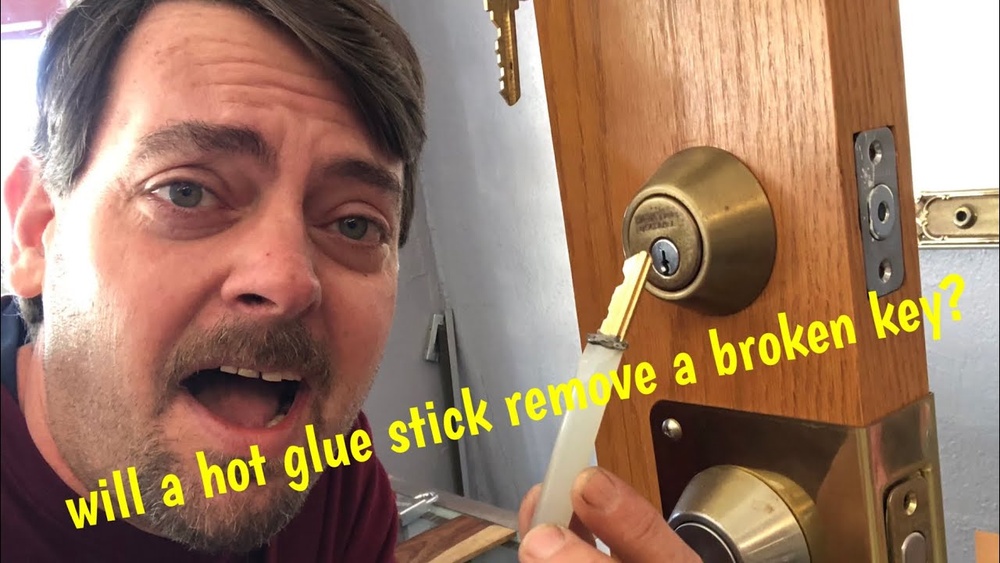
Use super glue carefully to attach the broken key to a small rod or another key piece. Apply a tiny drop of glue on the tool tip. Touch the broken key piece and hold it firmly. Wait a minute for the glue to set. Then pull the key out slowly. Be careful not to use too much glue. This trick helps when the broken part is hidden inside the lock.
Advanced Methods
Sometimes simple tricks do not work to remove a broken key from a deadbolt lock. Advanced methods help when the key piece is deep inside or stuck tight. These ways need more care and special tools. They can save time and avoid damage to the lock.
Two common advanced methods include using a broken key extractor and drilling the lock. Each method has steps to follow and risks to know. Use these only after basic attempts fail or if you are sure about the process.
Using A Broken Key Extractor
A broken key extractor is a small tool designed to pull out key pieces. Insert the tool carefully into the lock along the broken key. The tool’s tiny hooks catch the key’s edges. Pull gently to avoid pushing the key further inside.
Work slowly and keep the tool steady. Sometimes, turning the lock slightly helps loosen the broken key. If the key does not come out easily, stop and try another method.
Drilling The Lock
Drilling is a last option to remove a broken key. It destroys the lock cylinder to clear the key inside. Use a drill with a small bit first to avoid too much damage. Drill near the key’s position inside the lock.
Wear safety glasses and keep hands steady. After drilling, push out the broken key pieces with a pin or screwdriver. Replace the lock cylinder immediately after this process.
Preventing Future Breaks
Broken keys in deadbolt locks cause frustration and cost. Prevention saves time and money. Simple habits help avoid future breaks. Focus on proper key use and lock care.
Proper Key Handling
Use keys gently. Do not force them into the lock. Hold keys straight when turning. Avoid using keys as tools or pry bars. Keep keys clean and dry to prevent wear. Replace damaged keys quickly to avoid breakage.
Regular Lock Maintenance
Clean locks regularly to remove dirt and dust. Lubricate locks with graphite or silicone spray. Avoid oil-based lubricants that attract grime. Check lock alignment often to ensure smooth operation. Fix loose screws or parts promptly. Regular care keeps locks working well longer.

Credit: www.wikihow.com
When To Call A Locksmith
Knowing when to call a locksmith is important if a key breaks in a deadbolt lock. Trying to fix it yourself can cause more damage. Sometimes, professional help is the safest and fastest choice. A locksmith has the right tools and skills to remove the broken key without harming the lock.
Signs You Need Professional Help
One sign is if the key is deeply stuck inside the lock. Another sign is if the lock feels jammed or hard to turn. Trying to pull the key out with pliers may push it further inside. If you do not have the right tools, the problem might get worse. A locksmith can quickly assess and fix these problems.
Choosing The Right Locksmith
Pick a locksmith who is licensed and insured. Check reviews to see if others trust their work. Ask if they specialize in lock and key issues. A good locksmith will arrive fast and work carefully. Avoid locksmiths with unclear prices or no references.
Frequently Asked Questions
How Can I Safely Remove A Broken Key From A Deadbolt?
Use tweezers or needle-nose pliers to gently pull the broken key out. Apply graphite lubricant to ease removal. Avoid forcing it to prevent lock damage.
What Tools Are Best For Extracting A Broken Key?
Tweezers, needle-nose pliers, a broken key extractor tool, and lubricant are ideal. These tools help grip and slide the key piece out smoothly.
Can I Fix A Deadbolt Lock After Key Removal?
Yes, after removing the key, inspect the lock for damage. If it turns smoothly, it’s reusable. Otherwise, consider replacing or repairing the lock for security.
Should I Call A Locksmith To Remove A Broken Key?
If DIY methods fail or the lock is complex, call a professional locksmith. They have specialized tools and skills to safely extract the key without damage.
Conclusion
Broken keys in deadbolt locks cause stress but can be fixed. Try simple tools first, like tweezers or a small screwdriver. Be gentle to avoid damage. If that fails, a locksmith can help quickly and safely. Regular lock care helps prevent future problems.
Keep calm and act carefully to solve the issue without extra cost. You can handle this with patience and the right steps.