Your deadbolt is the first line of defense for your home. But is it truly keeping you safe?
Many people don’t realize there are simple steps you can take right now to make your deadbolt much harder to break or pick. Imagine the peace of mind you’ll feel knowing your door is more secure against intruders. You’ll discover easy, effective ways to strengthen your deadbolt and protect what matters most.
Keep reading to learn how to make your home safer starting today.
Choosing The Right Deadbolt
Choosing the right deadbolt is key to improving home security. A solid deadbolt can stop many break-in attempts. Not all deadbolts offer the same protection. Understanding the types and features helps you pick the best one.
Single Vs. Double Cylinder
Single cylinder deadbolts use a key outside and a thumb turn inside. They are easy to use in emergencies. Double cylinder deadbolts need a key on both sides. They work well for doors with glass near the lock. This stops intruders from breaking glass and opening the door. Choose based on your door type and safety needs.
Grade Ratings And What They Mean
Deadbolts have grades from 1 to 3. Grade 1 is the strongest and best for security. Grade 2 is good for home use. Grade 3 offers basic protection. Look for a deadbolt with Grade 1 or 2 for better safety. This rating shows how well the lock resists force and wear.
Smart Deadbolts And Keyless Options
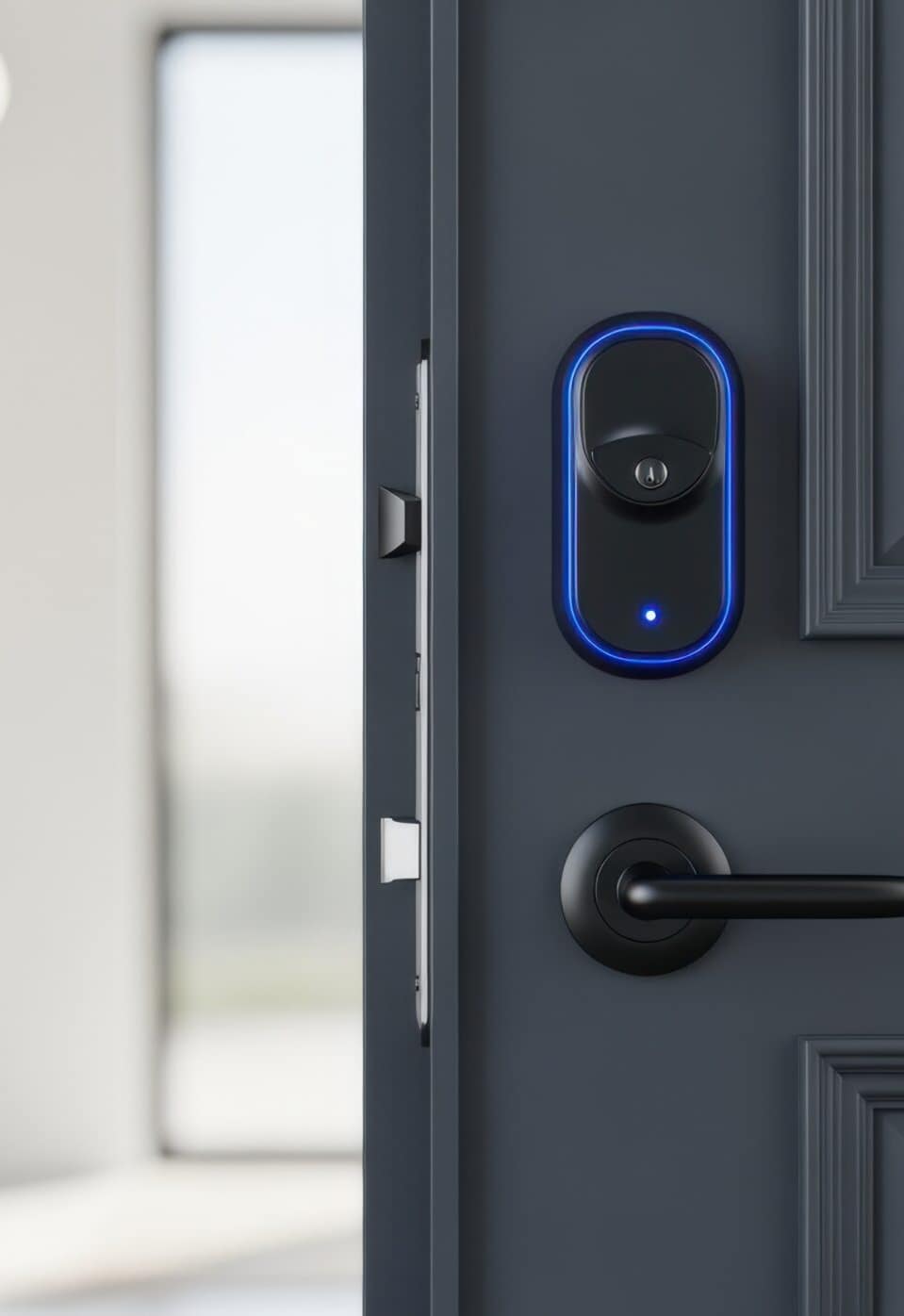
Smart deadbolts use codes, apps, or fingerprints. They let you lock and unlock remotely. No need for keys. Keyless options reduce lost key problems. Some models send alerts if someone tries to open the door. These locks add convenience and extra security features.
Reinforcing The Door Frame
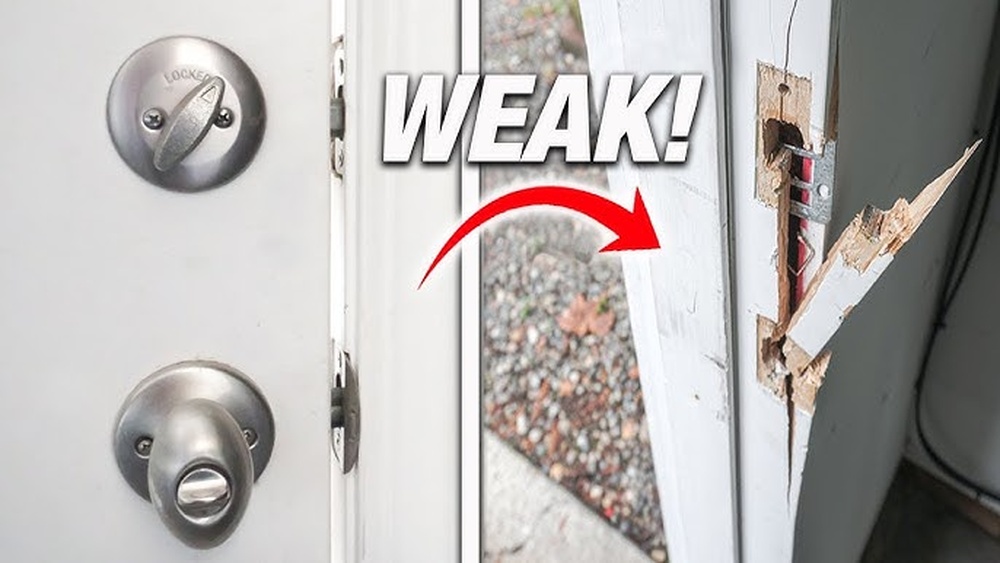
Reinforcing the door frame is key to making a deadbolt stronger. The door frame holds the lock in place. If it is weak, the lock can fail easily. Strengthening the frame stops forced entry better. Small changes can make a big difference. Focus on parts that hold the deadbolt tightly.
Installing A Heavy-duty Strike Plate
A strike plate is the metal piece on the door frame. It catches the deadbolt when the door closes. A heavy-duty strike plate is thicker and stronger. It spreads out the force when someone tries to kick the door. Choose one made of solid steel for best results. Secure it with screws to keep the lock steady.
Using Longer Screws For Extra Strength
Standard screws are usually short and weak. Replace them with screws that are at least 3 inches long. Long screws reach deep into the wall studs behind the frame. This makes the door frame much harder to break. Use a drill to put screws in firmly. Check all screws hold tight and do not wiggle.
Adding A Door Reinforcement Plate
A door reinforcement plate covers the area around the lock. It protects the frame from cracks and breaks. Plates are made from strong metal and fit around the lock. Install it with screws for added security. This plate stops the frame from splitting during attacks. It also makes the door look solid and secure.
Enhancing Lock Installation
Enhancing lock installation is key to making a deadbolt more secure. Proper installation reduces weak points that burglars could exploit. This section covers steps to improve how you install your deadbolt for stronger protection.
Proper Deadbolt Alignment
Align the deadbolt and strike plate carefully. Misalignment causes the bolt to not fit fully into the door frame. This weakens the lock’s hold. Use a pencil to mark where the bolt hits. Adjust the strike plate until the bolt slides smoothly. Test the lock several times to ensure proper movement.
Ensuring Tight Fit And Minimal Gaps
Check the gap between the door and frame around the deadbolt. Large gaps make it easier to force the door open. Use weatherstripping or shims to close any spaces. The door should fit snugly without binding. Tight fit adds resistance against prying tools and kick-ins.
Securing The Lock Cylinder
Secure the lock cylinder with long screws to the door. Short screws can loosen over time, reducing security. Use screws that reach deep into the wood or metal. This prevents the cylinder from being pulled out easily. Tighten all screws firmly but avoid stripping them.
Credit: qualityoverheaddoor.com
Supplementary Security Measures
Enhancing a deadbolt’s security often requires extra steps. Supplementary security measures help create a stronger defense. These measures protect your door from forced entry and increase your peace of mind.
Simple tools and devices can make a big difference. They work alongside your deadbolt to stop intruders and alert you to danger. Below are some effective ways to boost your door’s security.
Adding A Door Security Bar
A door security bar is a strong metal rod placed against the door. It blocks the door from opening, even if the lock is broken. This bar is easy to install and use. It fits under the doorknob and rests on the floor. It gives your deadbolt extra support against force. A security bar is an affordable way to stop break-ins.
Installing A Door Viewer Or Peephole
A door viewer lets you see who is outside without opening the door. It is a small lens installed at eye level on your door. You can quickly check visitors before you unlock the door. This simple tool helps avoid unwanted guests. It adds a layer of safety by giving you control over entry.
Using Security Cameras Near Entryways
Security cameras near doors act as a strong deterrent. They record activity and alert you to any suspicious movement. Modern cameras send live video to your phone or computer. This lets you watch your home anytime, anywhere. Cameras increase the chance that intruders will be caught. They add a valuable layer of security to your deadbolt lock.
Maintaining Your Deadbolt
Maintaining your deadbolt is key to keeping your home safe. A well-kept lock works smoothly and stays strong against break-ins. Small tasks done regularly can stop big problems later. Here are simple steps to keep your deadbolt in top shape.
Regular Lubrication And Cleaning
Deadbolts need to move easily. Dirt and rust can slow them down. Use a graphite or silicone spray to lubricate the lock every six months. Avoid oil-based lubricants; they attract dust. Clean the keyhole gently with a soft brush. This stops grime from building up and jamming the lock.
Checking For Wear And Tear
Inspect your deadbolt often. Look for signs of rust, cracks, or loose parts. Test the lock by turning the key and bolt smoothly. If it sticks or feels rough, it may need repair or replacement. Fixing issues early keeps your lock strong and reliable.
Rekeying Or Upgrading Locks Periodically
Change your lock’s keys every few years. Rekeying stops old keys from working. It is cheaper than buying a new lock. Also, consider upgrading to a higher-security deadbolt for better protection. New locks use stronger materials and advanced designs. This adds more safety to your home.

Credit: www.amazon.com

Credit: www.instructables.com
Frequently Asked Questions
How Can I Reinforce A Deadbolt Lock?
You can reinforce a deadbolt by installing a longer strike plate and using 3-inch screws. This strengthens the door frame and resists forced entry.
What Type Of Deadbolt Offers Best Security?
Single-cylinder deadbolts with hardened steel bolts provide strong security. Consider adding a double-cylinder deadbolt for doors with glass near the lock.
Is A Reinforced Door Frame Necessary For Deadbolt Security?
Yes, a reinforced door frame prevents the door from splitting under force. Use metal plates or solid wood frames to enhance protection.
Can Smart Deadbolts Improve Security?
Smart deadbolts offer convenience and remote access control. They add security features like alerts and temporary access codes, improving overall safety.
Conclusion
Strengthening your deadbolt adds real safety to your home. Small steps, like tightening screws or adding a strike plate, make a big difference. Choose good quality locks and keep them in good shape. Check your door frame too. Secure deadbolts help protect your family and belongings.
Stay aware and keep your home safe every day. Simple actions create stronger protection. Keep your peace of mind with a secure deadbolt.