Choosing the right deadbolt lock can feel confusing, especially if you’re new to home security. But don’t worry—this guide is here to make it simple for you.
Imagine having a lock that not only keeps your home safe but also gives you peace of mind every time you walk through your door. You deserve that kind of security, and picking the right deadbolt is the first step.
Keep reading, and you’ll learn exactly what to look for, so you can protect your home with confidence.

Credit: www.wikihow.com
Types Of Deadbolt Locks
Deadbolt locks add strong security to your doors. They come in different types to fit various needs. Knowing the types helps beginners choose the right lock. Each type has unique features and uses. Understanding these can make your home safer and easier to protect.
Single Cylinder Deadbolts
Single cylinder deadbolts have a keyhole outside. Inside, they have a thumb turn for locking. They are easy to use and install. These locks work well for doors with clear views. They provide basic security for most homes.
Double Cylinder Deadbolts
Double cylinder deadbolts require a key on both sides. This prevents unlocking from inside without a key. They suit doors with glass near the lock. These locks add extra safety but need caution. Always keep your keys accessible in emergencies.
Lockable Thumbturn Deadbolts
Lockable thumbturn deadbolts combine convenience and security. They have a thumb turn inside that can lock with a key. This feature blocks others from using the thumb turn. Ideal for homes with children or renters. They offer control over who can unlock from inside.

Credit: www.lockpickworld.com
Key Factors To Consider
Choosing the right deadbolt lock matters for your home’s safety. Several key points help you pick the best lock. These factors ensure the lock fits your needs and door type.
Focus on the lock’s security, material, installation ease, and door compatibility. Each factor affects how well the lock works and how long it lasts.
Security Level
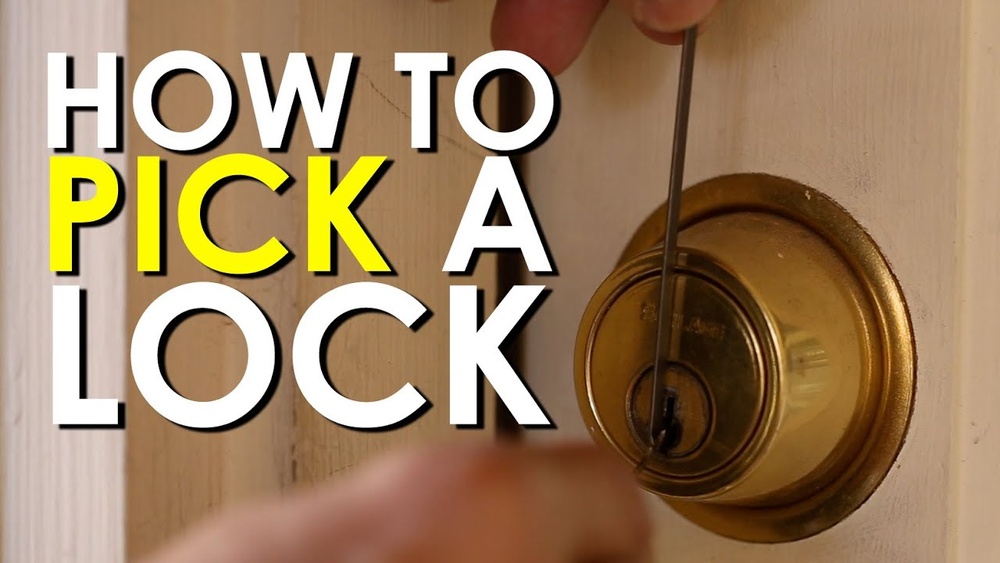
Security is the main reason to get a deadbolt lock. Look for locks with strong resistance to picking and drilling. Grade 1 locks offer the highest protection, good for front doors. Grade 2 locks suit standard homes. Avoid locks with weak cylinders or thin bolts. A good lock keeps unwanted visitors out.
Material And Durability
Locks made from solid metal last longer and resist damage. Brass and steel are common and strong materials. Avoid cheap metals that can break easily. Weather-resistant finishes help if the lock is outside. Durable locks save money by lasting many years.
Ease Of Installation
Pick a lock that matches your skill level. Some locks come with clear instructions and all needed parts. Simple locks fit standard door holes and need basic tools. Complex locks may require a professional. Easy installation saves time and effort.
Compatibility With Your Door
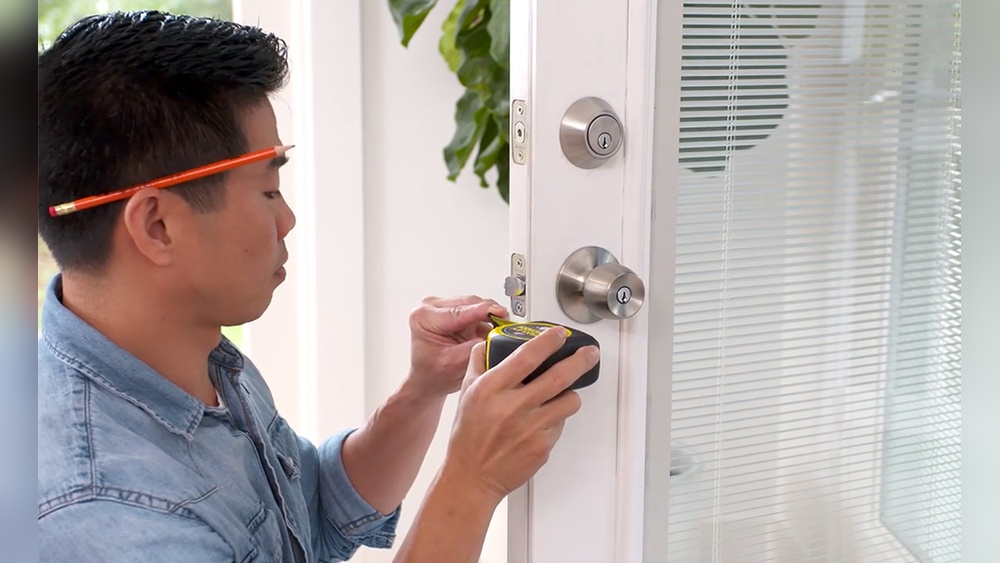
Measure your door thickness before buying a lock. Most deadbolts fit doors 1 3/8 to 1 3/4 inches thick. Check if your door is metal, wood, or fiberglass. Some locks work better with certain door materials. Match the lock’s size and type to your door for best results.
Popular Deadbolt Brands
Choosing the right deadbolt lock can feel tough for beginners. Knowing popular brands helps simplify the decision. Brands vary in quality, price, and security features. Understanding options makes it easier to pick a lock that fits your needs.
Top Reliable Brands
Schlage and Kwikset lead the market for reliability. Their locks offer strong security and last long. These brands have simple installation guides for beginners. They also provide good customer support for any questions.
Budget-friendly Options
Defiant and Brinks offer affordable deadbolts without much compromise. These brands are great for basic home security. They work well for rental homes or low-traffic doors. Easy to install and replace if needed.
High-end Models
Medeco and Mul-T-Lock provide advanced protection with durable materials. These locks resist picking and drilling better than standard models. Ideal for homes needing extra security or smart lock features. Pricier but worth the investment for peace of mind.
Tools Needed For Installation
Installing a deadbolt lock needs some basic tools. These tools help you fix the lock safely and correctly. Having the right tools makes the job easier and faster. Some tools are must-haves, while others are optional but helpful.
Basic Tools List
- Screwdriver (flathead and Phillips)
- Power drill or hand drill
- Drill bits (size depends on lock instructions)
- Measuring tape
- Pencil or marker
- Chisel (for door adjustments)
- Hammer
Optional Tools For Efficiency
- Level (to keep the lock straight)
- Awl or nail punch (to mark holes)
- Clamp (to hold parts steady)
- Wood filler (to fix mistakes)
- Safety glasses (to protect eyes)
Step-by-step Installation Tips
Installing a deadbolt lock can feel tricky for beginners. This step-by-step guide makes the process clear and easy. Follow these simple tips to secure your door with confidence. Each step builds on the last, so take your time and check your work.
Preparing The Door
Start by removing the old lock and hardware. Clean the door surface well. Check the door thickness and edge for proper deadbolt fit. Mark the spots for the new deadbolt using the template provided. Drill holes carefully, following the marks. Smooth out rough edges with sandpaper.
Installing The Deadbolt
Insert the deadbolt latch into the hole on the door edge. Secure it with screws. Align the lock’s faceplate flush with the door. Attach the exterior part of the lock first. Then, add the interior turn piece. Tighten all screws firmly, but do not over-tighten. Check the lock parts move smoothly.
Testing The Lock
Close the door and turn the deadbolt key or thumb turn. Make sure the bolt slides fully into the door frame. The lock should operate without sticking or noise. If it feels stiff, loosen screws slightly or adjust the strike plate. Test the lock several times for smooth action.

Credit: www.youtube.com
Common Mistakes To Avoid
Choosing the right deadbolt lock can feel tricky for beginners. Many make simple mistakes that cause problems later. Avoiding these errors saves time and keeps your door secure. Understanding common pitfalls helps you pick the best lock for your home.
Misalignment Issues
Locks must fit the door and frame perfectly. Misaligned locks jam or fail to lock. Check measurements twice before buying. Test the lock on the door to ensure smooth operation. Adjust the strike plate if needed for better alignment.
Choosing Incompatible Locks
Some locks do not fit all door types. Picking a lock without checking compatibility wastes money. Verify the lock matches your door’s thickness and lock style. Read product details carefully. Use locks designed for your door’s use, like exterior or interior.
Ignoring Door Material
Door material affects lock strength and installation. Wood, metal, and fiberglass doors need different locks. Some locks work better on solid wood than hollow doors. Know your door type before choosing a lock. This ensures durability and proper security.
Maintenance And Care
Proper maintenance and care keep your deadbolt lock working smoothly. A well-kept lock lasts longer and protects your home better. Small steps like cleaning and checking the lock can prevent problems.
Lubrication Tips
Use a graphite-based lubricant for your deadbolt. Avoid oil-based products; they attract dust and dirt. Apply a small amount to the keyhole and bolt mechanism. Turn the key several times to spread the lubricant evenly. Do this once or twice a year to keep the lock moving smoothly.
Regular Inspection
Check your deadbolt every few months. Look for signs of rust, dirt, or damage. Test the key to see if it turns easily. Make sure the bolt slides in and out without sticking. Early detection helps avoid costly repairs or lockouts.
When To Replace Your Deadbolt
Replace your deadbolt if it shows serious wear or damage. If the key sticks or the bolt jams often, it might be time. Also, change the lock after moving into a new home. Upgrading to a newer model can improve security and ease of use.
Frequently Asked Questions
What Is The Best Deadbolt Lock For Beginners?
The best deadbolt lock for beginners is easy to install and use. Look for single-cylinder models with clear instructions. Choose locks with high security ratings and durable materials for reliable protection.
How Do I Choose A Deadbolt Lock For Home Security?
Pick a deadbolt with strong resistance to picking and drilling. Consider grade 1 or 2 locks for better security. Also, check if it fits your door type and thickness.
Are Smart Deadbolt Locks Good For Beginners?
Yes, smart deadbolt locks offer convenience and advanced security features. They are beginner-friendly with app control and keyless entry. However, ensure your Wi-Fi is secure and the lock has backup options.
What Tools Do I Need To Install A Deadbolt Lock?
You need a drill, screwdriver, measuring tape, and pencil. Some kits include installation templates. Proper tools ensure accurate fitting and smooth installation without damaging your door.
Conclusion
Choosing the right deadbolt lock is key to home safety. Think about your door type and security needs first. Simple designs work well for beginners. Check the lock’s durability and ease of use. Don’t forget to measure your door before buying.
A good deadbolt adds peace of mind. Take your time and make a smart choice. Safe homes start with strong locks.