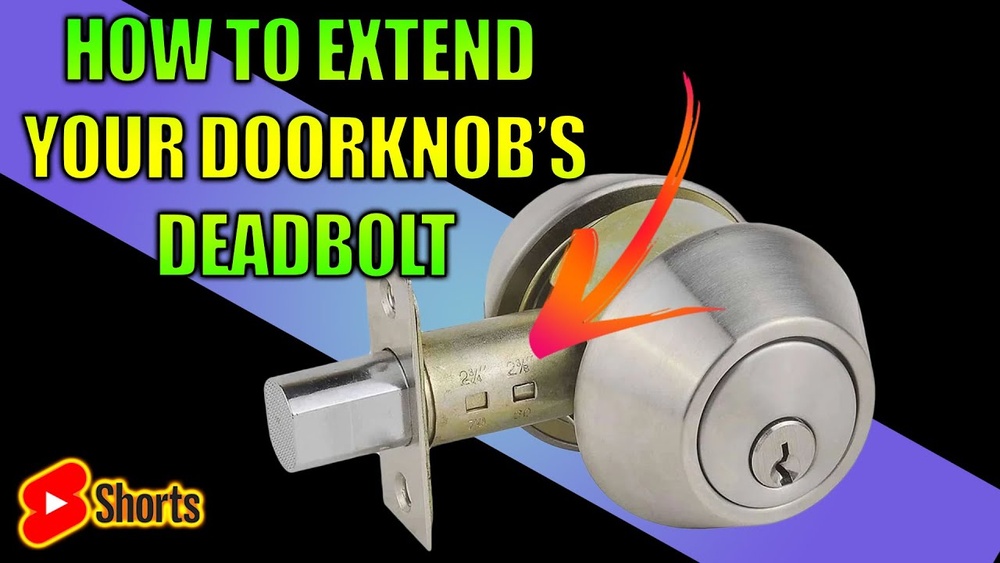
Are you worried that your deadbolt lock isn’t giving you enough security? Maybe the bolt isn’t long enough to keep your door fully secure, or you want to make sure your home is safer without spending a fortune.
Extending your deadbolt lock could be the simple fix you need. In this guide, you’ll learn easy steps to make your lock stronger and protect what matters most. Keep reading to discover how a small change can give you big peace of mind.
Benefits Of Extending Deadbolt Locks
Extending deadbolt locks offers several key benefits that improve home security. This simple upgrade strengthens your door’s defense. It makes your home safer and less attractive to intruders. Here are some important advantages of extending deadbolt locks.
Improved Security
Extended deadbolt locks provide better protection against forced entry. They increase the lock’s reach into the door frame. This deeper lock engagement helps prevent the door from being kicked open. It makes it harder for burglars to break in quickly.
Increased Door Strength
Adding an extension to your deadbolt lock also strengthens the door itself. The longer bolt spreads the force over a bigger area. This reduces damage to the door and frame during attacks. It helps keep your door solid and intact under pressure.
Deterrence Against Break-ins
A visible extended deadbolt lock can discourage thieves. It signals that the home has strong security measures. Burglars often avoid homes that look difficult to enter. The extended lock acts as a clear warning to stay away.
Tools And Materials Needed
Extending a deadbolt lock requires some basic tools and materials. Having the right items ready makes the job easier and faster. This section explains the main tools you need to complete the extension safely and correctly.
Extension Kits
Extension kits include parts to lengthen the deadbolt’s tailpiece. They match the size and style of your lock. Kits come with screws and connectors needed for installation. Using a kit ensures a proper fit and smooth operation.
Screwdrivers And Drills
Screwdrivers help remove and tighten screws on the lock. Choose a screwdriver that fits the screw heads well. A drill speeds up the process by making holes or driving screws. Use drill bits that match the screw size to avoid damage.
Measuring Tools
Measuring tools check the length of the tailpiece and door thickness. A tape measure is simple and accurate for this job. Marking the right length ensures the extension works perfectly. Accurate measurement prevents mistakes and wasted parts.
Measuring Your Door For Extension
Measuring your door for a deadbolt lock extension is a crucial step. It ensures the lock fits properly and works well. Taking accurate measurements helps you pick the right extension size. This prevents problems during installation and improves your door’s security.
Let’s break down the process into two easy parts: checking door thickness and selecting the right extension size. Both steps are important for a perfect fit.
Checking Door Thickness
Start by measuring the thickness of your door. Use a tape measure or ruler for accuracy. Measure from one side of the door to the other at the point where the lock will go. Most doors are between 1.5 and 2 inches thick. Note this number carefully. It helps to choose an extension that matches your door’s thickness.
Selecting The Right Extension Size
Choose an extension that fits your door thickness. Extensions come in different sizes to match various door measurements. Pick one slightly longer than your door’s thickness for a tight fit. Avoid buying an extension too short or too long. Too short means the lock won’t fit well. Too long may cause the lock to stick or not close properly. Use your door’s thickness measurement as a guide to select the best extension size.
Credit: www.youtube.com
Step-by-step Extension Process
Extending a deadbolt lock is a simple way to improve your door’s security. This step-by-step process guides you through extending your deadbolt safely and quickly. Follow these easy instructions to make sure the extension fits perfectly and works well.
Removing The Existing Deadbolt
Start by unscrewing the screws on the inside part of the deadbolt. Hold the lock firmly while removing it from the door. Carefully pull both sides of the deadbolt away from the door. Keep the screws safe for later use. Check the lock and door edge for any damage.
Attaching The Extension Piece
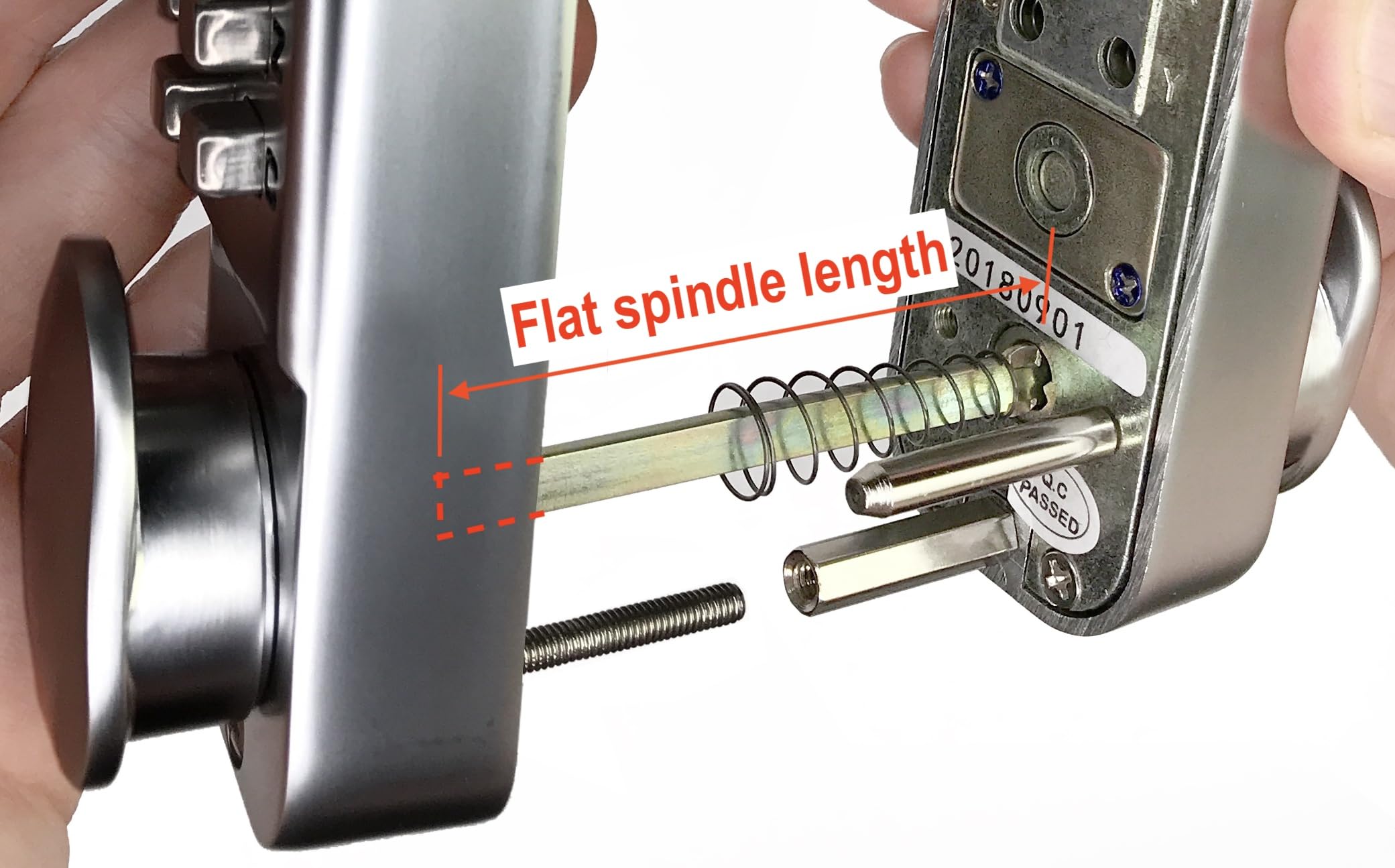
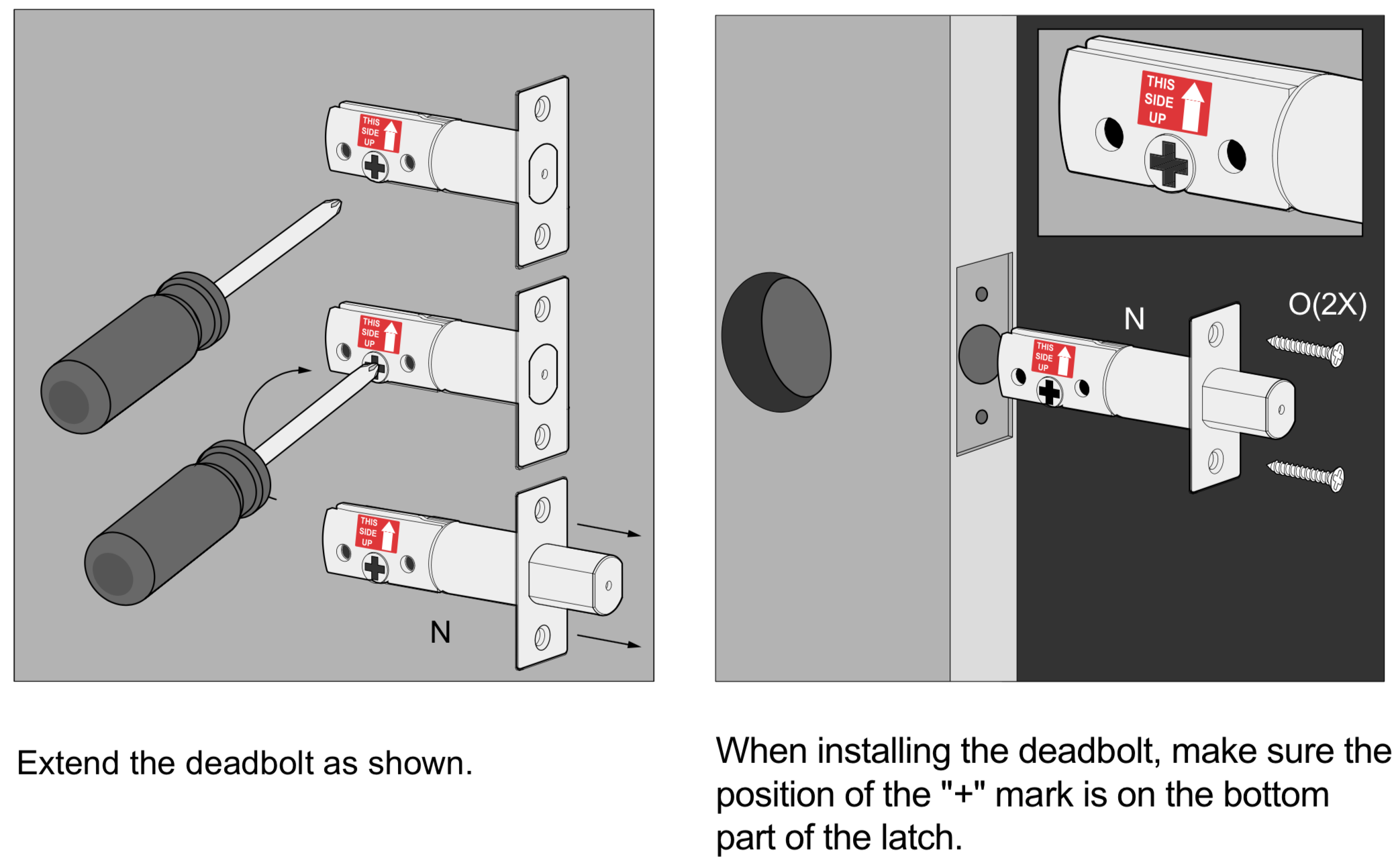
Choose the right extension piece that fits your deadbolt model. Slide the extension onto the deadbolt’s bolt part. Make sure it fits snugly without gaps. Align the extension so it matches the door thickness. Secure the extension by tightening any small screws included. Test the bolt movement to confirm smooth operation.
Reinstalling The Deadbolt
Place the deadbolt back into the door hole with the extension attached. Insert screws into the original holes and tighten them firmly. Check that the lock turns easily with the key. Close the door and test the bolt to ensure it extends fully. Adjust screws if the lock feels loose or tight.
Testing The Extended Deadbolt
Testing the extended deadbolt is a key step after installation. It confirms the lock works properly and secures your door well. This step helps catch problems early before they become serious.
Check how easily the deadbolt moves and fits. This ensures smooth locking and unlocking. Testing also shows if the extension aligns with the door frame correctly.
Ensuring Smooth Operation
Turn the key or thumb turn slowly. The deadbolt should slide in and out without sticking. Listen for any unusual sounds like grinding or scraping. These indicate friction or misalignment.
Test the lock multiple times. Each turn should feel consistent and smooth. If the deadbolt resists or jams, stop and check the installation. Smooth operation means better security and longer lock life.
Adjusting For Alignment Issues
Check if the deadbolt fully extends into the door frame hole. Misalignment causes the lock to stick or not lock at all. Mark any spots where the bolt hits the frame or misses the strike plate.
Loosen the screws on the strike plate and move it slightly. Tighten screws and test the lock again. Repeat until the deadbolt fits perfectly into the strike plate hole. Proper alignment prevents damage and improves lock reliability.
Credit: www.amazon.com
Additional Tips For Enhanced Security
Extending a deadbolt lock is a smart step for better home security. Still, there are other ways to make your door safer. These tips help protect your home from break-ins. Small changes can make a big difference.
Reinforcing Door Frame
A strong door frame stops forced entry. Use solid wood or metal frames for better defense. Install longer screws in the strike plate to hold it tight. This makes it harder to break the door frame.
Using High-quality Deadbolt Locks
Choose deadbolts with good grades and strong materials. Look for locks that resist picking and drilling. A quality lock works smoothly and lasts longer. This gives you more safety and peace of mind.
Regular Maintenance
Check your deadbolt often for wear or damage. Clean and oil the lock to keep it working well. Replace parts that are broken or rusted. Proper care keeps your lock strong and reliable over time.
Credit: www.support.lockly.com
Frequently Asked Questions
How Do I Extend A Deadbolt Lock Bolt?
To extend a deadbolt lock bolt, first remove the lock’s faceplate. Then, replace the existing bolt with a longer one. Adjust the strike plate accordingly for proper alignment and secure the lock for enhanced security.
What Tools Are Needed To Extend A Deadbolt Lock?
You need a screwdriver, a longer deadbolt bolt, a drill with bits, and a chisel. These tools help remove the lock, modify the door frame, and install the extended bolt properly.
Can I Extend A Deadbolt Lock Without Professional Help?
Yes, extending a deadbolt lock can be a DIY task if you have basic tools and skills. Follow instructions carefully to ensure proper fit and security. However, consult a locksmith if unsure.
Will Extending A Deadbolt Improve Home Security?
Extending a deadbolt bolt increases the lock’s reach into the door frame. This added depth improves resistance against forced entry, thus enhancing your home’s overall security.
Conclusion
Extending a deadbolt lock improves your home’s security easily. Follow the steps carefully for a proper fit. Use the right tools to avoid damage. Check that the lock moves smoothly after installation. A strong lock helps keep your home safe.
Regular maintenance keeps the deadbolt working well. Small changes make a big difference in safety. Take your time and work with patience. Your efforts protect your family and belongings better. Simple upgrades like this bring peace of mind.