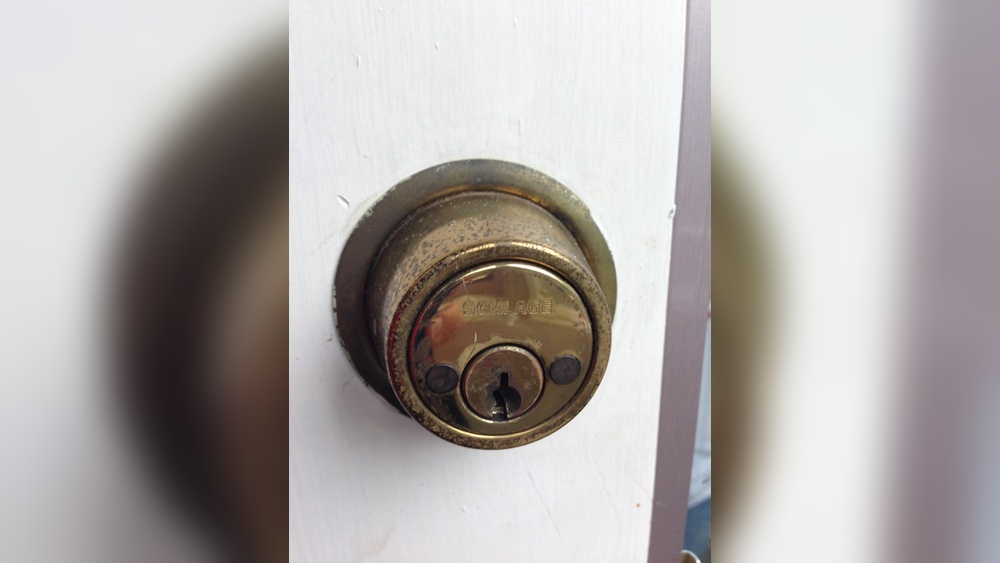
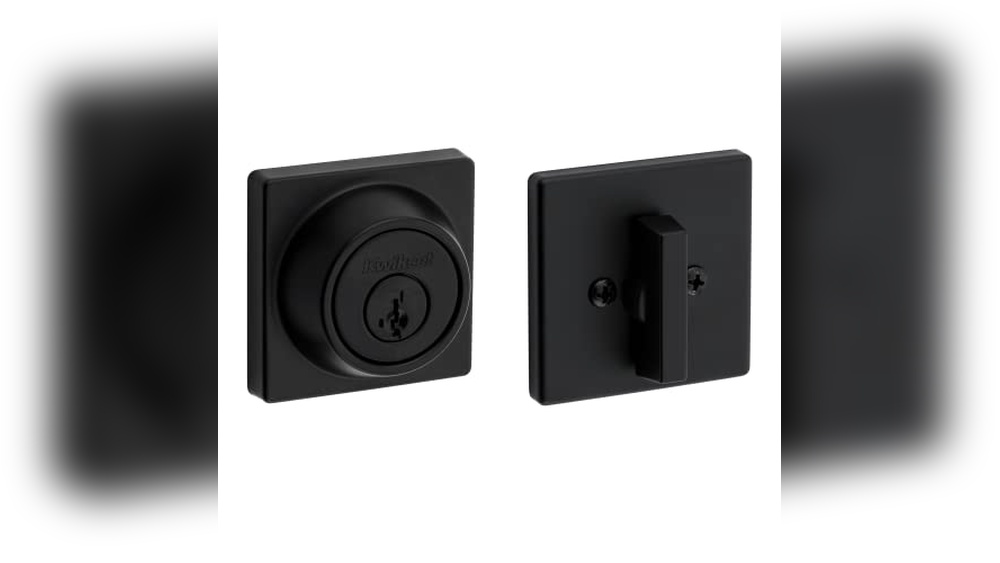
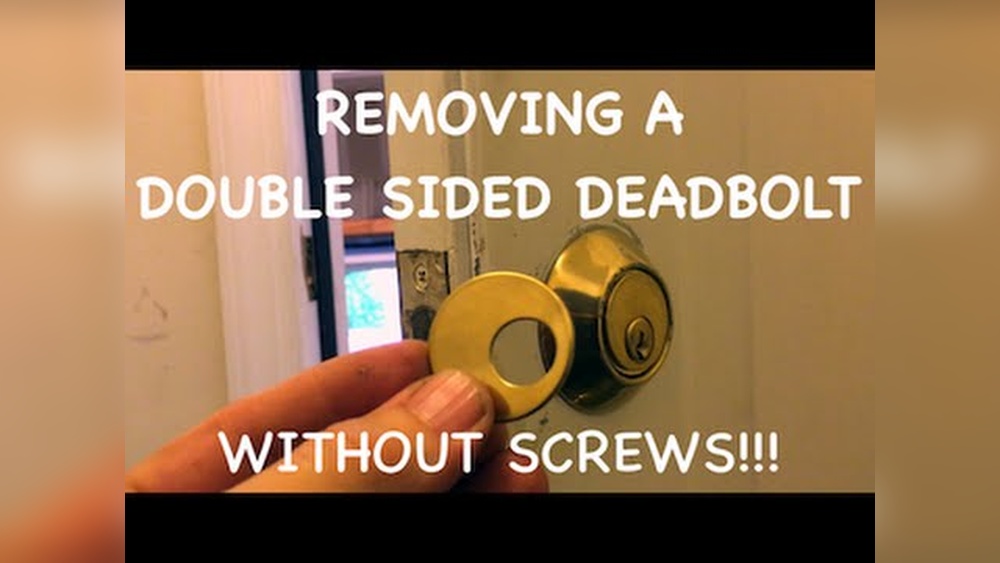
Have you ever found yourself locked out and wondered if there was a quick way to get back inside without calling a locksmith? What if I told you that, with just a simple pen, you could pick a deadbolt lock?
It might sound surprising, but understanding this technique can help you in emergencies or teach you how locks work to keep your home safe. You’ll discover easy steps to pick a deadbolt lock using a pen—no special tools needed. Keep reading, and you’ll be equipped with a skill that could save you time and frustration when you least expect it.
Deadbolt Lock Basics
Deadbolt locks provide strong security for doors. They are common in homes and offices. Knowing how they work helps in understanding lock-picking methods. This knowledge is useful for educational purposes and legal locksmith work.
Let’s explore the basics of deadbolt locks. This includes their types and how they function. This foundation helps in grasping the process of picking a deadbolt lock using simple tools.
Types Of Deadbolt Locks
There are three main types of deadbolt locks. Single-cylinder deadbolts use a key on the outside and a thumb turn inside. Double-cylinder deadbolts need a key on both sides. This type is often used for doors with glass nearby. Locking deadbolts have a mechanism that locks automatically when the door closes. Each type offers different levels of security and ease of use.
How Deadbolts Work
Deadbolts use a solid metal bolt to lock doors. The bolt extends into the door frame. This makes it hard to force the door open. Turning the key or thumb turn moves the bolt in or out. Inside, pins or tumblers prevent the bolt from moving without the correct key. The lock’s design stops simple tools from moving the bolt easily. Understanding this helps explain how a pen could be used carefully in lock picking.
Tools Needed
Picking a deadbolt lock with a pen requires specific tools. Without the right items, the task becomes harder. Prepare your tools carefully for better results. This section explains what you need to gather before starting.
Choosing The Right Pen
Select a pen that is slim and sturdy. Ballpoint pens work best because they have firm tips. Avoid gel pens or markers as they are too soft. The pen must fit easily into the lock’s keyhole. A metal pen is ideal but plastic can work if it is strong enough.
Additional Items To Have
Besides the pen, have a few extra tools ready. A tension wrench helps turn the lock once pins are set. Paper clips can serve as backup picks. A flashlight will improve visibility inside the lock. Keep a small cloth handy to clean the lock area.
Preparing To Pick The Lock
Preparing to pick a deadbolt lock with a pen requires care and focus. This step is important to increase your chances of success. Proper preparation helps avoid mistakes and keeps you safe. Take time to get ready before you start the process.
Safety Precautions
Always ensure you have permission to pick the lock. Unauthorized picking is illegal and can lead to serious trouble. Wear safety glasses to protect your eyes from small metal pieces. Keep your hands steady and avoid rushing the task. Work slowly to prevent damaging the lock or the pen.
Setting Up Your Workspace
Choose a quiet and well-lit place to work. Good lighting helps you see the lock’s details clearly. Use a flat surface to rest the lock or door. Keep your tools close and organized. Avoid distractions to maintain full attention on the task. A calm space improves your chances of success.

Credit: www.youtube.com
Step-by-step Picking Process
Picking a deadbolt lock with a pen requires careful steps and patience. This guide breaks down the process into simple actions anyone can follow. Understanding these steps helps you grasp how locks work and how to gently move the pins inside. Take your time and follow each part closely for the best results.
Inserting The Pen
First, choose a pen with a thin, sturdy tip. Remove the ink tube to use only the hollow barrel. Insert the pen gently into the keyhole. Push it in just enough to reach the pins inside. Avoid forcing it, as this can damage the lock or pen.
Manipulating The Pins
Use the pen barrel to lift the pins inside the lock. Push each pin up carefully and feel for a slight click. This means the pin is set in the right place. Work through all the pins one by one. Patience is key to avoid breaking the pen or lock.
Turning The Lock
After setting all pins, try turning the pen like a key. Apply gentle pressure and twist slowly. If the lock does not turn, reset the pins and try again. Once the pins align correctly, the lock will open smoothly. Practice helps improve your feel and success rate.
Common Challenges
Picking a deadbolt lock with a pen is not simple. Many challenges can make the process slow and frustrating. Knowing these common issues helps you stay patient and careful.
Dealing With Stubborn Pins
Some pins inside the lock resist moving. They might stick or feel very tight. This makes it hard to set them correctly with a pen.
Applying too much force can break the pen or damage the lock. Use gentle, steady pressure to lift the pins one by one. Small movements work better than quick, rough actions.
Avoiding Damage To The Lock
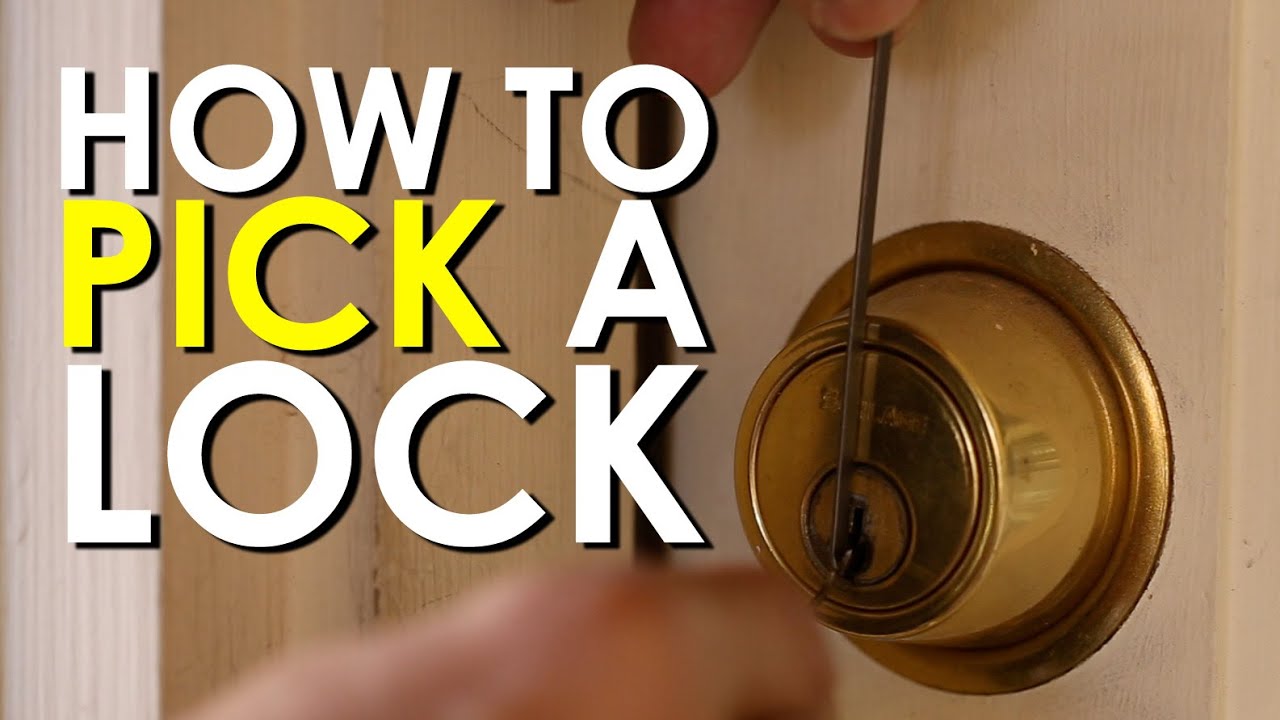
Using a pen as a tool can harm the lock’s inner parts. The pen tip is not made for picking locks, so it can bend or snap inside.
Damage may cause the lock to jam or become unusable. Take your time and be gentle. Avoid forcing the pen deep inside the keyhole.
Credit: www.youtube.com
After Picking The Lock
Picking a deadbolt lock with a pen is a skill that should be handled carefully. Knowing the legal and ethical limits is very important. This helps avoid trouble and respects others.
Understanding when it is right to pick a lock protects you and others. It shows respect for private property and privacy. Always think about the consequences before acting.
When Picking Is Permissible
Picking a lock is allowed in certain cases. For example, if you own the property or have the owner’s permission. It is okay to open your own locked door when keys are lost. Emergency situations, like helping someone locked inside, also count.
Never pick locks on places you do not own or have permission for. Doing so can lead to legal problems. Laws about lock picking vary by location, so check local rules first.
Respecting Privacy And Property
Respect for privacy means not entering someone else’s space without consent. Picking locks without permission invades privacy and breaks trust. Property belongs to someone else and must be treated with care.
Always think about the owner’s rights and feelings. Avoid actions that can cause harm or damage. Being responsible keeps you safe and builds respect in your community.

Credit: www.wikihow.com
Frequently Asked Questions
How Can A Pen Be Used To Pick A Deadbolt Lock?
A pen can mimic lock picking tools by manipulating the lock’s pins. Thin, sturdy pens work best to apply tension and lift pins carefully. This method requires patience and skill to avoid damaging the lock or pen.
Is Picking A Deadbolt Lock With A Pen Legal?
Picking a lock without permission is illegal and can lead to serious consequences. Only use this technique on locks you own or have explicit permission to pick. Always follow local laws and regulations regarding lock picking.
What Types Of Deadbolt Locks Can A Pen Pick?
Simple pin tumbler deadbolts are most susceptible to pen picking. High-security or complex deadbolts usually resist such methods. Knowing your lock type helps determine if a pen can be an effective picking tool.
How Difficult Is It To Pick A Deadbolt Lock With A Pen?
Picking a deadbolt with a pen is challenging and requires practice. It’s not a guaranteed method and can damage the lock or pen. Beginners should consider learning with proper lock picking sets first.
Conclusion
Picking a deadbolt lock with a pen takes patience and care. Practice the steps slowly and watch how the lock responds. Stay calm and do not rush the process. This skill can help in emergencies or when keys are lost.
Always respect others’ property and use this knowledge responsibly. Keep practicing to improve your technique over time. Remember, safety comes first in every situation.